Tag

Prehistoric Art

All articles tagged with #prehistoric art

Indonesian Hand Stencil Could Be World's Oldest Rock Art at 67,800 Years
archaeology1 month ago

Indonesian Hand Stencil Could Be World's Oldest Rock Art at 67,800 Years

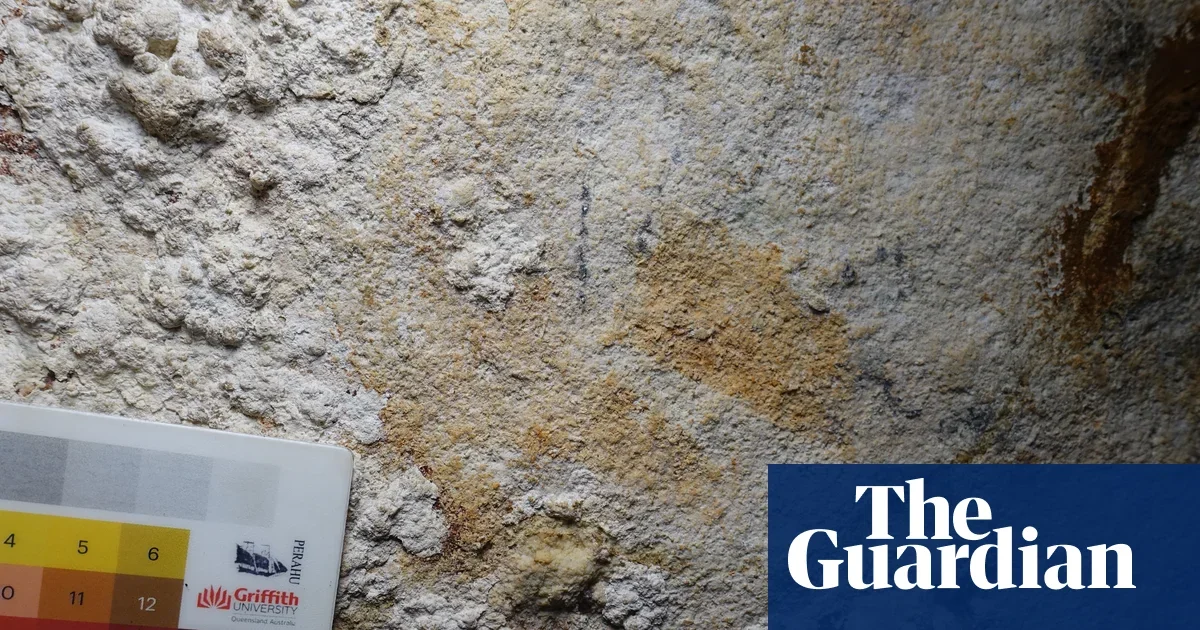
A faded hand outline in Liang Metanduno cave on Sulawesi is dated to at least 67,800 years ago via calcite overgrowth, potentially the oldest known rock art, created by spraying ochre over a hand; the find, along with other Sulawesi paintings dating to 51,200 years, supports early northern dispersal toward Sahul and suggests complex symbolic behavior by Homo sapiens, though attribution to specific hominin groups remains debated.

Ancient Non-Human Art Reveals Revolutionary Secret
science-and-archaeology1 year ago

Ancient Non-Human Art Reveals Revolutionary Secret

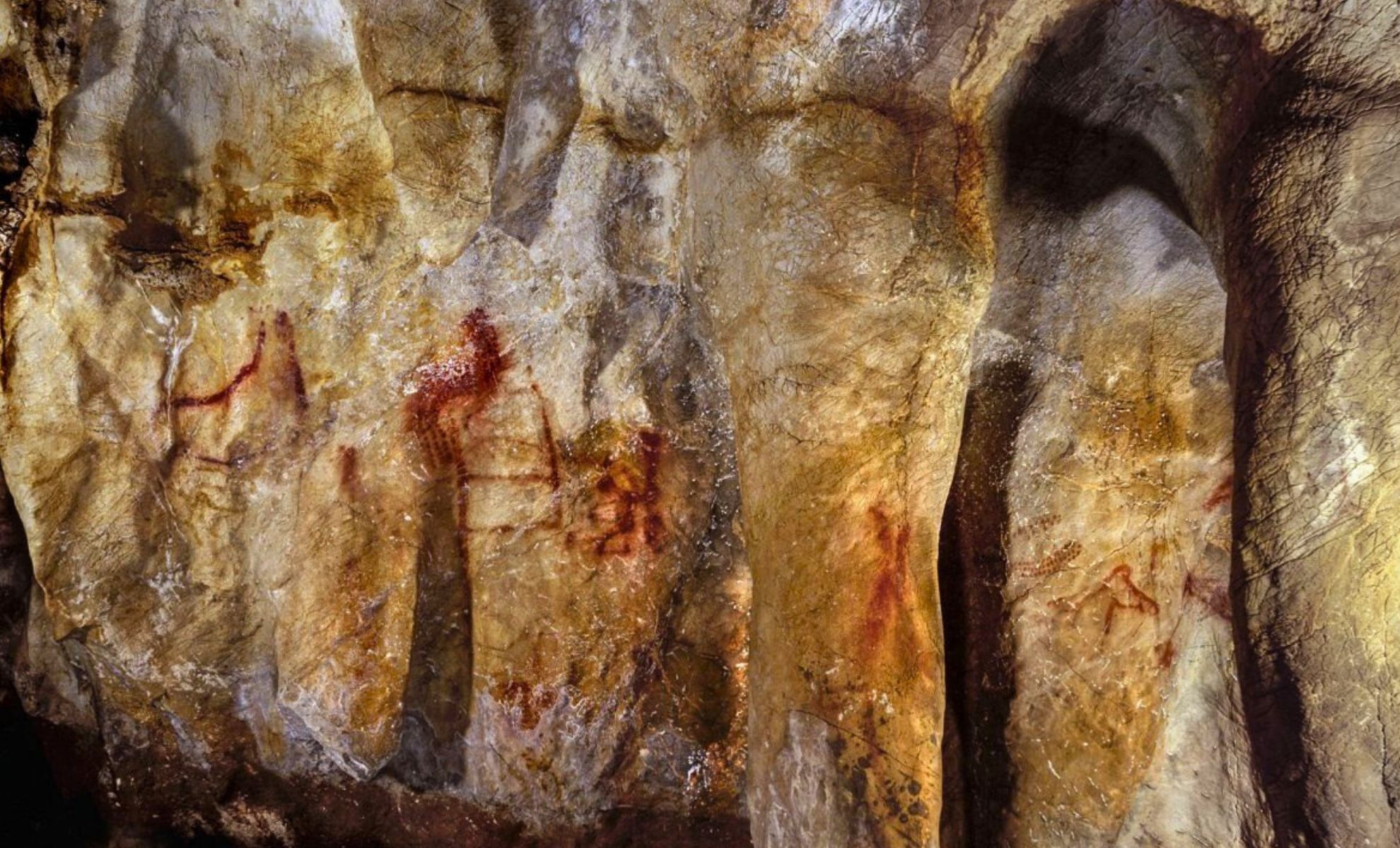
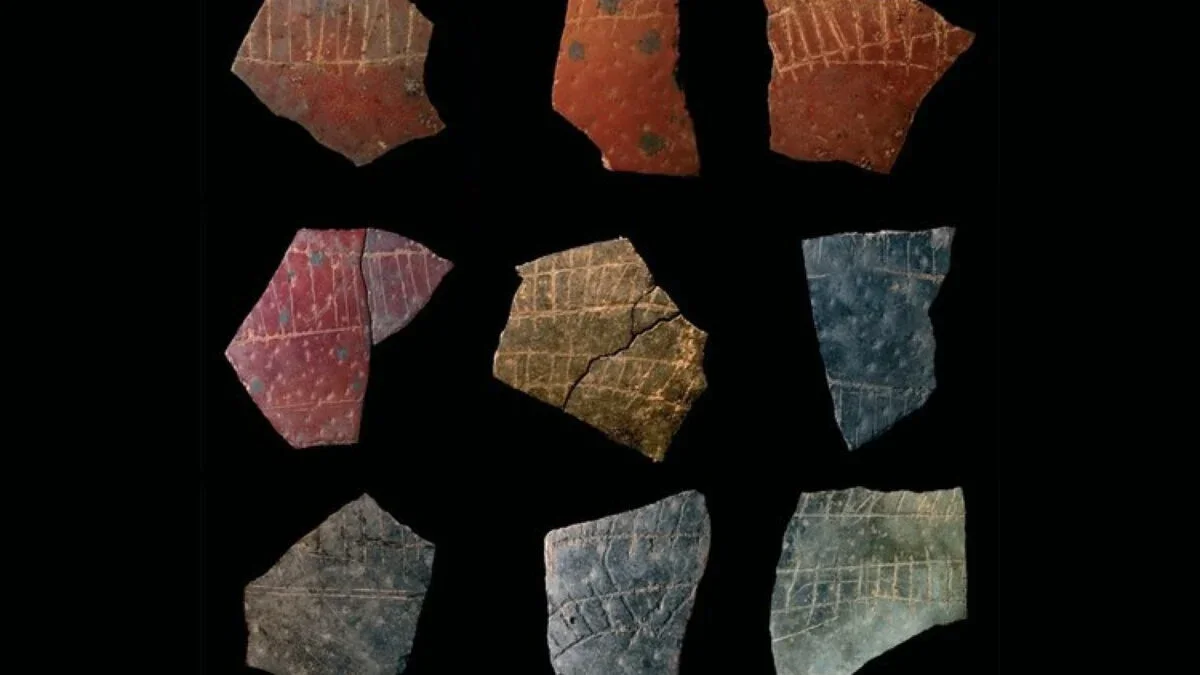
A groundbreaking discovery in Maltravieso Cave, Spain, reveals that Neanderthals, not Homo sapiens, may have been the first artists, with hand stencils dated to at least 66,710 years ago. Using uranium-thorium dating, researchers found these artworks to be far older than previously known examples, suggesting Neanderthals had advanced cognitive abilities. This challenges the perception of Neanderthals as unsophisticated and raises the possibility of cultural transmission to early modern humans, highlighting art as a shared heritage between species.

"Brazilian Discovery: Prehistoric Drawings Unearthed Near Dinosaur Footprints"
archaeology1 year ago

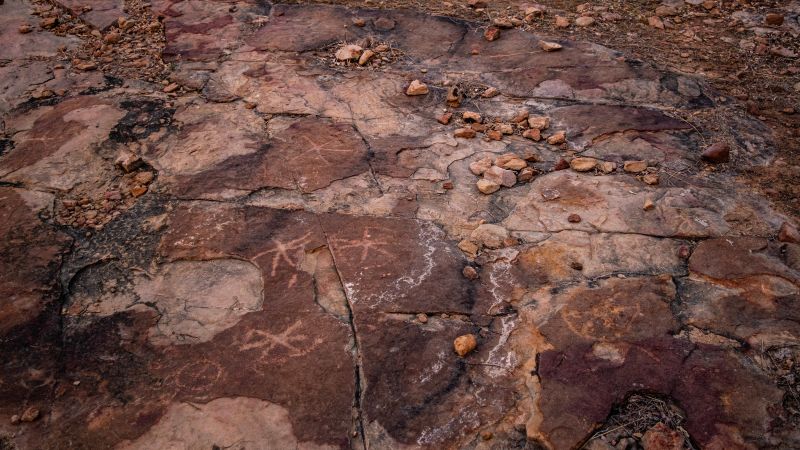
"Brazilian Discovery: Prehistoric Drawings Unearthed Near Dinosaur Footprints"

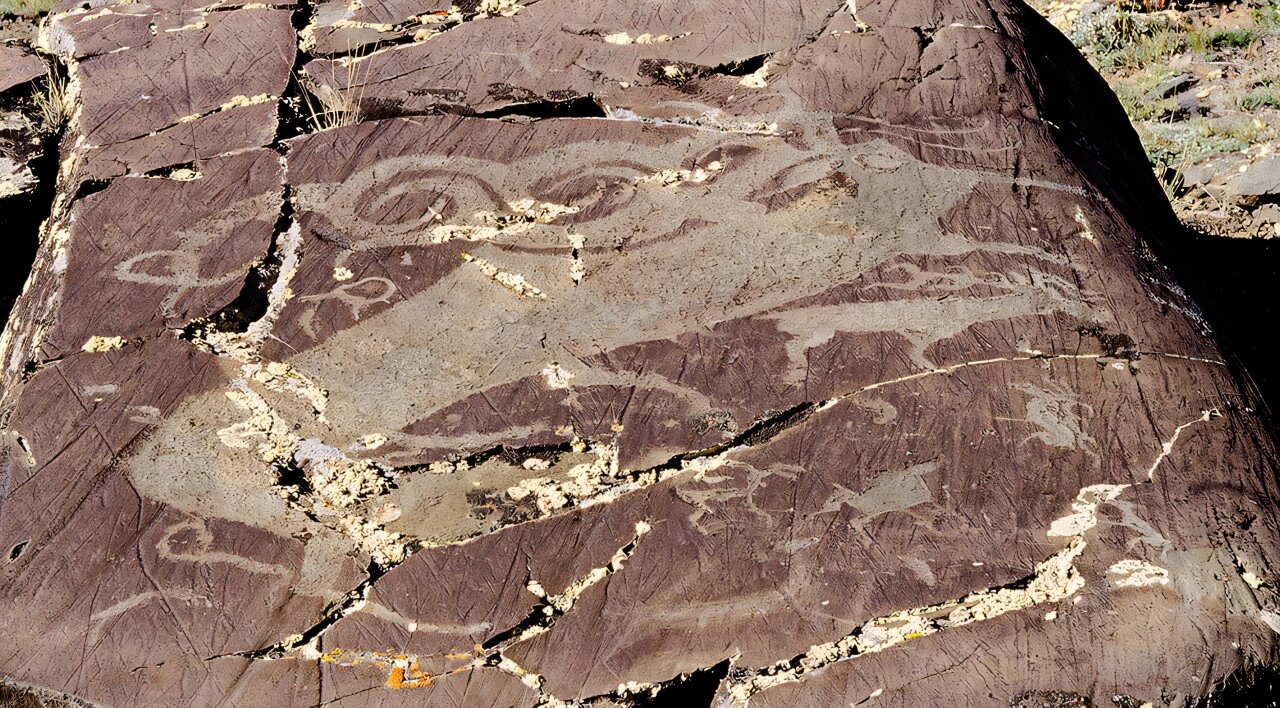
Prehistoric rock carvings, or petroglyphs, have been discovered near dinosaur footprints in Brazil, suggesting that ancient humans found them meaningful or interesting. The unprecedented clarity of the association between the petroglyphs and the footprints at the site called Serrote do Letreiro could have significant implications across paleontology, archaeology, and cultural heritage studies. The drawings, which are varied in style and may have been made during communal gatherings, remain a mystery in terms of their meaning. The direct association of the drawings with dinosaur fossil tracks is unique and may shed more light on the importance, meaning, and significance of rock art.

"Unveiling the Neanderthal Mysteries: A Modern Understanding"
science-and-anthropology2 years ago

"Unveiling the Neanderthal Mysteries: A Modern Understanding"

Recent research has significantly narrowed the behavioral gap between Neanderthals and Homo sapiens, revealing that Neanderthals were capable of creating art, crafting tools, and possibly engaging in symbolic behavior. Advances in ancient DNA analysis have confirmed interbreeding between the two species and suggest that Neanderthals contributed to the human gene pool. The discovery of complex structures, use of pigments, and evidence of a varied diet challenge the stereotype of Neanderthals as simple carnivores. Cognitive and cultural differences, as well as demographic factors, may have influenced the distinct development of Neanderthal and human societies. Despite their extinction, Neanderthals have left a lasting legacy in the genetic makeup of modern humans.

Realistic Human Statue Unearthed in Karahantepe: Exciting Findings in Göbeklitepe
archaeology2 years ago

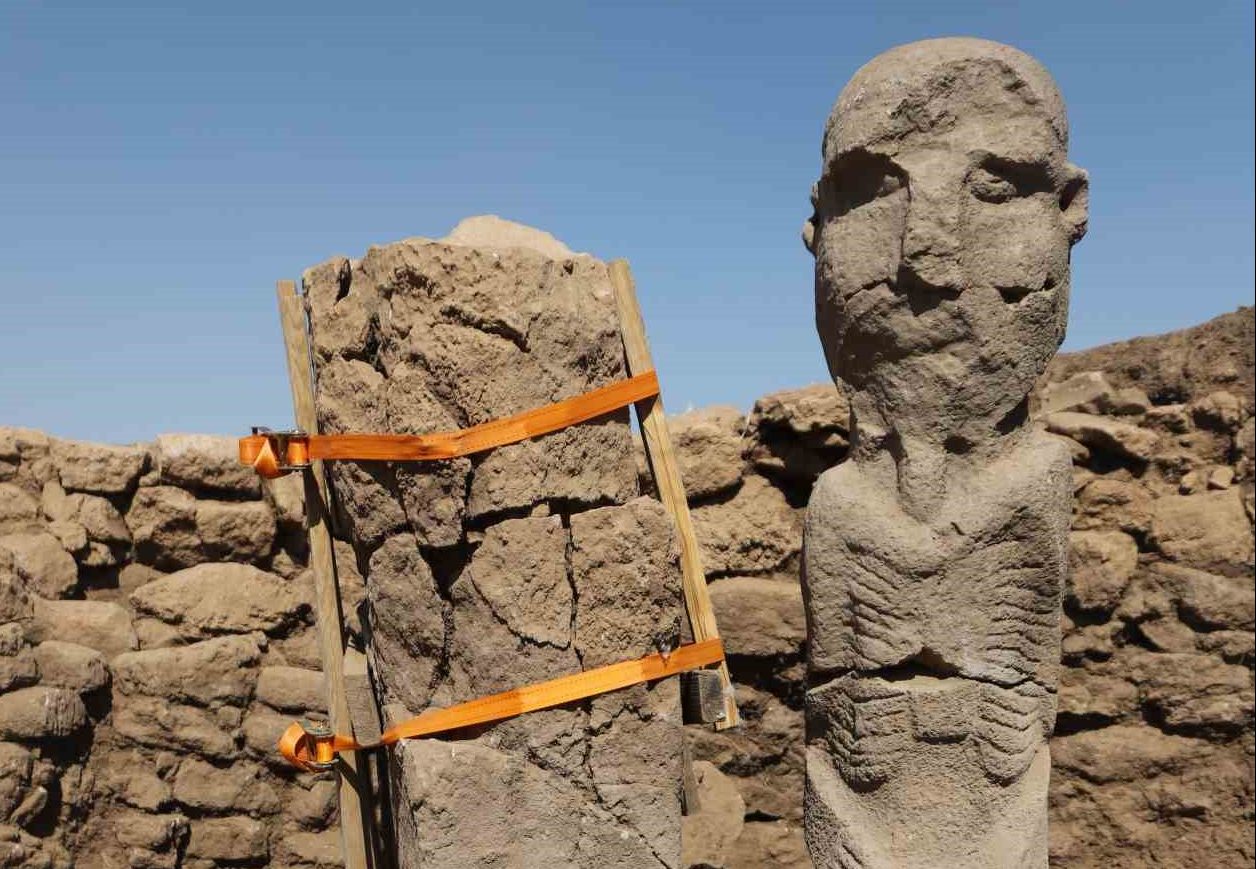
Realistic Human Statue Unearthed in Karahantepe: Exciting Findings in Göbeklitepe

A painted wild boar statue has been discovered in the ancient site of Göbeklitepe, the world's oldest megalithic site. The statue, believed to be around 12,000 years old, is the first painted sculpture found from its period. Additionally, a lifelike human statue with a realistic facial expression was unearthed in Karahantepe, a sister site of Göbeklitepe. The discoveries shed new light on prehistoric art and provide further insights into the ancient civilizations that once thrived in the region.

Neanderthal Engravings Discovered in French Cave After 57,000 Years
culture2 years ago

Neanderthal Engravings Discovered in French Cave After 57,000 Years

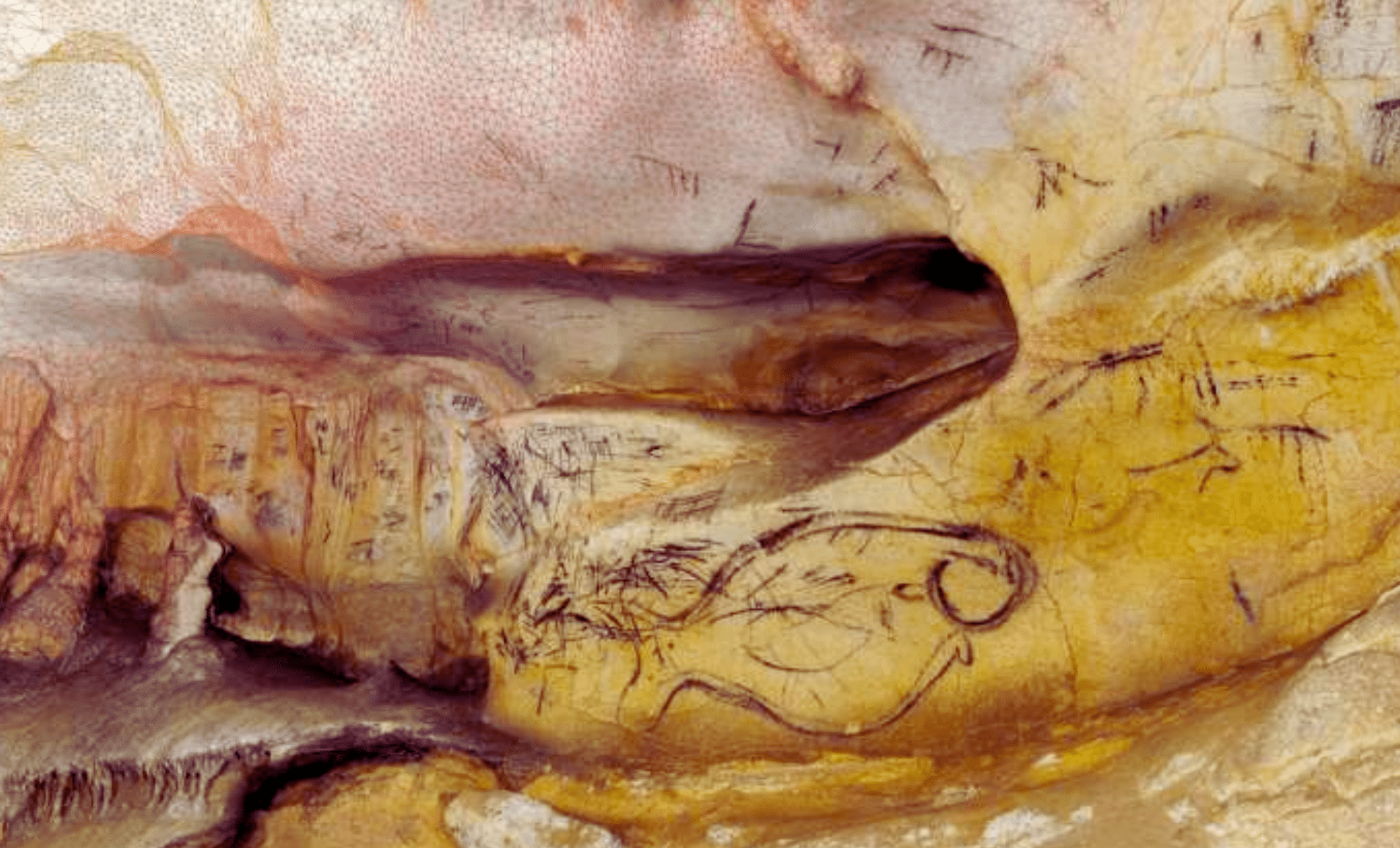
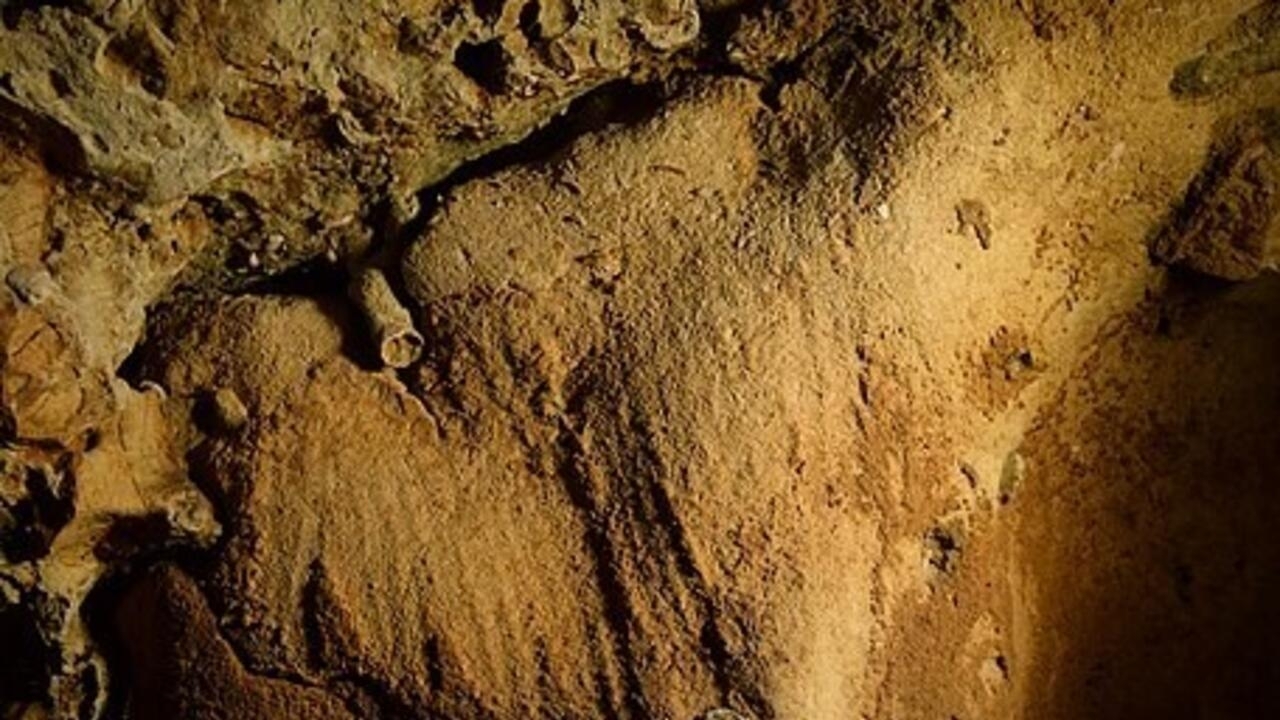
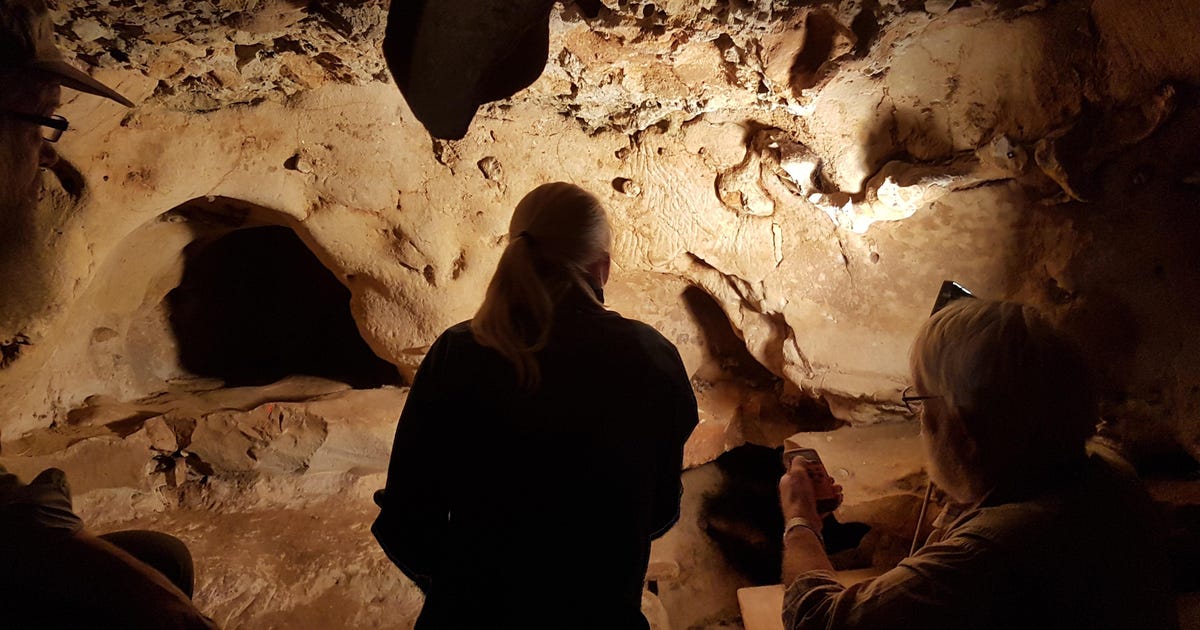
The oldest known cave engravings in France, dating back at least 57,000 years to the age of Neanderthals, have been discovered in the Loire Valley. The designs are abstract but intentional, making a new and important contribution to our knowledge of Neanderthal behavior. The Roche-Cotard cave was discovered in 1846 but remained largely inaccessible until 1912, with extensive archaeological excavations beginning in 2008. Most of the images were traced by finger and represent non-figurative designs.

Neanderthals' Ancient Art: Oldest Engravings Found in French Cave.
archaeology2 years ago

Neanderthals' Ancient Art: Oldest Engravings Found in French Cave.

Researchers in France claim that finger marks on the walls of La Roche-Cotard Cave are Neanderthal engravings, made around 57,000 years ago. The marks were made by fingers “digging” into the soft rock, not use of tools or pigments. The finger-flutings appear in eight separate panels inside the cave and are “unambiguous examples of Neanderthal abstract design”. The discovery suggests early symbolic abilities among Neanderthals and strengthens the claims of spiritual and material culture in the Late Stone Age, whether among sapiens and Neanderthals.

Neanderthals' 75000-year-old intentional engravings found in cave
archaeology2 years ago

Neanderthals' 75000-year-old intentional engravings found in cave

Researchers have confirmed that the finger-flutings on the walls of La Roche-Cotard cave in France are the oldest known Neanderthal cave decorations in France, estimated to be about 75,000 years old. The engravings make La Roche-Cotard the oldest decorated site in France and possibly Europe. The team used optically stimulated luminescence to date the cave and found that it was sealed about 57,000 years ago, but the markings could be as old as 75,000 years. The fact that the cave had been sealed until 1846 means that these are unequivocally Neanderthal marks.