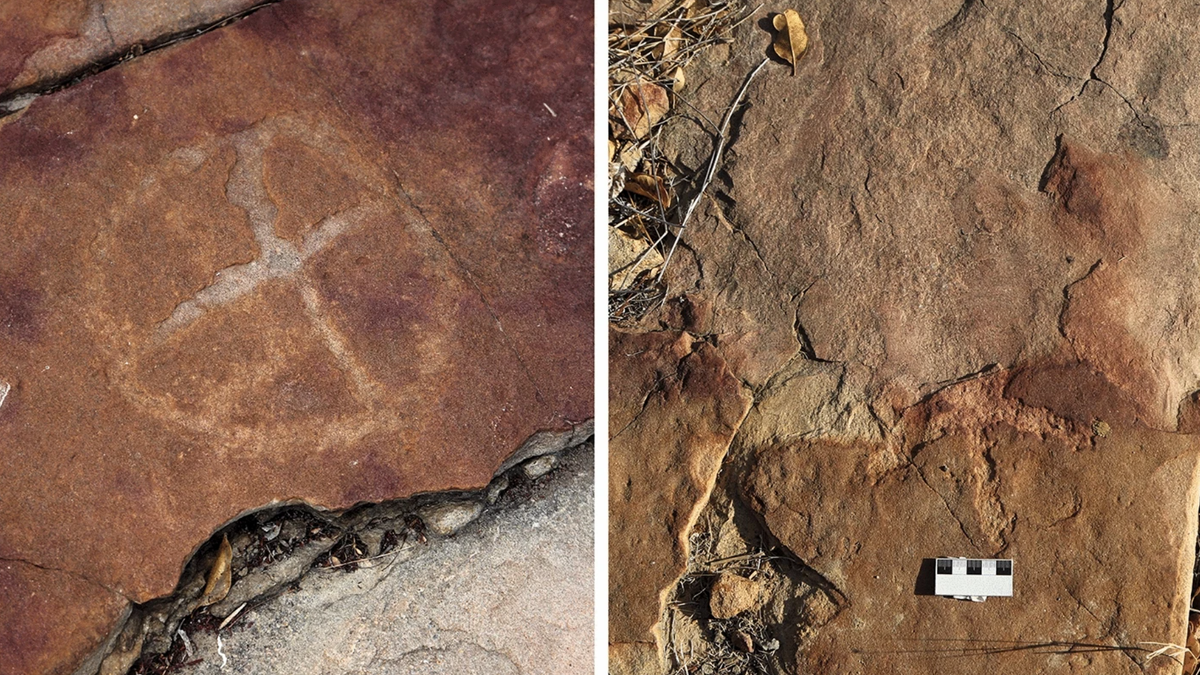
Ancient South Americans in eastern Brazil created petroglyphs next to fossilized dinosaur tracks, possibly inspired by the movements of theropods, sauropods, and iguanodontians tens of millions of years earlier. The petroglyphs, primarily circular patterns, were found near human burials dating back to 10,000 years ago, indicating a wide timeframe for their creation. The proximity of the petroglyphs to the footprints suggests active engagement with the fossil material, and the petroglyphs were made by multiple individuals. The ancient communities may have mistaken the dinosaur trackways for rhea footprints, but the significance of the prints is evident in the artwork placed alongside them.
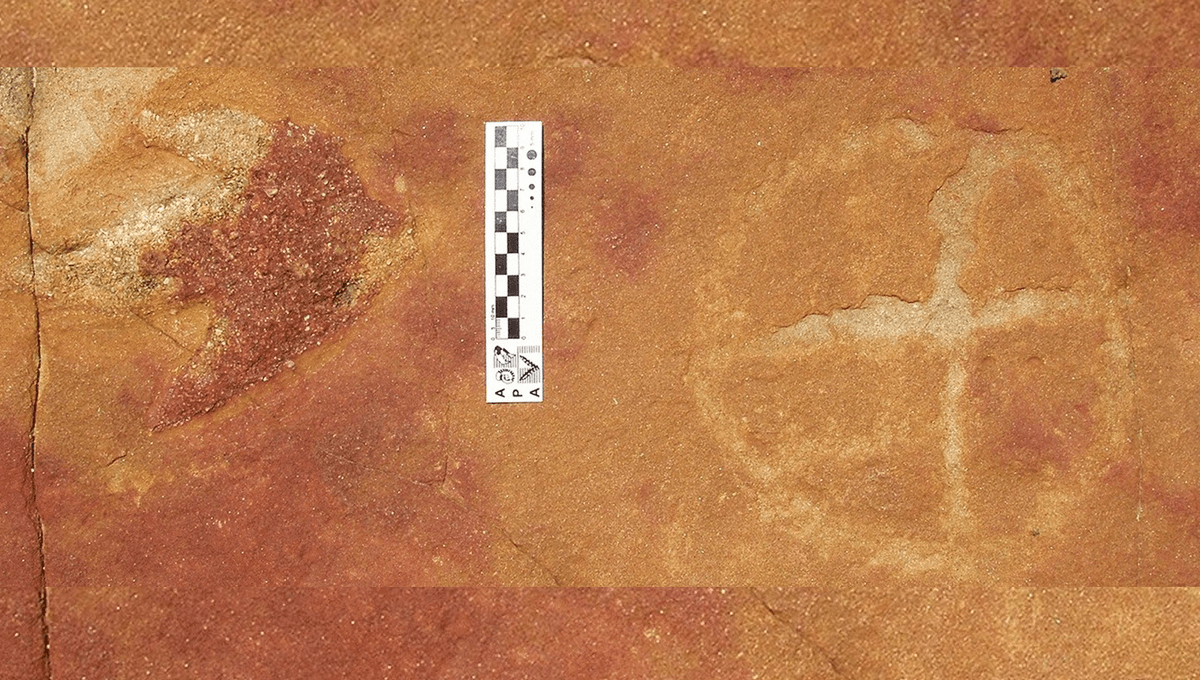
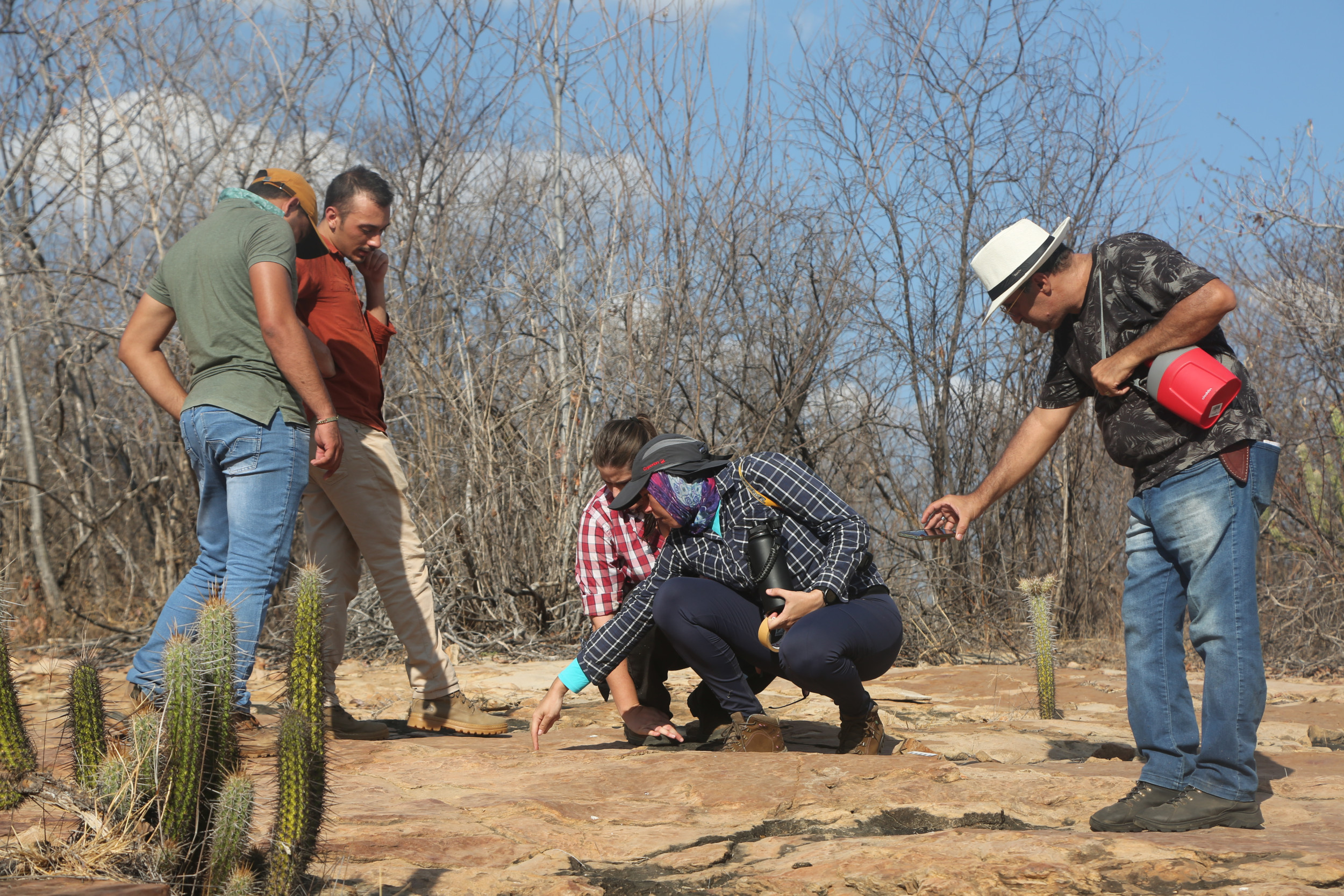
In northeast Brazil, a site called Serrote do Letreiro has revealed a rare combination of dinosaur footprints and ancient rock carvings, or petroglyphs, from the Early Cretaceous period. This unique discovery represents the first instance of such close proximity between petroglyphs and dinosaur tracks. The petroglyphs, created by pre-colonial humans, display a symbolic connection with the fossil record, suggesting an intentional incorporation of the dinosaur footprints into their cultural expression. The site's remarkable juxtaposition of paleontology and archaeology highlights the active engagement of pre-colonial Brazilians with the fossil record, emphasizing the need for conservation measures to protect this invaluable cultural heritage.
Researchers have discovered a unique site in northeastern Brazil, the Serrote do Letreiro Site, featuring prehistoric rock art and dinosaur footprints dating back about 140 million years. The site, characterized by an "outstanding juxtaposition" of paleontological and archaeological elements, includes footprints of various dinosaurs and petroglyphs. The study reveals a close relationship between the two, suggesting a link between the footprints and petroglyphs, possibly embedded in a ritualistic context. The findings challenge traditional views and demonstrate the cultural relevance of fossils, indicating that these fossils can now be recognized as Brazilian cultural heritage.
New research published in PNAS reveals that Neanderthals actively hunted and butchered straight-tusked elephants, as evidenced by cut marks on 125,000-year-old elephant bones found in Germany. The study suggests that this hunting was a regular activity, providing insights into Neanderthal behavior and challenging previous assumptions about group size and food storage. The researchers estimate that the yield from one elephant could have fed 2,500 Neanderthals, indicating the potential for larger group sizes or advanced food preservation techniques. Further research aims to uncover more about Neanderthal hunting methods and their impact on prey animals and the environment.
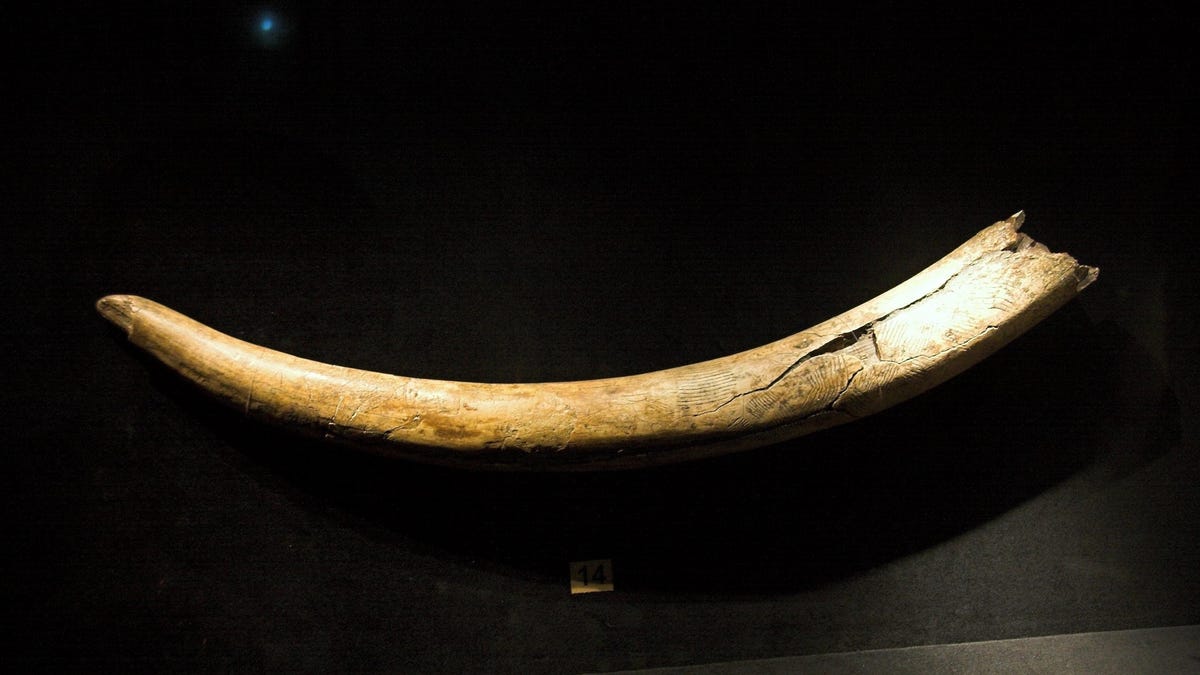
A 14,000-year-old mammoth tusk named Élmayųujey’eh has provided insights into the animal's life and its interaction with Ice Age humans in central Alaska. Analysis of isotopes in the tusk revealed the mammoth's migration from southeastern Beringia to the Swan Point archaeological site, where it likely died coinciding with the seasonal occupation of the area by humans. While there is no explicit evidence of human involvement in the mammoth's death, the site's collection of mammoth bones underscores the overlap between mammoths and humans during the Ice Age.
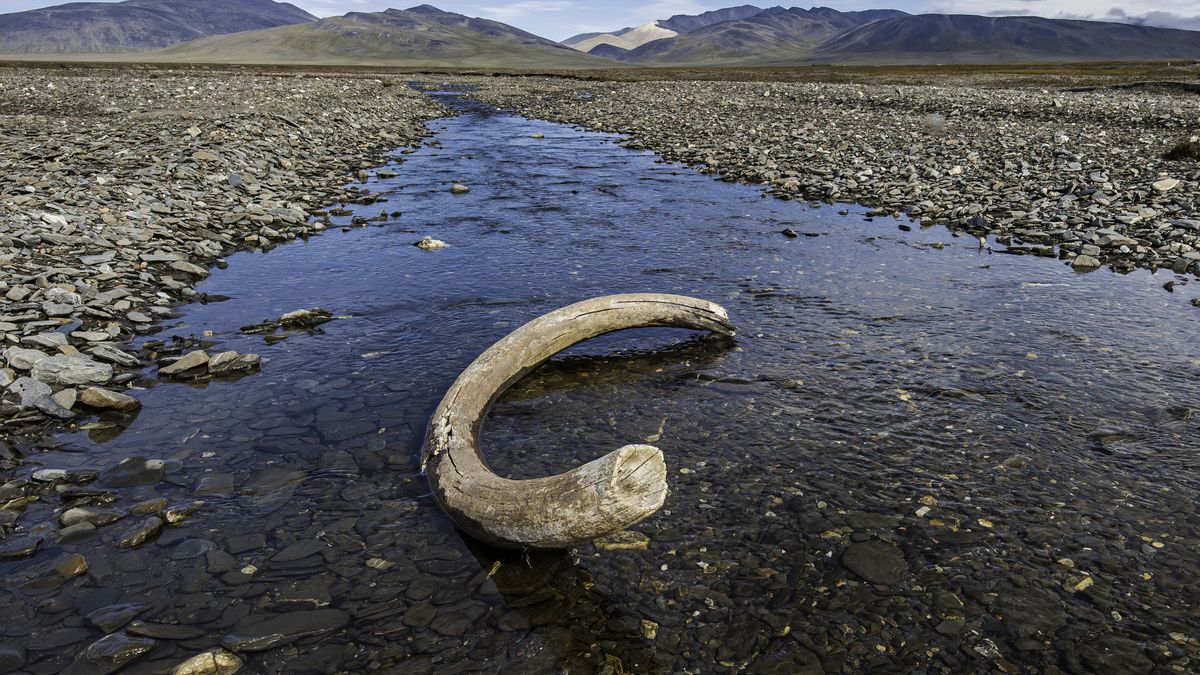
An 8-year-old girl in Russia discovered well-preserved mammoth leg bones and a prehistoric bison vertebra while fishing with her father along the Oka River. The bones, believed to be from a large adult mammoth that lived around 100,000 years ago, were found in an area where mammoths likely persisted until about 10,000 years ago. The discovery highlights Russia's rich fossil record and the importance of reporting such finds to scientific institutions.
An 8-year-old girl in Russia discovered well-preserved mammoth leg bones and a bison vertebra while fishing with her father along the Oka River. The bones, estimated to be around 100,000 years old, belonged to a large adult mammoth and a steppe bison. The region where the fossils were found was once inhabited by mammoths until about 10,000 years ago. Russia is known for its rich mammoth fossil deposits, particularly in Siberia. The Nizhny Novgorod Museum-Reserve encouraged others to report any fossil discoveries to scientific institutions to ensure their study and preservation.
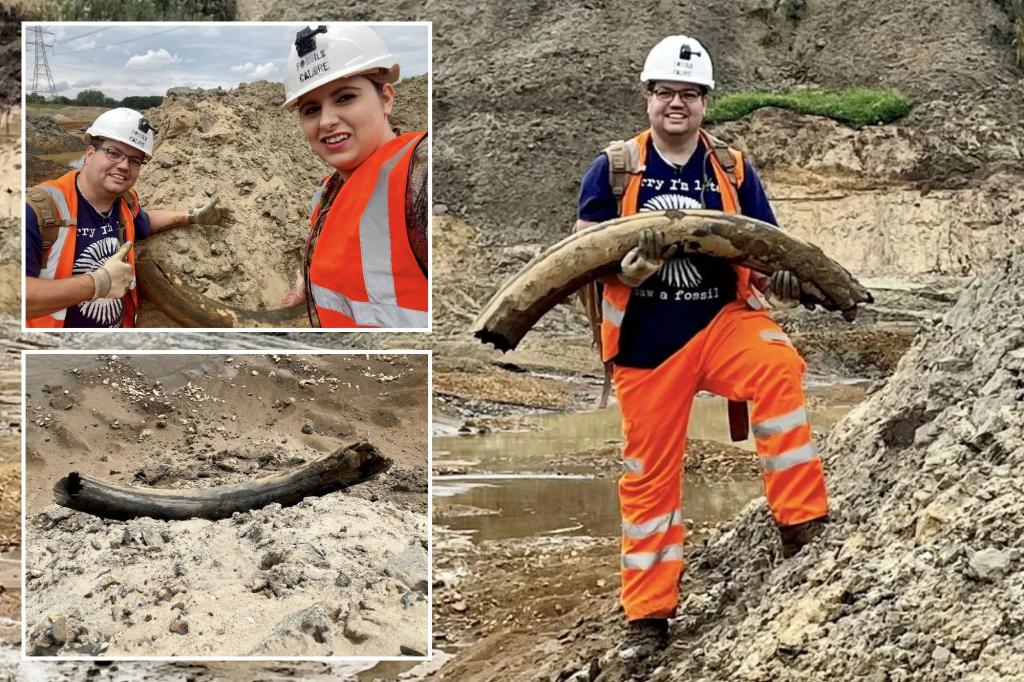
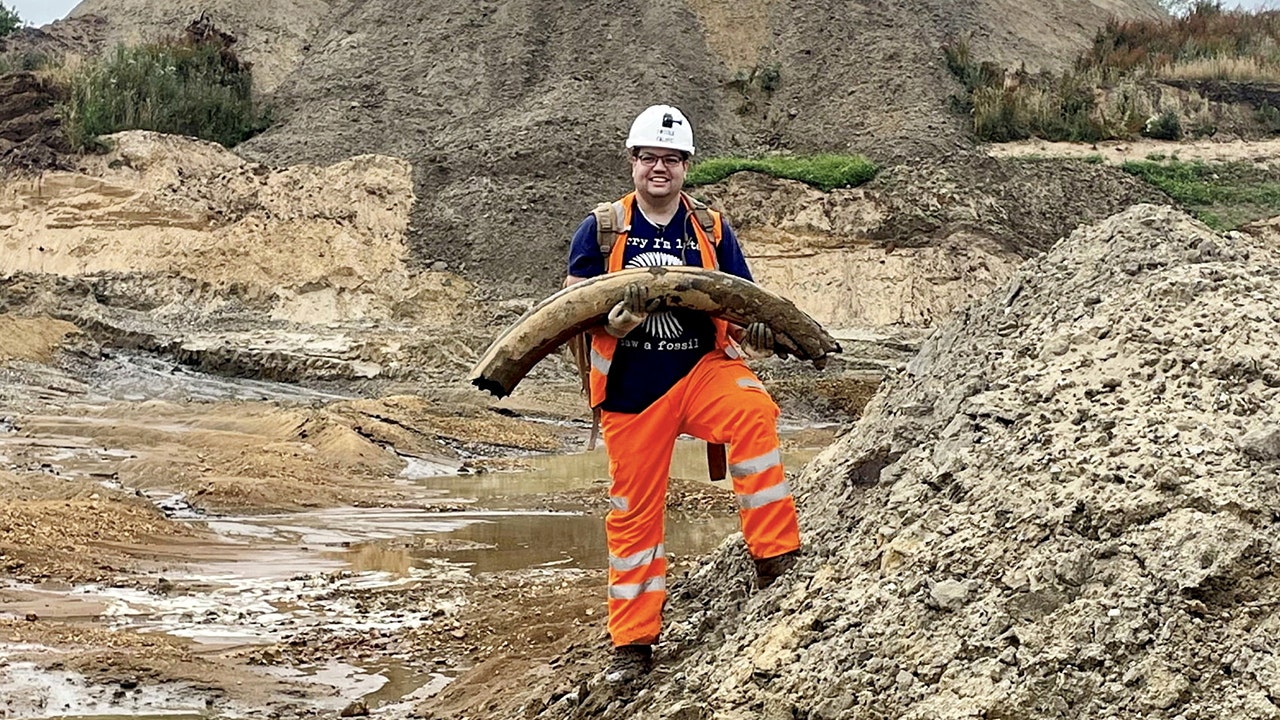
A fossil hunter discovered a 450,000-year-old mammoth tusk at a quarry in Cambridgeshire, England. The tusk, believed to belong to a steppe mammoth from before the last ice age, was found intact and is now being preserved at a paleontology museum. The museum plans to examine the tusk to learn more about the mammoth's life and habitat. The discovery adds to the museum's collection, which includes a skeleton of an iguanodon dinosaur and a plesiosaur. The museum also offers activities to educate families about paleontology and hopes to inspire future paleontologists.
A fossil hunter discovered a 450,000-year-old mammoth tusk sticking out of the ground at a quarry in Cambridgeshire, England. The tusk, believed to belong to a steppe mammoth from before the last ice age, measures four feet long. The fossil was taken to a paleontology museum for preservation and examination, where experts will study its habitat, food supply, and signs of predation. The discovery adds to the museum's collection, which includes a plesiosaur skeleton and an iguanodon dinosaur found in previous years.