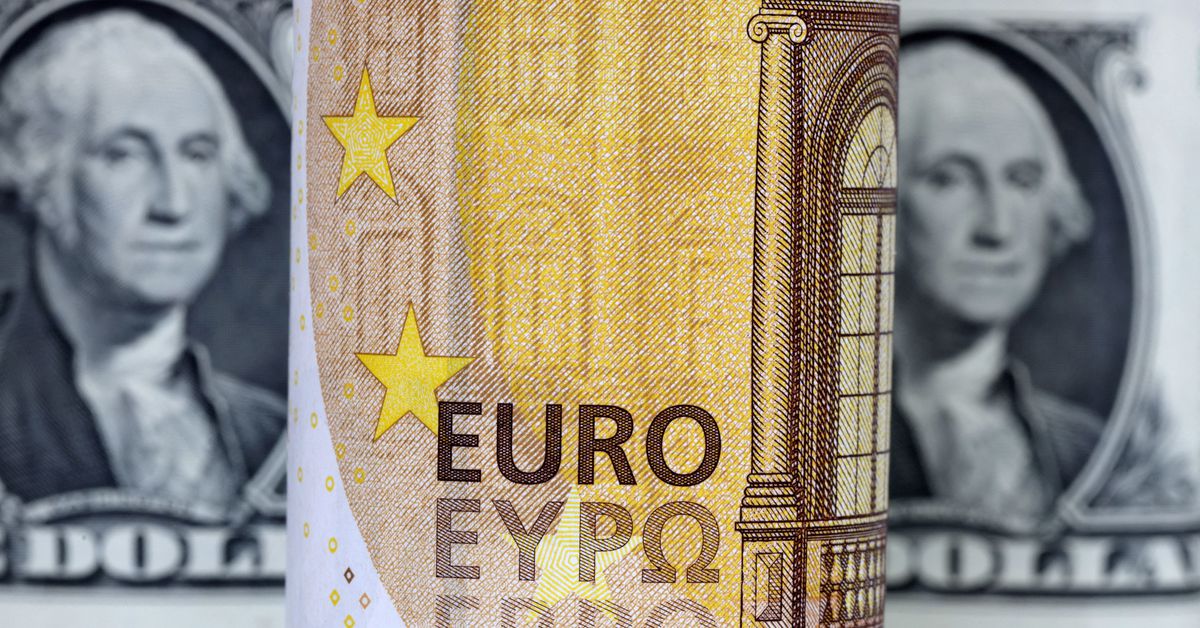
The US dollar strengthened to a near 1-week high against a basket of currencies as risk sentiment soured due to lackluster corporate results and rising US Treasury yields. Tech giant Alphabet's cloud division missing revenue estimates and the surge in US bond yields contributed to the decline in risk appetite. Meanwhile, benchmark US 10-year Treasury yields inched higher, nearing a 16-year peak. Analysts, however, see limited room for yields and the dollar to extend gains. The Australian dollar initially jumped on higher inflation readings but later erased gains, while the Canadian dollar weakened after the Bank of Canada forecasted weak growth and left the door open for more rate hikes. The Japanese yen remained near the 150 threshold, with pressure mounting on the Bank of Japan to change its bond yield control. Bitcoin also rose, fueled by speculation of an imminent exchange-traded bitcoin fund.
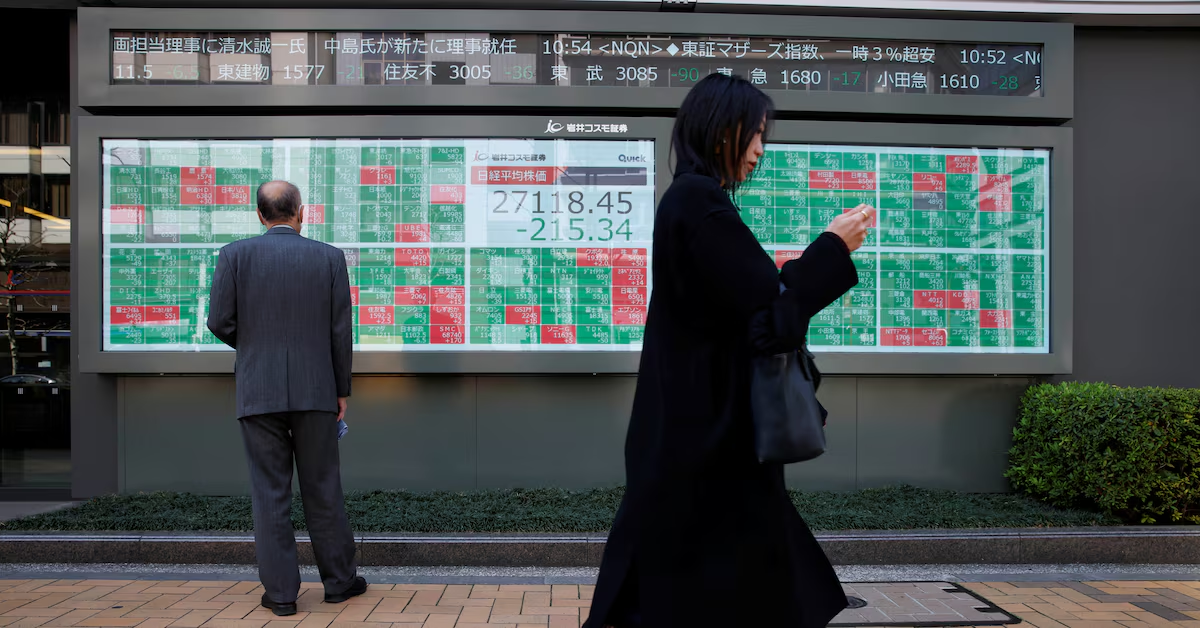
Asian markets are expected to open higher following a day of surprising gains across global markets, despite geopolitical tensions. Gold and oil saw significant increases, while the dollar weakened and Wall Street recovered losses. The rebound in risk sentiment was driven by comments from two Fed officials suggesting that the recent rise in long-term bond yields and tightening of financial conditions may mean the Fed is done raising rates. The IMF and World Bank annual meetings in Morocco begin, with key policymakers in attendance. Additionally, four U.S. Fed officials are scheduled to deliver speeches, which could impact market enthusiasm. China's property sector is also in focus as Country Garden, the country's largest private lender, may announce a restructuring plan for its offshore debt.
Global markets are expected to rally after US negotiators reached a tentative deal to resolve the debt crisis that has weighed on risk sentiment in recent weeks. US equity futures rose while Treasury counterparts retreated and the traditional haven yen dipped. The US dollar, which has benefited from angst around the statutory borrowing limit, edged lower against some risk-sensitive peers. Investors had flocked to safety in recent weeks as the so-called X-date rapidly approached. The prospect of a US default has been a boon for the dollar, with the greenback advancing against all of its G-10 peers this month. Treasury market investors have remained optimistic about the prospects for a debt deal, with swap traders now pricing in about a quarter-point rate hike over the next two Federal Reserve policy meetings, implying the central bank will be able to retain its focus on fighting inflation.
Bitcoin and other cryptocurrencies have slightly decreased in value ahead of the release of the monthly US jobs report, which will be a leading indicator of risk sentiment. Bitcoin has fallen less than 1% over the past 24 hours to near $27,900, but has surged 70% this year, leading to speculation of a new bull market.
J.P. Morgan's global markets strategy team warns that the recent rally in risk assets is irrational and driven by short squeeze and a decline in VIX. They predict a reversal in risk sentiment and the market re-testing last year's low over the coming months, with a drop of about 15% in the S&P 500 to around 3,500. The team believes that any decline in yields is not a sign that the Fed is about to bring a punch bowl for tech stocks, but rather a sign that recession probability has increased.
JPMorgan analysts have reiterated their cautious stance on US equities, stating that the market is too optimistic despite a rising interest rate environment, a major banking crisis, an oil shock, and a declining dollar. They believe that the risk sentiment will turn negative, ultimately pushing the market towards last year’s lows “over the coming months.” In this type of environment, investors should be underweight stocks and favor Defensives vs Cyclicals.