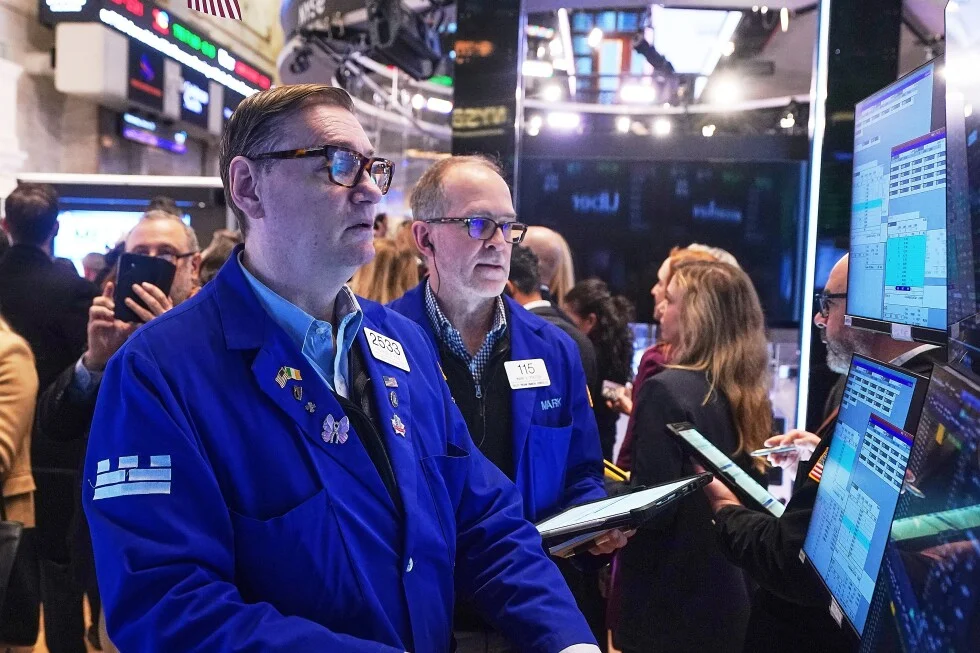
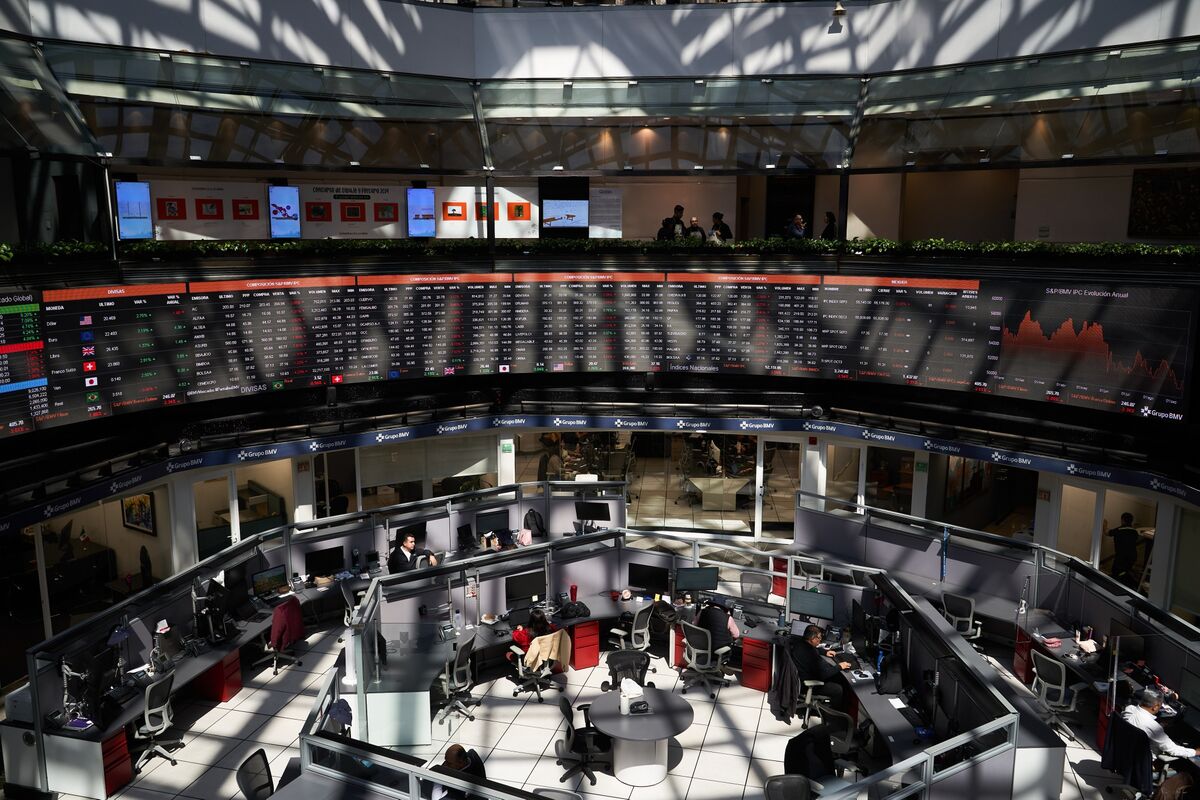
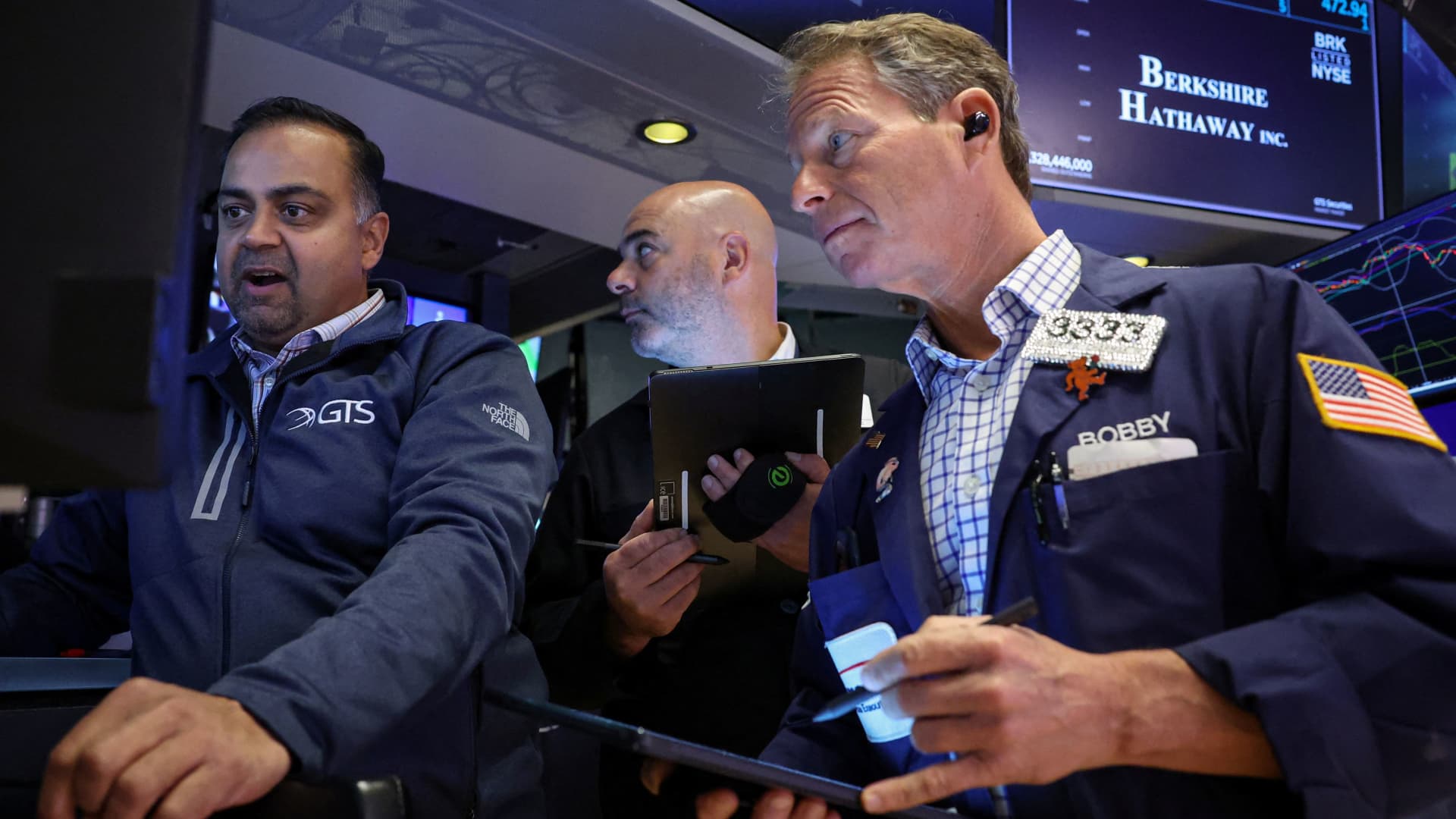
International markets have outpaced U.S. stocks early in 2026, with global benchmarks leading and international ETFs seeing record January inflows, fueling talk that a years-long shift away from U.S. dominance may be underway.
US tech stocks slid as AI concerns weighed on software and analytics names, with the Nasdaq down 2.2% and the S&P 500 off 1.4%. Gartner and S&P Global led the losses after Anthropic launched Claude Cowork tools to automate legal tasks, and others such as Intuit, Equifax, Moody’s and FactSet also fell, while European peers like Relx and London Stock Exchange Group dropped as AI demand cooled.
The dollar weakened to a four‑month low as reports of a coordinated move to bolster the yen surfaced, a development that could curb yen-carry trades and weigh on U.S. stocks, with the ICE dollar index around 96.85 and USD/JPY near 153–154 per dollar.
US stock futures rose, indicating a potential continuation of the seven-month rally driven by strong tech earnings and easing US-China trade tensions, despite mixed economic signals and geopolitical uncertainties. Commodities like gold and oil also saw movements influenced by policy changes and OPEC decisions, while markets await key central bank meetings and economic data amid ongoing US government shutdown concerns.
Global stocks continued their rally driven by AI-related optimism, with Asian markets led by tech firms and US benchmarks reaching new highs, while investors focus on earnings amid geopolitical developments and economic data. Gold retreated slightly from record highs, and currency markets saw the dollar and yen fluctuate amid speculation of intervention. China’s reopening after Golden Week showed cautious consumer spending, contrasting with enthusiasm for AI tech stocks. Major geopolitical news includes a potential breakthrough in Israel-Hamas negotiations and US export approvals for Nvidia chips, amidst ongoing tensions over rare earths.
Asian stocks are near record highs following a tech rally, with US markets also performing well amid expectations of a Fed rate cut, while Hong Kong faces weather disruptions from Typhoon Ragasa and China sees a slight pullback after a long rally. Investors are awaiting Fed signals and earnings season, with concerns over the Indian rupee's decline due to US tariffs and visa fee hikes.
A global stock rally faced setbacks after the Bank of Japan announced plans to sell ETFs, causing Asian shares to decline and raising concerns about market sustainability amid signs of potential rate hikes and geopolitical developments.
US stock futures declined after Nvidia's sales outlook missed expectations, raising concerns about slowing AI investment growth, while Chinese companies like Meituan faced losses amid fierce competition. Global markets showed mixed signals with declines in tech and Chinese stocks, a slight drop in the dollar, and bond yields fluctuating, reflecting cautious investor sentiment amid geopolitical and economic uncertainties.
US President Trump's tariffs are boosting international stock markets, leading to a reversal where global markets outperform the US for the first time since 2022, driven by valuation gaps, trade reforms, and changing earnings outlooks, with many investors viewing international stocks as more attractive amid trade uncertainties.
US stock futures dipped slightly after a strong quarter for the S&P 500, amid ongoing trade negotiations and political uncertainties. Investors are optimistic about upcoming earnings and potential Federal Reserve rate cuts, which are also influencing currency and bond markets. The euro is reaching a two-decade high against the dollar, reflecting cautious risk appetite ahead of key economic data and central bank meetings.
US and European stock futures rose amid progress in trade negotiations, with US stocks reaching new highs driven by optimism over trade deals and policy stability, while concerns over tariffs and fiscal policies continue to influence currency and bond markets.
US stock futures showed modest declines amid geopolitical tensions in the Middle East, with President Trump considering military action against Iran, which has heightened market uncertainty and driven oil prices higher. The market remains cautious as traders await further developments, with potential US involvement possibly pushing oil prices to $130-$150 per barrel and impacting global economic policies.
The 24X National Exchange, set to launch in the second half of 2025, aims to offer nearly 23-hour trading on business days, pending final regulatory approvals. This new stock exchange will initially operate from 4:00 a.m. to 7:00 p.m. ET on weekdays, with plans to extend trading hours from Sunday evening to Friday evening. The initiative is part of a broader trend towards extended trading hours, influenced by the constant trading nature of cryptocurrencies. The exchange will initially target the Asia Pacific region's demand for overnight liquidity in U.S. equities.
US equities are sliding amid concerns over potential escalations in Middle Eastern conflicts, prompting discussions among Wall Street experts about the market fallout. While some believe the pullback is a "buyable dip" due to strong earnings, others caution that geopolitical headwinds and rising yields could hinder further market growth. Historically, geopolitical events have led to initial selloffs followed by a rebound, prompting some investors to adopt a wait-and-see approach.