The US dollar edged higher against major currencies amid mixed signals on Federal Reserve interest rate policy, with some officials advocating for aggressive cuts and others emphasizing data-driven adjustments. Currency markets showed limited impact from recent geopolitical tensions, while the euro and pound experienced slight declines following softer inflation data in Europe and the UK. The Australian dollar reached over a one-year high, reflecting positive global sentiment, and overall market movements remained subdued amid ongoing economic data releases.
The US dollar is on track for its steepest annual decline since 2017, dropping 9.5% this year amid trade war fears and Federal Reserve interest rate cuts, with further weakening expected in 2026 as other central banks hold or raise rates; this has significant implications for global trade, investment, and currency markets.
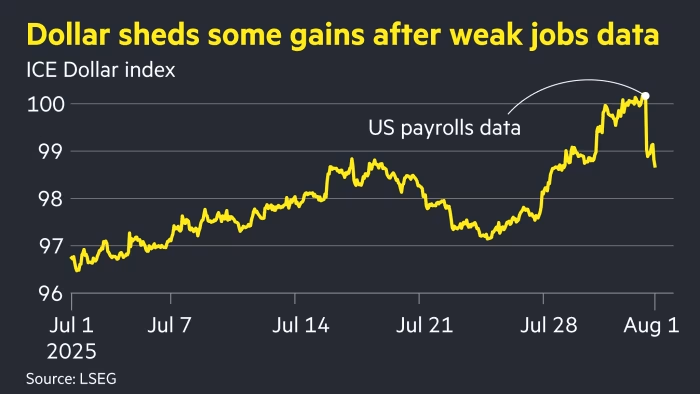
Weak US jobs data led to a sharp decline in the dollar after a brief rally, raising concerns about the US economy and potential Federal Reserve rate cuts, amid ongoing trade war tensions and political instability.
The US dollar reached its highest level in over five weeks amid expectations of strong economic data and a stable Federal Reserve policy, boosting the currency against other major peers and shifting market focus from trade uncertainties to US economic strength.
The euro and Mexican peso declined following U.S. President Trump's threat to impose a 30% tariff on EU and Mexican imports, but overall market reaction was muted, with traders viewing the move as a potential negotiation tactic. Trump also called for Fed Chair Powell to resign, adding to market tensions, while Chinese exports rebounded, and investors await key US and Chinese economic data.
The US dollar remains near multi-year lows as traders await the impact of President Trump's upcoming tariff increases, with concerns over trade negotiations and potential additional tariffs on BRICS nations influencing currency markets and investor sentiment.
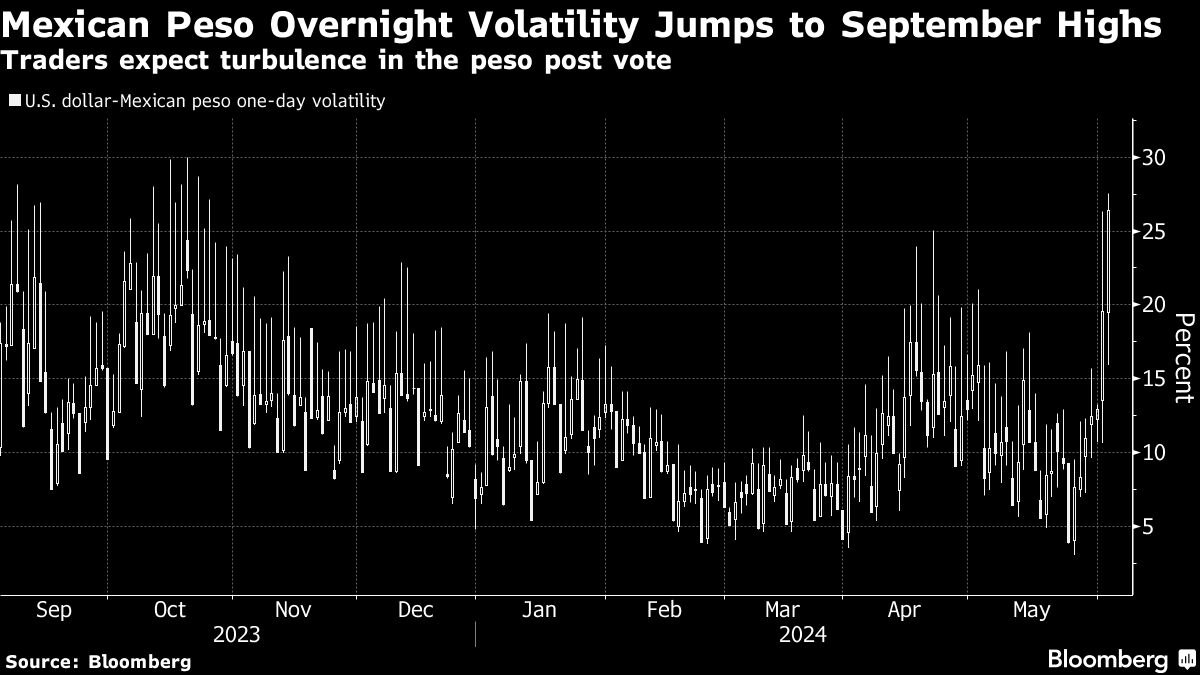
The Mexican peso fell sharply for a second consecutive session following a surprising landslide election victory by the ruling Morena party, raising investor concerns about potential constitutional changes and increased state interference in the economy. The peso dropped as much as 2.9% to 18.1936 per dollar, adding to a 3.8% loss on Monday, while Mexico's benchmark stock index sank 6.1%. Analysts suggest that market stabilization may occur if the new leadership, particularly Claudia Sheinbaum, reassures investors by avoiding major controversial changes.
Strong US retail sales data caused a market reaction, shaking the bond and currency markets as investors anticipated a potential shift in Federal Reserve policy. The surge in retail sales exceeded expectations, leading to concerns about inflation and the possibility of an earlier-than-expected interest rate hike by the Fed.
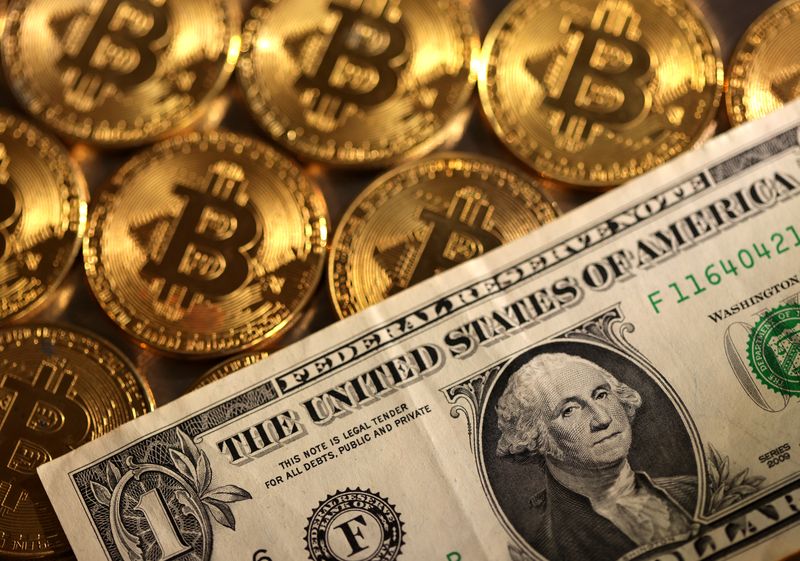
The US dollar softened as traders awaited Federal Reserve Chair Jerome Powell's congressional testimony and the European Central Bank's policy announcement, while bitcoin resumed its rally after falling from a record high. The dollar slipped after data showed a slowdown in US services industry growth, and markets are pricing in around 90 basis points of easing from both the Fed and ECB this year. Meanwhile, the yen strengthened amid reports of potential rate lifts by the Bank of Japan, and the Australian dollar recovered despite weak GDP data. Additionally, bitcoin surged to a record high before retreating, while Ether also saw a significant increase.
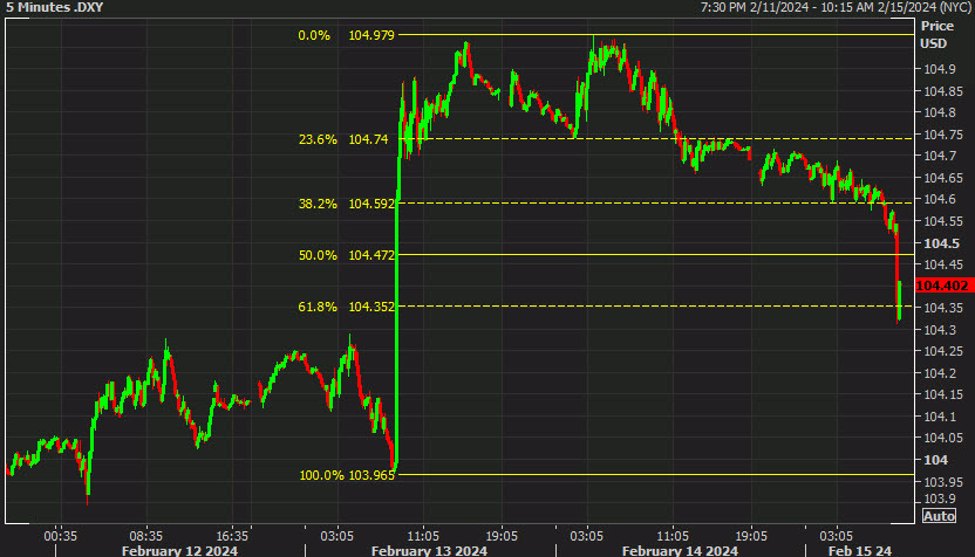
The US dollar has retreated most of its gains following soft retail sales, dropping below the 61.8% retracement level. Other currencies like the Australian and New Zealand dollars have fully recovered, while the pound remains weak. The yen is facing its own challenges amid uncertainty about rate hikes. Market pricing for the year is now at 100 bps after briefly falling to 90 bps post-CPI, with Waller's comments potentially influencing the significance of the CPI numbers.
The Australian dollar's recent strong performance may face challenges as inflation data expected this week could lead to earlier interest-rate cuts by the Reserve Bank, potentially impacting the currency's rally against the greenback.
The yen has fallen in the currency market after the Bank of Japan announced its decision to maintain negative interest rates, disappointing investors who were hoping for a shift in monetary policy. The central bank's decision comes as it continues to grapple with the economic impact of the COVID-19 pandemic.
The US dollar strengthened to a near 1-week high against a basket of currencies as risk sentiment soured due to lackluster corporate results and rising US Treasury yields. Tech giant Alphabet's cloud division missing revenue estimates and the surge in US bond yields contributed to the decline in risk appetite. Meanwhile, benchmark US 10-year Treasury yields inched higher, nearing a 16-year peak. Analysts, however, see limited room for yields and the dollar to extend gains. The Australian dollar initially jumped on higher inflation readings but later erased gains, while the Canadian dollar weakened after the Bank of Canada forecasted weak growth and left the door open for more rate hikes. The Japanese yen remained near the 150 threshold, with pressure mounting on the Bank of Japan to change its bond yield control. Bitcoin also rose, fueled by speculation of an imminent exchange-traded bitcoin fund.
JPMorgan analysts predict that Japan's threshold for intervening in the currency market to weaken the yen will likely be around 150 yen per dollar. They believe that the Ministry of Finance (MoF) will not intervene at the current level of 145 yen per dollar, and their threshold for intervention is slightly higher. The analysts also note that the Japanese economy has been improving, reducing the need for intervention compared to previous cases.