UW Health in Wisconsin will implement mandatory masking requirements from November 11 to mid-March in high-risk areas such as cancer clinics and emergency departments to protect against respiratory viruses like COVID-19 and influenza. Masks are strongly recommended in other patient care areas. This annual protocol aims to prevent illness spread and ensure healthcare providers remain available for patient care. UnityPoint Health – Meriter will maintain similar masking policies in its facilities.
The US is adapting to a new normal for respiratory virus season, complicated by Covid-19. Despite improved planning and forecasting, there were still significant severe outcomes, with low vaccination rates for both Covid-19 and flu. Challenges in accessing vaccines and shifting perceptions have contributed to this, highlighting the need for effective communication and collaboration in public health efforts. Coordination and vigilance in tracking factors have helped hospitals manage the unpredictability, but there is still much to learn about the trajectory of respiratory virus seasons in the US.
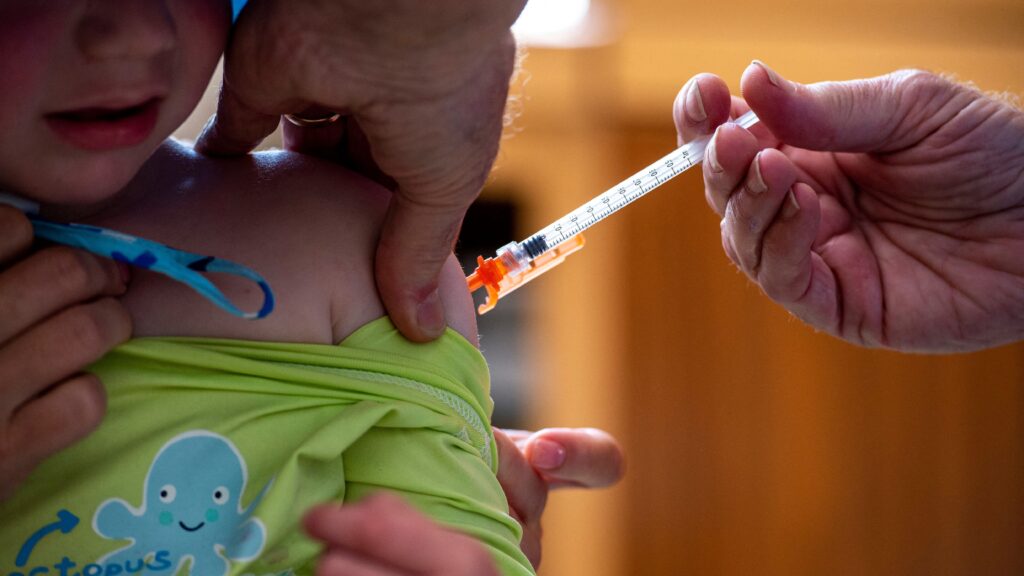
The US Centers for Disease Control and Prevention (CDC) has expressed concern over the low COVID-19 vaccination rates, with only 15% of adults and 5% of children having received the latest vaccine. As respiratory virus season ramps up, the CDC warns that low vaccination rates are leaving many at risk. COVID-19 hospitalizations are on the rise, and the CDC emphasizes the importance of getting vaccinated to reduce the severity of the virus. Flu and RSV levels are also increasing, with most respiratory virus hospitalizations being among people with COVID-19. The CDC urges older adults and high-risk populations to get vaccinated, highlighting racial and ethnic disparities in vaccination rates.
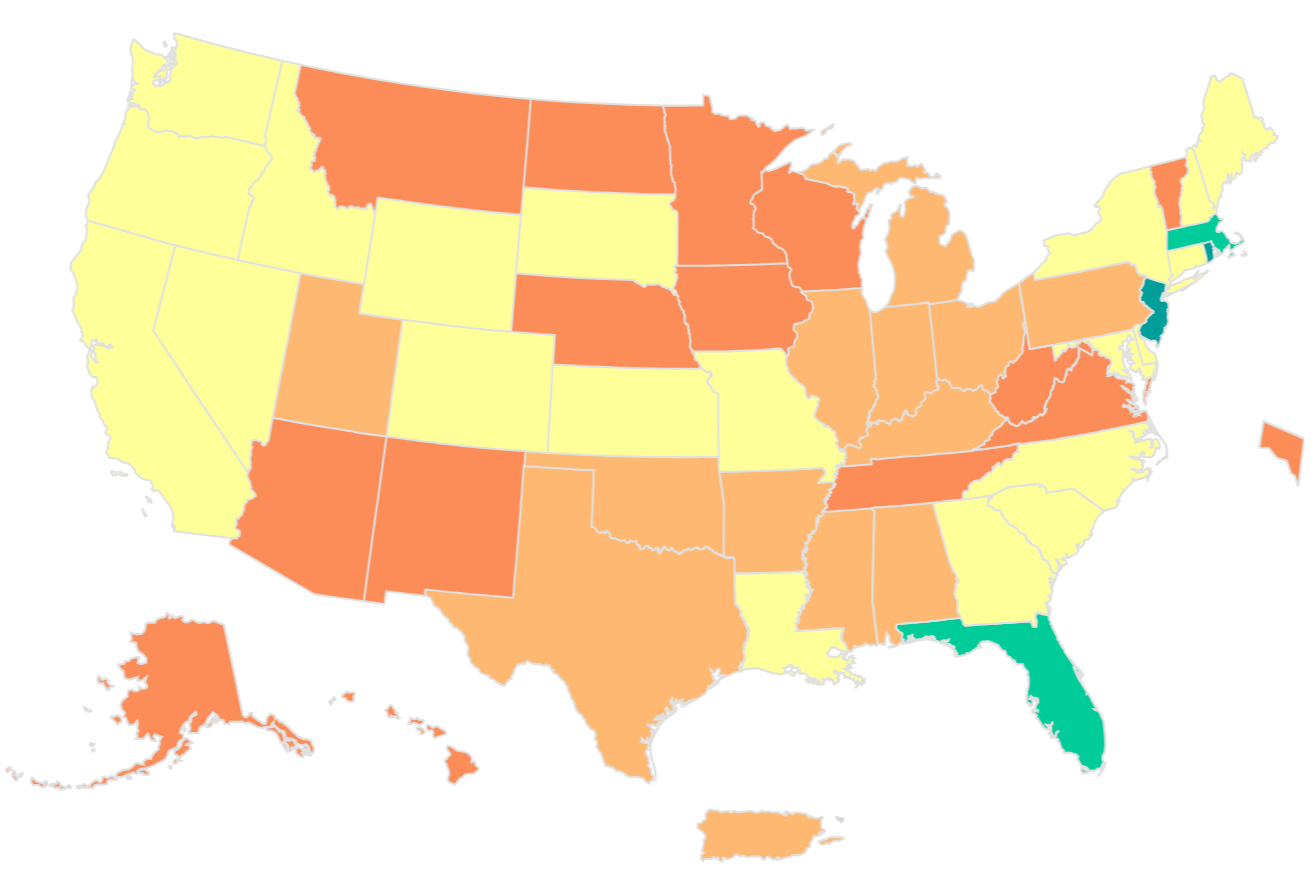
Fourteen U.S. states, primarily in the upper Midwest, parts of the South Atlantic, and southern Mountain regions, have experienced a significant increase in COVID-19 hospitalizations compared to the previous week, according to new maps from the CDC. The rise in hospitalizations is expected as colder weather and lower immunity during the winter months contribute to increased virus spread. While hospitalizations have remained stable since September, they are still well below the peak levels seen earlier this year. Vermont, Iowa, and Alaska have seen the highest increases in hospitalizations, while Florida and Massachusetts have experienced moderate decreases.
As the respiratory virus season begins, the CDC recommends that everyone 6 months and older get vaccinated against both influenza and COVID-19. For COVID-19, there are updated vaccines available from Pfizer-BioNTech, Moderna, and Novavax, with different dosing recommendations based on age and previous vaccination status. The CDC recommends the standard quadrivalent flu vaccine for most individuals, with special recommendations for those aged 65 and older. There are ongoing clinical trials for new flu and COVID-19 vaccines, including a potential combination vaccine. Health officials stress the importance of getting vaccinated and note that it's never too late to receive the flu shot.
Starting November 1, Bay Area counties in California, including Santa Clara, Alameda, San Mateo, Contra Costa, and Sonoma, will implement masking mandates in health care settings due to the onset of the winter respiratory virus season. This requirement applies to patients, caregivers, and health care providers in hospitals, clinics, and long-term care facilities. Health officials advise checking stocks of rapid COVID tests and encourage individuals to get vaccinated against COVID-19, flu, and RSV.
Experts warn that the upcoming respiratory virus season in the United States could be challenging, with hospitals expected to face strain similar to last year. The season is projected to see a significant number of hospitalizations due to Covid-19, flu, and respiratory syncytial virus (RSV). While respiratory virus levels are currently low, experts emphasize the importance of getting vaccinated to stay healthy and reduce the burden on the healthcare system. Vaccines are now available to protect against all three major respiratory viruses, and it is recommended that everyone aged 6 months and older get the Covid-19 and flu vaccines. The CDC advises getting the flu vaccine before the end of October. Vaccination uptake remains uncertain, but it is crucial for preventing severe illness and hospitalizations during the upcoming season.
Infectious diseases expert Dr. Thomas Russo has noticed a rise in positive Covid-19 cases in Western New York, referring to it as a "Covid creep." While hospitalizations have increased, they remain low compared to previous years, and fewer people are getting severely ill. Some hospitals, like Roswell Park Comprehensive Cancer Center, have reinstated mask requirements in anticipation of the colder months and the typical respiratory virus season. Other hospitals are monitoring the situation but have not implemented mandatory masking. Experts recommend getting vaccinated, getting the flu vaccine, and taking precautions in poorly ventilated indoor settings.
A dozen states in the US have experienced a substantial increase in COVID-19 hospitalizations, with Connecticut seeing the highest rise at 36%. However, overall hospitalizations have started to drop in recent weeks. The CDC has warned that even though rates seem to be plateauing, the upcoming fall respiratory virus season could lead to an increase in hospitalizations. The agency has urged everyone, including babies as young as 6 months, to get vaccinated. The FDA recently approved updated COVID-19 vaccines from Moderna and Pfizer. Amid a messy rollout, with reports of patients being charged high prices for the vaccine, the Health and Human Services Secretary has called for alignment in the goal of getting everyone vaccinated. Vaccines will remain free for most US residents, and coverage denials are being addressed by the government.
As the fall season begins, respiratory virus season is upon us, with COVID-19 cases on the rise and the flu and respiratory syncytial virus (RSV) still to come. Vaccines for all three viruses are now available, offering hope for preventing severe illness and death. While COVID-19 cases have increased, the severity of individual cases has decreased due to immunity from vaccinations and previous infections. Flu and RSV are expected to peak at different times during the winter months. Vaccination against COVID-19, flu, and RSV is crucial in preventing hospitalizations and deaths. It is recommended to get vaccinated by the end of October and to wear masks in crowded indoor spaces, especially for high-risk individuals. If experiencing symptoms, it is advised to stay home, rest, and seek medical advice if necessary. The impact on the healthcare system is uncertain, but experts are hopeful that it will not be as strained as in previous years.
The Centers for Disease Control and Prevention (CDC) predicts that this year's respiratory virus season, including COVID-19, RSV, and influenza, will impact the healthcare system similarly to last year. The CDC's modeling forecasts two possible scenarios: moderate flu and RSV activity with staggered peaks, or severe flu and RSV activity with overlapping peaks. The emergence of COVID-19 has added strain to the healthcare system during the typical "cold and flu season." Vaccines for all three major respiratory viruses will be available this fall, and higher vaccination rates can help reduce hospitalizations and strain on hospitals.
Early data from South America shows that the flu vaccine has reduced the risk of hospitalization by 52% this year, providing hope that it will offer similar protection in the United States as it enters its own respiratory virus season. The data, based on about 3,000 hospitalized patients, indicate that the vaccine is effective in high-risk groups. The specific virus strains detected in the US align with those in South America, suggesting a positive outlook for vaccine protection in the Northern Hemisphere. While Covid-19 remains dominant, the CDC warns of rising RSV and flu levels in the fall. The CDC recommends flu shots for everyone 6 months and older, and is launching a campaign to increase confidence in the vaccine.
Doctors are predicting another difficult respiratory virus season in Colorado, with flu, COVID-19, and respiratory syncytial virus (RSV) expected to circulate simultaneously. Based on the activity in the Southern Hemisphere, where an upsurge in COVID-19 was followed by flu and RSV, doctors are concerned about a similar pattern occurring. Last year saw a significant increase in RSV cases, particularly among children. To prepare, new flu shots will be available in September, a new COVID-19 vaccine targeting the most current variant will be available in October, and a new RSV vaccine for adults over 60 and pregnant women in their third trimester will also be available in October.
U.S. health officials from the CDC and FDA outlined their plans to combat the upcoming respiratory virus season, including Covid-19, influenza, and RSV. They emphasized the availability of vaccines for all three viruses, with the rollout expected to begin by mid-September. The updated Covid vaccines, targeting a single strain of the SARS-CoV-2 virus, are awaiting FDA clearance. Older adults and immunocompromised individuals may receive a second dose, and a spring booster policy is likely to continue. New tools to combat RSV, including vaccines for older adults and a monoclonal antibody for newborns, have been approved. The availability of Covid tests will continue, with supplies being distributed to various locations.
As the fall and winter respiratory virus season approaches, the U.S. will have new tools to combat COVID-19, respiratory syncytial virus (RSV), and flu. Boosters targeting the XBB strain of COVID-19 are expected to be available by the end of September, with Pfizer, Moderna, and Novavax developing them. Two RSV vaccines for older people have received FDA approval, but the CDC advises discussing risks and benefits with doctors due to potential side effects. A preventive RSV treatment called Beyfortus, a monoclonal antibody, has been cleared for use in infants and high-risk toddlers. However, its availability and cost may pose challenges.