Tag

Respiratory Syncytial Virus Rsv

All articles tagged with #respiratory syncytial virus rsv

"Prioritize the Basics: Safeguard Your Holiday Plans from COVID and Flu"

Originally Published 2 years ago — by National Geographic

Featured image for "Prioritize the Basics: Safeguard Your Holiday Plans from COVID and Flu"
Source: National Geographic

As the holiday season approaches, experts advise taking precautions to protect against COVID-19, flu, and respiratory syncytial virus (RSV). Vaccines are available for all three respiratory diseases, and while they may not prevent infection entirely, they significantly reduce the risk of severe illness. Basic measures like handwashing, surface cleaning, and maintaining distance from others are still important. Masking is an individual decision, but well-fitting N95 masks can provide protection. Home antigen testing may not be reliable, but testing when symptomatic is recommended. Overall, it is crucial to prioritize the health and safety of oneself and others during the holiday season.
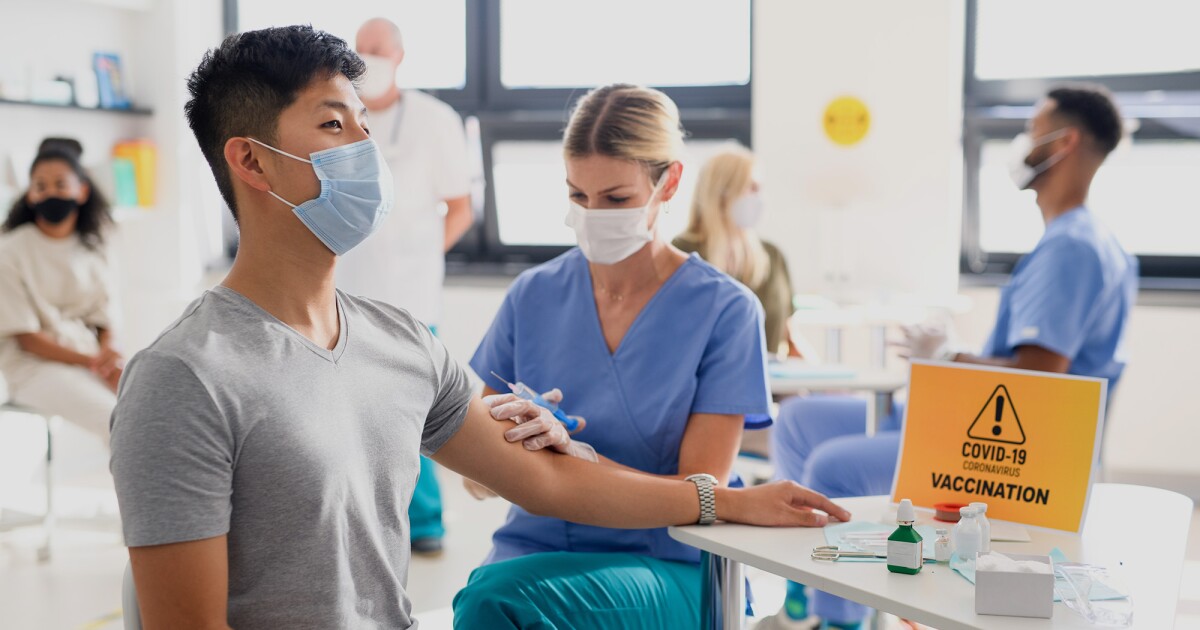
Surge in COVID, Flu, and RSV Cases Overwhelms ERs and Health Officials

Originally Published 2 years ago — by The Washington Post

Featured image for Surge in COVID, Flu, and RSV Cases Overwhelms ERs and Health Officials
Source: The Washington Post

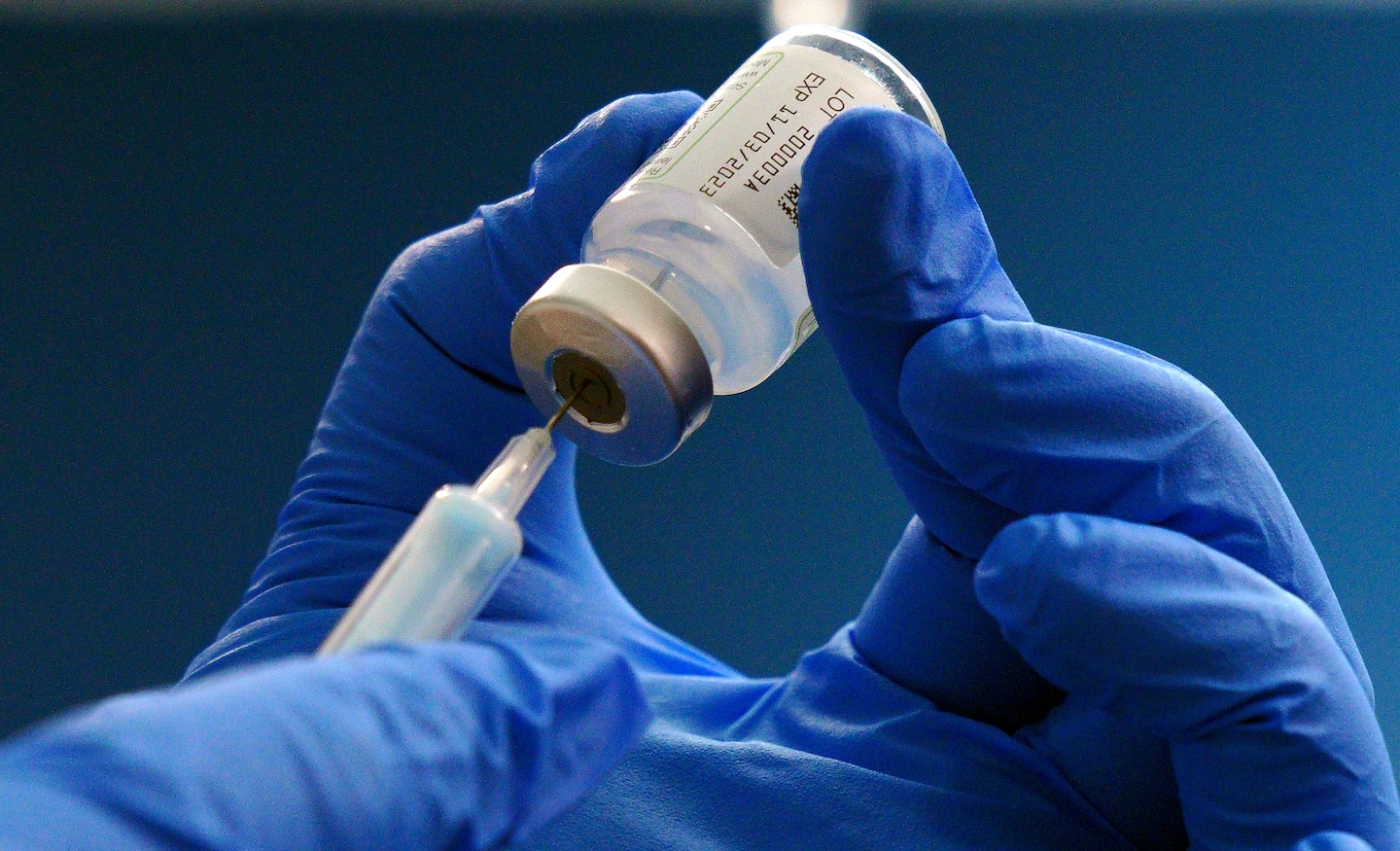
As the end-of-year holidays approach, the United States is seeing a rise in respiratory viruses, including Covid-19, influenza, and respiratory syncytial virus (RSV), leading to increased emergency room visits. Covid-19 remains the primary driver of hospitalizations, with over 22,000 new admissions reported in the week ending December 2. While hospitals are not currently facing capacity issues, public health officials urge vigilance. The toll of respiratory viruses varies across the country, with the Sun Belt, New York City, and New Jersey experiencing high levels of illness. Vaccination, regular hand washing, ventilation, and mask-wearing are recommended preventive measures. Vaccine uptake remains low, particularly for RSV and Covid-19 shots. The JN.1 variant is spreading quickly but does not pose a greater threat of serious illness or render the new vaccine ineffective. Some hospitals are still experiencing strain, with the RSV season overlapping with other winter respiratory viruses.

Vaccine Shortages Impact Fall/Winter Immunizations for Children

Originally Published 2 years ago — by Spokane Public Radio

Featured image for Vaccine Shortages Impact Fall/Winter Immunizations for Children
Source: Spokane Public Radio

Vaccination rates for COVID-19 and flu in Washington state are lower this year compared to last year, with just 13 percent of the population receiving the COVID-19 booster shot. All age groups are lagging behind ideal vaccination rates, although those aged 65 and older have higher rates. Additionally, supplies of infant doses for the Respiratory Syncytial Virus (RSV) shot are low, making it difficult for parents to immunize their children. Less than 13 percent of eligible adults in the state have received an RSV shot.

RSV Cases Surge, Putting Children's Hospitals Under Pressure

Originally Published 2 years ago — by The Irish Times

Featured image for RSV Cases Surge, Putting Children's Hospitals Under Pressure
Source: The Irish Times

Children's hospitals are facing increased pressure as cases of respiratory syncytial virus (RSV) have risen by 36% in a week. Last week, almost 300 people were hospitalized with RSV, with the majority of cases being children aged up to 14. Hospitalizations due to RSV are at levels similar to last winter. The low uptake of vaccines, including those for RSV, is a concern and the inclusion of RSV vaccines in the immunization program is being considered. COVID-19 infections remain stable, while flu infections remain low and stable.

"Stay Healthy: A Guide to Surviving Sick Season"

Originally Published 2 years ago — by Boston.com

Featured image for "Stay Healthy: A Guide to Surviving Sick Season"
Source: Boston.com

As we enter the first COVID winter season post-public health emergency, two local doctors provide guidance on navigating this sick season. Hospitalization numbers might look better this year due to new vaccinations and some patient immunity from past infections. It's important to remember that cold and flu season is not new, and simple actions like masking up and practicing good hygiene can still be effective. In addition to COVID and the flu, respiratory syncytial virus (RSV) should also be considered, especially for babies and older adults. Vaccines are available for all three viruses, and it's recommended to get vaccinated now.

Preparing for the Triple Threat: Navigating the Respiratory Virus Season in Mass.

Originally Published 2 years ago — by WBUR News

Featured image for Preparing for the Triple Threat: Navigating the Respiratory Virus Season in Mass.
Source: WBUR News

As the fall season begins, respiratory virus season is upon us, with COVID-19 cases on the rise and the flu and respiratory syncytial virus (RSV) still to come. Vaccines for all three viruses are now available, offering hope for preventing severe illness and death. While COVID-19 cases have increased, the severity of individual cases has decreased due to immunity from vaccinations and previous infections. Flu and RSV are expected to peak at different times during the winter months. Vaccination against COVID-19, flu, and RSV is crucial in preventing hospitalizations and deaths. It is recommended to get vaccinated by the end of October and to wear masks in crowded indoor spaces, especially for high-risk individuals. If experiencing symptoms, it is advised to stay home, rest, and seek medical advice if necessary. The impact on the healthcare system is uncertain, but experts are hopeful that it will not be as strained as in previous years.

CDC Advises Pfizer Maternal RSV Vaccine for Infant Protection Amid Tripledemic Threat

Originally Published 2 years ago — by CNBC

Featured image for CDC Advises Pfizer Maternal RSV Vaccine for Infant Protection Amid Tripledemic Threat
Source: CNBC

The Centers for Disease Control and Prevention's advisory panel has recommended Pfizer's maternal vaccine, Abrysvo, to protect infants from respiratory syncytial virus (RSV), the leading cause of hospitalization among babies in the U.S. The vaccine is to be administered to expectant mothers between 32 to 36 weeks into their pregnancy during September through January. The recommendation is pending approval from CDC Director Mandy Cohen. Pfizer's vaccine is the first RSV treatment to use maternal immunization, providing infants with protection against the virus from birth through the first six months of life. The panel's recommendation comes as RSV begins to spread at higher levels, and public health officials hope the vaccine will help combat the virus this fall and winter.

"Preparing for the Tripledemic: Essential Steps to Stay Healthy this Winter"

Originally Published 2 years ago — by New York Post

Featured image for "Preparing for the Tripledemic: Essential Steps to Stay Healthy this Winter"
Source: New York Post

The Centers for Disease Control and Prevention (CDC) is warning of a potential "tripledemic" of COVID-19, respiratory syncytial virus (RSV), and the seasonal flu, which could overwhelm healthcare facilities. To prevent this, the CDC recommends taking advantage of available tools, including COVID-19 booster shots, FDA-approved RSV vaccines, and the highly effective flu vaccine. However, concerns remain about vaccine uptake, with misinformation and vaccine hesitancy posing challenges. Urging people to get vaccinated has been more successful among certain demographics, highlighting existing inequities. The urgency and public outreach efforts seen during the early days of the pandemic have waned, leading to complacency and "COVID fatigue." Additionally, COVID-19 vaccines are no longer fully covered by the federal government, potentially impacting the 30 million uninsured Americans. Vulnerable communities, such as nursing homes and prisons, have shown low vaccine rates. Experts recommend getting flu vaccines for everyone aged 6 months and older, ideally in September or October, and it is possible to receive the flu and COVID-19 vaccines simultaneously. The RSV vaccine is recommended for high-risk groups, such as individuals over 60.

COVID-19 Booster Shot: To Wait or Not to Wait?

Originally Published 2 years ago — by The Washington Post

Featured image for COVID-19 Booster Shot: To Wait or Not to Wait?
Source: The Washington Post

As summer comes to a close, there is a rise in COVID-19 cases, with a new variant causing an increase in hospitalizations and other illnesses like the flu and respiratory syncytial virus (RSV). Health reporter Fenit Nirappil discusses the latest on vaccine recommendations and how to protect ourselves and those most at risk.

FDA Approves RSV Protection for Infants and Toddlers

Originally Published 2 years ago — by CNBC

Featured image for FDA Approves RSV Protection for Infants and Toddlers
Source: CNBC

The FDA has approved a shot developed by AstraZeneca and Sanofi called nirsevimab, which protects infants and toddlers against respiratory syncytial virus (RSV), the leading cause of hospitalization among babies in the U.S. This is the first shot approved to protect all infants against RSV, regardless of their health condition. Nirsevimab is administered as a single injection, providing a major advantage over the current monthly administration of palivizumab throughout the RSV season. The shot was found to be up to 75% effective at preventing lower respiratory tract infections and 78% effective at preventing hospitalization. The FDA did not identify any safety concerns, and the shot is expected to be discussed by CDC advisors in August for recommendations on administration and coverage under the Vaccines for Children program.

"Stay Protected: Essential Fall Vaccines Explained"

Originally Published 2 years ago — by Yahoo! Voices

Featured image for "Stay Protected: Essential Fall Vaccines Explained"
Source: Yahoo! Voices

As fall approaches, health officials are urging Americans to get vaccinated against the flu, COVID-19, and respiratory syncytial virus (RSV) to prevent a potential "tripledemic" of respiratory illnesses. The flu vaccine is recommended for everyone 6 months and older, while updated COVID-19 shots targeting the omicron variant are expected to be available. The new RSV vaccine is recommended for individuals aged 60 and older. Experts advise getting the vaccines in September or October to build immunity before the viruses resurge. While the safety of receiving all three vaccines simultaneously is still being studied, early data suggests no safety concerns.