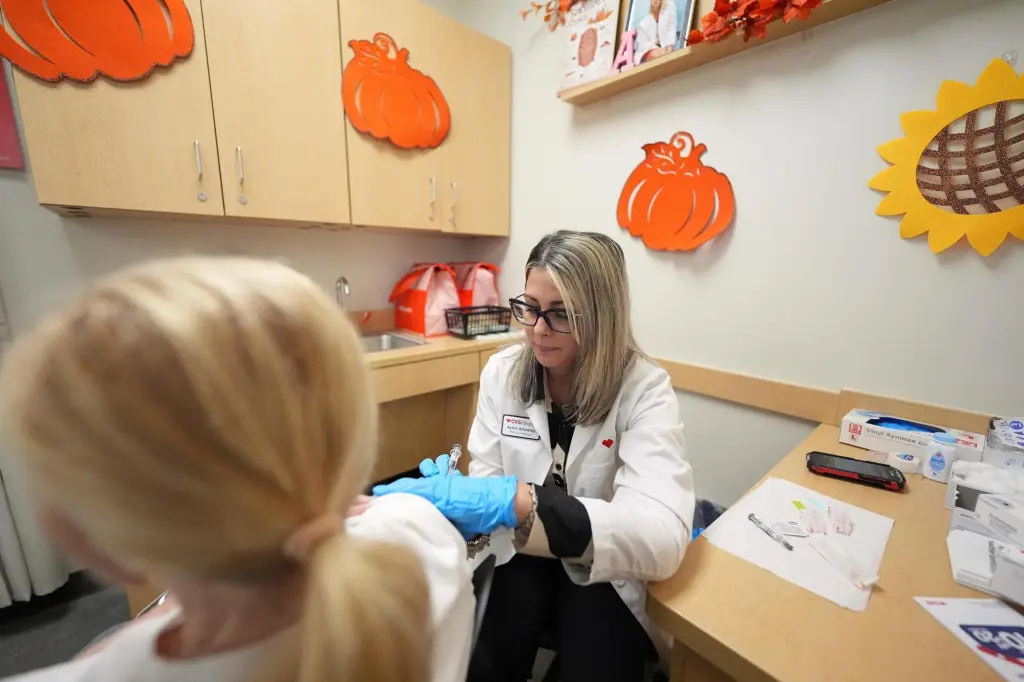
The US has officially adopted updated Covid vaccine recommendations, expanding access to children over six months, but persistent delays, misinformation, and logistical issues have hindered distribution, especially affecting vulnerable populations and missing key vaccination windows for children.
In 2025, updated COVID-19 vaccines will be available through drugstores with insurance coverage expected to continue, despite the CDC advisory committee not explicitly recommending them; individuals should check with their insurers and healthcare providers to confirm coverage and eligibility.
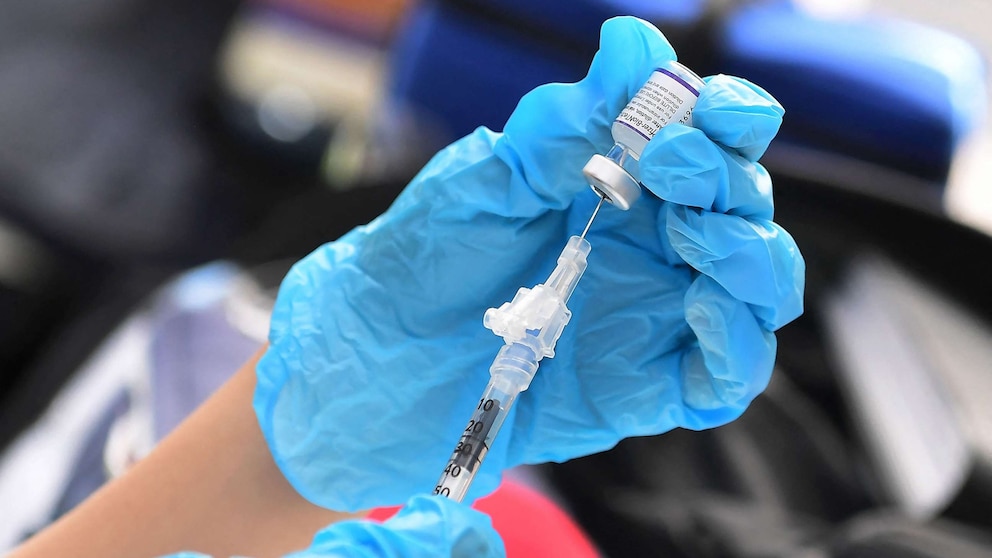
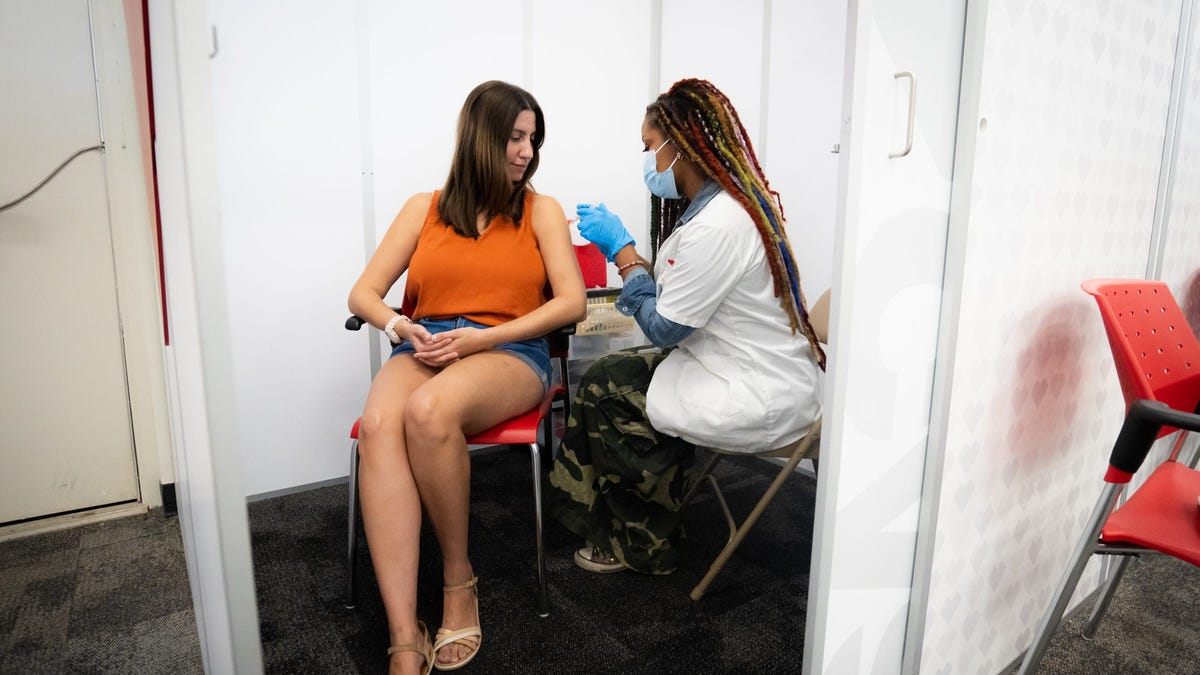
Drugstores are prepared to deliver updated COVID-19 vaccines this fall, with insurers planning to cover the costs despite the vaccines no longer being specifically recommended by a key government advisory committee. Coverage is expected through various programs including Medicaid, CHIP, and private insurance, with most major insurers continuing to cover the vaccine at no cost through 2026. Vaccinations are widely available at pharmacies like CVS and Walgreens, and eligibility now includes all individuals aged 6 months and older, with recent FDA approval for those 65 and older and high-risk groups. Patients are encouraged to check with their insurers and healthcare providers about coverage and eligibility.
Despite CDC advisers not explicitly recommending the updated COVID-19 shots this fall, insurers plan to continue covering them, and pharmacies are prepared to administer the vaccines to all eligible individuals, including those at high risk, with many options for access across the U.S.
The upcoming FDA approval of Covid vaccines for a limited high-risk group may lead to changes in insurance coverage, potentially resulting in copays or no coverage for the general public, depending on individual insurance policies and the timing of policy updates.
The article discusses six key alcohol rules recommended by nutritionists, emphasizing moderation according to CDC guidelines, the importance of hydration, not drinking on an empty stomach, avoiding replacing meals with alcohol, understanding binge drinking, and being mindful of why and how much one drinks, all within the context of promoting healthier drinking habits and awareness of alcohol's health risks.
Health and Human Services Secretary Robert F. Kennedy Jr. has stopped recommending routine Covid-19 vaccines for healthy children and pregnant women, sparking controversy and concerns about increased health risks and reduced vaccine access, especially for vulnerable groups like pregnant women and infants. Experts warn that this decision could undermine public health efforts and complicate vaccine coverage and affordability.
New research from the Yale School of Public Health suggests that most people will benefit from an annual COVID-19 vaccine, with certain groups potentially needing two vaccines a year. The study, published in the Annals of Internal Medicine, found that annual vaccination with a second dose for adults over 50 and children under 2 was linked to fewer hospitalizations, deaths, and healthcare spending. However, vaccination rates for the updated vaccine remain low, especially among children. Doctors recommend combining COVID and flu shots to increase vaccination rates, and individuals who are immunocompromised should consult their doctors for personalized vaccination schedules.
When traveling in Europe, responses to testing positive for COVID-19 vary by country, with recommendations rather than mandates in place. It's advised to follow local rules and minimize disease spread, while staying updated on destination health ministry websites. The CDC plans to update isolation recommendations, and sick travelers should separate themselves, monitor symptoms, and follow local guidelines. European travel planners suggest wearing masks, sticking to outdoor activities, and seeking medical help if needed, while considering travel insurance for potential medical care abroad.
As the respiratory virus season begins, the CDC recommends that everyone 6 months and older get vaccinated against both influenza and COVID-19. For COVID-19, there are updated vaccines available from Pfizer-BioNTech, Moderna, and Novavax, with different dosing recommendations based on age and previous vaccination status. The CDC recommends the standard quadrivalent flu vaccine for most individuals, with special recommendations for those aged 65 and older. There are ongoing clinical trials for new flu and COVID-19 vaccines, including a potential combination vaccine. Health officials stress the importance of getting vaccinated and note that it's never too late to receive the flu shot.
The U.S. Centers for Disease Control recommends that everyone aged six months and older receive an updated COVID-19 vaccine, regardless of previous vaccination status. The most vulnerable individuals, such as those aged 65 and older and immunocompromised individuals, will benefit the most from the booster shot. The vaccine is based on the XBB.1.5 variant and is effective against severe infections. It is safe to receive a flu vaccine at the same appointment. The COVID-19 booster is generally covered by health insurance, and free vaccines are available for the underinsured or uninsured through the federal Bridge Access Program. Experts are uncertain about the trend of respiratory virus cases in the upcoming fall and winter season, but increasing vaccination rates can help suppress the spread of COVID-19.
Health officials are urging everyone 6 months and older to get a flu vaccine to protect individuals and communities and prevent strain on healthcare systems. The flu shot is available at CVS, Walgreens, and other pharmacies. It is recommended to get vaccinated as soon as possible, as it takes two weeks for the vaccine to become effective. Common side effects include a sore arm, tiredness, and mild headache, but these usually resolve within a few days. There is a misconception that the flu shot can cause the flu, but it is an inactivated vaccine and cannot cause the illness. The COVID-19 booster shot can be taken alongside the flu shot, as both vaccines are safe to be given together. Appointments for flu shots can be scheduled online or through pharmacy apps, and most insurance plans cover the cost. Healthcare professionals are available to address any concerns or hesitations about vaccination.
According to a recent KFF poll, 52% of U.S. adults say they will "probably" or "definitely" not get the new COVID-19 vaccine. Among those who plan to get vaccinated, the majority are Democrats and/or at least 65 years old. The poll also revealed a partisan divide, with 70% of Democrats planning to get the vaccine compared to only 24% of Republicans. Additionally, more than half of parents say they will not give the vaccine to their children, despite CDC recommendations. The survey found that adults are more likely to get the flu shot and the new RSV vaccine than the COVID-19 vaccine.
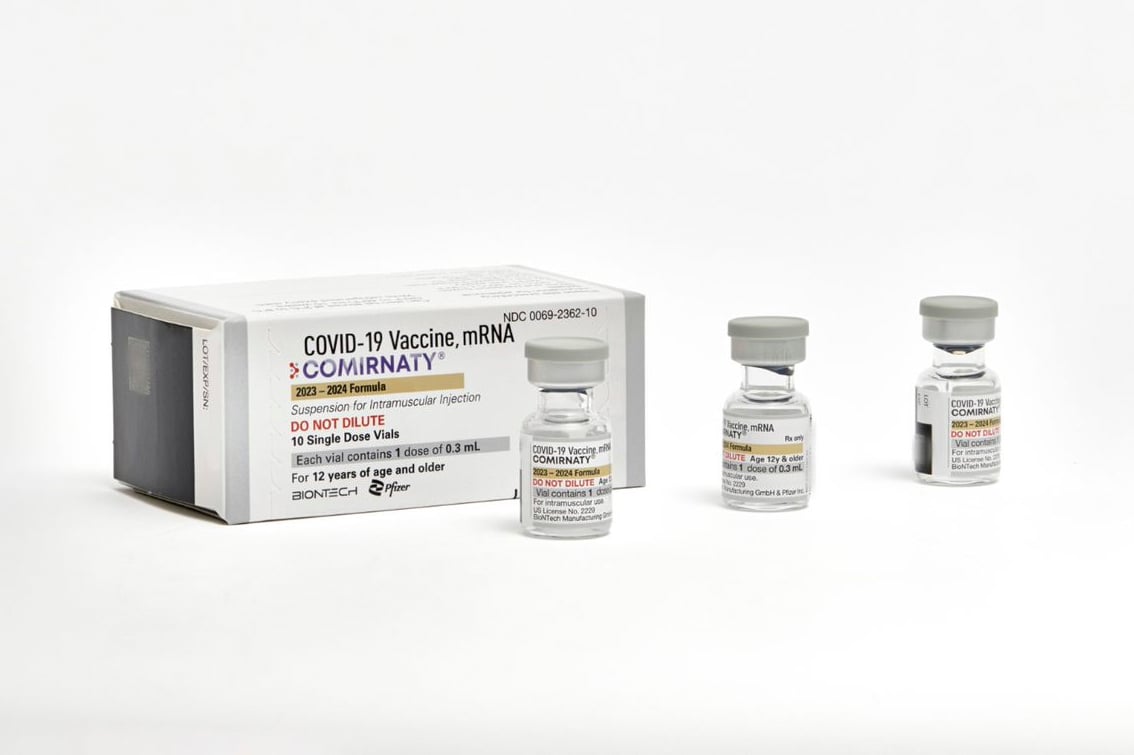
The U.S. Food and Drug Administration (FDA) has approved updated COVID-19 vaccines from Moderna and Pfizer-BioNTech, aiming to enhance protection against the latest coronavirus variants and mitigate a potential surge in the fall and winter. The decision allows most Americans, including those who have not received a prior COVID-19 vaccination, to access the updated shots. The Centers for Disease Control and Prevention (CDC) will issue recommendations on who should receive the updated vaccines, with vaccinations potentially starting later this week. The FDA is still reviewing an updated shot from Novavax. The new vaccines target the omicron variant and are expected to provide good cross-protection against currently circulating strains. The CDC will determine the strength of the recommendation for different groups, and the shots will be free for most Americans.
The US FDA has approved an antibody injection called Nirsevimab to protect newborns from respiratory syncytial virus (RSV), while two new RSV vaccines have been approved for adults aged 60 and older. The CDC is also considering an RSV vaccine for expectant individuals. RSV is a common virus that can cause severe symptoms and hospitalizations, particularly in young children and older adults. The vaccines for older adults have shown high effectiveness and durability, with availability expected by the end of July. The RSV vaccine can be administered alongside other vaccines, and the antibody injection is awaiting CDC recommendations for newborns. These developments provide important tools for preventing severe RSV disease.