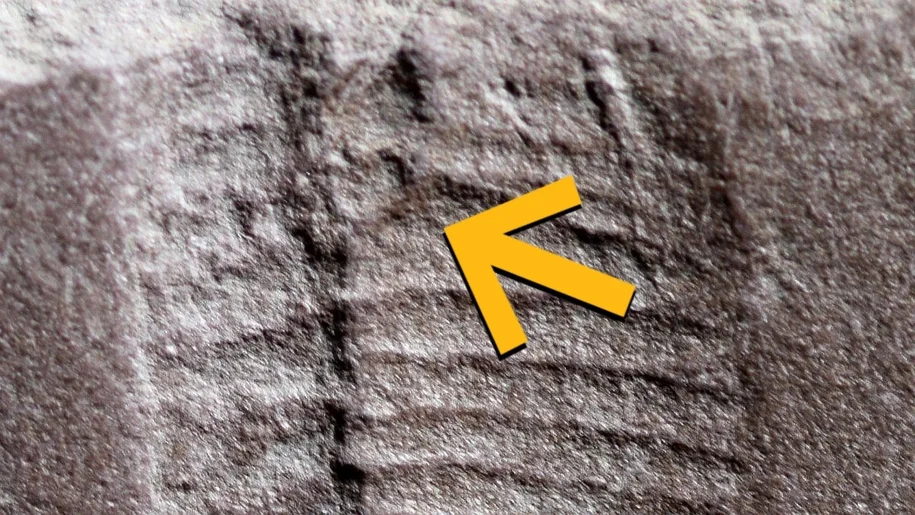
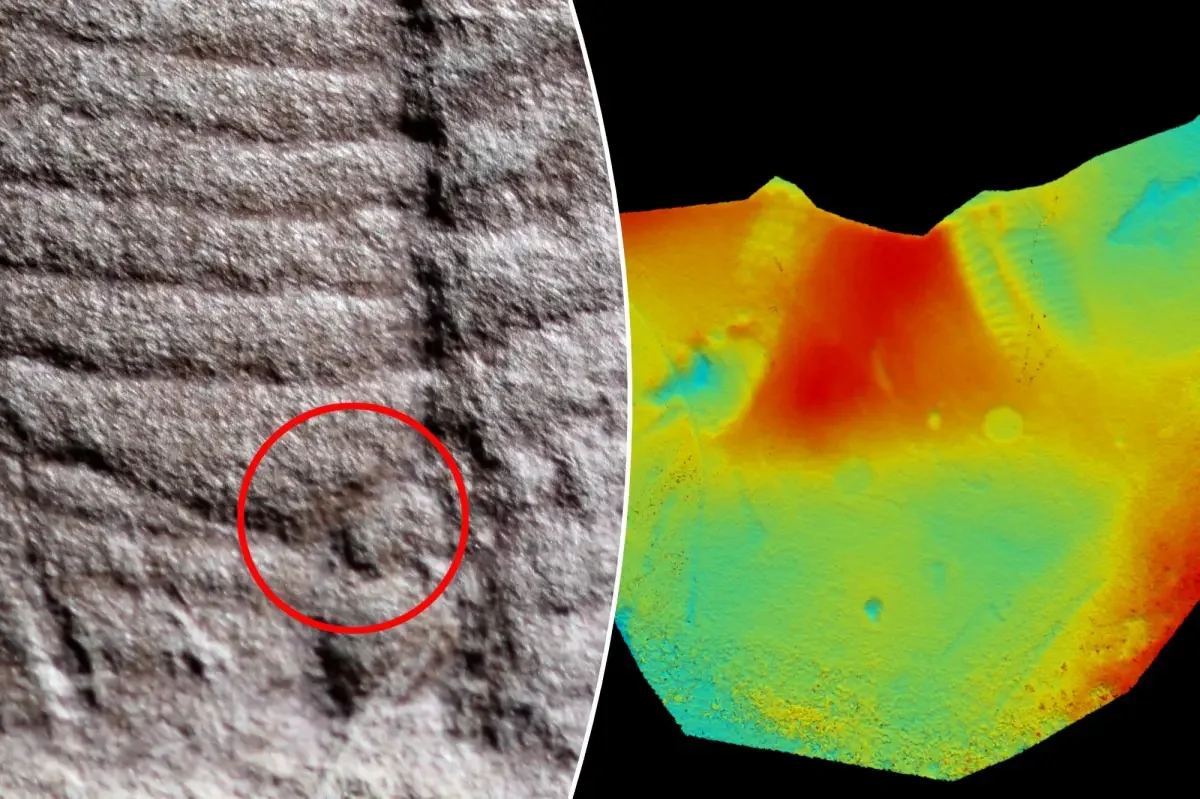
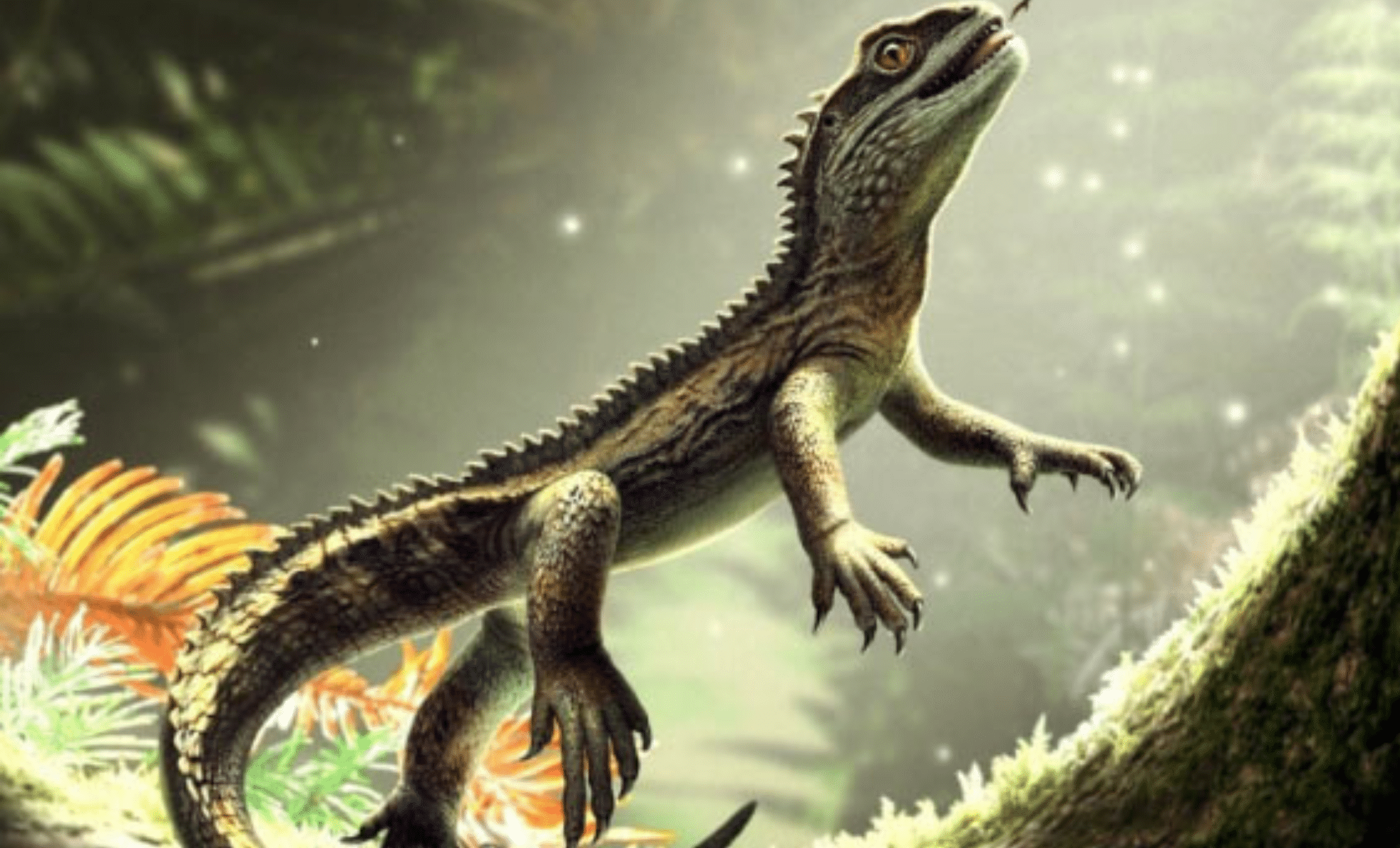
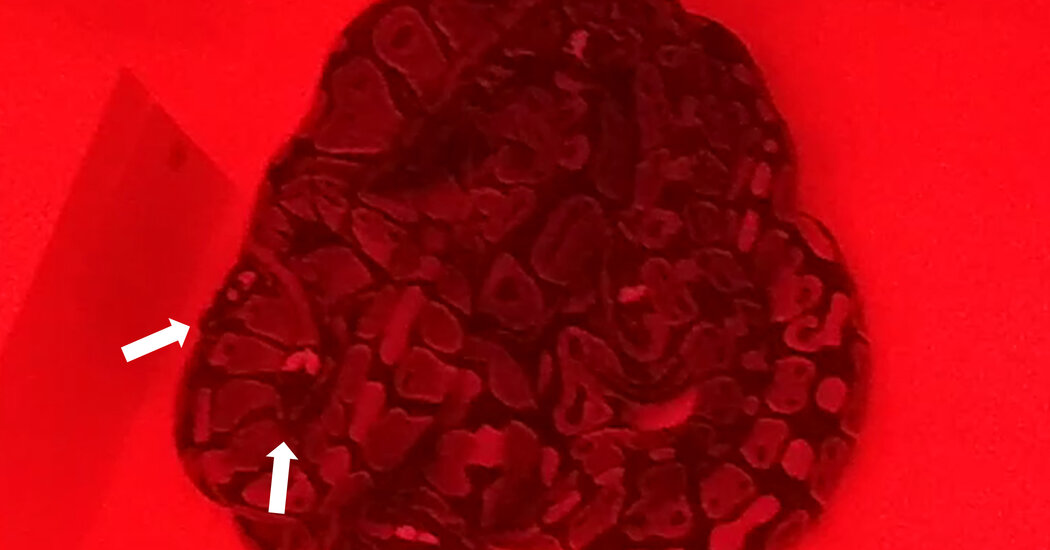
Paleontologists report the earliest fossil imprint of reptile skin with belly scales and a cloacal vent dating to about 290 million years ago, pushing back the origin of the cloaca in amniotes and beating the previous 120-million-year record.
Scientists describe a 298–299 million-year-old fossil imprint from a bolosaurian reptile in Germany, preserving belly scales and a cloaca—the oldest known soft-tissue imprint of its kind and the earliest reptile skin details—offering new insights into early reptile evolution. Named Cabarzichnus pulchrus, the 3.5-inch trace extends the fossil record of back-end anatomy by more than 150 million years and suggests anatomical similarities to modern turtles, lizards, and snakes.
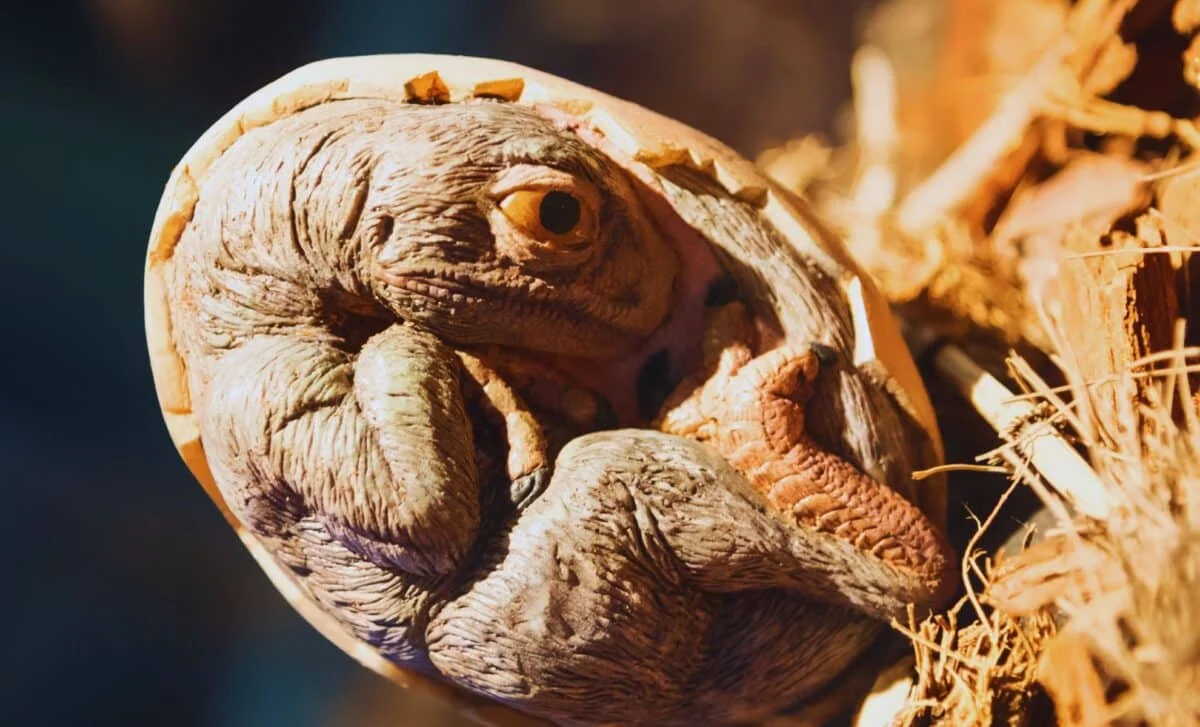
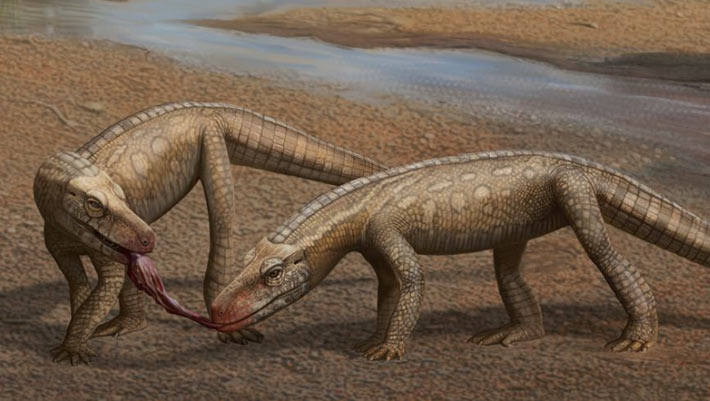
Researchers report 280-million-year-old mesosaur embryos from Brazil and Uruguay, providing the oldest direct evidence that these ancient aquatic reptiles could give birth to live young, pushing the origin of viviparity back about 60 million years; findings also indicate potential parental care, with some fossils suggesting a mixed strategy where at least one egg was found at an advanced stage of development.
Researchers discovered that many reptiles excrete solid uric acid crystals as a water-saving adaptation, which could inspire new treatments for human conditions like gout and kidney stones caused by uric acid buildup.
The discovery of the 242-million-year-old lepidosaur fossil Agriodontosaurus helsbypetrae in the UK challenges previous beliefs about early reptile evolution, revealing unexpected traits and suggesting a more complex evolutionary history for lizards, snakes, and the tuatara.
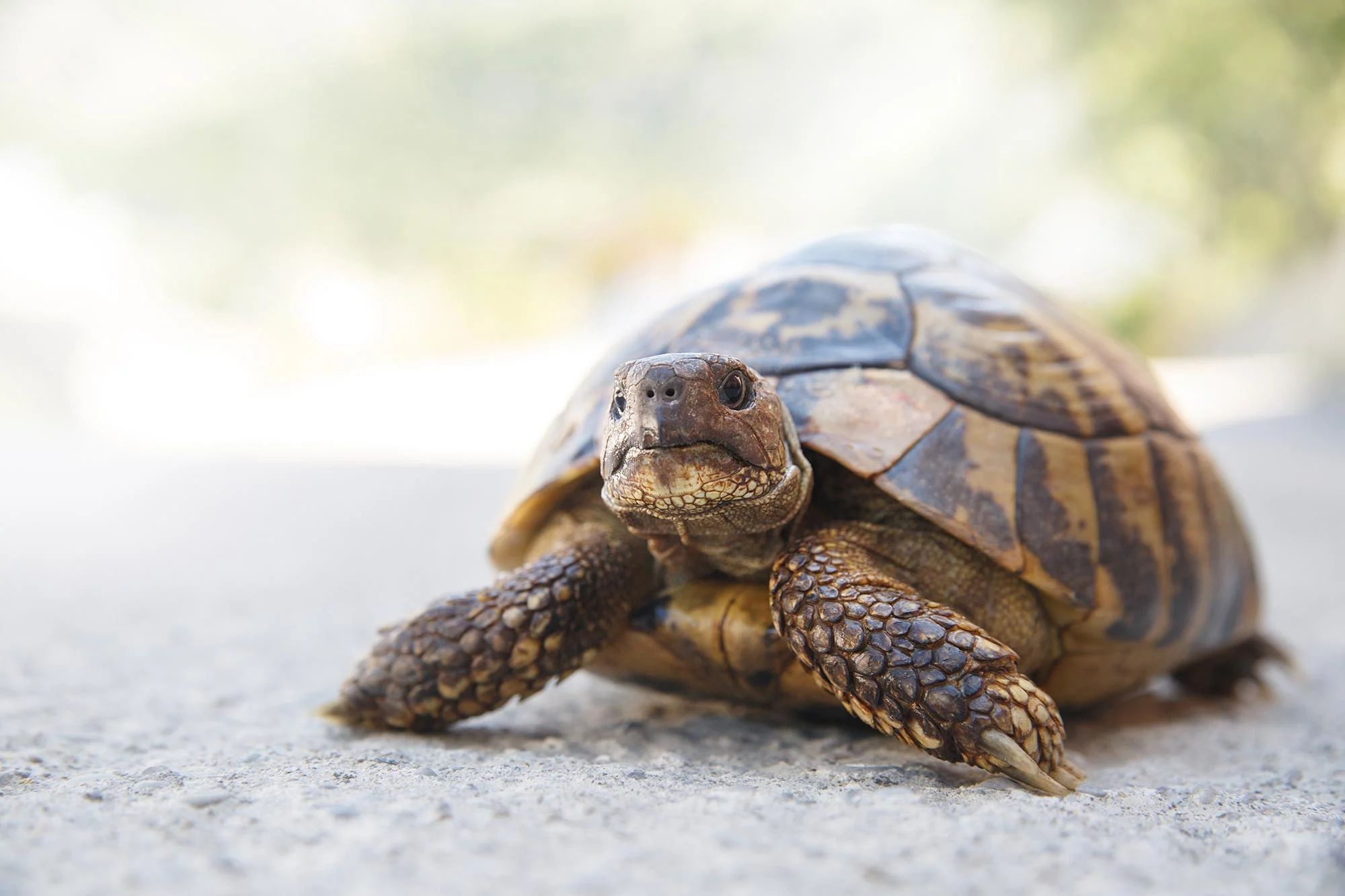
A study from the University of Lincoln shows that red-footed tortoises can experience long-term mood states similar to mammals and birds, challenging traditional views on reptile sentience and impacting animal welfare practices.
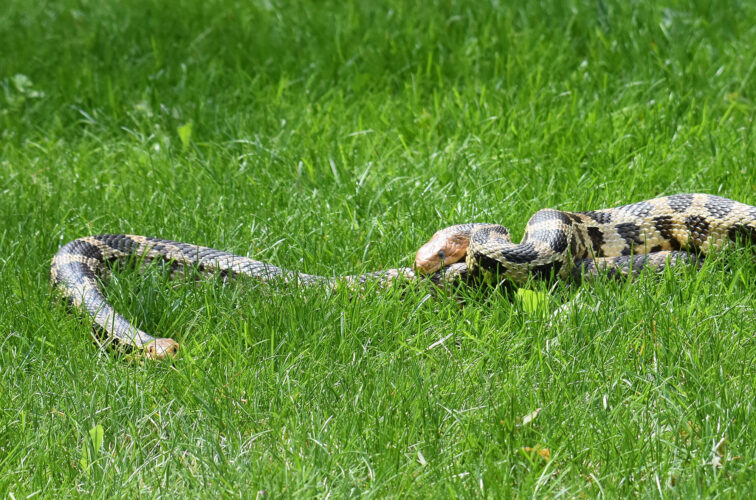
The article describes the presence of non-venomous fox snakes in the Upper Peninsula, highlighting a recent mating encounter observed by the author, and emphasizes the ecological benefits of snakes as natural rodent control, along with a reminder to be cautious of turtles during egg-laying season.
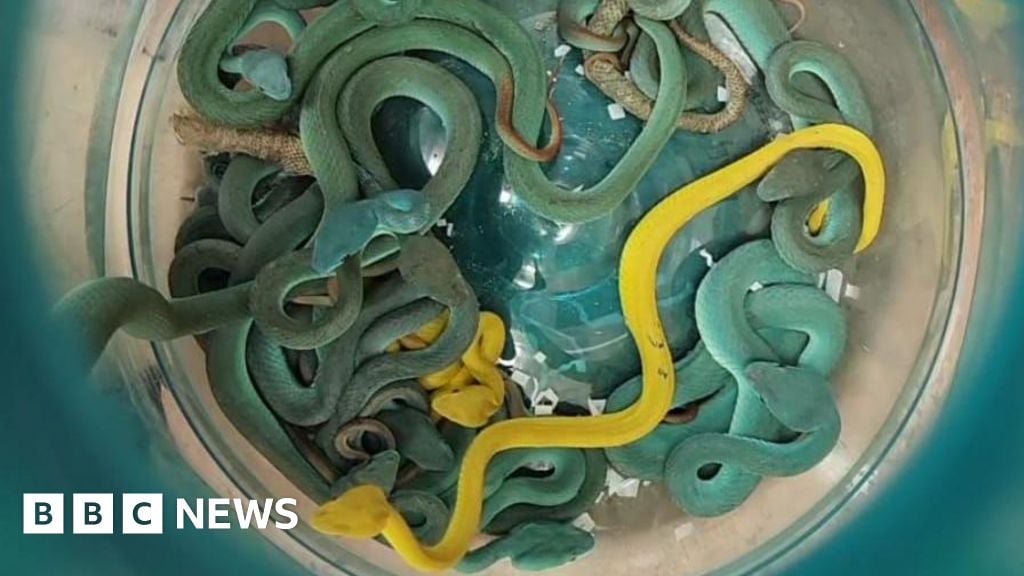
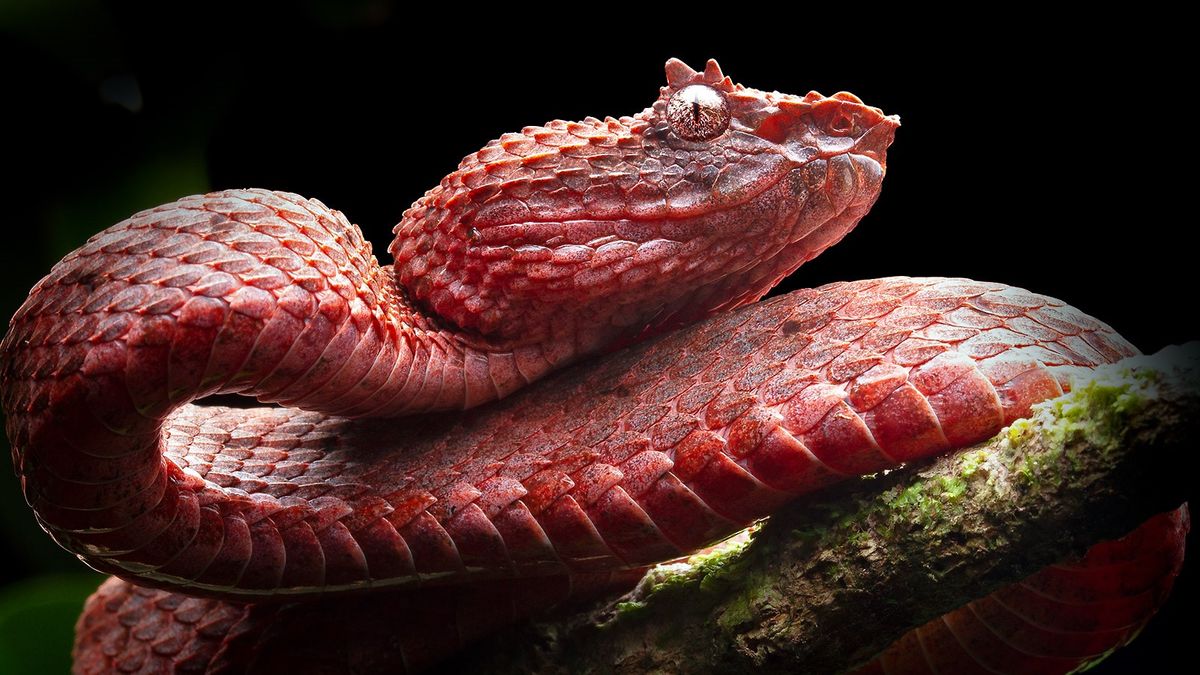
Indian authorities arrested a man at Mumbai airport for attempting to smuggle dozens of rare and venomous reptiles, including 47 vipers, concealed in his luggage, highlighting ongoing wildlife smuggling issues in India.
Recent research reveals that pythons, traditionally considered solitary creatures, actually exhibit complex social behaviors. These findings challenge previous assumptions about reptilian social structures and suggest that pythons may form social bonds and interact with each other more than previously thought.
A new species of gracilisuchid reptile, Parvosuchus aurelioi, has been discovered in the Santa Maria Formation in Brazil. This small, crocodile-like reptile lived around 237 million years ago during the Triassic period and is the first gracilisuchid confirmed in Brazil. The discovery, which includes a complete skull and partial skeleton, highlights the diversity of pseudosuchians before the dominance of dinosaurs.
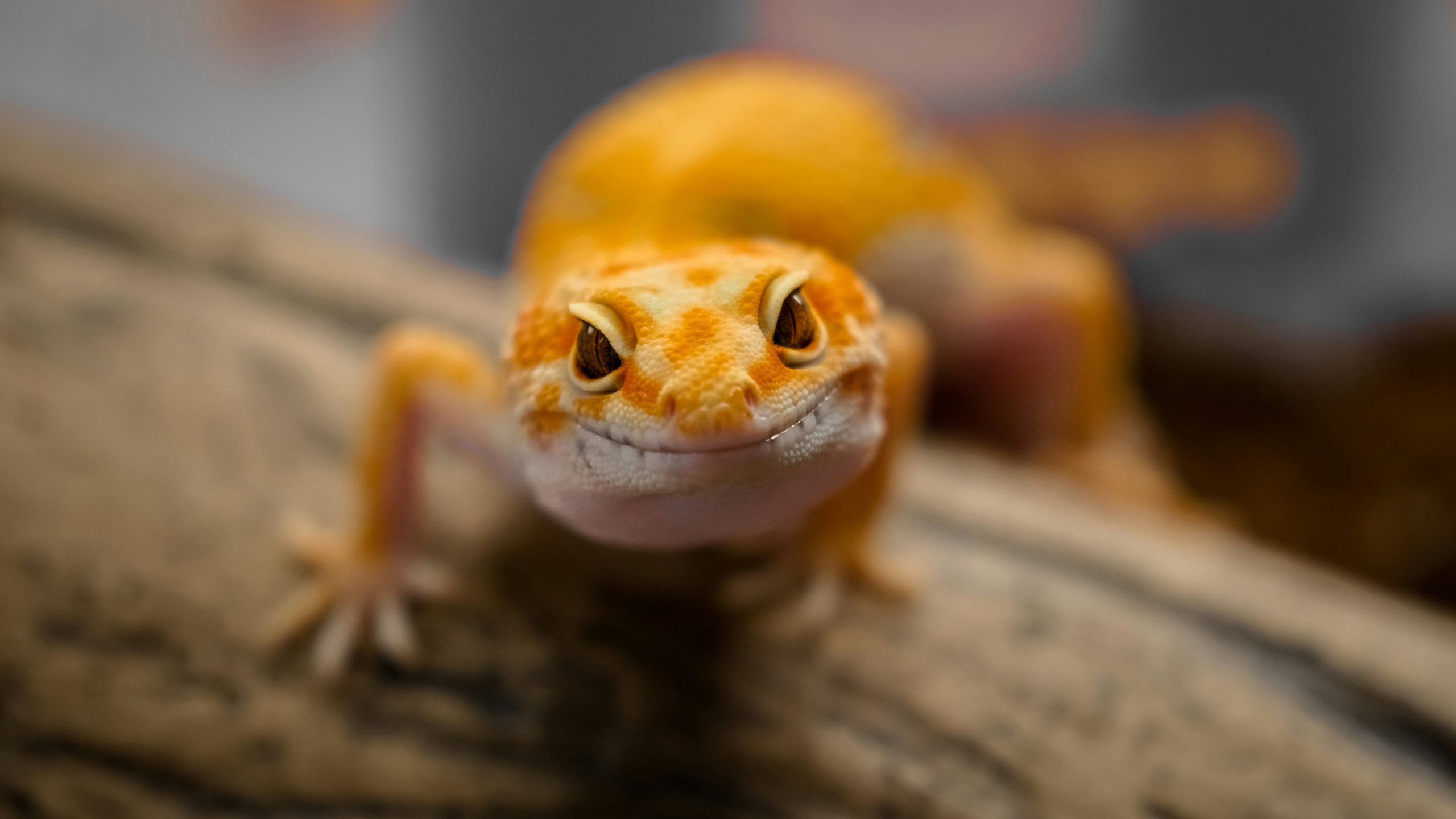
The Public Health Agency of Canada has identified geckos as the likely source of a salmonella outbreak affecting seven provinces, with 35 confirmed cases and five hospitalizations. Individuals who became ill had direct or indirect contact with geckos or their environments, and some cases involved children aged five and under. The agency emphasizes the importance of reptile owners and business operators in preventing illnesses linked to these pets, as symptoms of salmonella poisoning can include fever, chills, nausea, vomiting, diarrhea, headache, and abdominal cramps.
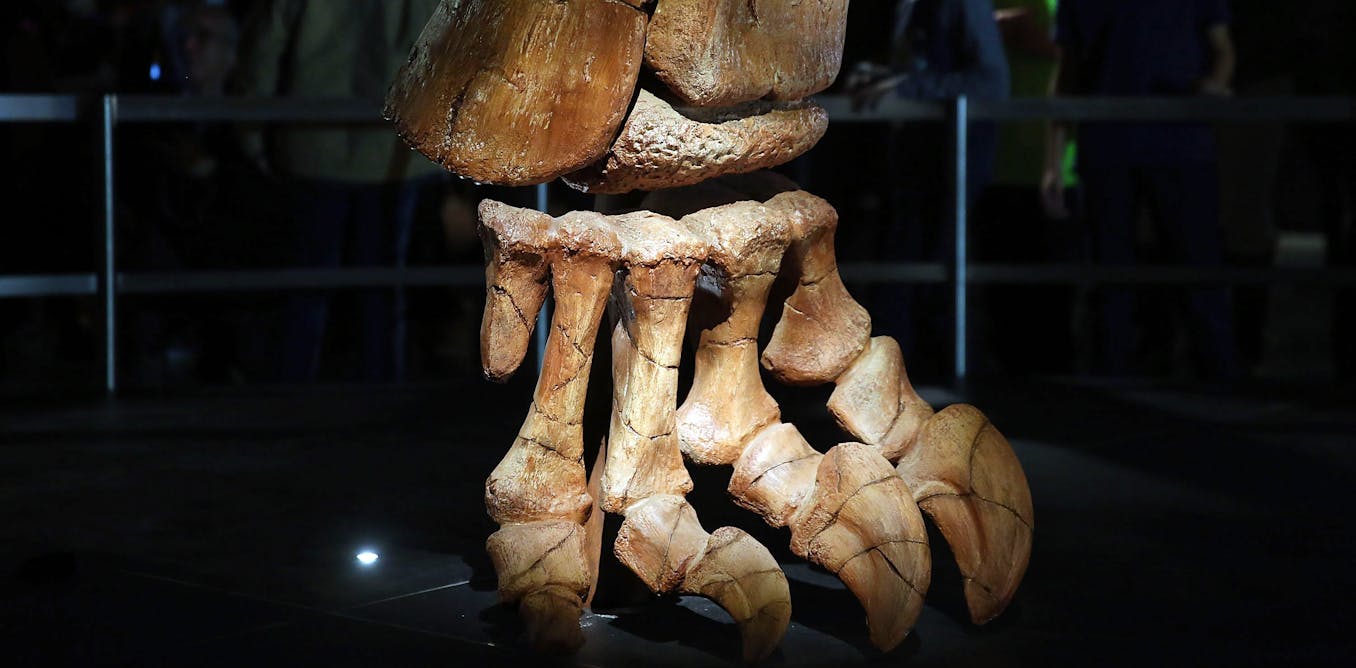
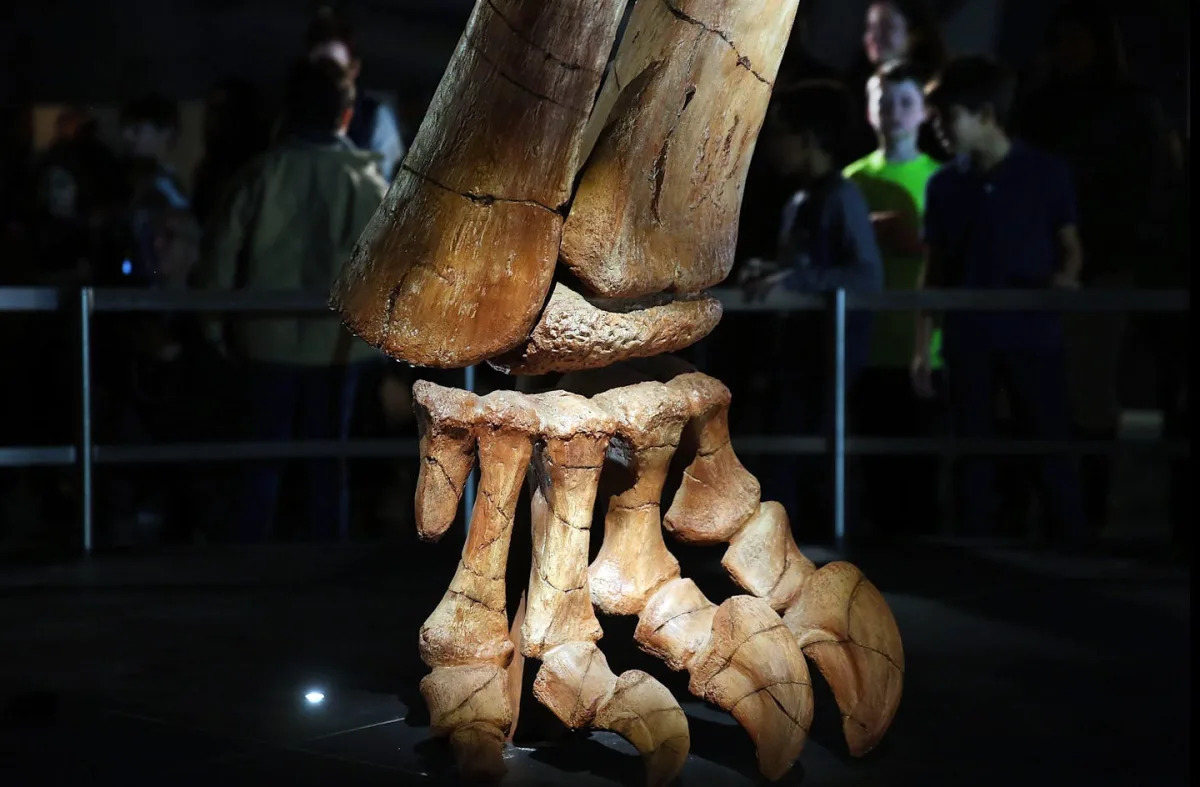
Titanosaurs, a lesser known group of sauropod dinosaurs, were the largest land animals on Earth, with nearly 100 species that varied greatly in size. Recent discoveries have revealed that they had a unique way of life, merging reptile and mammal characteristics. They originated in the Early Cretaceous Period and thrived on all seven continents, with evidence suggesting rapid growth rates similar to mammals. Fossil findings also indicate that titanosaurs had a diverse diet and high tooth-replacement rates, contributing to their biological success. If not for the asteroid impact 66 million years ago, these long-lived and diverse creatures would likely have continued to thrive.
Titanosaurs, a lesser known group of sauropod dinosaurs, were the largest land animals on Earth, with over 100 species that varied greatly in size. Recent discoveries have revealed that they combined reptile and mammal traits, such as rapid growth rates and high body temperatures, to thrive on all seven continents. Titanosaurs had a hands-off parenting style, and evidence suggests they reached their enormous adult sizes in just a few decades. Their prodigious appetites for plants and diverse diets contributed to their biological success. Unfortunately, they were among the victims of the asteroid impact that ended the age of dinosaurs.
Scientists have found that snakes possess a unique ability to evolve at an accelerated rate compared to other reptiles, allowing them to diversify and spread across the world. A recent study revealed that snakes evolved three times faster than lizards, with their rapid evolution continuing to this day. This flexibility enables them to quickly adapt their body shape and diets, leading to their success as an evolutionary "winner." However, the reason behind snakes' fast evolutionary clock remains a mystery, leaving scientists with new questions to answer.
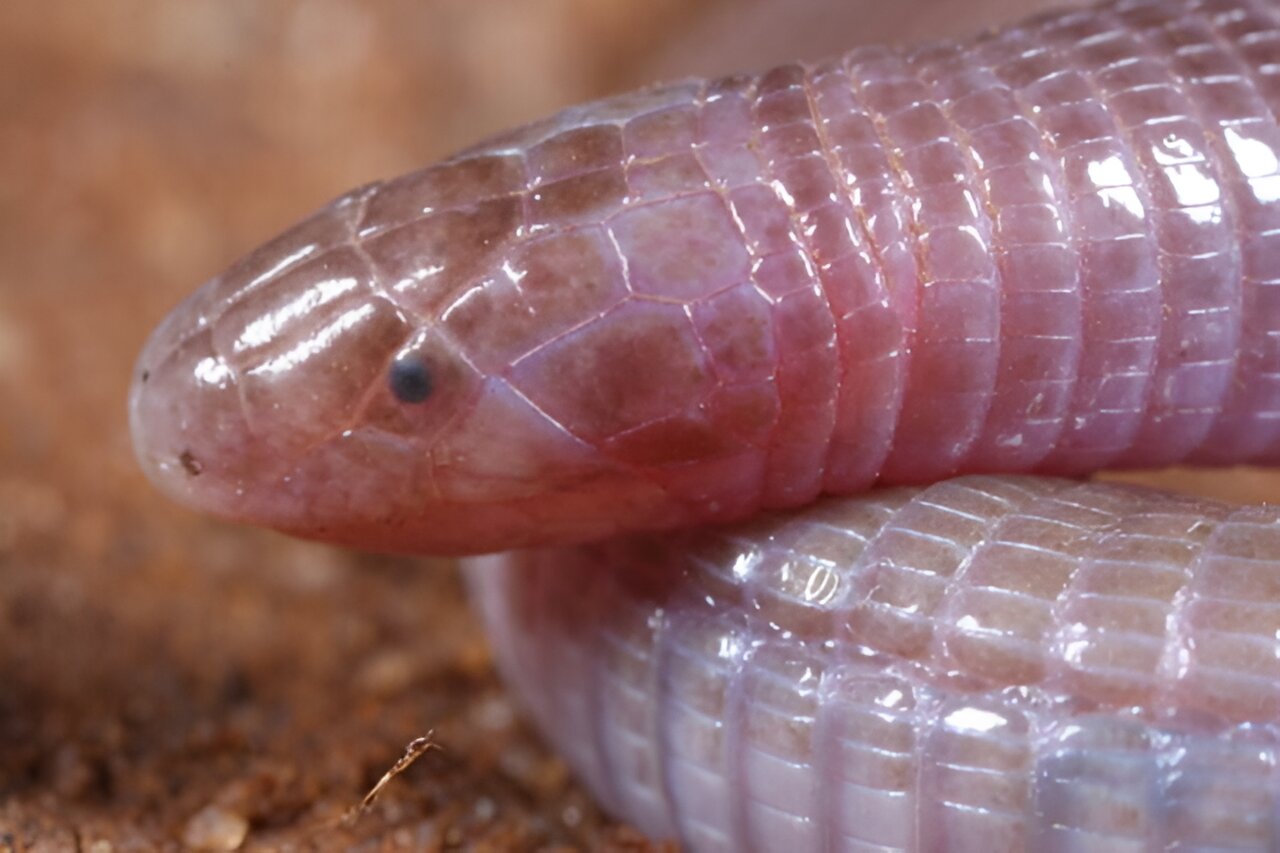
Researchers have used micro-CT scans to reveal new insights into the anatomy and behavior of amphisbaenians, snake-like reptiles that live underground. The scans provided detailed 3D models of the creatures' skulls, shedding light on their specialized features such as a singular central tooth and powerful jaw muscles. The studies, which focused on the species Zygaspis quadrifrons, also confirmed sexual dimorphism in this species, with females being larger than males. With limited biological and ecological data available on amphisbaenians, studying their anatomy is crucial for understanding these enigmatic creatures and their hidden lives beneath the surface.