Tag

Animalbehavior

All articles tagged with #animalbehavior

science1 year ago

Humpback Whale Sets New Migration Record with 8,000-Mile Journey

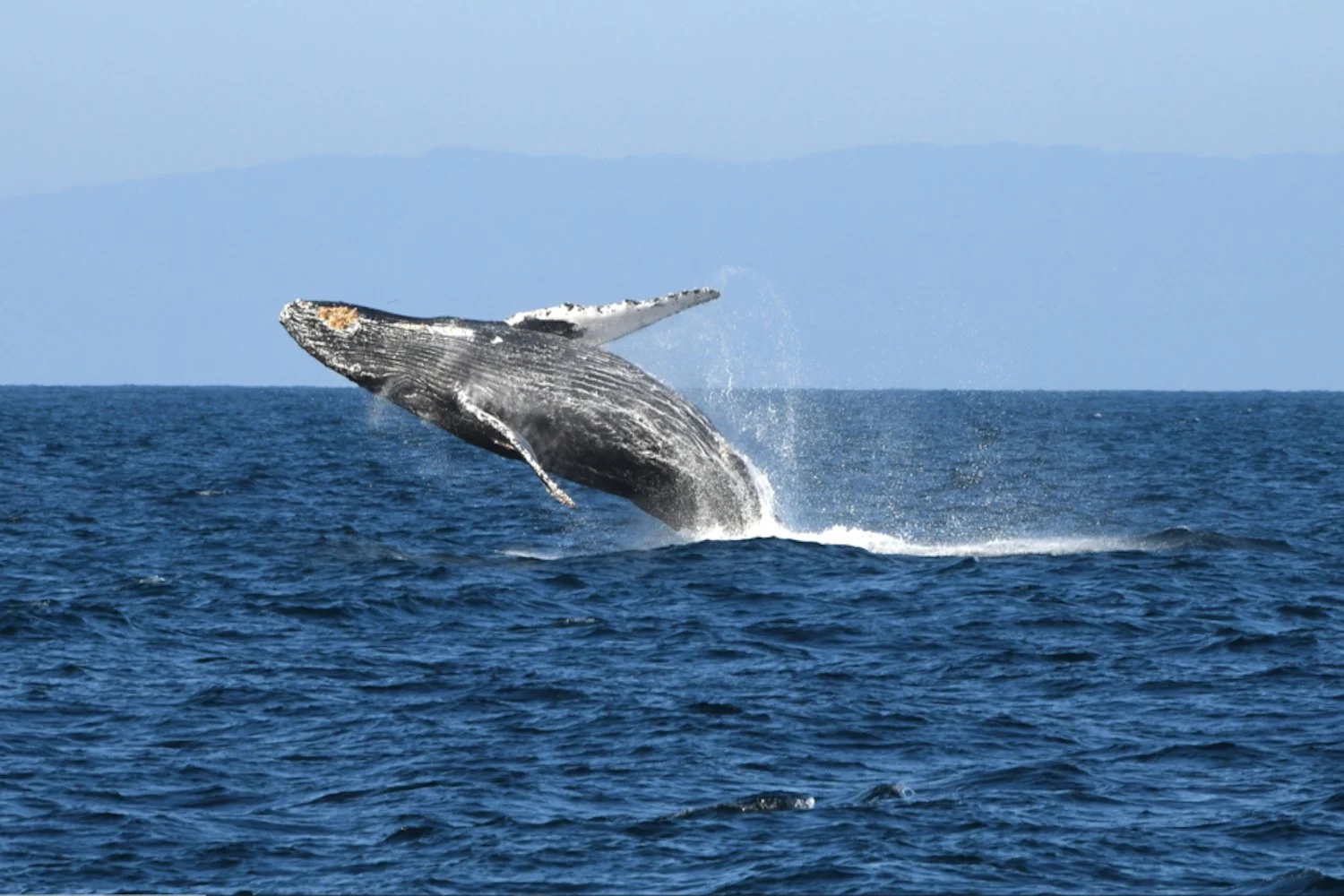
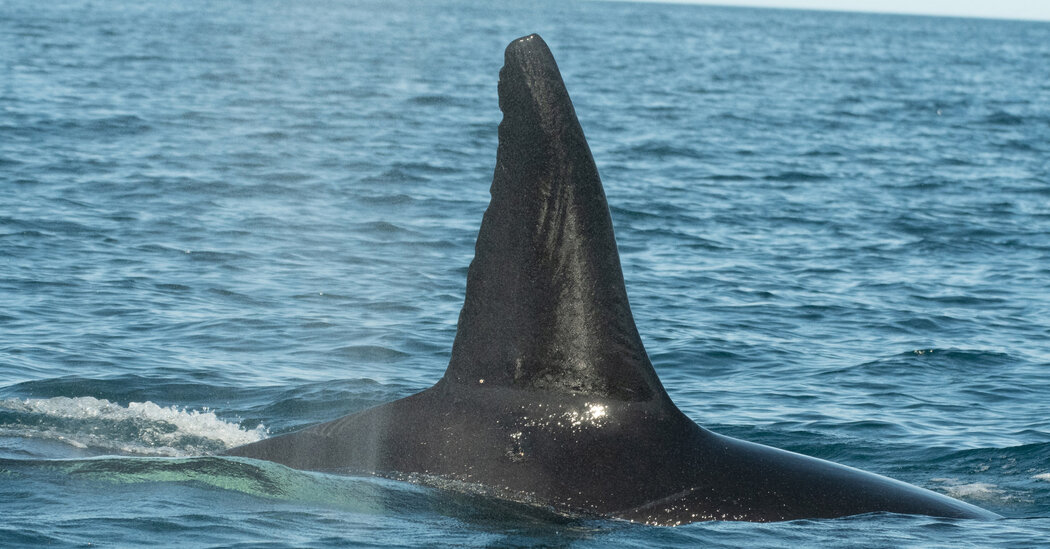
A humpback whale has set a new migration record by traveling 8,106.4 miles from Colombia to the Zanzibar channel, marking the longest documented journey for the species. This unusual migration, which involved crossing three oceans and changing breeding grounds from the Pacific to the Indian Ocean, raises questions about the environmental and behavioral factors driving such long-distance travel. Researchers speculate that mating strategies, climate change, and increased competition for resources may be influencing these atypical movements. The study highlights the adaptability of humpback whales and their potential responses to environmental changes.

science1 year ago

Record-Breaking Humpback Whale Swims 13,000km Across Oceans for Mating

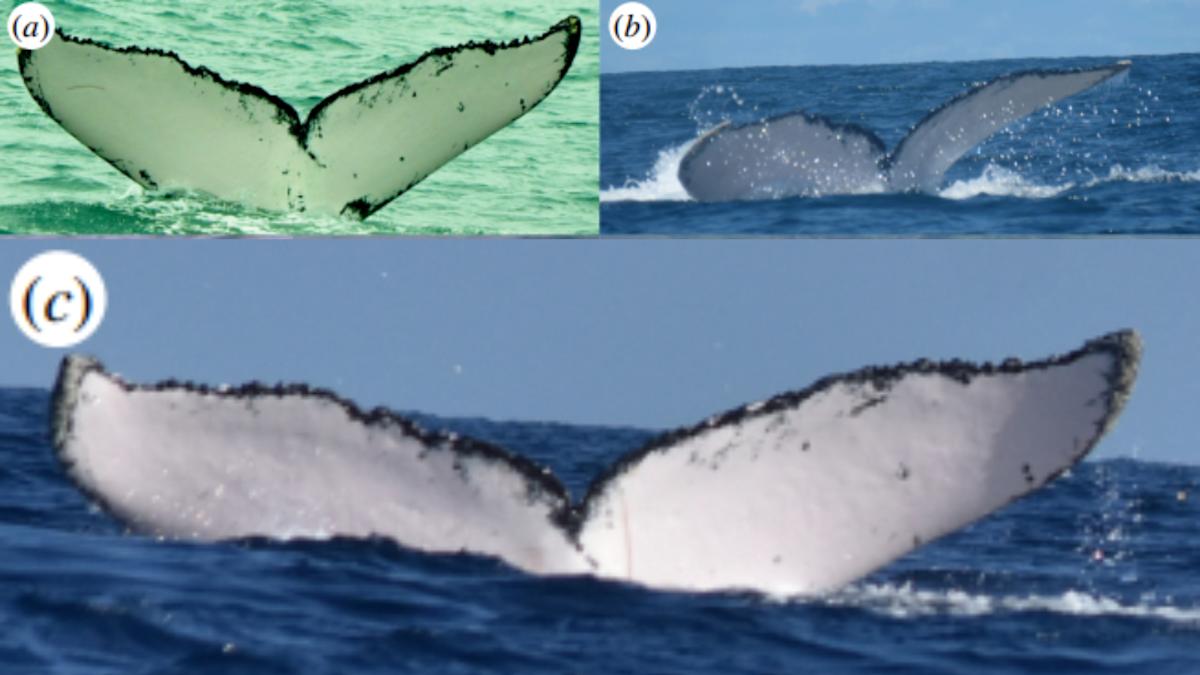
A male humpback whale set a new distance record for the species by traveling 8,106 miles across three oceans, from Colombia to Zanzibar, in search of mating opportunities. This journey, documented through photographs and published in Royal Society Open Science, reveals that humpback whale migrations are more flexible than previously thought, as the whale interacted with multiple populations along the way. The study suggests that the whale's motivation was likely reproductive, influenced by environmental changes and increased competition among males.

technology1 year ago

AI-Powered Robo-Rats Blend Seamlessly with Real Rodents

Researchers in China and Germany have developed SMEO, a robot rat that mimics real rats through AI-driven behavior and physical adaptability, allowing it to interact convincingly with live rats. This innovation could revolutionize the study of animal behavior by reducing the need for live animal testing, offering a more ethical approach to research and potential applications in wildlife conservation.

science1 year ago

Unveiling the Unique Open-Ended Nature of Human Culture

New research by ASU's Thomas Morgan and Stanford's Marcus Feldman suggests that human culture is unique due to its 'open-endedness,' allowing for limitless accumulation and evolution of knowledge and behaviors. Unlike animal cultures, which also evolve but face constraints, human culture can continuously develop without stopping. This open-ended nature is proposed as the reason for human dominance over other species.

science1 year ago

Scientists Uncover Why Wet Dogs Shake Themselves Dry

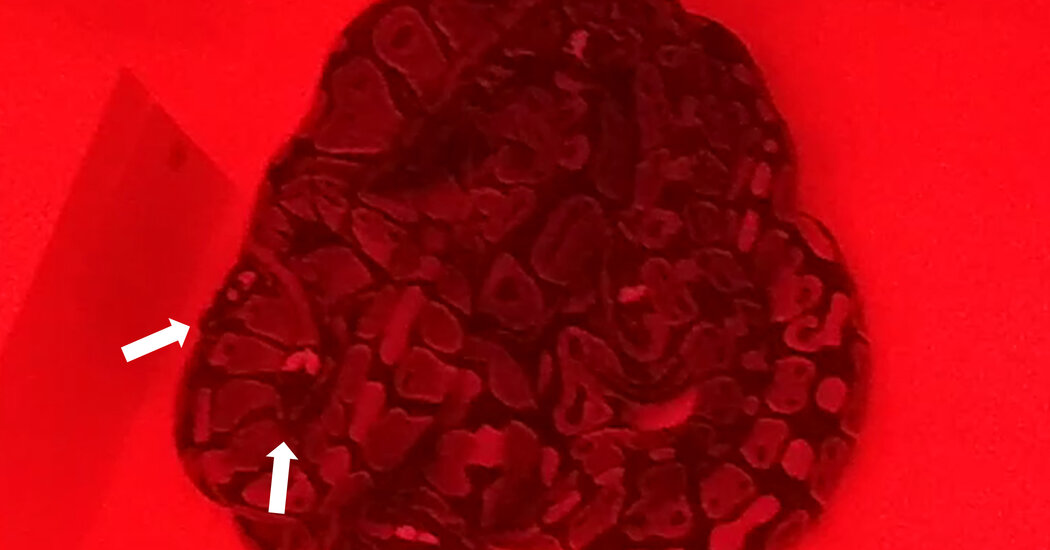
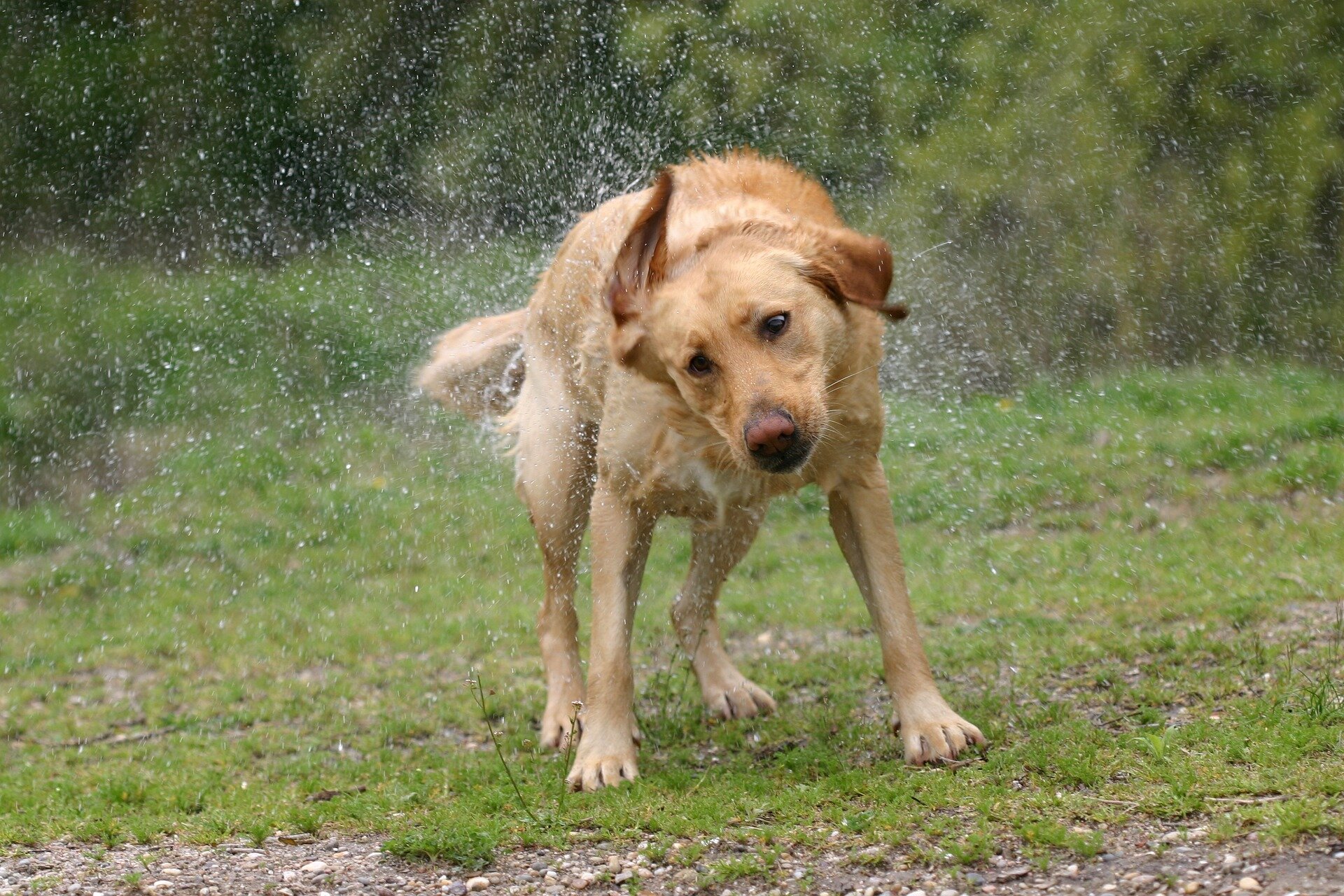
Researchers at Harvard Medical School have identified the neural mechanism behind the shaking behavior of wet dogs and other hairy mammals. By studying mice, they discovered that the Piezo2 gene and C-LTMRs mechanoreceptors are crucial for this behavior, which is triggered by stimuli like water or oils. The study mapped the sensory signal pathway from the skin to the brain, providing a detailed understanding of this natural drying tactic.

lifestyle-and-pets2 years ago

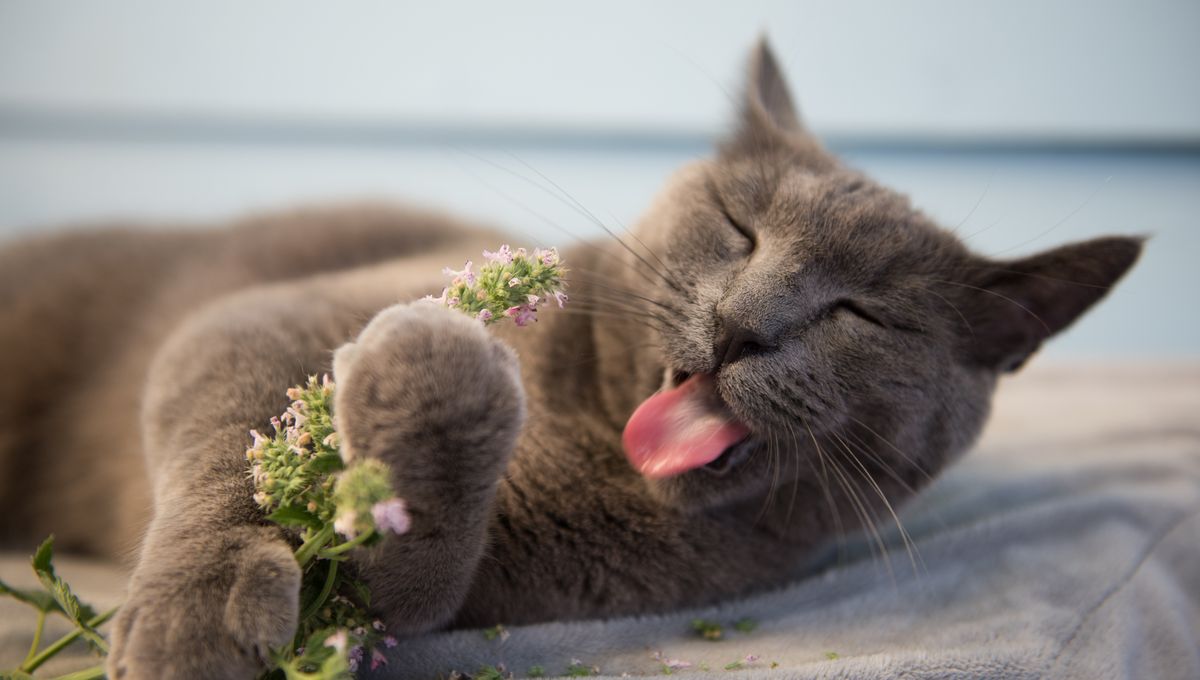
"Unveiling the Mystery of Catnip: Safety and Effects on Felines"

Catnip, a plant from the mint family, contains a chemical called nepetalactone that can cause a range of reactions in cats, such as euphoria and hyperactivity. While the effects are generally safe and can last from five to 15 minutes, not all cats respond to catnip, and their reactions can vary based on genetics and other factors. Catnip can also act as a mosquito repellent for cats. However, cat owners should consider the cat's well-being and not use catnip solely for entertainment, ensuring that cats have a quiet space to experience the effects if they choose to.

science-and-environment2 years ago

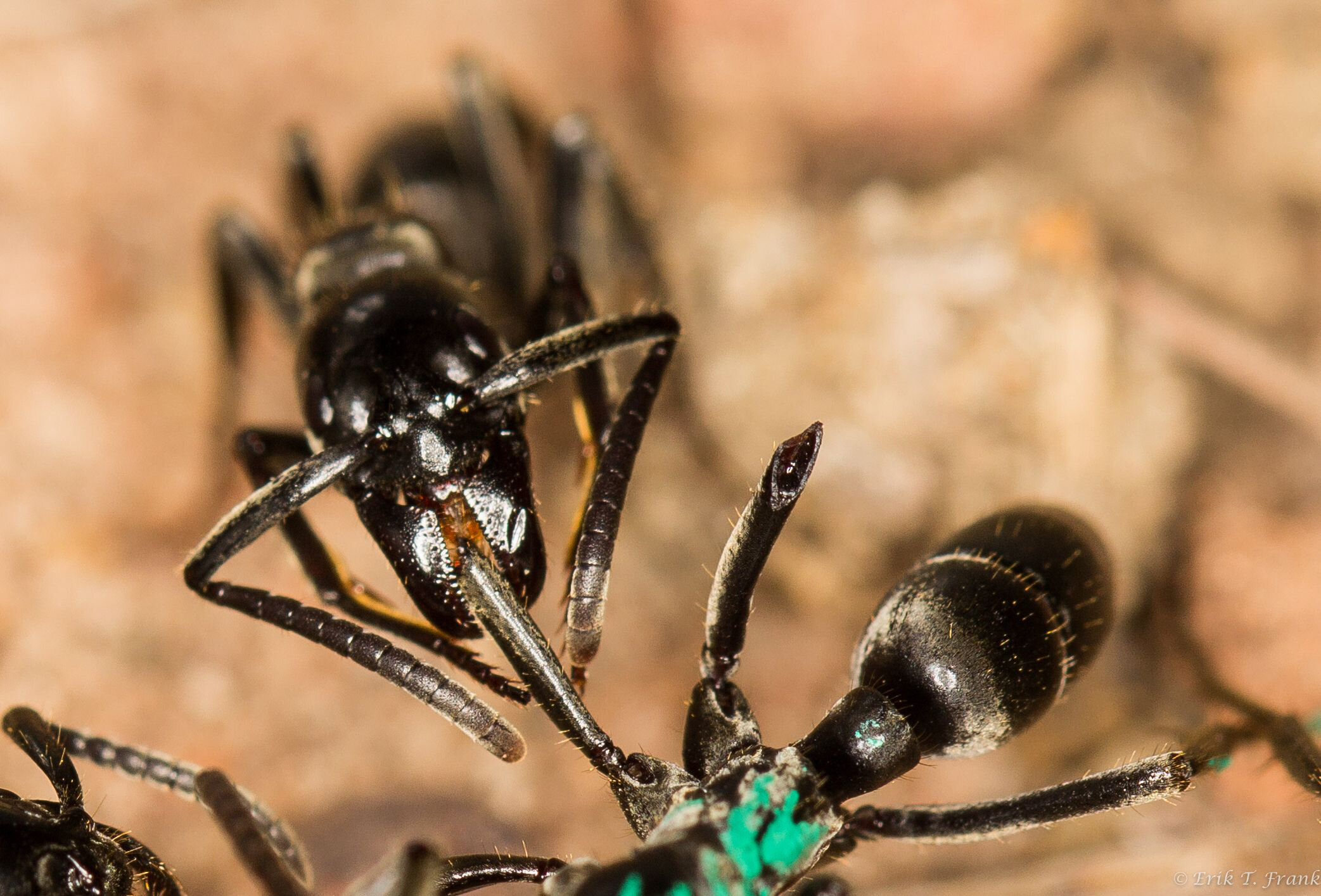
"Matabele Ants: Insect Medics Using Antibiotics to Heal Wounds"

Matabele ants (Megaponera analis) have been observed treating their nestmates' infected wounds with self-produced antibiotics, a behavior reported by researchers from the University of Würzburg and the University of Lausanne. These ants can distinguish between infected and non-infected wounds and apply antimicrobial compounds from their metapleural gland, significantly reducing mortality rates by 90%. This discovery, detailed in Nature Communications, not only highlights a sophisticated form of animal healthcare but also has potential implications for human medicine, as the ants combat pathogens like Pseudomonas aeruginosa, which also affect humans. The ants' unique medical behavior has been featured in the Netflix documentary "Life on Our Planet."