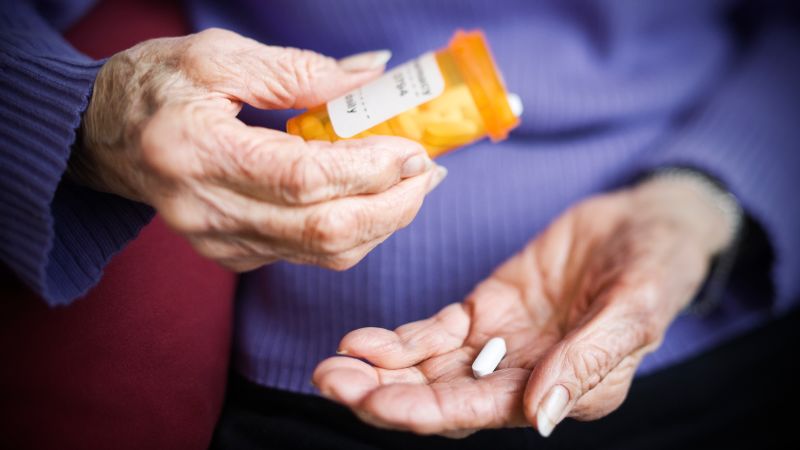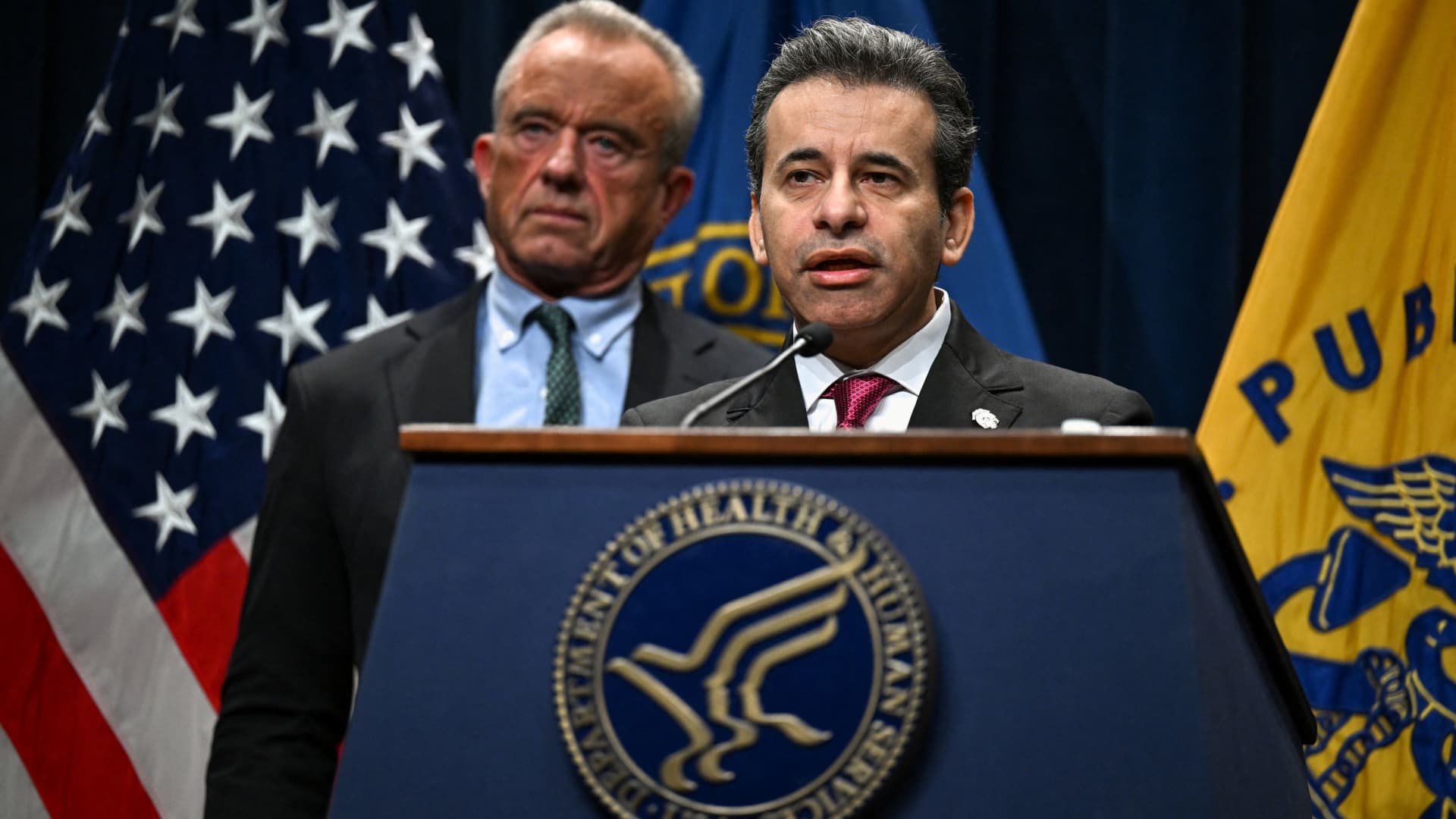
The FDA announced plans to accelerate the approval process for generic biologic medicines, or biosimilars, to increase competition and reduce high drug prices in the U.S., which are significantly higher than in other countries. The reforms aim to cut the approval timeline in half, simplify studies, and remove barriers to market entry, potentially saving billions in healthcare costs and providing more affordable options for patients.
The FDA announced new measures to streamline the approval process for generic biological drugs, or biosimilars, aiming to reduce development costs and accelerate market entry, ultimately lowering drug prices and increasing access for Americans.
The FDA announced new measures to streamline the development and approval of biosimilar drugs, aiming to lower costs and increase access to affordable biologic treatments by simplifying testing requirements and promoting interchangeability, thereby fostering market competition and reducing healthcare expenses.
Rising drug costs and tariff threats are expected to cause increases in health insurance premiums, posing political risks for Republicans in the 2026 midterm elections.
The article discusses the role of pharmacy benefit managers (PBMs) in the rising costs of prescription drugs in the U.S., highlighting their consolidation with major insurance companies and the lack of transparency in their operations. Critics argue that PBMs inflate drug prices and limit access to affordable medications, contributing to a healthcare crisis where many Americans cannot afford necessary prescriptions. The Federal Trade Commission (FTC) has filed a lawsuit against major PBMs for anti-competitive practices, and bipartisan legislation has been introduced to break up their monopolistic control over the pharmacy supply chain.
Medicare has started its first round of drug price negotiations, which will eventually benefit enrollees, but the effects won't be seen for a couple of years. In the meantime, there are other upcoming changes to medication costs, and individuals are advised to take steps now to reduce their spending.
Amazon Pharmacy has announced that it will offer some insulins to diabetes patients for as low as $35, aiming to increase transparency in drug costs. The company will use automatic coupons to provide patients with discounted prices, similar to offerings from pharmacy benefit managers and major manufacturers. This move is part of Amazon's expansion in the healthcare sector, following its acquisition of One Medical and the introduction of telehealth services. The cost of insulin has been a significant issue for many Americans, and Amazon's efforts aim to address this problem by simplifying the process of accessing discounts.
Millions of adults in the US are not taking their medications as prescribed due to high drug costs, according to a report by the CDC. Over 8% of adults between 18 and 64 tried to save money by skipping doses, taking less than prescribed, or delaying prescription fills. Delaying or adjusting medications can lead to more serious health implications and raises the potential for even higher costs if additional treatments become necessary. The new CDC data shows vast disparities in how often drug costs cause people to not take their medications as prescribed, with those without health care coverage and living with disabilities being more likely to ration their medications.
Blackstone is testing an AI-powered program from startup Twin Health to help diabetics rely less on expensive drugs and reduce healthcare costs. The program is being tested with workers across 14 of Blackstone's portfolio companies and early results are promising. Patients with uncontrolled diabetes often move from older, lower-priced drugs onto newer pricey treatments made by Novo Nordisk A/S and Eli Lilly & Co. that can cost around $10,000 a year.