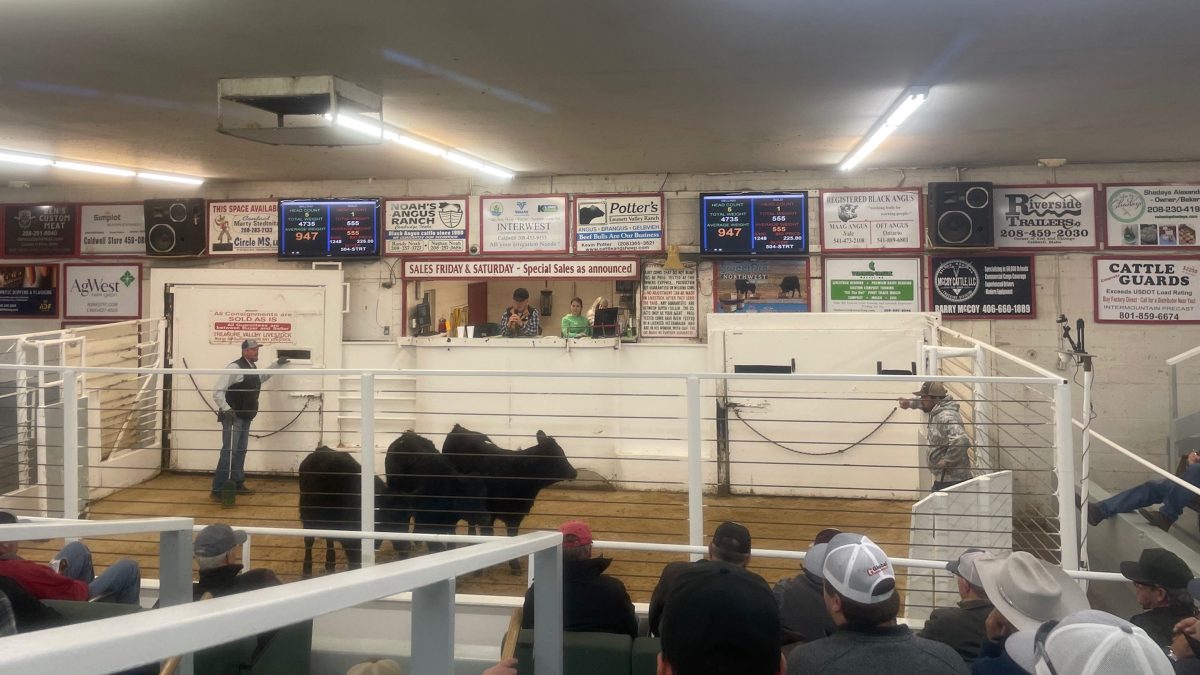
Republican senators criticized the Biden administration's plan to import more beef from Argentina, arguing it harms U.S. ranchers and the beef market, and proposed alternative strategies to support domestic beef production and market stability.

U.S. President Trump announced plans to quadruple beef imports from Argentina at lower tariffs, sparking outrage among American ranchers who see it as a threat to domestic prices and industry stability, despite White House efforts to support the U.S. beef sector through various initiatives.
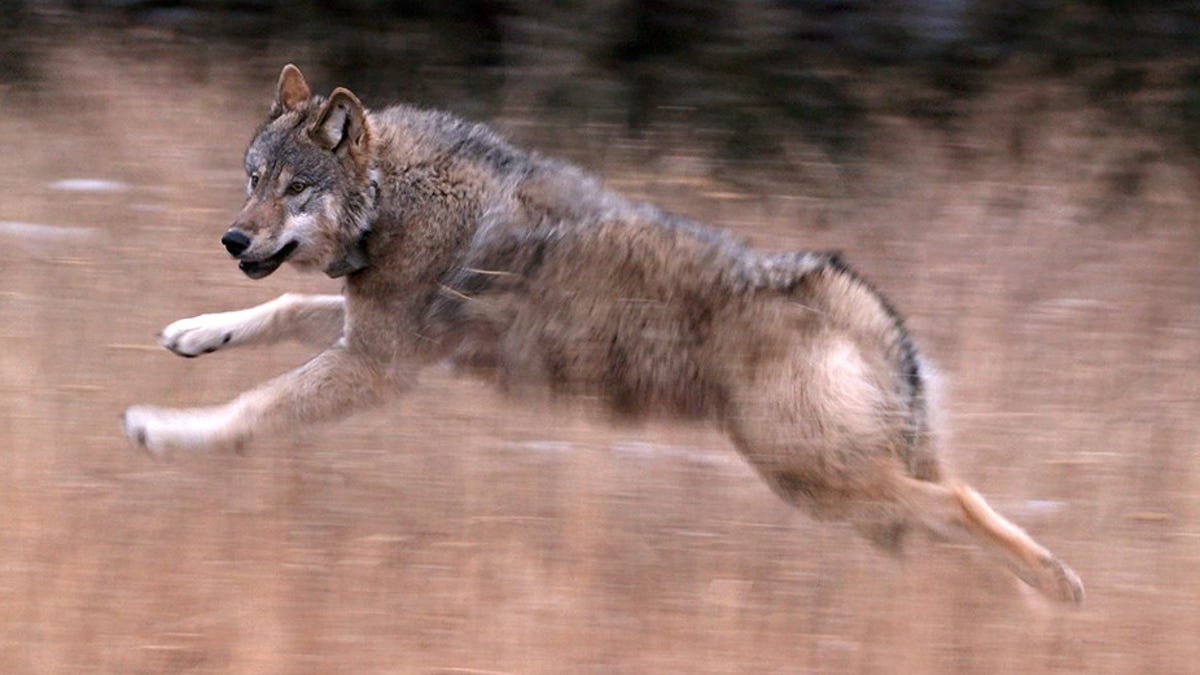
A calf was killed in Colorado in the first confirmed gray wolf depredation since the animals' reintroduction in December. The attack, which occurred in Grand County, has reignited concerns among ranchers about the risks wolves pose to livestock. Colorado's controversial wolf reintroduction plan, which aims to release up to 50 wolves captured from Oregon, has faced opposition from farmers and ranchers who fear the impact on wildlife and livestock.
Ranchers Erika and Cody Archie faced backlash for charging their 19-year-old daughter $200 a month in rent after her high school graduation, aiming to teach her financial responsibility. Despite criticism, they believe in instilling good money skills and independence in their children, emphasizing that "nothing in life is free." The couple's approach reflects their belief that children should learn the value of money and not rely on their parents for financial support indefinitely.
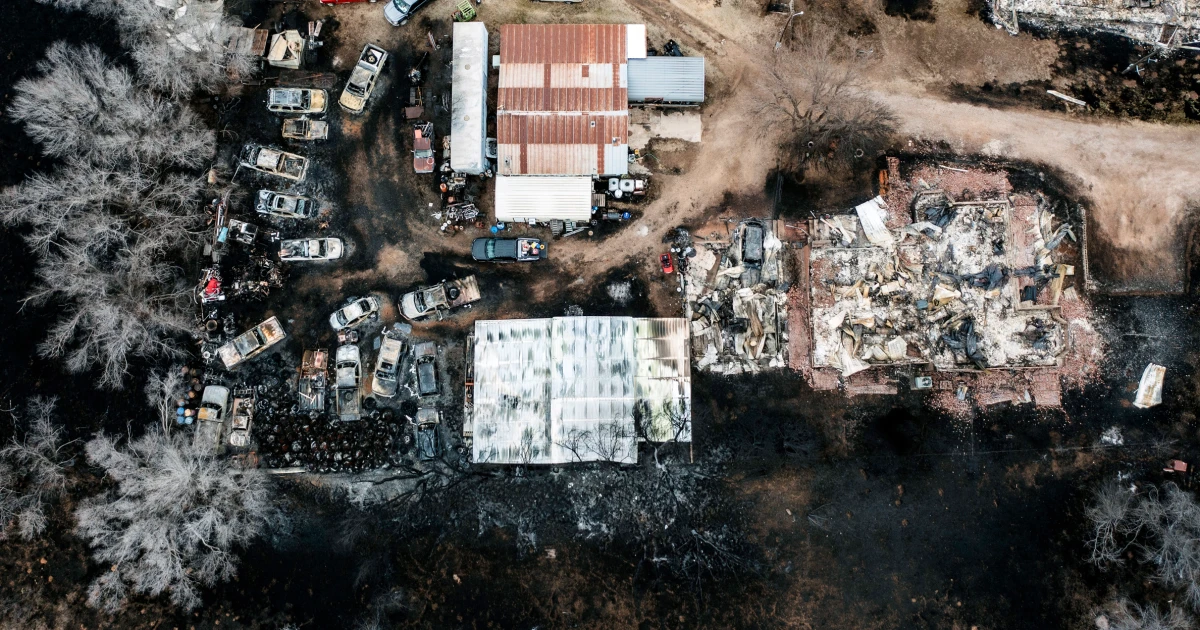
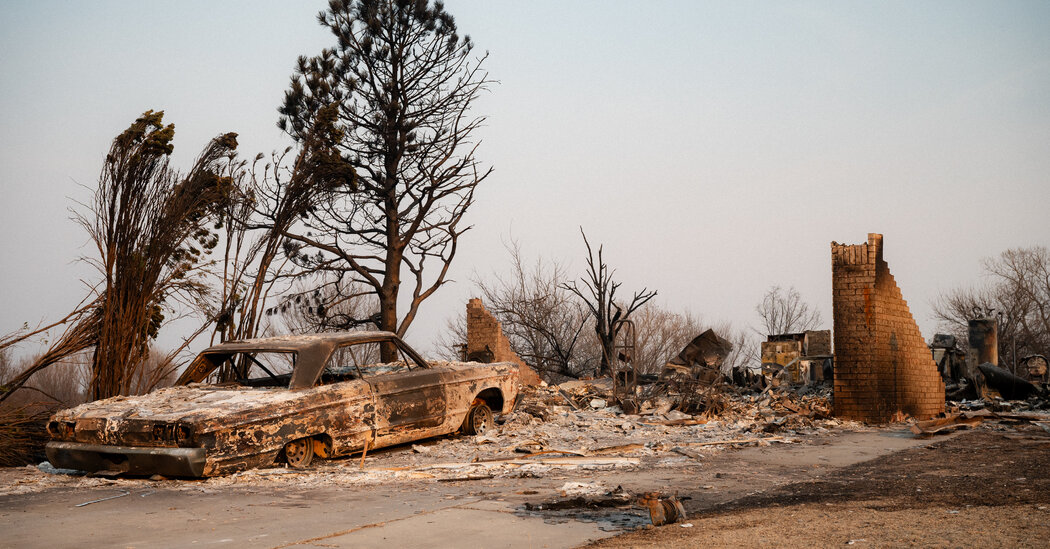
Farmers and ranchers in the Panhandle are seeking aid to rebuild after wildfires caused staggering financial losses, including thousands of cattle and hundreds of thousands of acres burned. Government assistance is being sought to help offset the losses, repair and replace infrastructure, and prevent wind erosion. Officials are also emphasizing the importance of mental health services for those affected by the devastating wildfires.
Firefighters battling the massive Texas wildfires are expected to get a crucial opportunity to contain the flames as cooler temperatures and gentler winds arrive on Monday. The Smokehouse Creek Fire, which has burned over 1 million acres and killed at least two people, is only 15% contained. Several other fires are also burning in the region, causing significant devastation to homes, livestock, and ranches. The loss of beef cattle could impact the nation's supply, and efforts to assist wildfire victims are underway through fundraisers and charities. The wildfires have brought unprecedented destruction and devastation to the Texas Panhandle, with numerous families losing their homes and belongings.
Texans are facing catastrophic damages from some of the largest wildfires in the state's history, with as many as 500 homes and structures destroyed and at least two people dead. The impact on the cattle industry is significant, as the Panhandle region, which is one of the most affected areas, is home to roughly 85% of the 12 million cattle in Texas. Ranchers are not only dealing with animal losses but also struggling to keep surviving cattle alive due to the destruction of open fields used for grazing and feeding. The economic toll on the Texas cattle industry remains unclear, with ranches spanning tens of thousands of acres expected to be among the hardest hit.
A massive wildfire in the Texas Panhandle has become the state's largest on record, scorching over a million acres of land and devastating cattle ranches. Firefighters are working to contain the blaze before warmer weather returns, while ranchers have been battling the flames and witnessing the destruction of their land and livestock. The fire, named Smokehouse Creek, remains largely uncontained, and additional resources have been deployed to the area under a disaster declaration by Governor Greg Abbott.
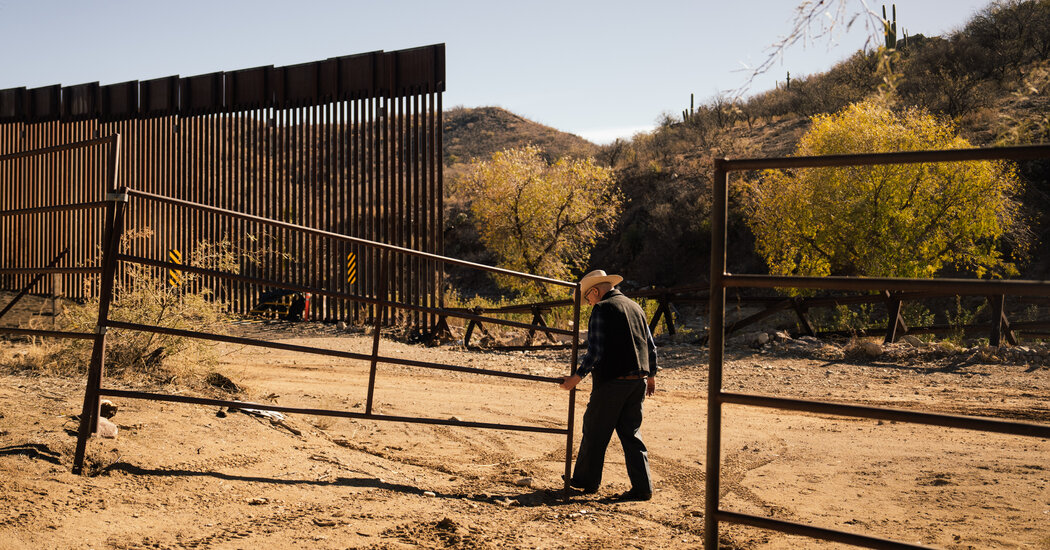
Jim and Sue Chilton, ranchers in Arizona, are grappling with the impact of the U.S.-Mexico border crisis on their property, which spans along a corridor for a record wave of undocumented immigration. They have encountered drug smuggling, witnessed migrants stranded in the desert, and campaigned for border security measures. The Chiltons' efforts to navigate the complexities of the crisis reflect the challenges faced by ranchers living in border regions.
Despite positive economic indicators, beef prices have remained high due to a combination of factors including low supply of cattle, increased demand, and rising costs for ranchers. The pandemic caused disruptions in the supply chain and led to smaller herds, while the cost of feeding cattle soared. As a result, beef prices rose about 8% last year, outpacing other meats. Overall, food prices have increased by about 25% since the pandemic began, and while inflation has slowed, prices have not returned to pre-pandemic levels.
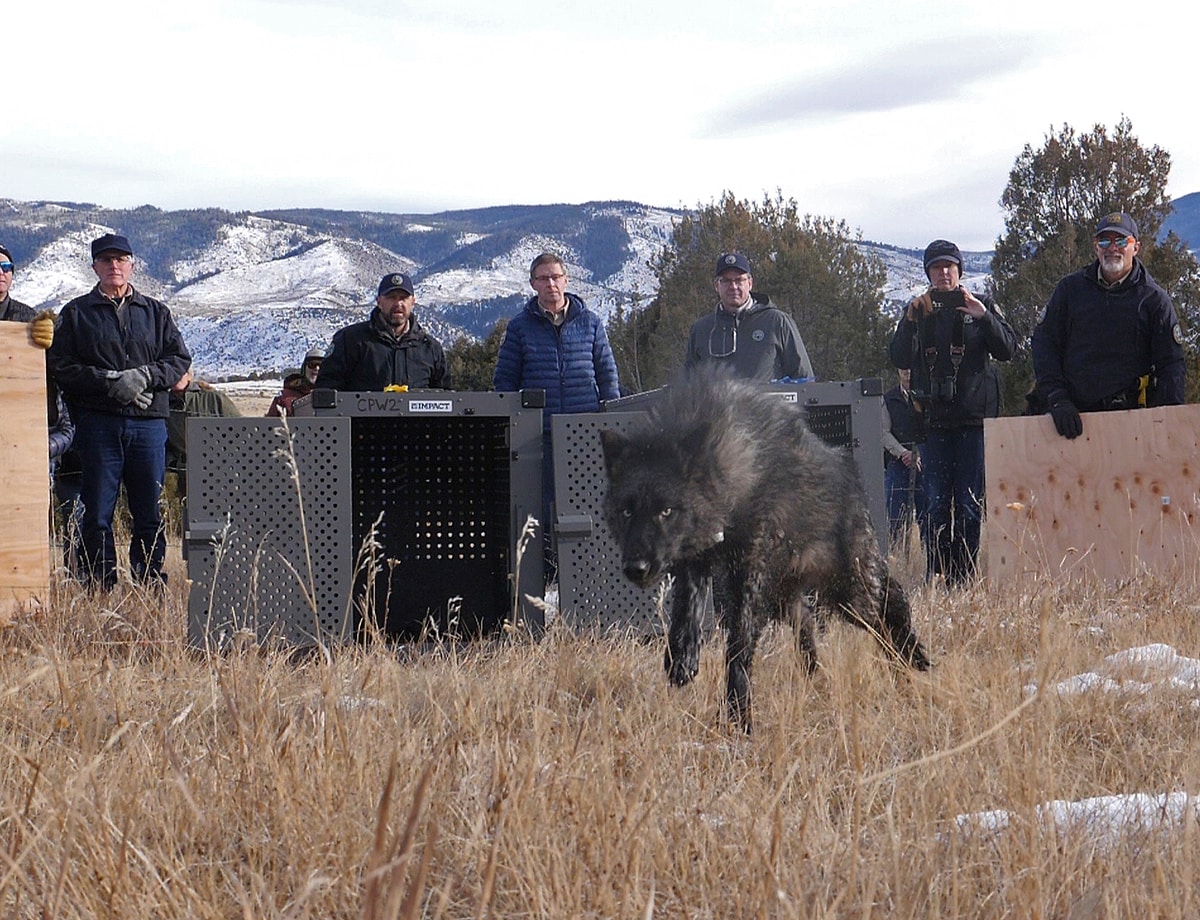
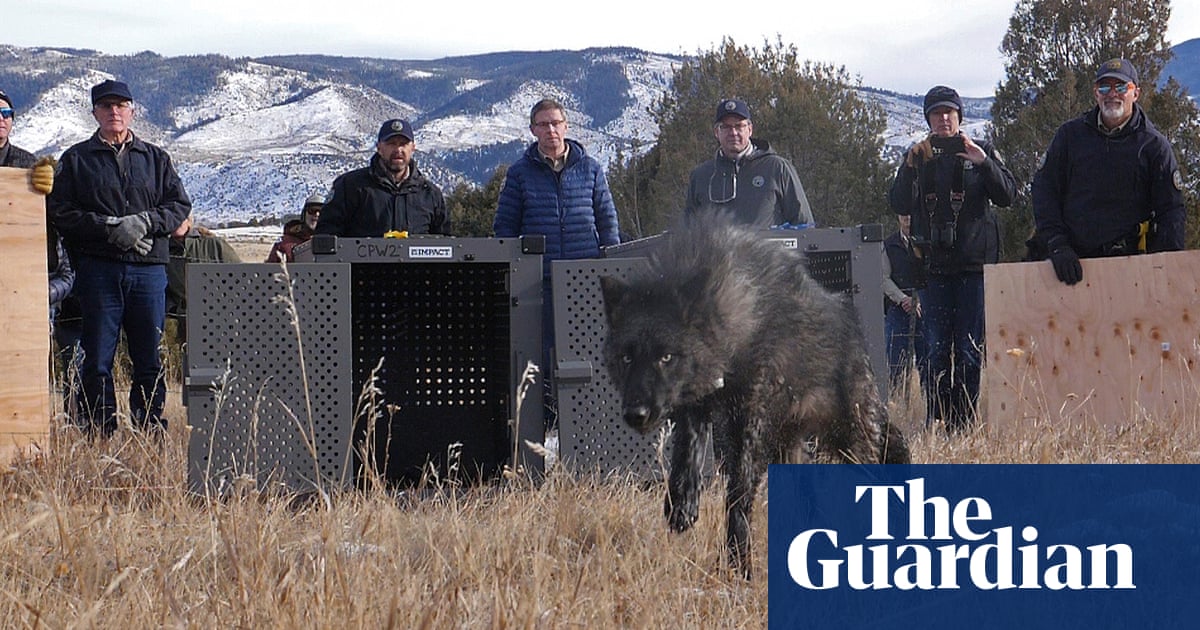
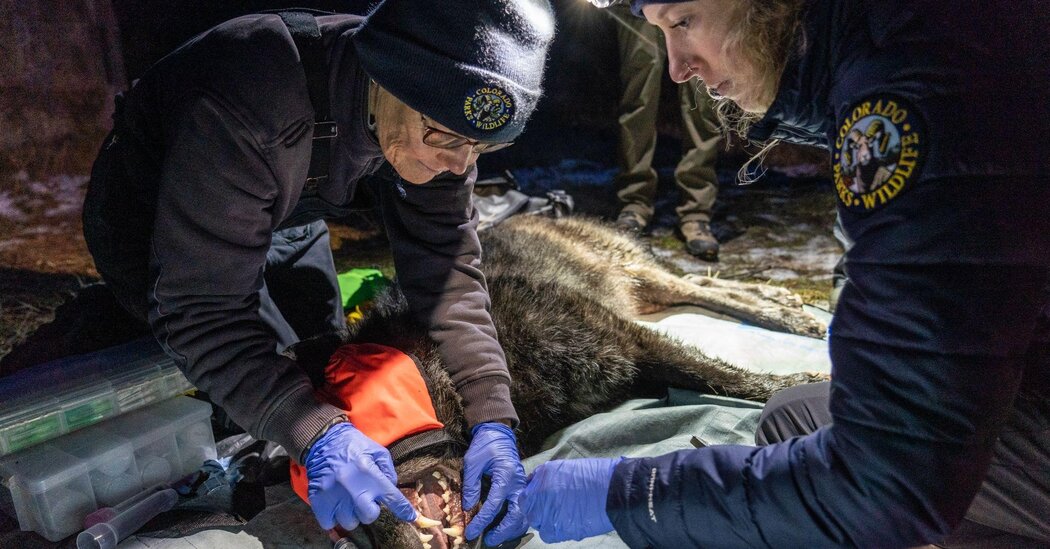
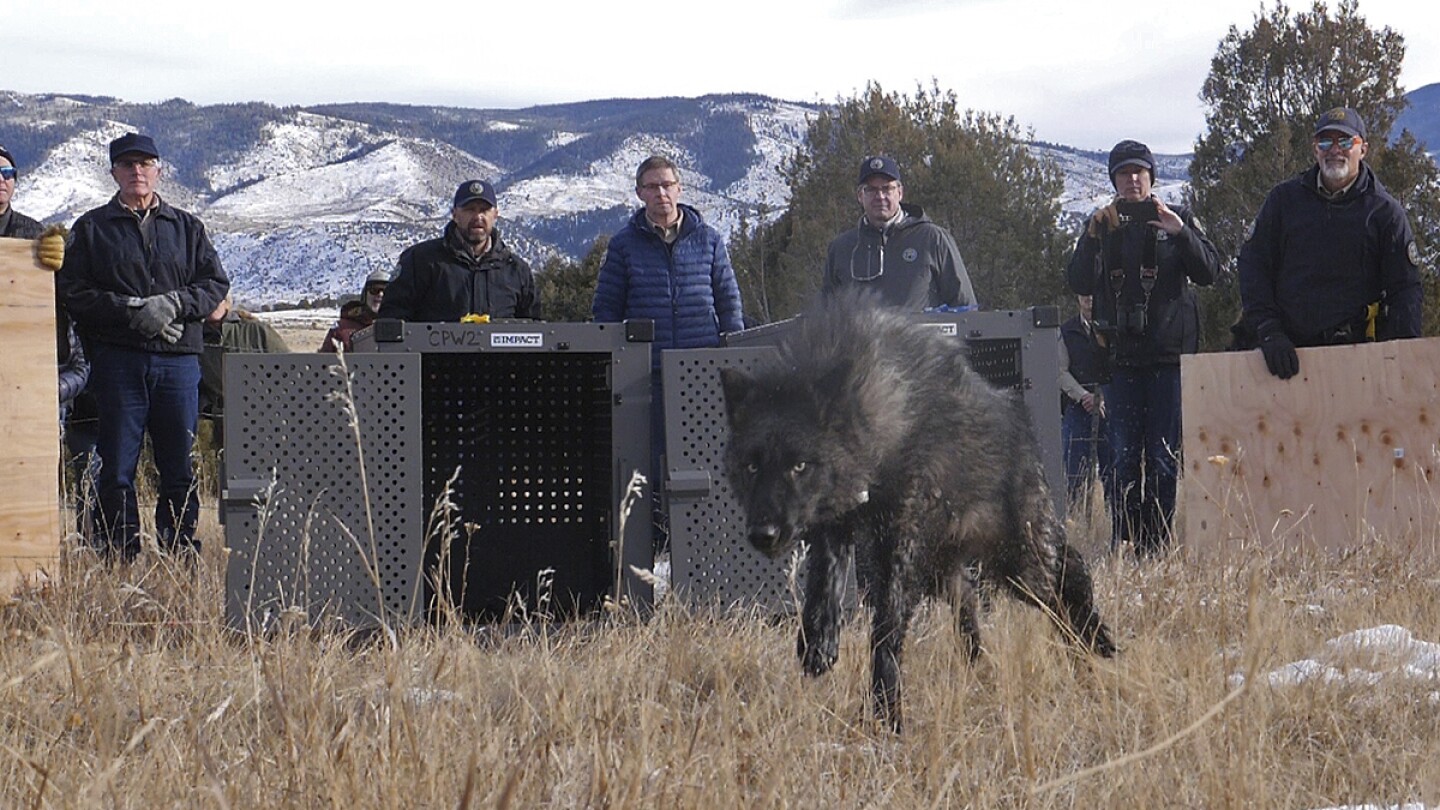
Five gray wolves have been released into the Rocky Mountain woods in Colorado as part of the state's voter-backed reintroduction program. The arrival of these wolves marks the first time in nearly a century that wolves have returned to the state. The reintroduction effort has faced opposition from ranchers and hunters, but advocates hope that the wolves will help restore a thriving population and complete a chain of canis lupus from the Northern Rockies to the Southwest. The state has implemented measures to manage conflicts between wolves and livestock, including compensation for livestock producers. The plan is to release 30 to 50 wolves over the next three to five years.
Colorado has reintroduced five gray wolves in an effort to restore the endangered species, with plans to release more in the coming months. The wolves were brought over from Oregon after other states refused to share their wolves. While the plan has received support from conservationists, ranchers and rural communities are concerned about the threat to livestock and hunting. The state will compensate ranchers for any losses, and wolves that threaten livestock can be killed. The reintroduction of gray wolves in Colorado is seen as a historic event, as it marks the first time voters have decided to reintroduce a native species.
Wildlife officials in Colorado have released five gray wolves onto public land as part of a program to restore a permanent population of the predators to the state. This comes after a 2020 referendum in which Colorado residents voted to reintroduce wolves. The release has sparked tensions between ranchers and conservationists, with ranchers concerned about the threat to livestock and conservationists highlighting the potential ecological benefits. The presence of apex predators like wolves can help restore balance in ecosystems by controlling prey populations. While some ranchers are resigned to the return of wolves, others are prepared to kill them if they attack livestock.
Colorado congresswoman Lauren Boebert criticized the reintroduction of gray wolves to a remote area in Colorado's Rocky Mountains, expressing concern over potential attacks on livestock. Despite opposition from ranchers, the reintroduction effort was approved by voters in 2020. Boebert argued that the decision disregarded the concerns of rural America and called for listening to ranchers and farmers instead of radical environmental groups. The wolves were reintroduced after nearly being hunted to extinction, and advocates argue that they play a crucial role in the local ecosystem.
Colorado has released five gray wolves in a remote part of the Rocky Mountains as part of an ambitious reintroduction program, despite opposition from conservative rural areas. The wolves were set free from undisclosed locations, marking the beginning of the most significant wolf reintroduction effort in the US in almost three decades. The program aims to release 30 to 50 wolves within the next five years to fill in one of the last remaining major gaps in the western US for the species. While wildlife advocates are excited, ranchers are anxious about potential attacks on livestock.