The article explores different perspectives on what it means to be rich, emphasizing that wealth is subjective and can include factors like lifestyle, freedom from debt, peace of mind, and building generational wealth, rather than just income or net worth. It features insights from high earners and Reddit discussions, highlighting that true wealth involves financial independence and personal fulfillment.

The article discusses the FIRE (Financial Independence, Retire Early) movement, highlighting stories like Nik and Adinah Johnson who achieved early retirement through frugal living and saving, inspired by figures like Mr. Money Mustache. It emphasizes the importance of intentional spending, saving 25 times expenses, and living a life aligned with personal values to attain financial independence and early retirement.
Gabrielle Union shared that her first big paycheck led her to buy a Mazda Miata, which she later found to be a poor financial decision due to depreciation and uncomfortable leather seats, highlighting her humorous reflection on her early financial choices. She also discussed her and Dwyane Wade's balanced financial approach and prenuptial agreement, emphasizing her independence.
Brad Barrett, host of the ChooseFI podcast, highlights four common mistakes early retirees make: retiring without a clear plan for post-work life, not experimenting with new activities, lacking pride in their FI status, and delaying retirement due to fear of insufficient funds. He emphasizes the importance of viewing retirement as a transition toward a fulfilling life, not just a financial milestone.
BlackRock CEO Larry Fink warned of an impending retirement crisis as baby boomers prioritize their own financial well-being, leaving younger generations economically anxious. However, some boomers, like Joe Sanchez and Libby Wood, continue working past retirement age for financial independence and a sense of purpose. Others, like John Goodman and Allen Kanerva, dread the idea of retirement and find fulfillment in their work. The aging population's impact on the labor force is prompting a retirement revolution, with some retirees returning to work, especially in remote and hybrid roles, to find purpose and contribute their valuable experience.
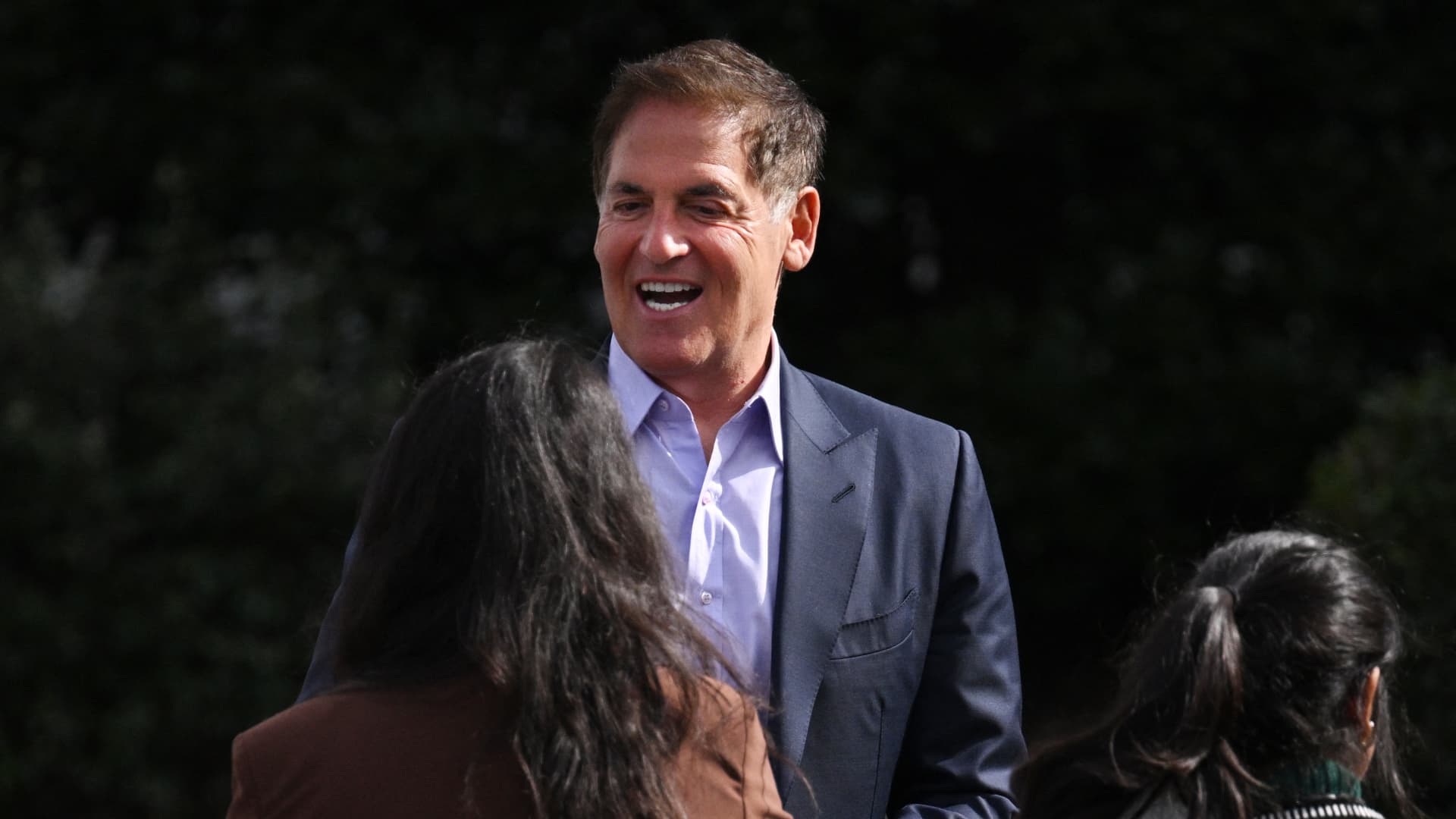
Mark Cuban celebrated becoming a millionaire by throwing away his watch, symbolizing his desire to control his own time. His father's work ethic inspired him to prioritize independence, leading him to buy a private plane after selling his company for $5.7 billion. Cuban's focus on time hasn't wavered, as he continues to prioritize family, business ventures, and personal freedom.
Ranchers Erika and Cody Archie faced backlash for charging their 19-year-old daughter $200 a month in rent after her high school graduation, aiming to teach her financial responsibility. Despite criticism, they believe in instilling good money skills and independence in their children, emphasizing that "nothing in life is free." The couple's approach reflects their belief that children should learn the value of money and not rely on their parents for financial support indefinitely.
The author is focused on achieving financial independence by growing passive income streams through investing in high-quality dividend stocks. They recently purchased more shares of Chevron, Realty Income, and Verizon, believing that these stocks will help them reach their goal. Chevron is expected to continue growing its dividend due to its strong cash flow and investment focus, while Realty Income aims to increase its high-yielding payout through acquisitions and financial flexibility. Verizon, with its significant cash flow and 5G infrastructure investments, is also anticipated to continue raising its dividend.
The author is focused on achieving financial independence by growing passive income streams through investing in high-quality dividend stocks. They recently purchased more shares of Chevron, Realty Income, and Verizon, citing reasons such as Chevron's consistent dividend growth, Realty Income's strong financial flexibility and growth potential, and Verizon's significant cash flow and 5G infrastructure investments. The author believes these stocks align with their strategy of investing in higher-yielding dividends that are expected to continue rising, and they plan to continue adding to these positions in pursuit of financial freedom.
The debate between joint and separate bank accounts for couples continues, with experts suggesting a mix of both types to serve different purposes. Separate accounts offer financial independence, accommodate different spending habits, and provide an escape hatch in case of a breakup, while joint accounts simplify bill-paying and promote transparency and trust. While both types have their merits, experts lean slightly towards separate accounts, emphasizing the importance of independence in the event of a relationship ending.
A Pew Research study shows that three-fifths of parents with adult children provided financial help in the past year, highlighting the ongoing financial support parents provide to their grown-up kids. With economic challenges facing young adults, including rising college costs and housing prices, parents are increasingly using their retirement savings to assist with expenses such as household bills, cell phone bills, rent, and education. While this support can be beneficial, financial planners caution that parents need to ensure their own financial needs are met and avoid jeopardizing their retirement savings.
Generation Z is more educated and earning higher wages than their parents were at the same age, but they are facing challenges in achieving financial independence due to soaring student loan debt and housing costs. Many are delaying key life milestones such as homeownership, marriage, and having children. A significant portion of Gen Z adults are living with their parents due to financial constraints, and while this arrangement has economic and emotional benefits, it reflects the difficulties young adults face in achieving autonomy in today's economy.
A Pew Research Center study explores the relationship between parents and their young adult children, finding that most parents are highly invested in their children's lives and feel proud and hopeful about their future. The study reveals that parents are very involved in their young adult children's lives, providing emotional and financial support, with mothers often being more connected than fathers. While most young adults are fine with their parents' level of involvement, they are reaching key milestones of adulthood later than previous generations, such as marriage and parenthood. Additionally, more young adults are living with their parents, with mixed impacts on their financial situation and independence.
A new Pew report reveals that young Americans aged 18-34 are struggling to achieve complete financial independence, with nearly half receiving financial help from their parents, particularly to cover household expenses and housing costs. Despite being more likely to be employed full-time and better educated than previous generations, they face modest wage increases, significant student loan debts, and higher housing costs. This financial pressure is also impacting their ability to start families. Additionally, the report highlights that some parents, especially those with lower incomes, are also facing financial challenges as they support their adult children.
Jenna Bhaloo and Neil Desai, a 30-year-old couple in Chicago, aim to achieve a net worth of $2.5 million by their early 40s to attain financial independence. With a combined annual income of $227,000, they prioritize living below their means while still enjoying life, focusing on savings and investments. Both debt-free, they track their spending using a budgeting app and are open to splurging on food and travel. Their future plans include potentially moving abroad and continuing to pursue their love of traveling.