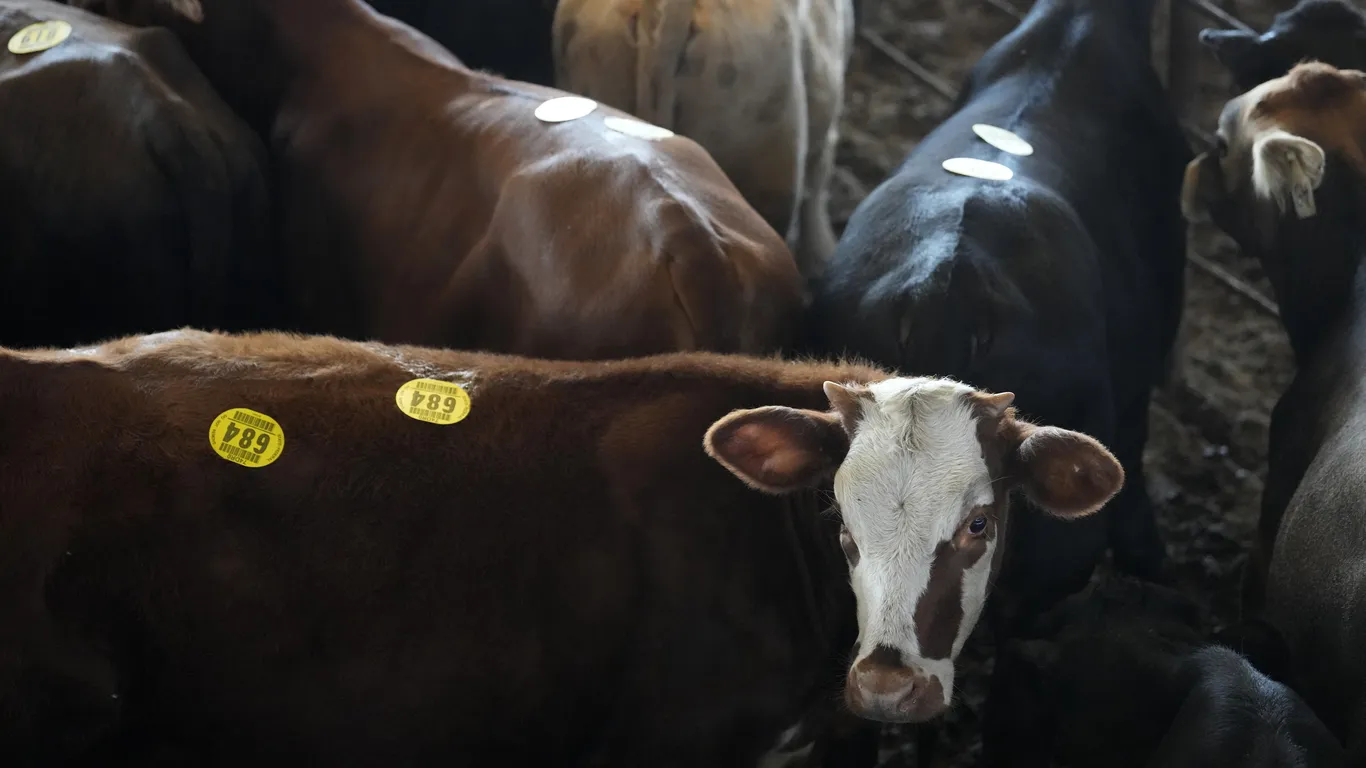
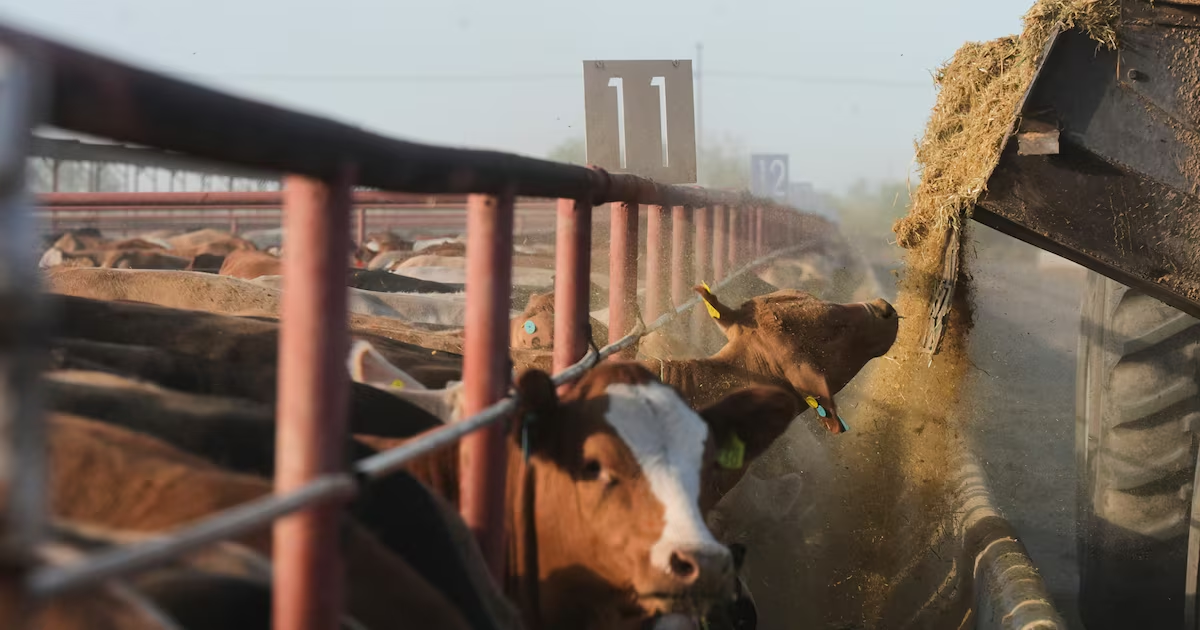
The White House supports increasing beef imports as a quick way to lower consumer beef prices, despite opposition from domestic producers and some Congress members, aiming to address rising prices driven by structural issues like drought and labor shortages.
Texas has banned the sale and production of lab-grown meat for two years under Senate Bill 261, primarily to protect the cattle industry, despite concerns that the law may violate consumer rights and is influenced by agricultural lobbying. The ban has faced criticism and legal challenges, with some arguing it restricts consumer choice and stifles innovation.
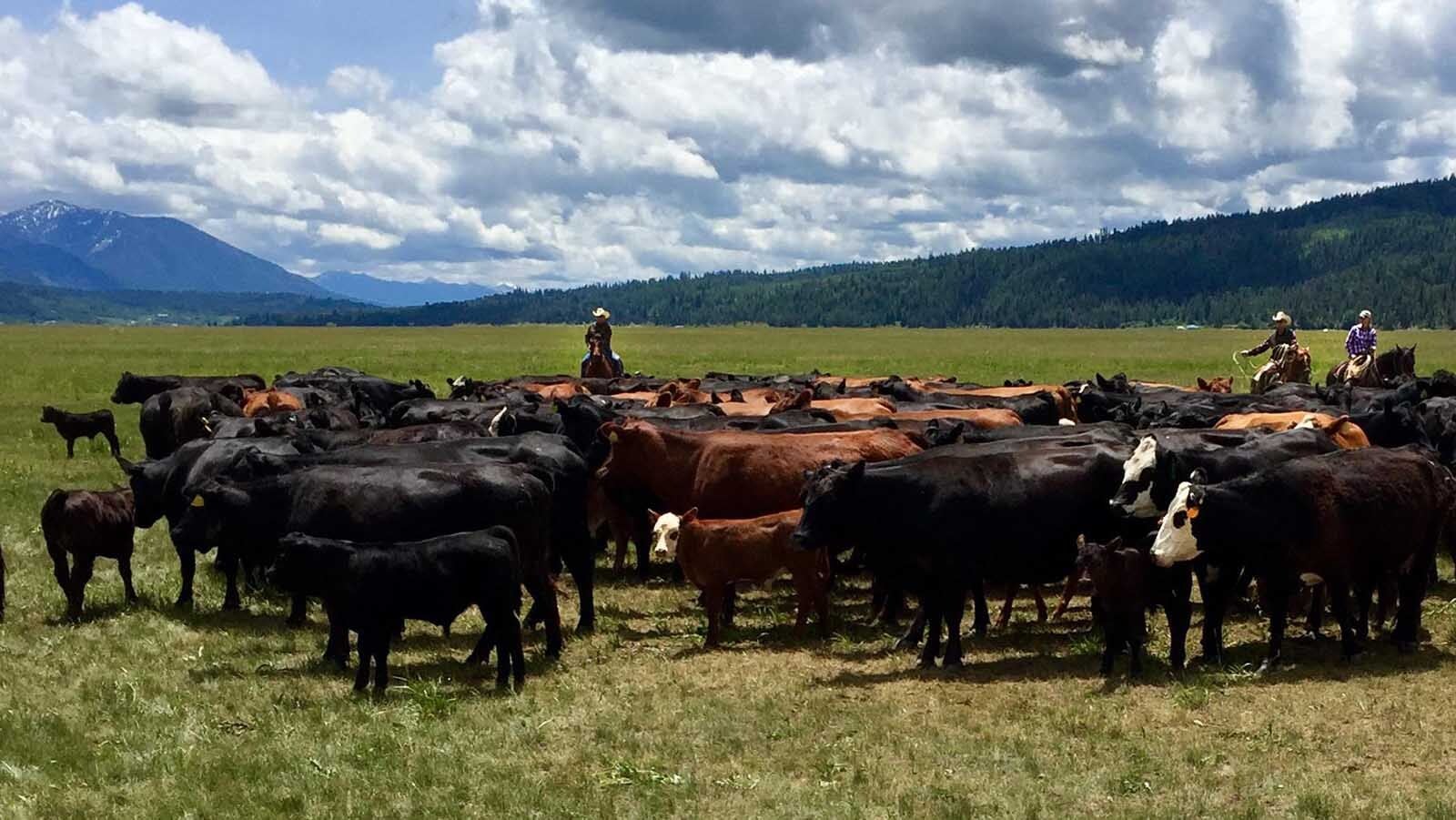
Record-high beef prices are prompting some aging ranchers to sell off their herds and exit ranching, while others hold on for continued profits, leading to a tight ranch real estate market and shifts in ownership dynamics. The industry faces challenges like labor shortages, drought, and rising costs, but strong demand and international markets sustain high prices, influencing the future landscape of American cattle ranching.
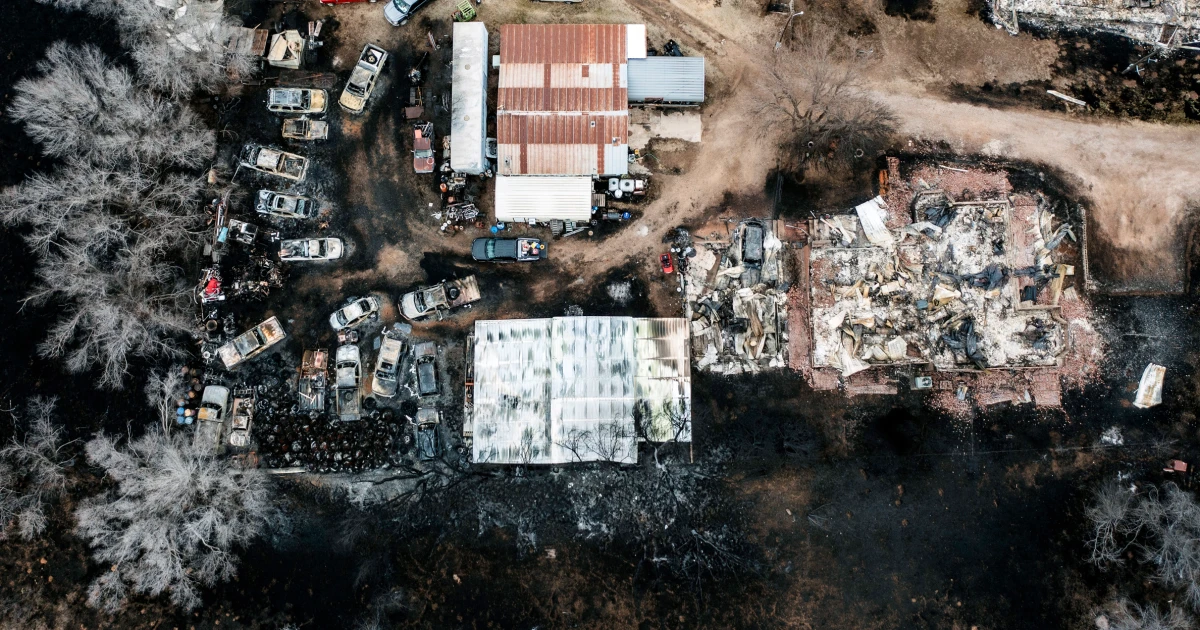
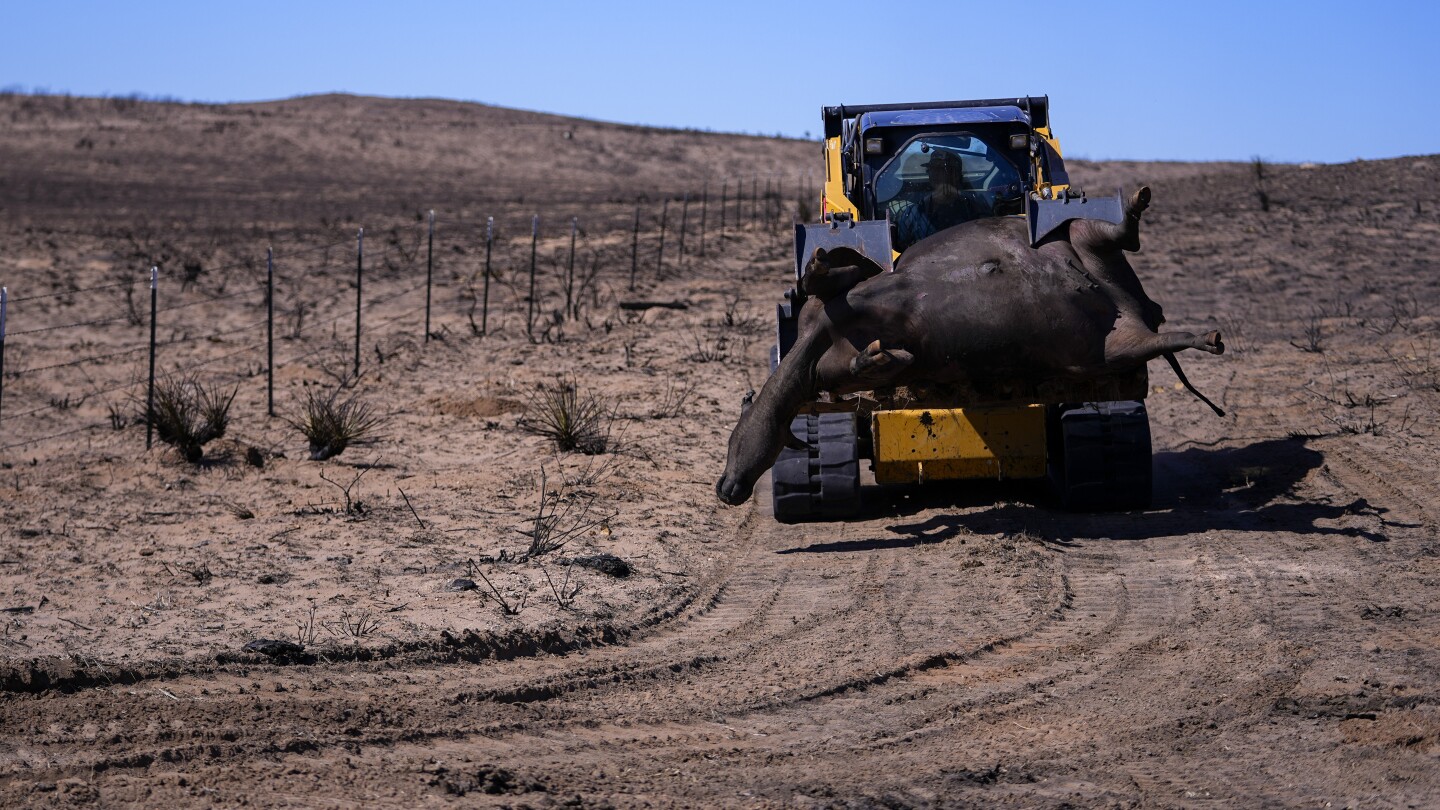
Texans are facing catastrophic damages from some of the largest wildfires in the state's history, with as many as 500 homes and structures destroyed and at least two people dead. The impact on the cattle industry is significant, as the Panhandle region, which is one of the most affected areas, is home to roughly 85% of the 12 million cattle in Texas. Ranchers are not only dealing with animal losses but also struggling to keep surviving cattle alive due to the destruction of open fields used for grazing and feeding. The economic toll on the Texas cattle industry remains unclear, with ranches spanning tens of thousands of acres expected to be among the hardest hit.
Firefighters battling the largest wildfire in Texas history are facing increasingly difficult weather conditions, with winds gusting up to 45 mph, humidity below 10%, and a high temperature of 75°F. The fire has killed at least two people, destroyed around 500 structures, and burned more than 1,700 square miles, merging with another fire and crossing into western Oklahoma. The cause of the fire is under investigation, but strong winds, dry grass, and unseasonably warm weather have fueled the flames. The Texas governor has warned of potential fire dangers, and the impact on the cattle industry could result in devastating losses for individual ranchers.
Fierce winds and dry weather are exacerbating the largest wildfire in Texas' history, which has already claimed two lives, destroyed hundreds of structures, and killed thousands of cattle. Red flag warnings are in place for over 8 million people across the Central Plains, with multiple fires scorching the Texas panhandle. The blaze threatens the state's cattle industry, with devastating impacts on farmers and their livestock. Urgent warnings have been issued ahead of Texas' Independence Day, and fundraising efforts are underway to support those affected. Governor Greg Abbott described the devastation as "utter" and "unlike anything" he had seen before, with over 400 structures already confirmed destroyed.
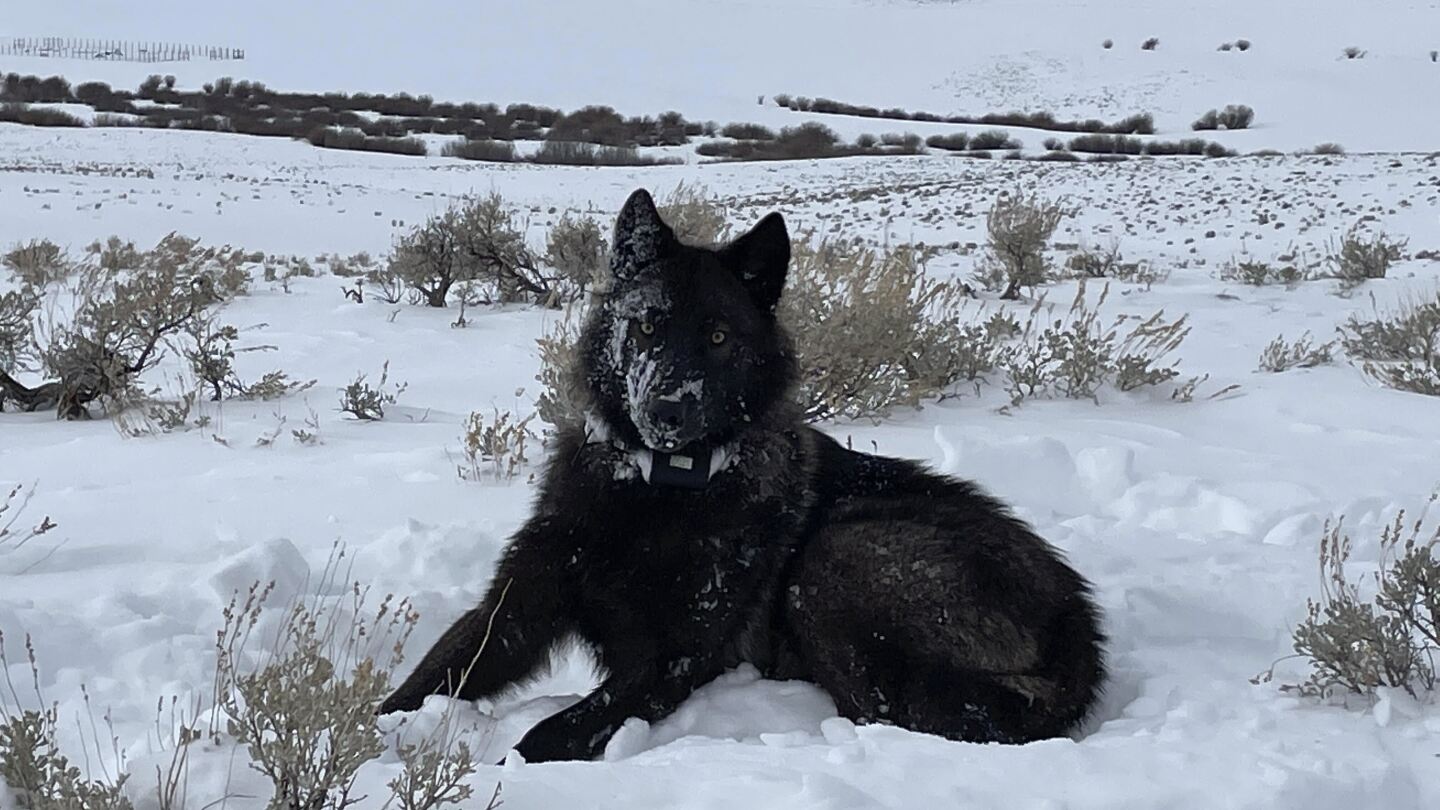
A federal judge has denied a request from Colorado's cattle industry to temporarily halt the reintroduction of gray wolves in the state. The judge's ruling allows Colorado to proceed with its plan to capture and transport up to 10 wolves from Oregon starting Sunday. The lawsuit, filed by the Colorado Cattlemen's Association and The Gunnison County Stockgrowers' Association, claims that the U.S. Fish and Wildlife Service failed to adequately review the potential impacts of the wolf reintroduction plan. However, the judge ruled that the ranchers' concerns did not outweigh the public interest in meeting the will of the people of Colorado, who voted for wolf reintroduction in a 2020 ballot initiative.
A judge has not yet ruled on a request to delay Colorado's plan to reintroduce gray wolves this month, following a lawsuit by the cattle industry seeking to halt the program. The Associated Press has withdrawn its story about the ruling.