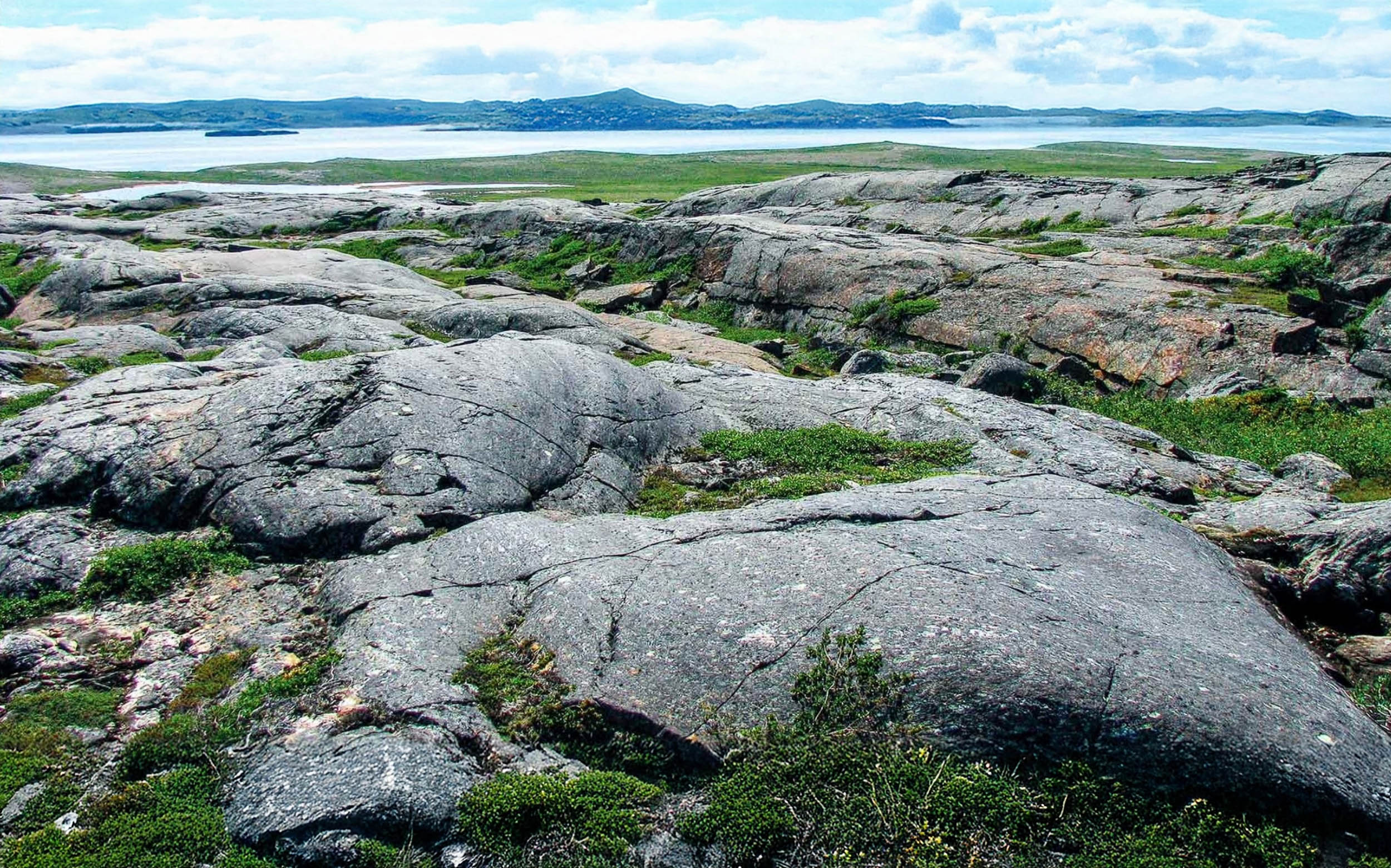
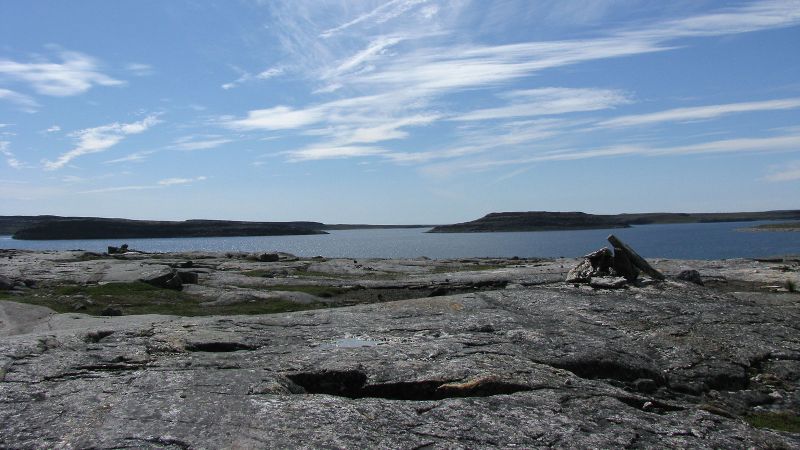
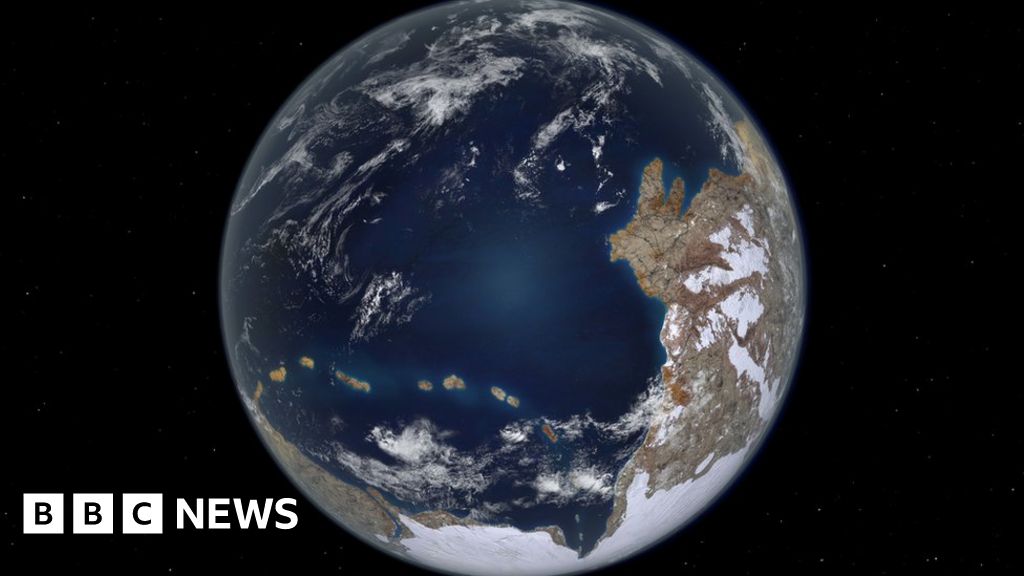
Scientists have confirmed the discovery of the oldest rocks on Earth in northern Quebec, dating back approximately 4.16 billion years, providing valuable insights into Earth's early crust and the planet's formation during the Hadean eon.
Scientists have identified what may be Earth's oldest rocks, dating back 4.16 billion years in the Nuvvuagittuq Greenstone Belt, providing insights into the planet's early history and the Hadean Eon, though some debate remains about the dating accuracy.
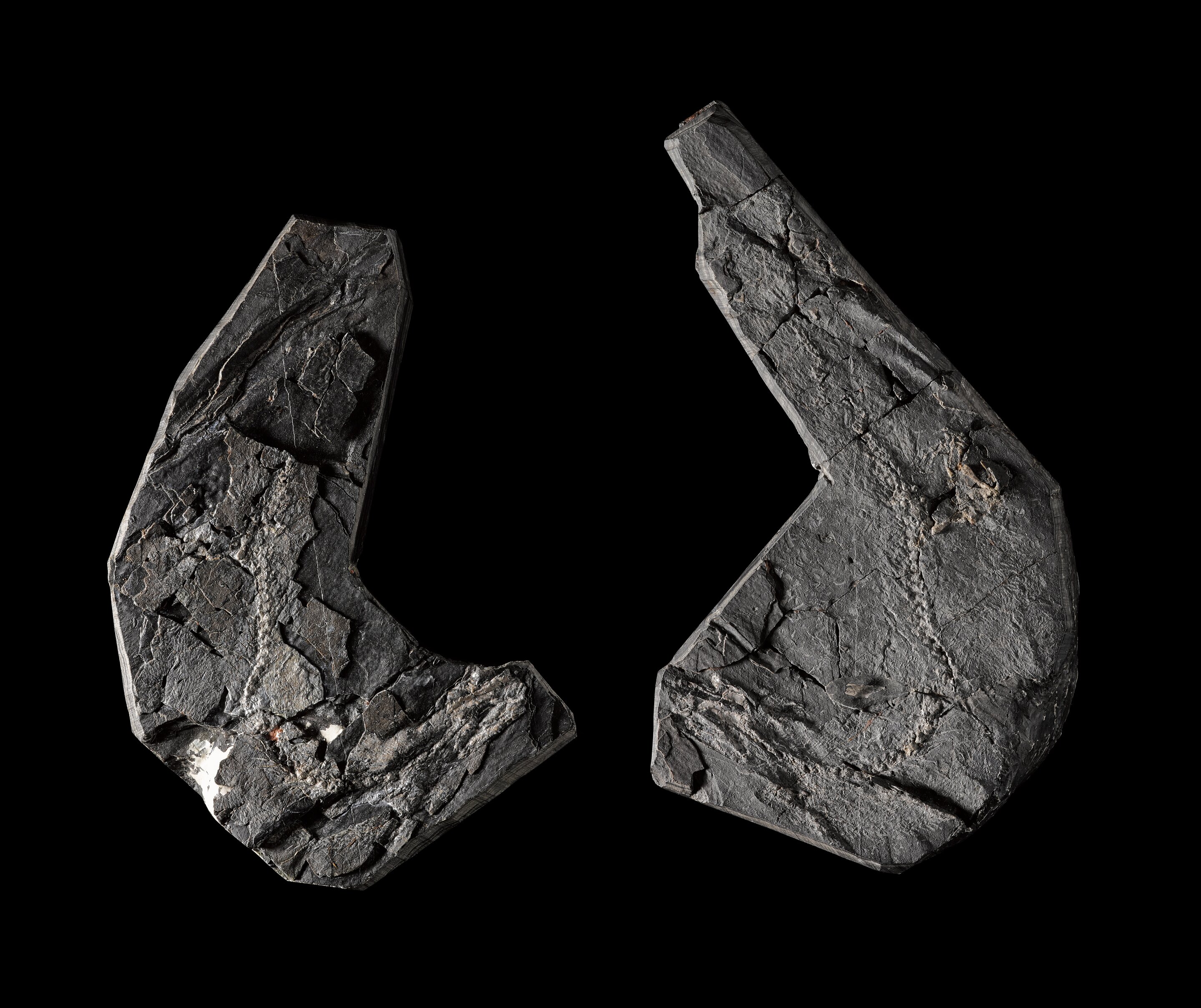
New research has revised the age of the Westlothiana lizziae fossil to 346 million years, making it older than previously thought and placing it within Romer's Gap, a critical period in vertebrate evolution when animals transitioned from water to land.
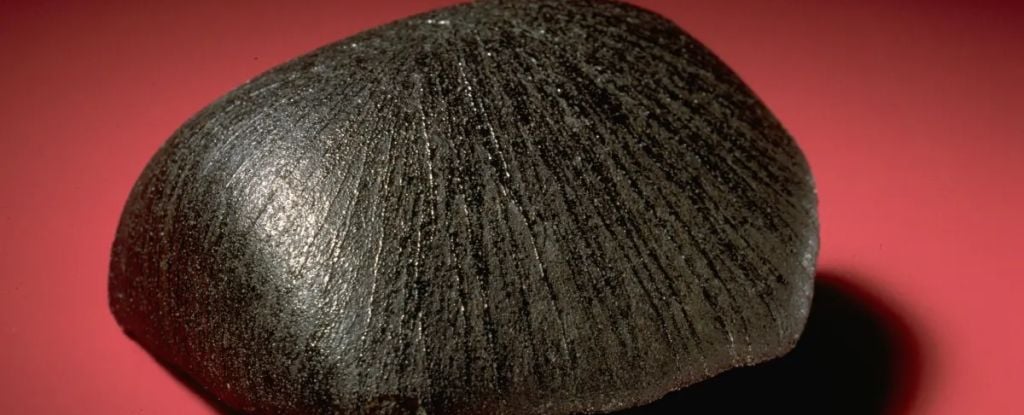
A new analysis of the Lafayette meteorite, which originated from Mars, reveals that liquid water was present on the planet 742 million years ago. This discovery, made possible through advanced radiometric dating techniques, suggests that water on Mars may have resulted from the melting of subsurface ice due to magmatic activity. The findings not only provide insights into Mars' geological past but also have broader implications for understanding the presence of water in the Solar System.
Fossils discovered in Welsh rocks in the 1970s have been dated to 564 million years ago, revealing details about some of Earth's earliest creatures. The disc-shaped invertebrates, found in Carmarthenshire, likely lived in shallow waters along the coast of volcanic islands during the Ediacaran period. These ancient organisms, too primitive to be described as animals, are unlike any other forms of life and are considered the oldest in Wales. The breakthrough in dating the fossils was due to the work of a Pembrokeshire-born PhD student, Tony Clarke, who has been working on radiometric dating at Curtin University in Perth, Western Australia.
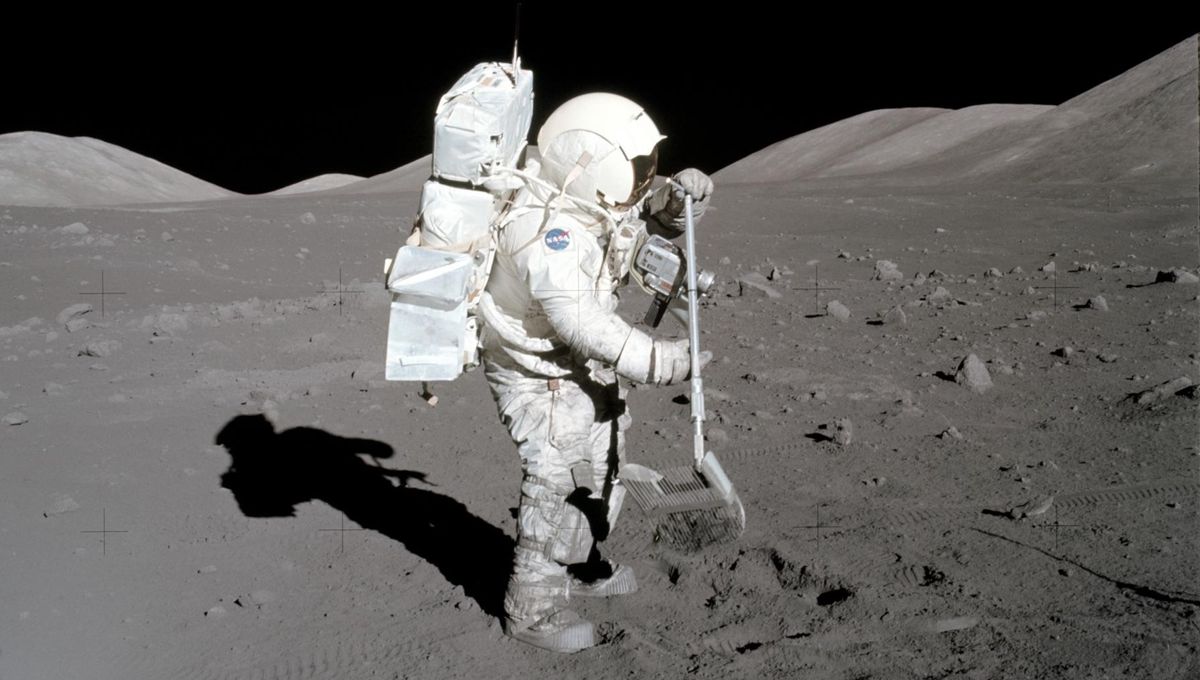
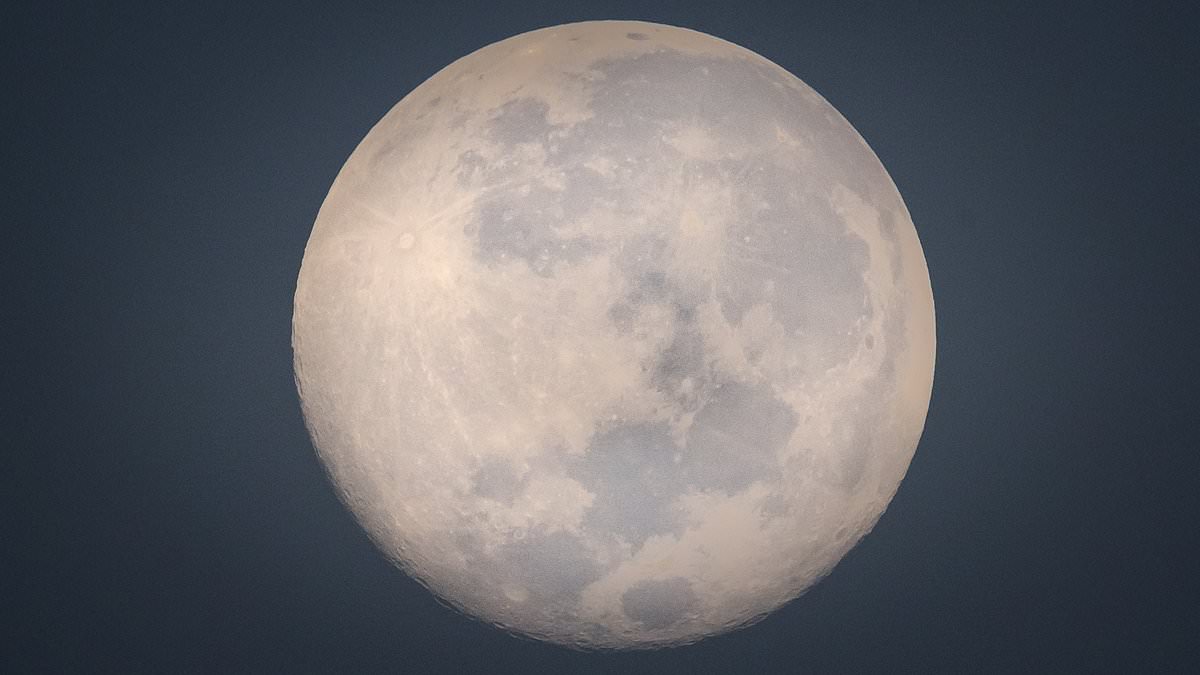
Analysis of zircon nanocrystals collected during the Apollo 17 mission suggests that the Moon is approximately 40 million years older than previously estimated, with an age of 4.46 billion years. These crystals serve as an anchor for the lunar chronology and were formed after the Moon's molten surface cooled. By using atom probe tomography and radiometric dating, scientists were able to measure the composition and age of the crystals, providing insights into the Moon's formation.
The moon is believed to be 40 million years older than previously thought, according to a study using lunar crystals brought back from the Apollo 17 mission in 1972. The crystals, which formed after the giant impact that created the moon, were analyzed using radiometric dating, pushing back the moon's age to at least 4.46 billion years old. Understanding the moon's age is important as it plays a crucial role in stabilizing Earth's rotational axis and influencing tides. The findings provide valuable insights into the formation and evolution of our natural system.
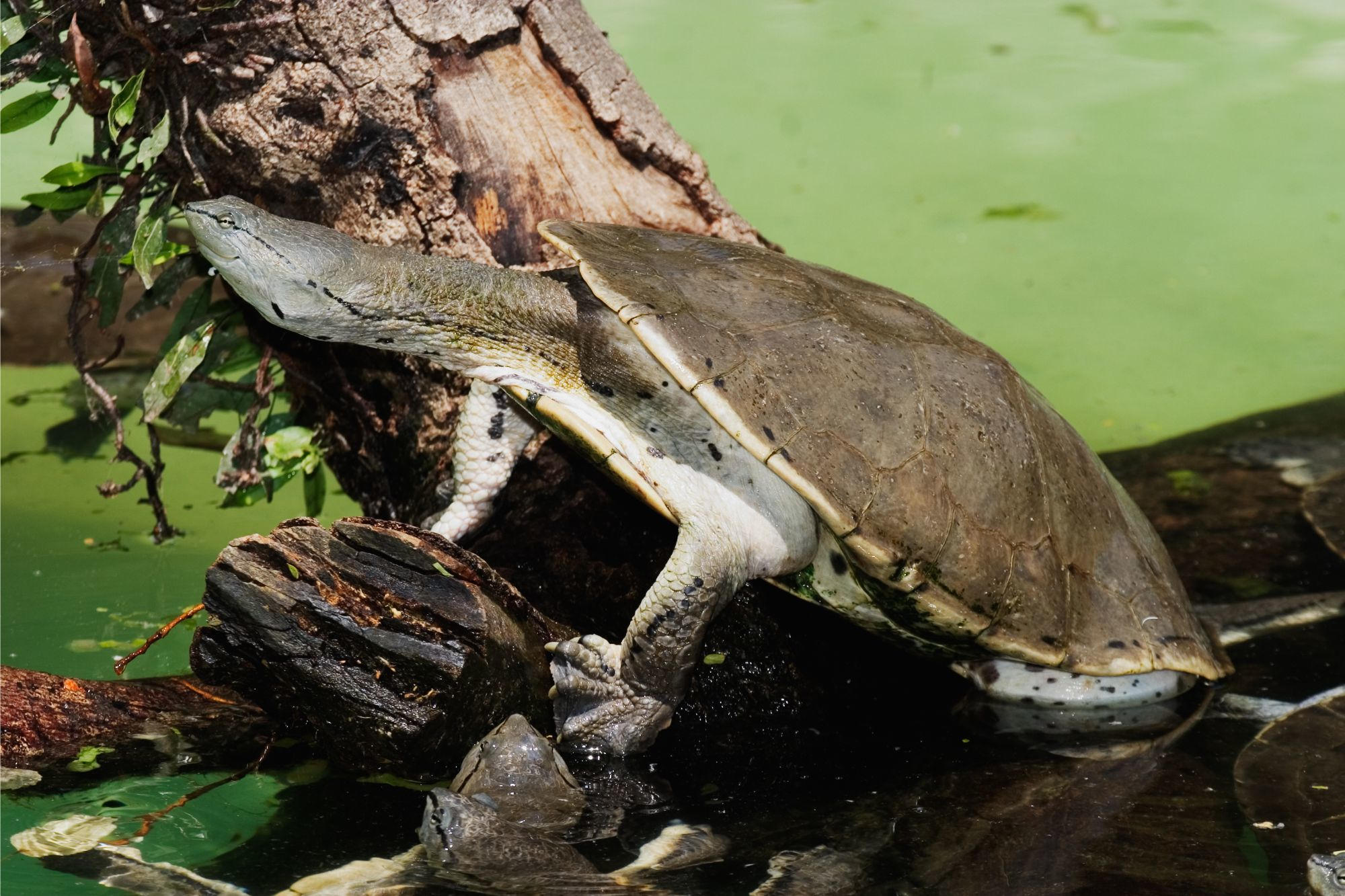
The first side-necked turtle fossil has been discovered in the UK on the Isle of Wight, dating back 127 million years. Using radiometric dating and CT scanning techniques, researchers from the University of Portsmouth confirmed its age and examined its internal structure. The fossil, found by an amateur collector, represents the earliest known instance of a side-necked turtle in the UK and provides valuable insights into the ancient fauna of the region.
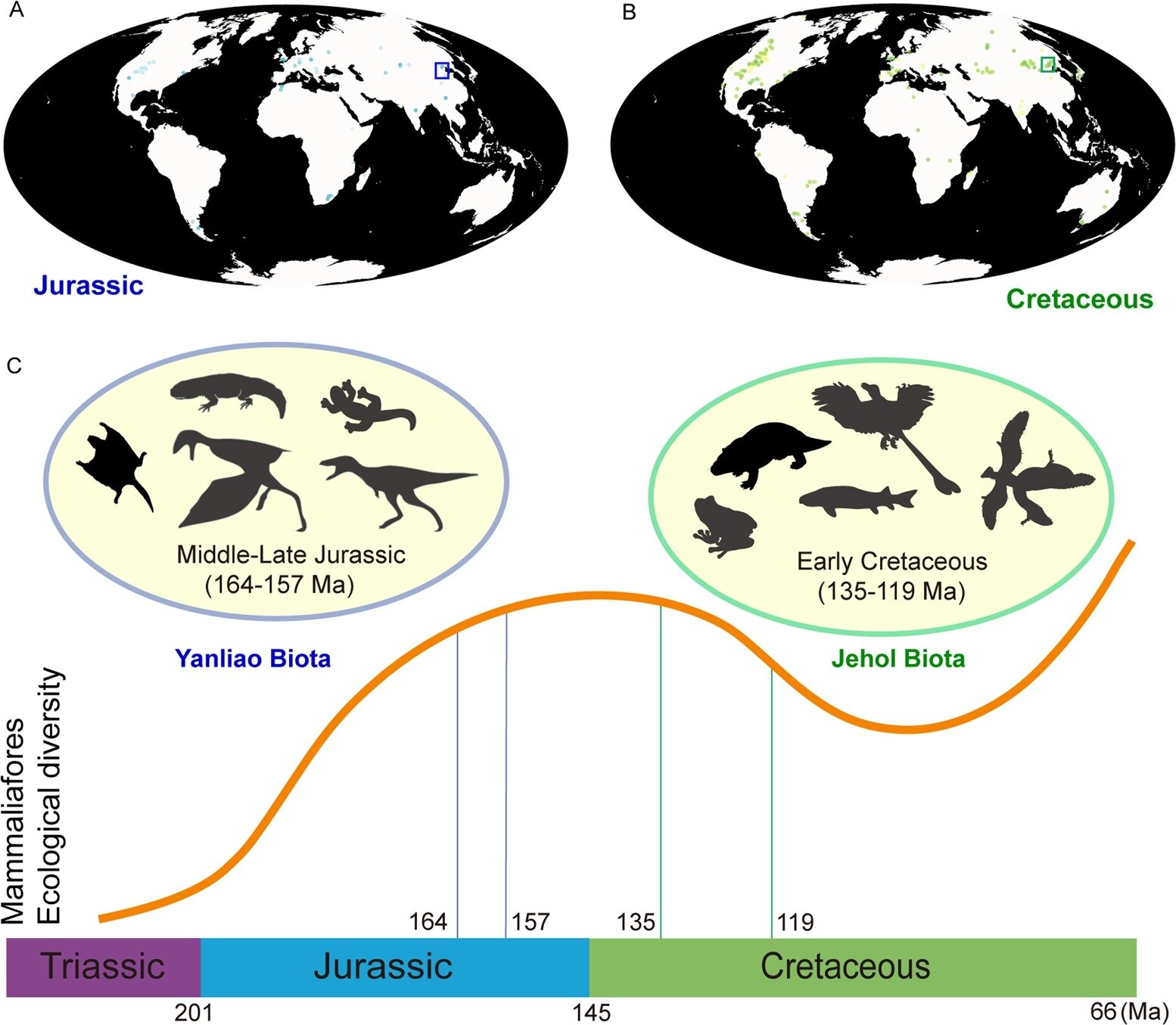
The Yanliao Biota, a collection of fossils from northeastern China dating back to the Middle to Late Jurassic, has been used to study the evolution of vertebrates. Researchers used volcanic ash layers to date the fossils with greater precision and found that the biota is between 164 and 157 million years old. The study identified the root of mammalian evolution back into the Late Triassic, spawning diversification in the Jurassic, supporting the long-fuse model. The researchers stress that there are likely more ghost lineages of hypothesized mammal ancestors to be found as researchers continue to explore the wonders of life on Earth in the deep past.
Earth's age is estimated to be around 4.54 billion years old. Radiometric dating is used to determine the age of rocks by measuring the ratio of radioactive elements to stable elements. Uranium-lead dating is one type of radiometric dating, and the mineral zircon is commonly used for this purpose. Scientists have found minerals on Earth that date as far back as 4.4 billion years, and rocks from other parts of the solar system have also been dated to around 4.5 billion years ago. The transition from primordial dust cloud to planet Earth happened over millions of years, making it difficult to pinpoint a specific year for the planet's formation.