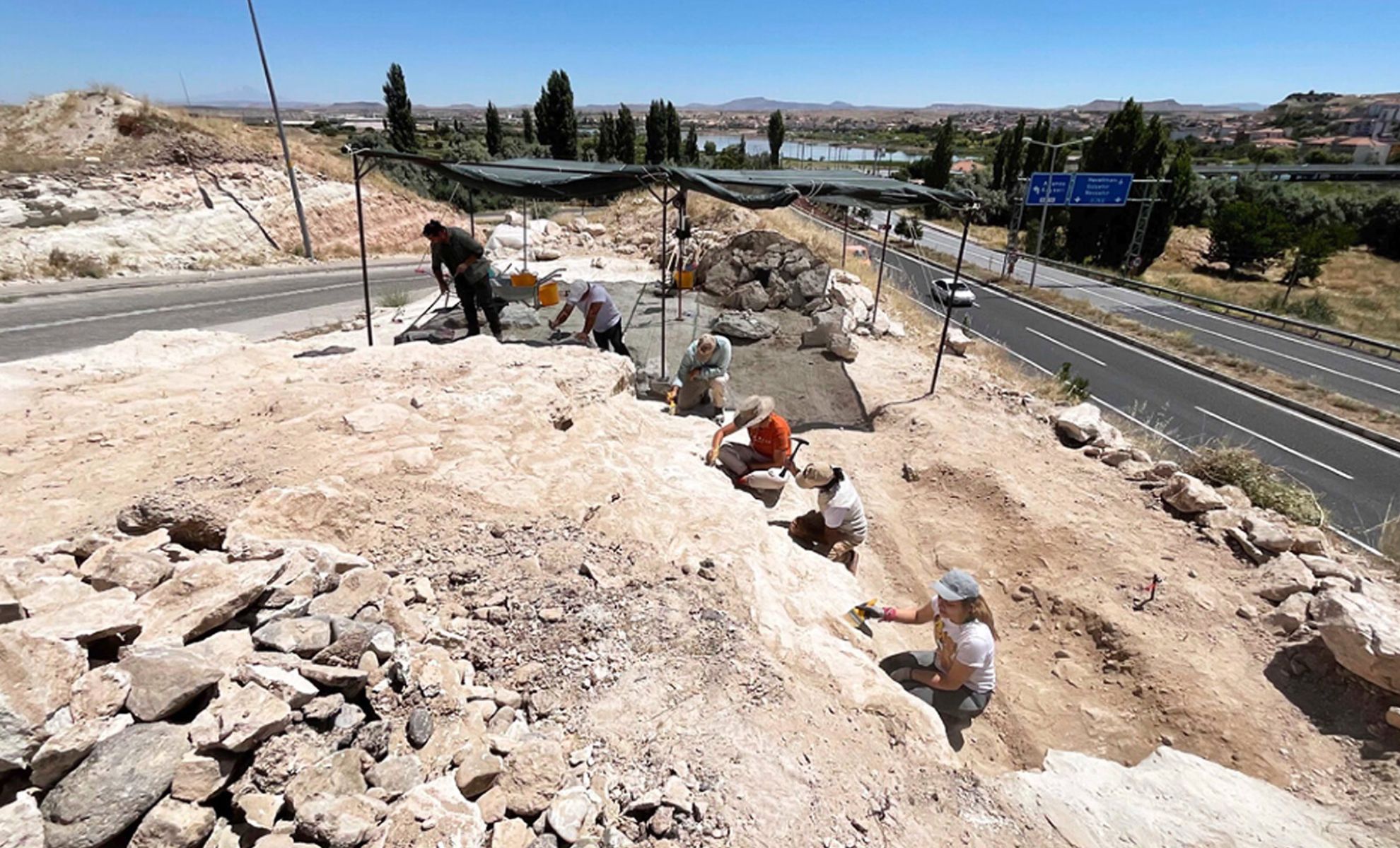
A study using advanced argon-argon dating on 10-million-year-old fossils in Turkey suggests that Anatolia played a more significant role in mammal and early human evolution than previously thought, challenging traditional African-centric models and highlighting the region's importance as a crossroads for species migration and climate-driven ecological change.
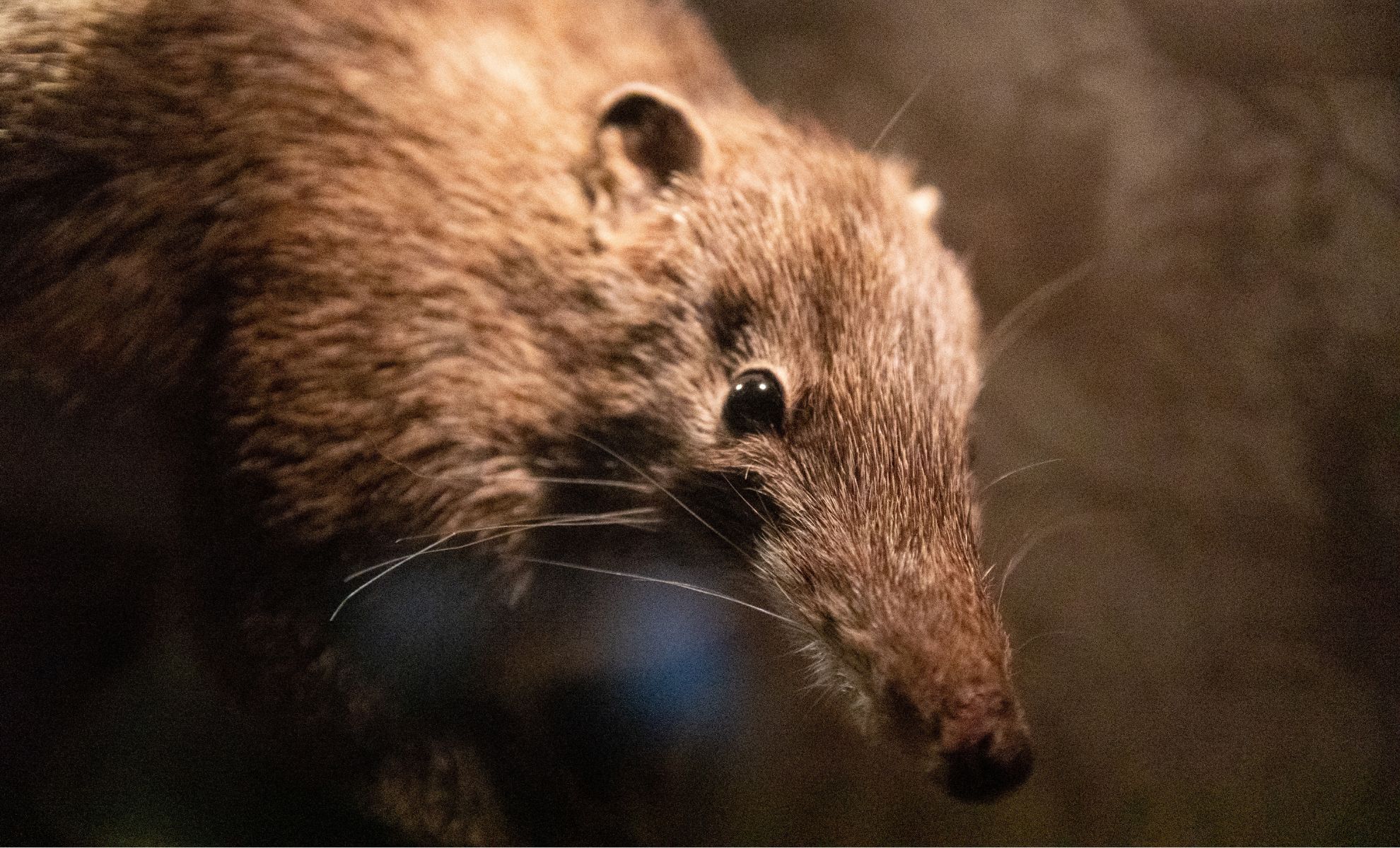
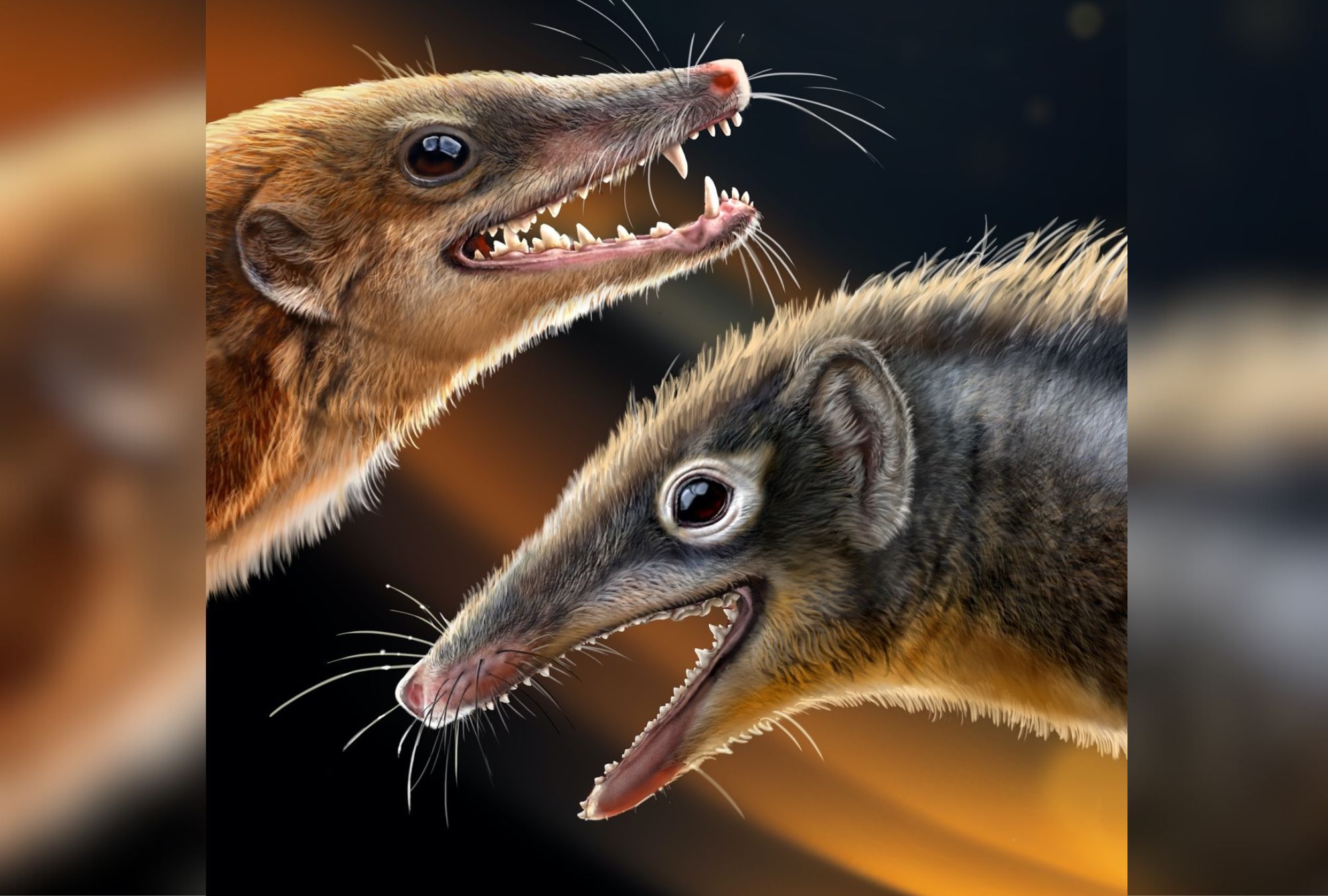
Scientists in Chile discovered a 74-million-year-old small mammal, Yeutherium pressor, that lived alongside dinosaurs, showcasing a unique mix of reproductive traits and highlighting the diverse ecosystem of late Cretaceous Patagonia. The find provides new insights into mammalian evolution and the ecological dynamics of that era.
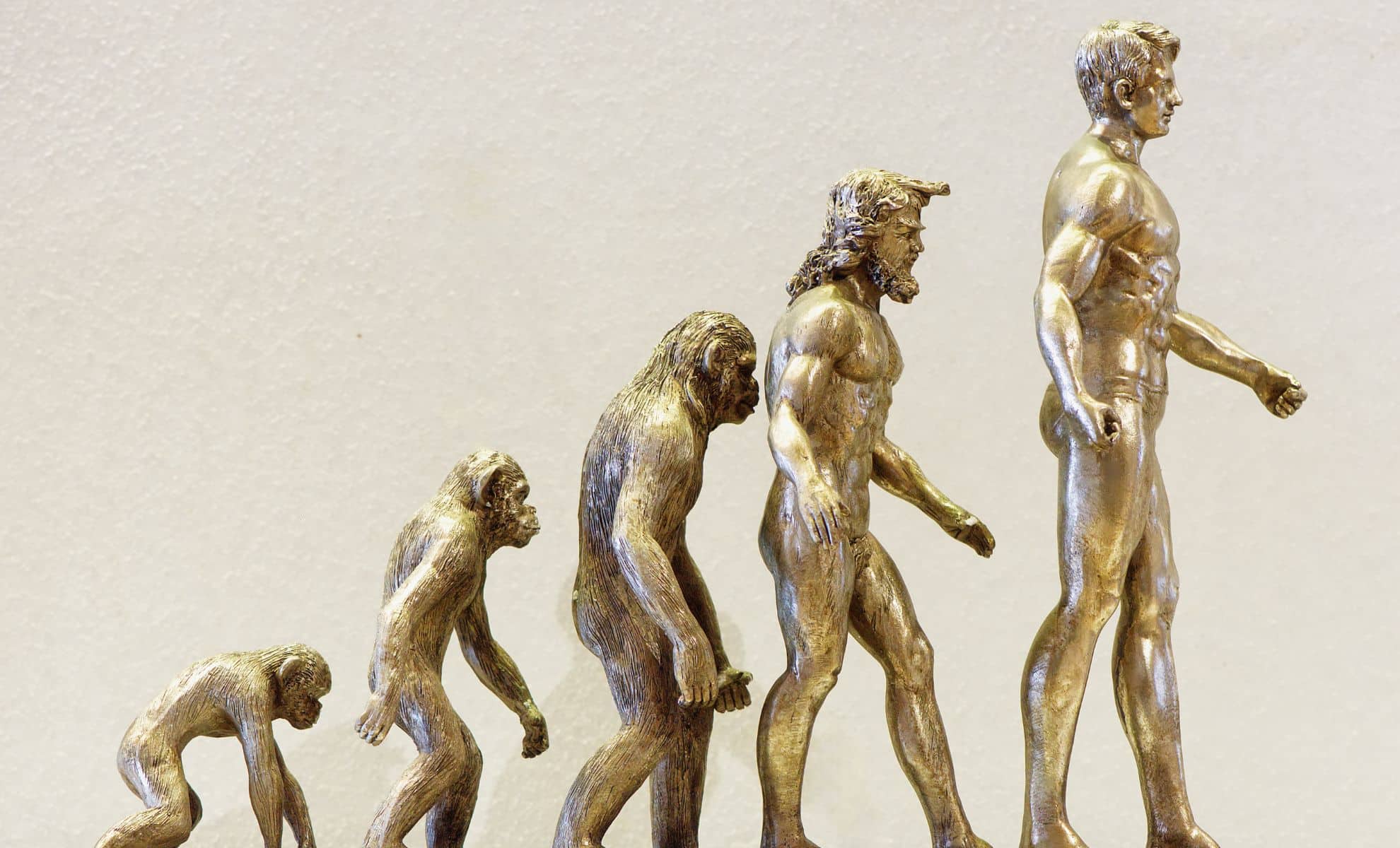
New fossil analysis reveals that mammals did not walk upright as early as previously thought, showing a complex, nonlinear evolutionary path with bursts of innovation and a later development of upright posture than once believed.
Two new species of early mammals from the Jurassic period, Feredocodon chowi and Dianoconodon youngi, have been discovered in Mongolia and China, shedding light on the evolution of mammalian middle ear from the jaw joint. These fossils provide insight into the transitional stages of mammalian evolution, showing incremental modifications that led to the advanced hearing systems found in modern animals. The discovery also challenges previous theories about the evolutionary history of mammaliaforms and provides vital insights into the phylogenetic relationships and evolutionary trajectories of shuotheriids, indicating unique ecomorphological adaptations within early mammaliaforms.
A study led by Michigan State University researcher Peter Williams reveals the profound influence of deep geographic isolation on the evolution of mammals, shedding light on the impact of biogeographic divides on modern ecology. The research highlights the crucial role that isolation played for mammals, emphasizing the significance of historical isolation in shaping biodiversity and its implications for conservation efforts. The study also explores the divergent evolutionary paths of mammals in different regions, showing how deep isolation has shaped their evolution and biodiversity patterns.
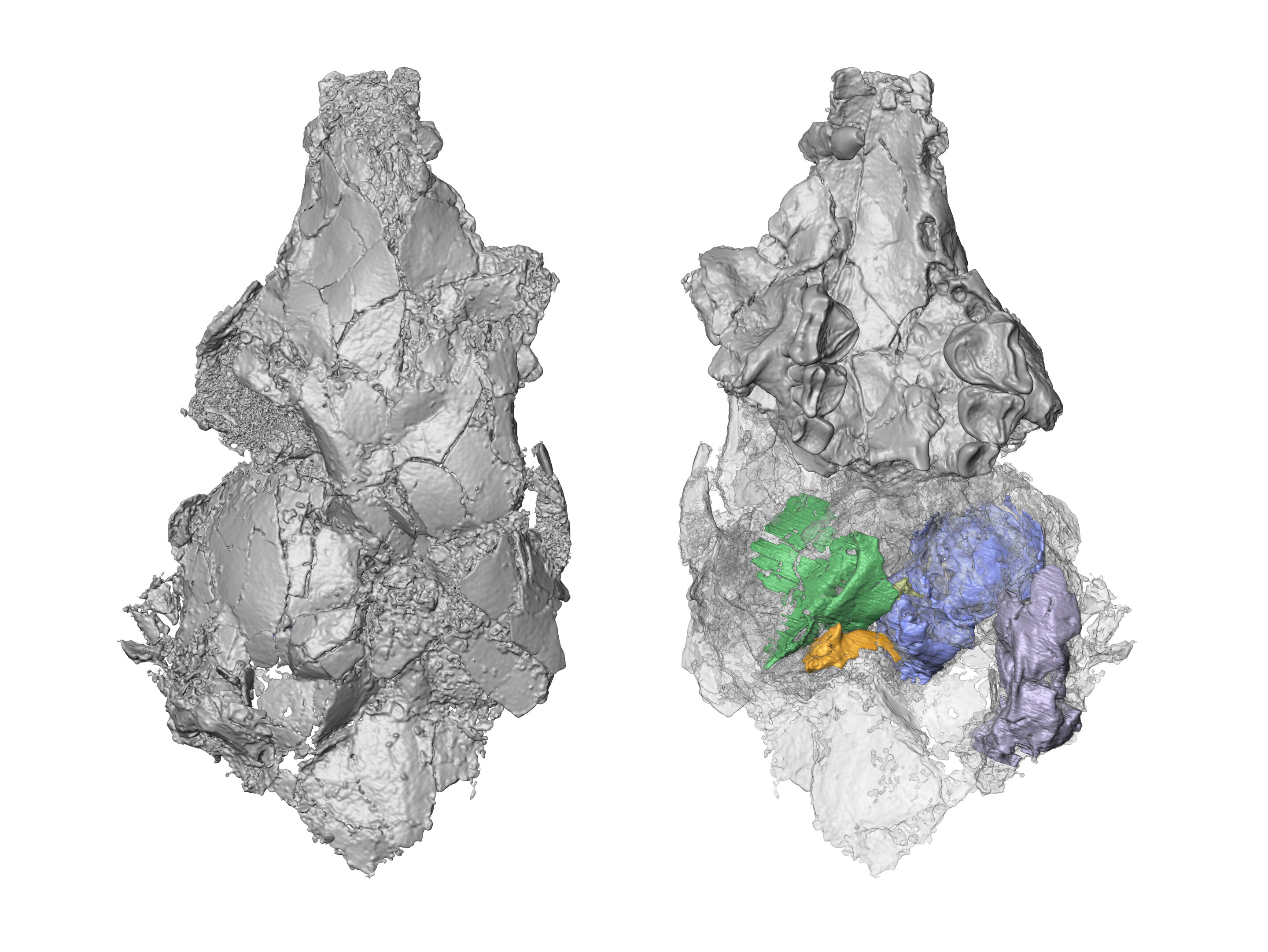
New research published in Biology Letters reveals that picrodontids, an extinct family of placental mammals, are not primates as previously believed, settling a paleontological debate that has lasted over 100 years. By using modern CT scan technology to analyze the only known preserved picrodontid skull, researchers determined that while picrodontids share dental features with primates, the bones of their skull are unlike those of any living primate or close fossil relatives of primates, suggesting independent evolution of dental similarities for similar diets. This study highlights the importance of revisiting old specimens with updated techniques and sheds light on primate evolution.
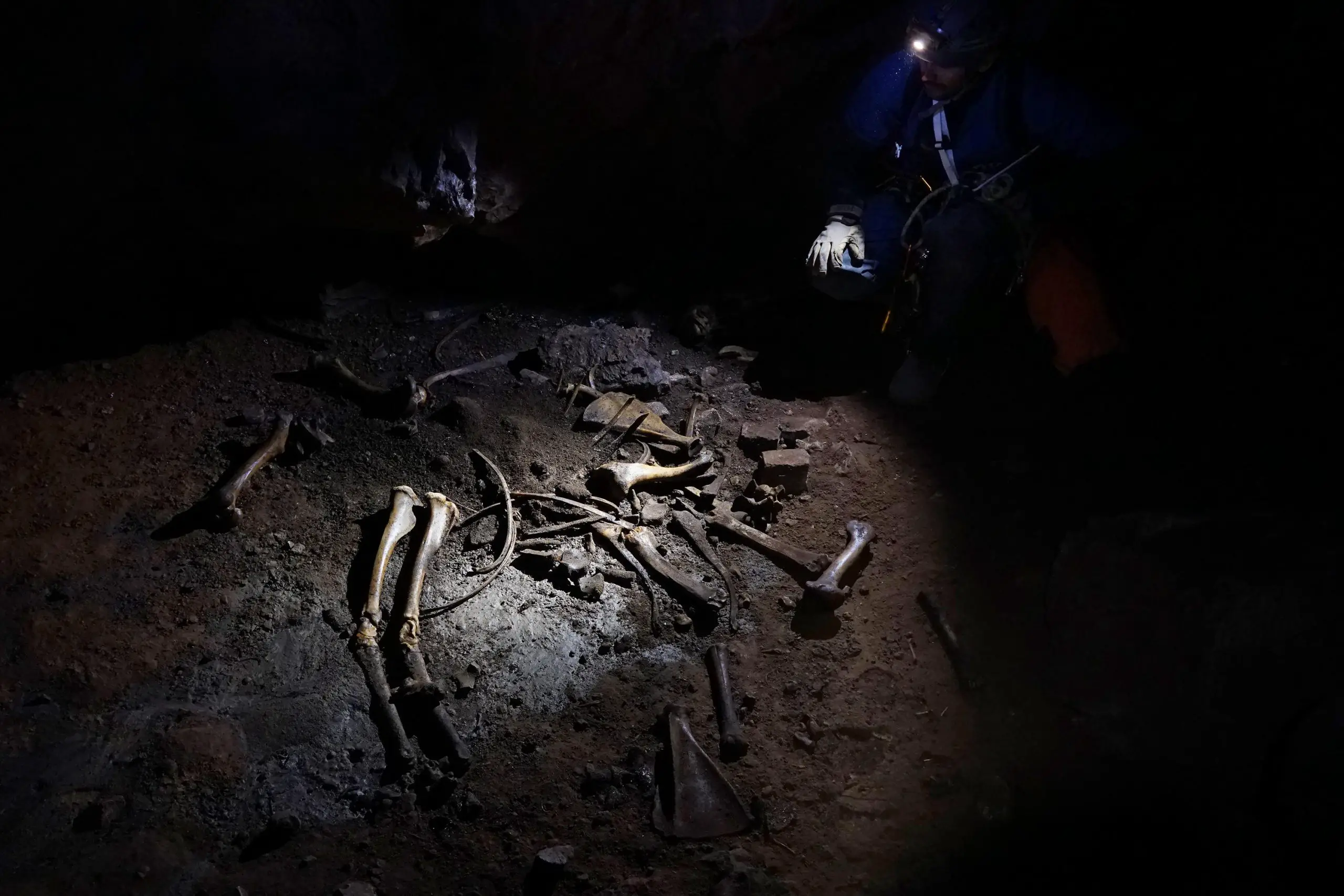
Scientists from the Natural History Museum of Utah have collaborated with Utah's caving community to study mammal evolution in alpine ecosystems. By exploring caves and collecting skeletal remains, the researchers were able to uncover a zoological baseline for mammalian changes in the recent past. The fossils found in Boomerang Cave, dating back 3,000 years, provided insights into mammal diversity and revealed the presence of previously unknown species. This unique collaboration between scientists and citizen scientists highlights the value of caves as archives for understanding the impacts of climate on ecosystems.
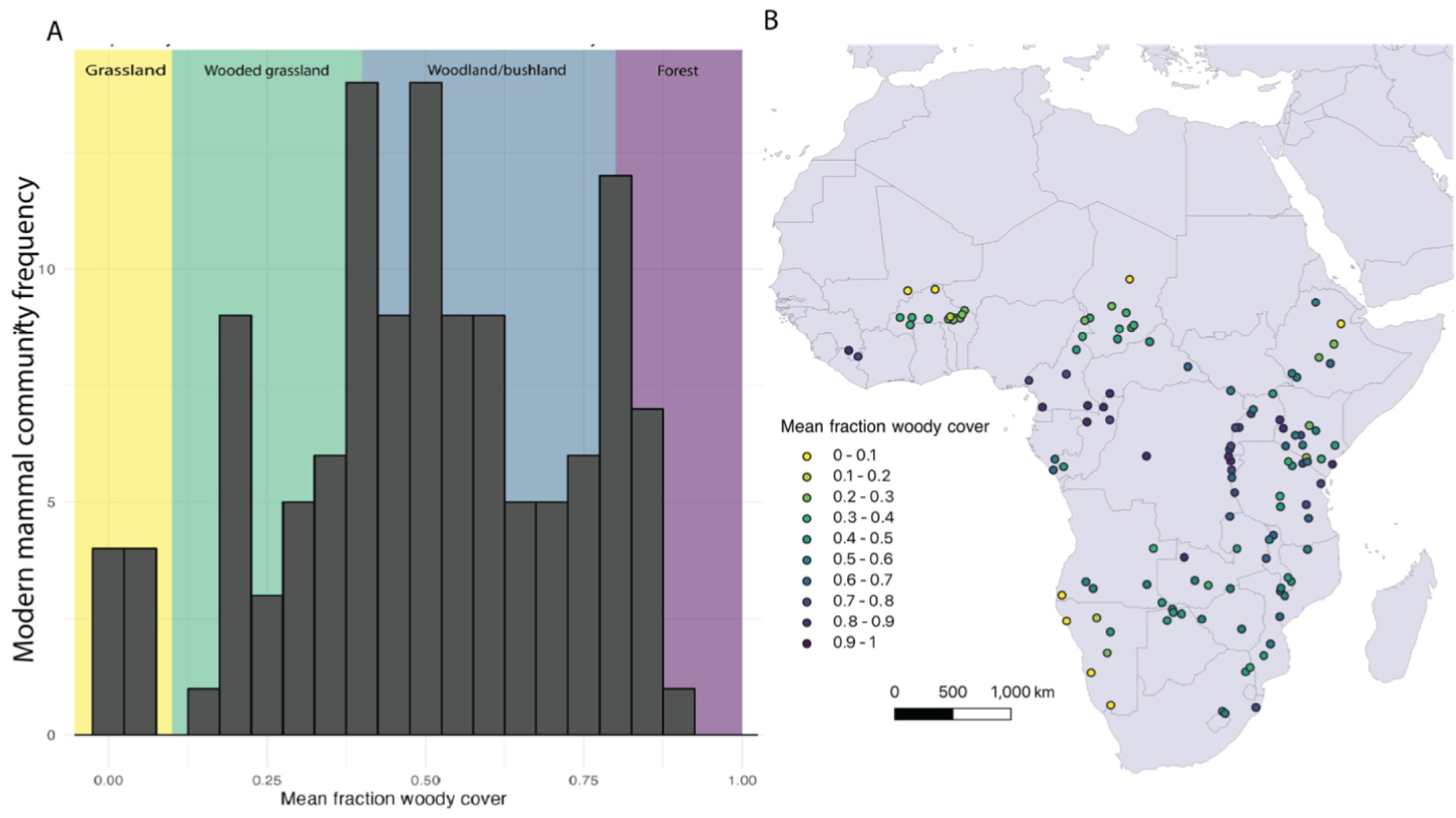
New research suggests that the expansion of grasslands may not have been a significant driver of mammal evolution in Plio-Pleistocene Africa. The study analyzed the responses of 58 modern herbivorous species to changes in woody cover across African parks and reserves. The results indicate a preference for environments with approximately half woody cover, suggesting that savannah ecosystems with grass carpeting interspersed by shrubs and trees were more likely to have proliferated. The research highlights the importance of considering present-day mammal communities and urges caution when using fossils as indicators of past landscape changes.
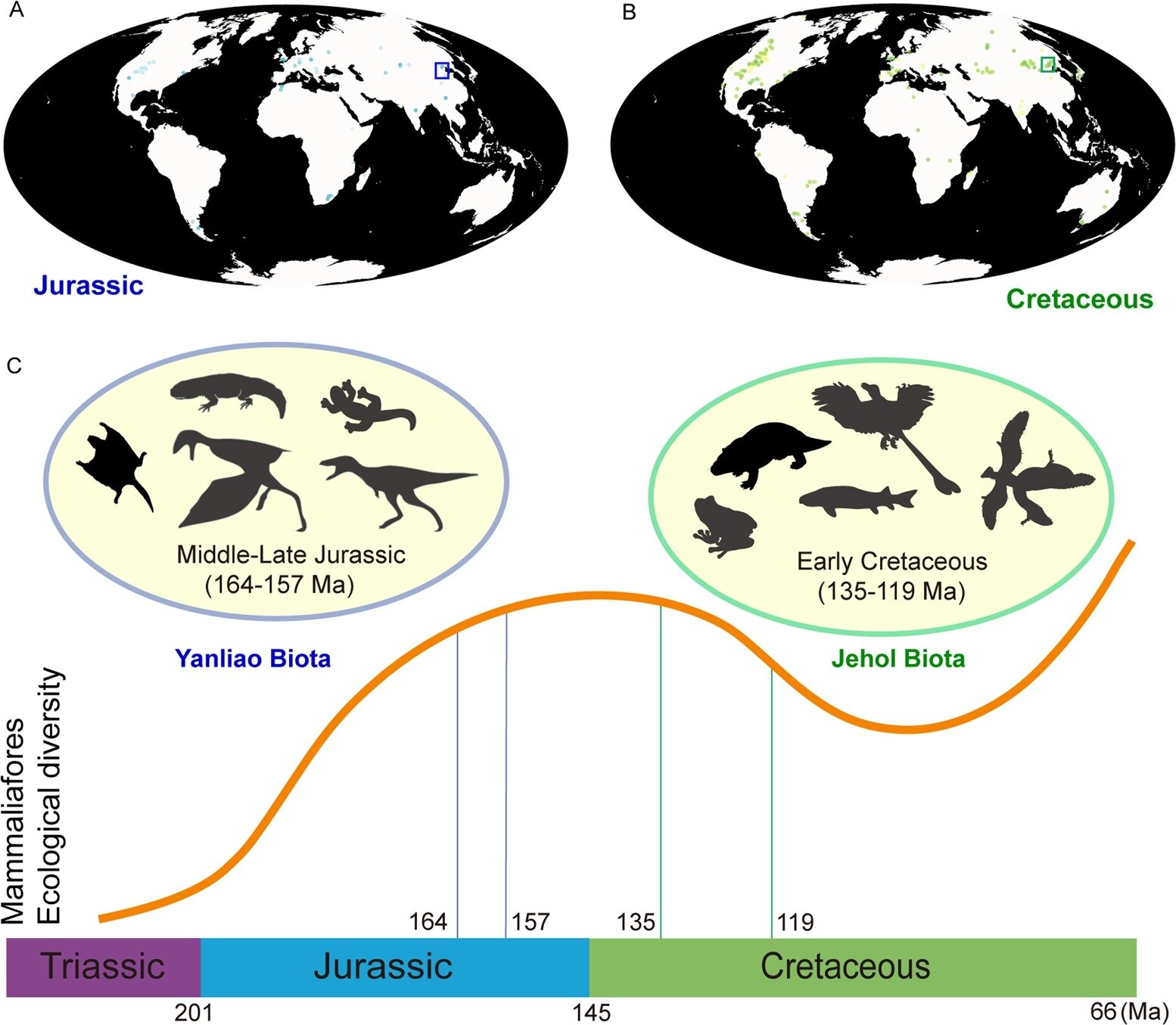
The Yanliao Biota, a collection of fossils from northeastern China dating back to the Middle to Late Jurassic, has been used to study the evolution of vertebrates. Researchers used volcanic ash layers to date the fossils with greater precision and found that the biota is between 164 and 157 million years old. The study identified the root of mammalian evolution back into the Late Triassic, spawning diversification in the Jurassic, supporting the long-fuse model. The researchers stress that there are likely more ghost lineages of hypothesized mammal ancestors to be found as researchers continue to explore the wonders of life on Earth in the deep past.