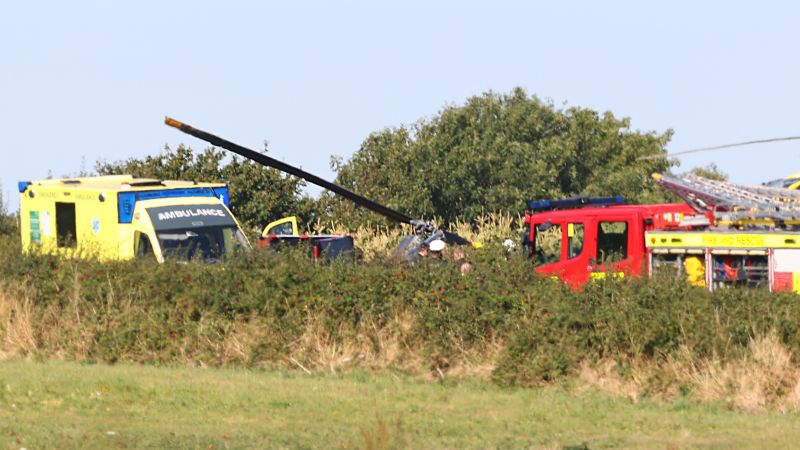
Three Killed in Isle of Wight Helicopter Crash During Flight Lesson
A helicopter crashed during a flying lesson on the Isle of Wight, resulting in three fatalities and one serious injury; the cause is under investigation.

All articles tagged with #isle of wight
A helicopter crashed during a flying lesson on the Isle of Wight, resulting in three fatalities and one serious injury; the cause is under investigation.
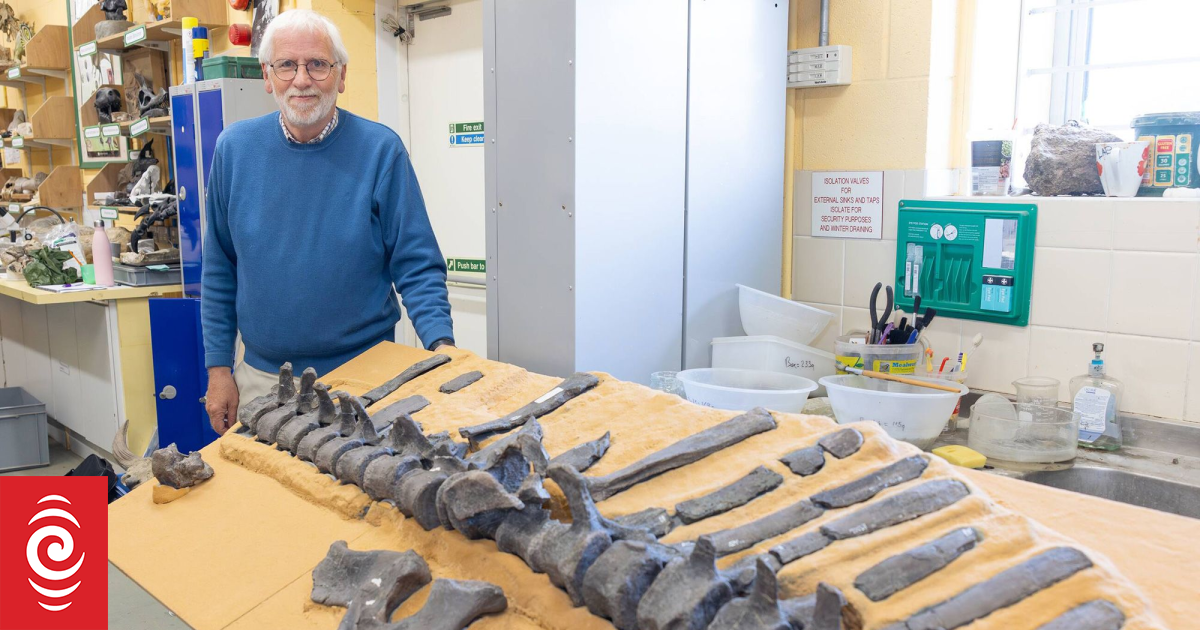
Paleontologists have discovered a new dinosaur species, Istiorachis macarthurae, on the Isle of Wight, notable for its striking sail-like back, which likely served as a sexual display rather than for temperature regulation. The species, from over 120 million years ago, was about 2 meters tall and weighed around 1000 kg, and its unique features help highlight the diversity of early Cretaceous dinosaurs in the area.
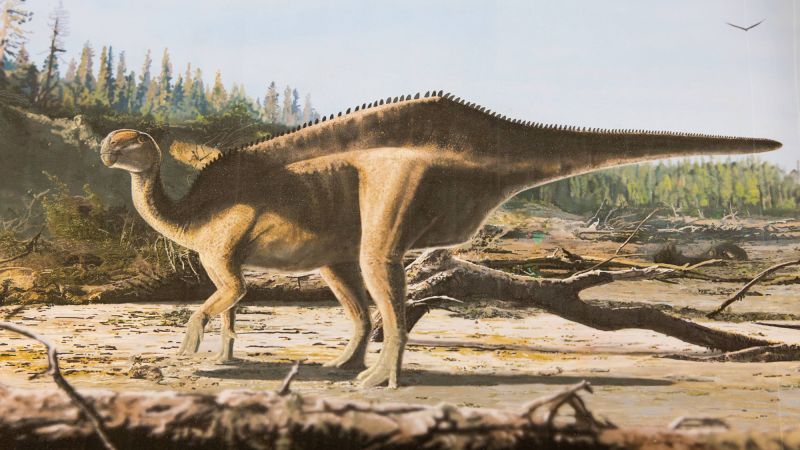
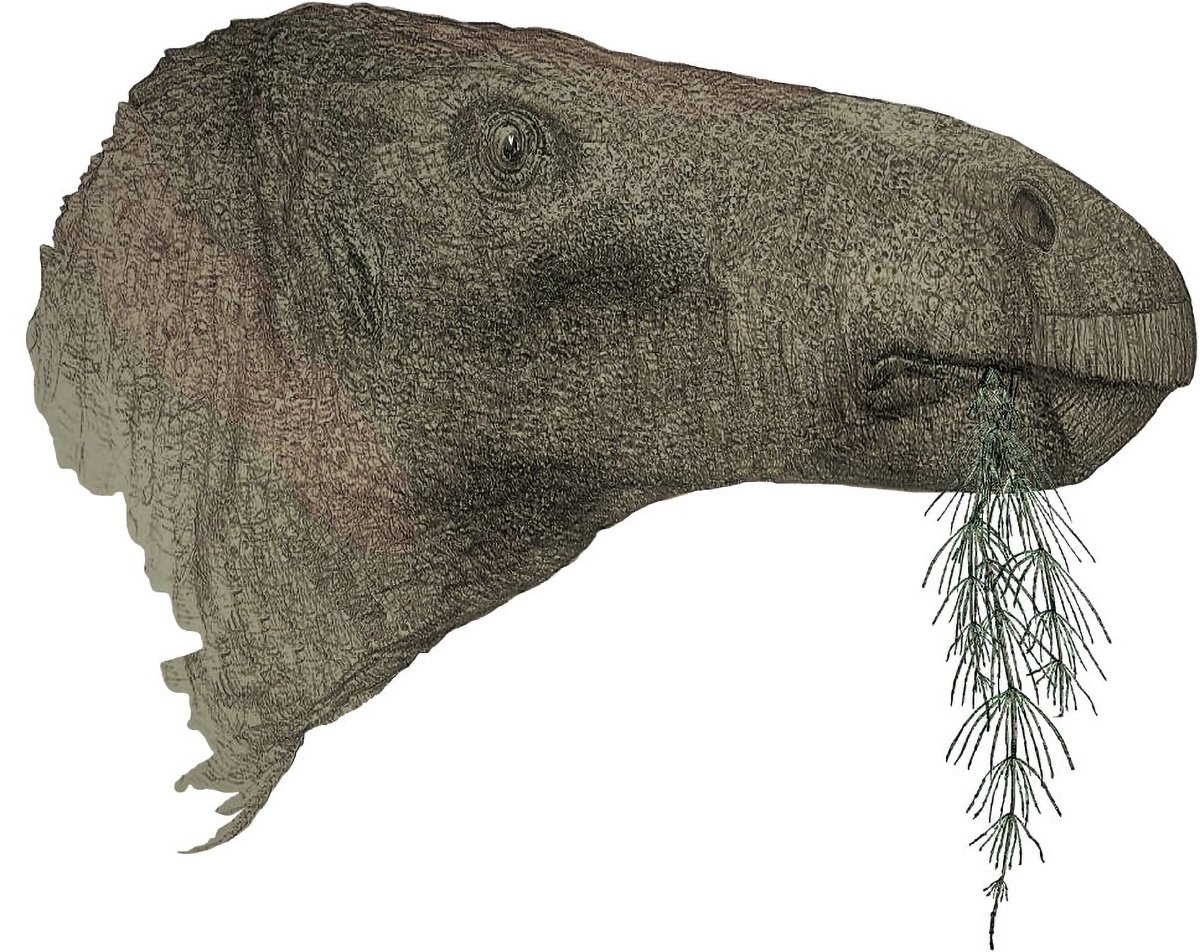
Paleontologists discovered a new dinosaur species, Istiorachis macarthurae, on the Isle of Wight, characterized by a distinctive sail-like back, likely used for sexual signaling, dating back over 120 million years. The species was reclassified after a re-examination of bones initially thought to belong to known Iguanodon relatives.
A new dinosaur species, Comptonatus chasei, has been discovered on the Isle of Wight, marking the most complete dinosaur find in the UK since 1923. The 125-million-year-old specimen was unearthed by fossil collector Nick Chase and later identified as a new genus by Jeremy Lockwood. This discovery highlights the rich dinosaur diversity in Early Cretaceous England and has been added to the Dinosaur Isle Museum's collection.
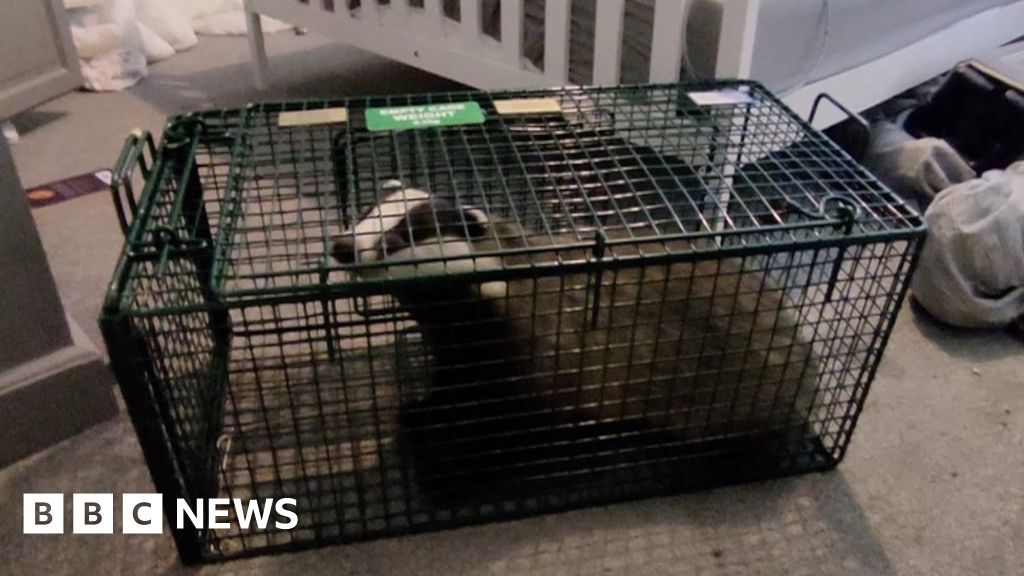
A mischievous badger broke into a family's home on the Isle of Wight, causing thousands of pounds' worth of damage by raiding the kitchen, destroying furniture, and even gnawing through a Grade II listed Georgian window frame. The animal was unharmed and later rescued by the Badger Trust Isle of Wight after being found hiding in a bin. The family returned to their home to find it in chaos, initially mistaking the scene for a burglary.
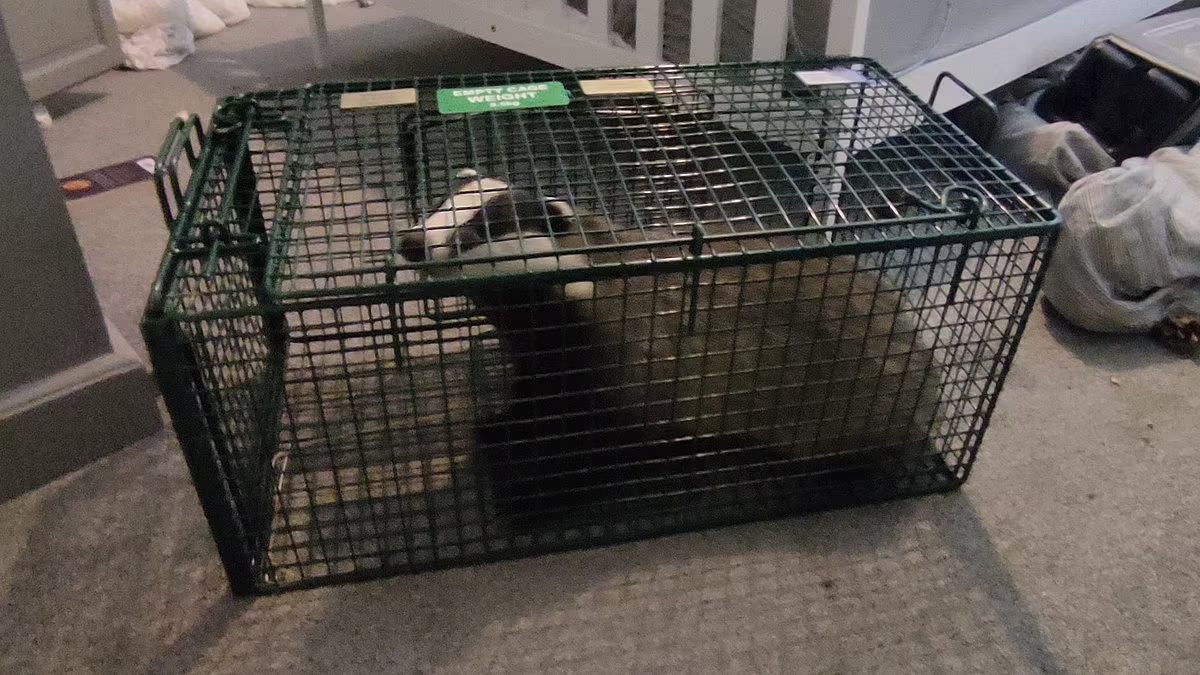
A mother on the Isle of Wight returned home to find her house in disarray, initially suspecting vandalism before discovering a badger had caused the chaos while trying to find its way home. The badger had chewed through doors, raided cupboards, and caused damage throughout the house. After contacting the Badger Trust Isle of Wight, the animal was safely captured and released back into the wild, leaving the homeowner with an unexpected and unusual Valentine's Day experience.

Fossil hunter Jack Wonfor discovered a 115-million-year-old epicheloniceras ammonite, weighing at least 24 stone, on the Isle of Wight. It took a week's worth of efforts to transport the enormous shelled creature back to his car. Wonfor, who has been fossil-hunting since childhood, considers it his best find and plans to donate it to the Dinosaur Isle Museum after removing the surrounding rock.
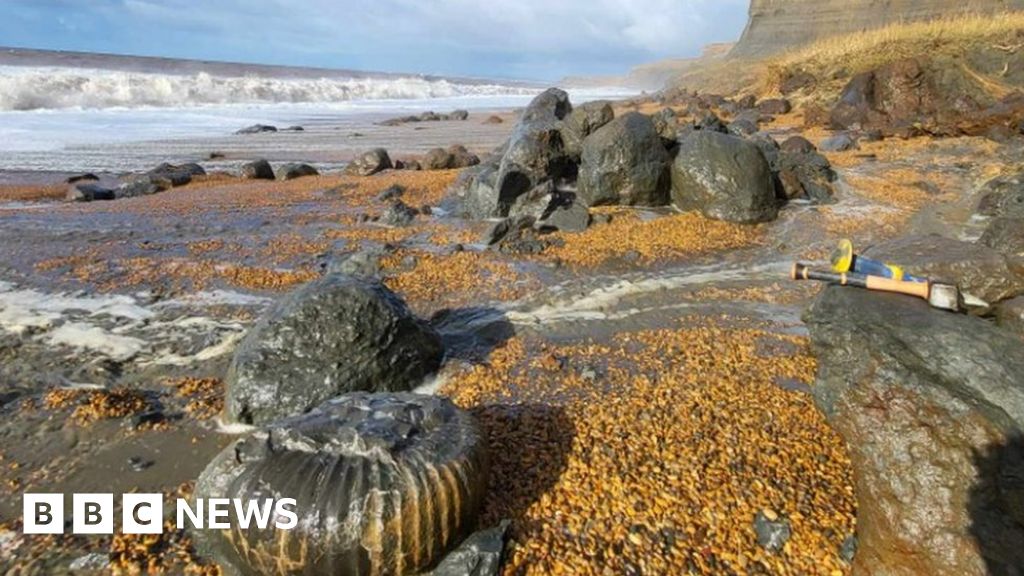
A massive fossil ammonite, believed to be a rare Epicheloniceras, has been unearthed from a boulder on the Isle of Wight's southwest coast. Fossil collector Jack Wonfor and a team of enthusiasts carefully extracted the 150kg fossil from the beach using a makeshift sled and rope system. The ammonite will be donated to the Dinosaur Isle Museum after it has been cleaned. Ammonites are ancient mollusks that lived during the Jurassic and Cretaceous periods.
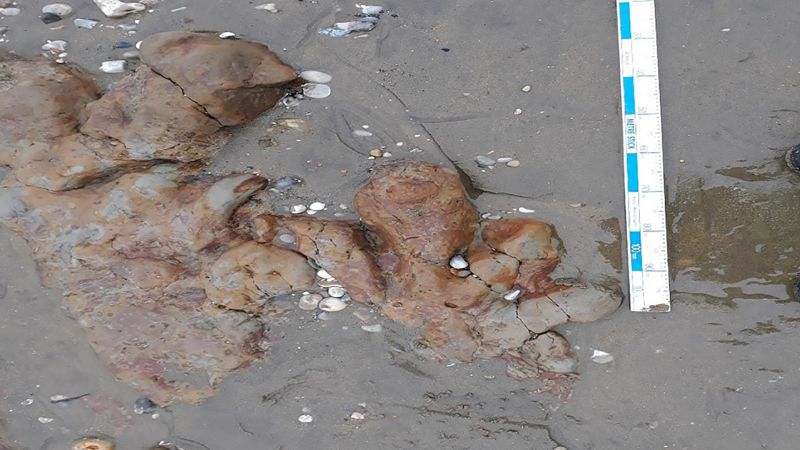
Well-preserved dinosaur footprints, believed to be from a mantellisaurus, have been discovered on a beach on England's Isle of Wight. The 125 million-year-old prints were uncovered by engineers from the Environment Agency while investigating sea defenses. The Isle of Wight is known as the "richest dinosaur location in Europe," with 35 different dinosaur types previously found there. The discovery provides a glimpse into the ancient world and highlights the island's significance in paleontological research.
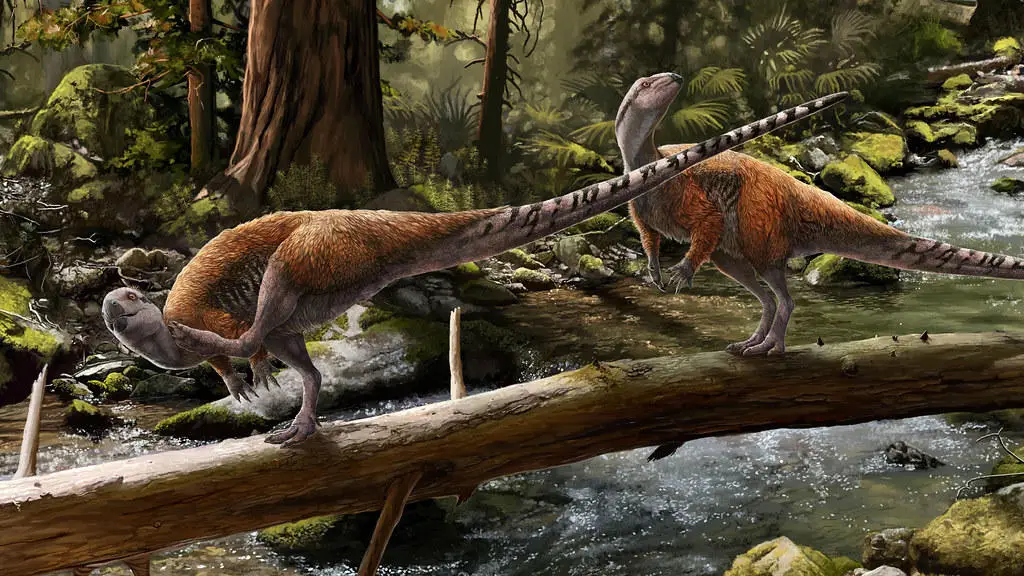
Scientists have discovered a new species of small plant-eating dinosaur, named Vectidromeus insularis, on the Isle of Wight in southern England. This finding suggests that Europe had its own unique group of small herbivorous dinosaurs, distinct from those found in Asia and North America. The discovery was made as part of a collaboration between the University of Bath, the University of Portsmouth, the Isle of Wight Dinosaur Museum, and local fossil collectors. The fossils provide valuable insights into the evolving ecosystems of the Cretaceous period and highlight the importance of amateur collectors in paleontological research.
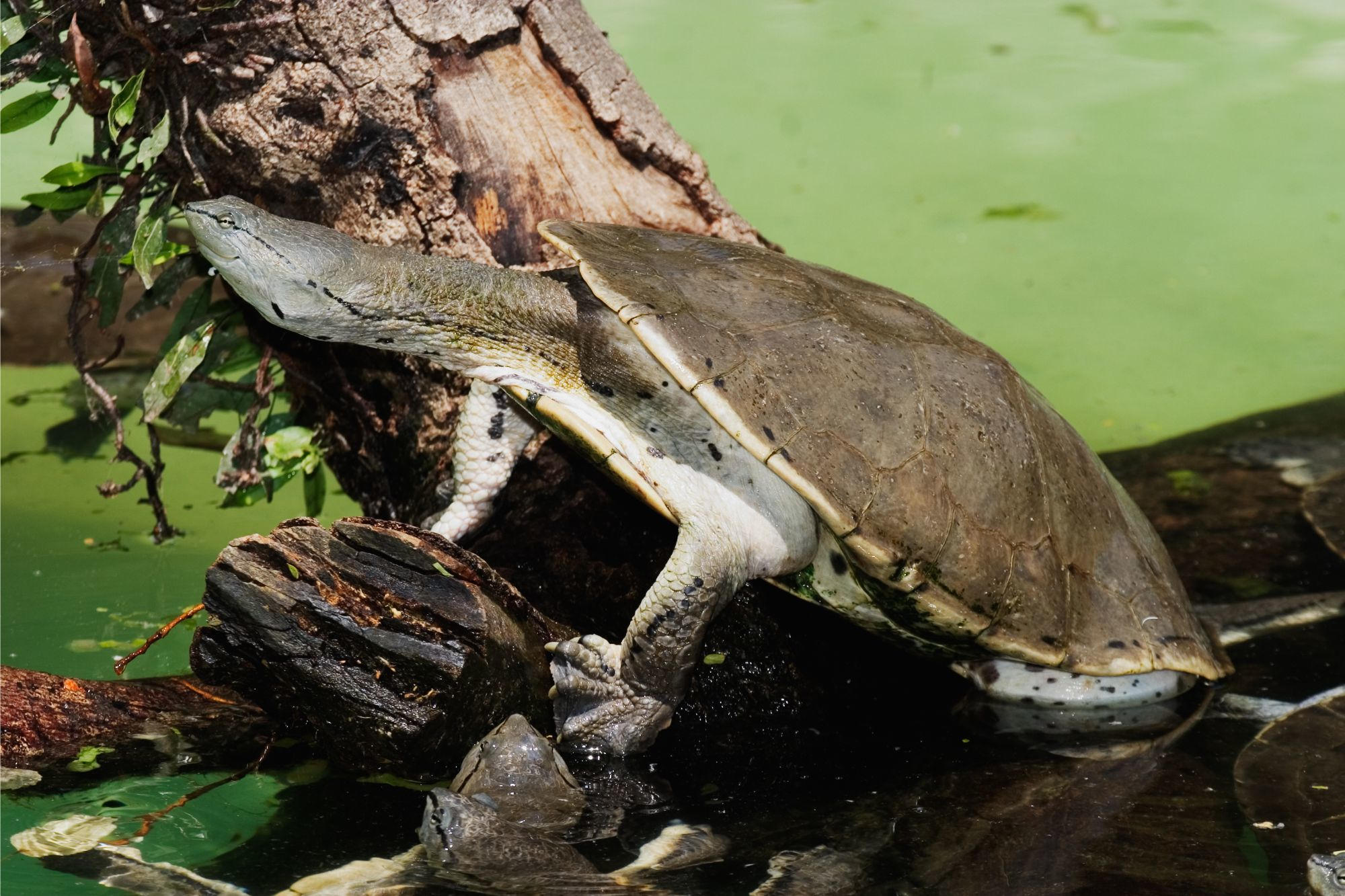
The first side-necked turtle fossil has been discovered in the UK on the Isle of Wight, dating back 127 million years. Using radiometric dating and CT scanning techniques, researchers from the University of Portsmouth confirmed its age and examined its internal structure. The fossil, found by an amateur collector, represents the earliest known instance of a side-necked turtle in the UK and provides valuable insights into the ancient fauna of the region.
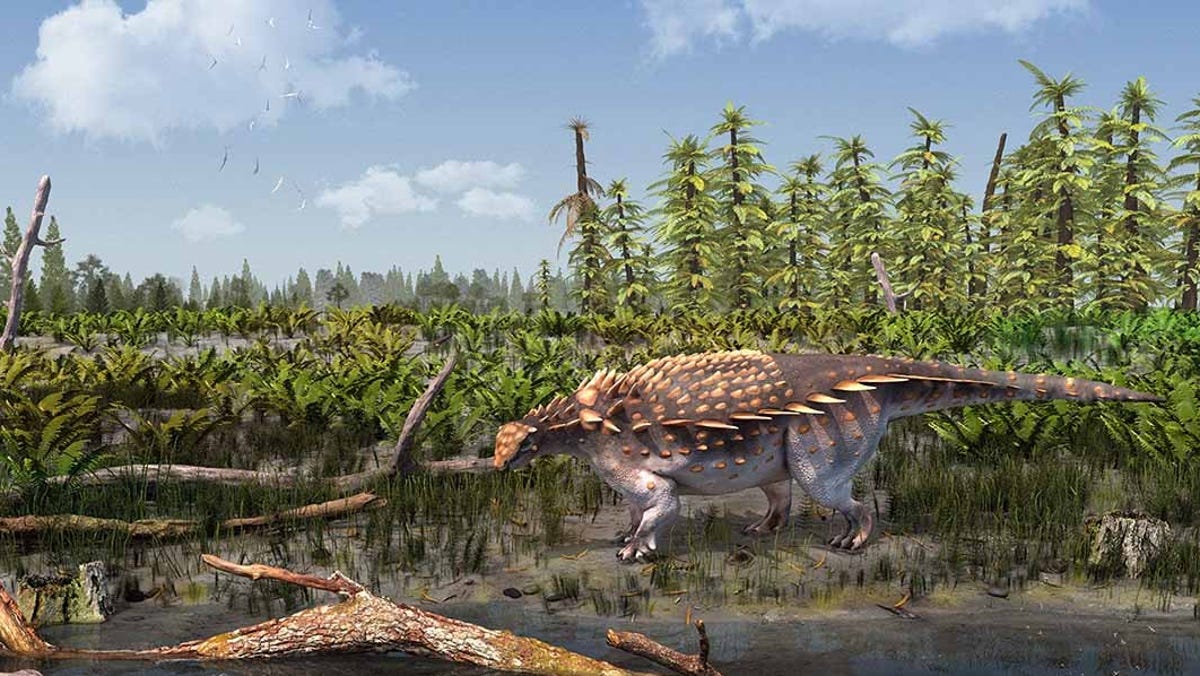
Scientists have discovered a new species of dinosaur, Vectipelta barretti, on the Isle of Wight, the first armored dinosaur to be found there in 142 years. The dinosaur belongs to the ankylosaur family and dates back to about 125 million years ago. The discovery broadens scientists' understanding of the diversity of species living in what is now the UK over a hundred million years ago. The partial remains of the dinosaur were excavated in the 1990s and brought to the Dinosaur Isle Museum where scientists began working on it.
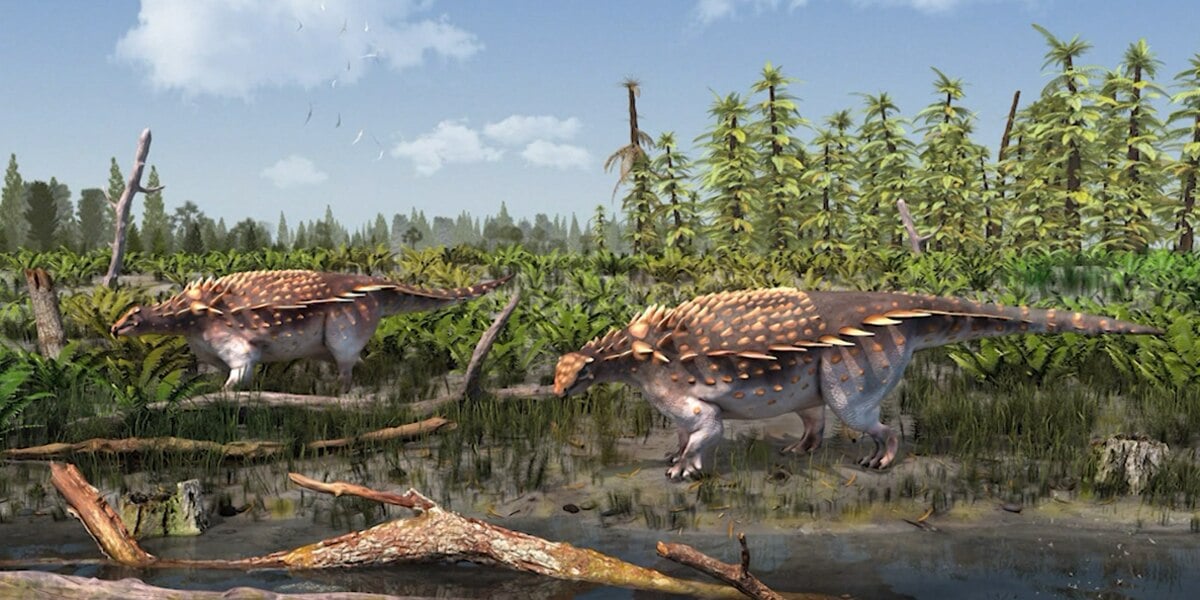
A new species of armored dinosaur, named Vectipelta barretti, has been discovered on the Isle of Wight, off the coast of England. This is the first armored dinosaur found on the island in 142 years and is part of the Ankylosaur genus. The dinosaur would have been roaming the Earth during the early Cretaceous period and parts of its fossils will be displayed at the Dinosaur Isle Museum this summer.
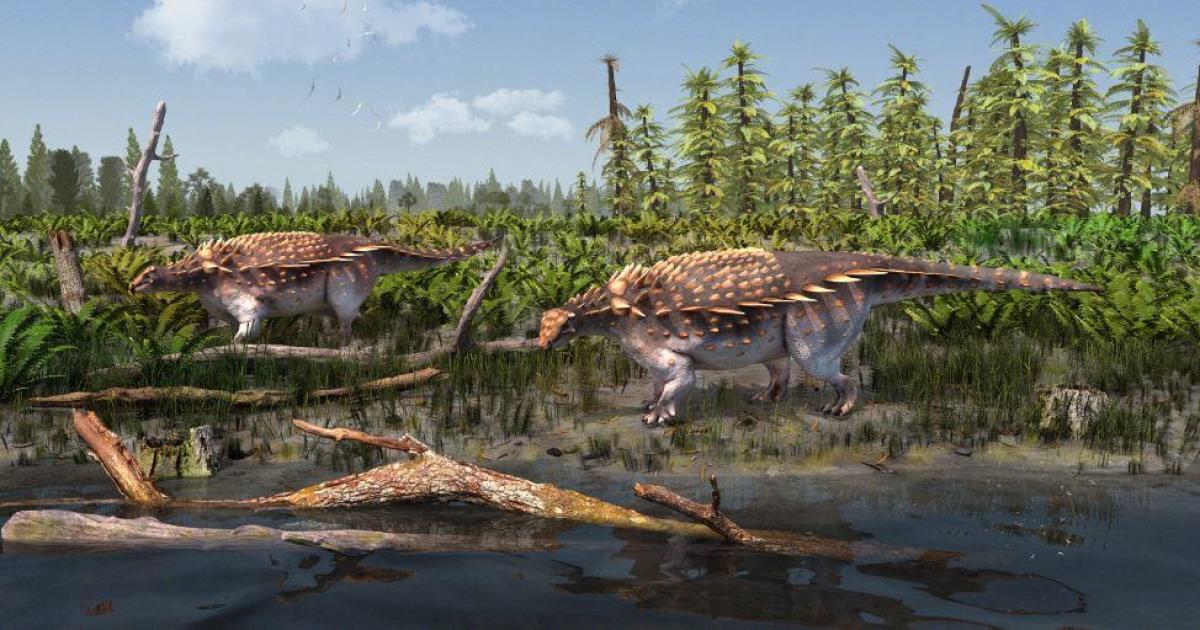
Fossils of a new species of dinosaur, named Vectipelta barretti, have been discovered on the Isle of Wight, UK. The herbivorous dinosaur had blade-like spiked armor and is the first armored dinosaur of the Ankylosaur family to be discovered on the island in 142 years. The discovery sheds new light on the diversity of species that lived in the region during the Jurassic period and may offer insight into how the dinosaurs went extinct. The fossils will be displayed at the Isle of Wight's dinosaur museum over the summer.
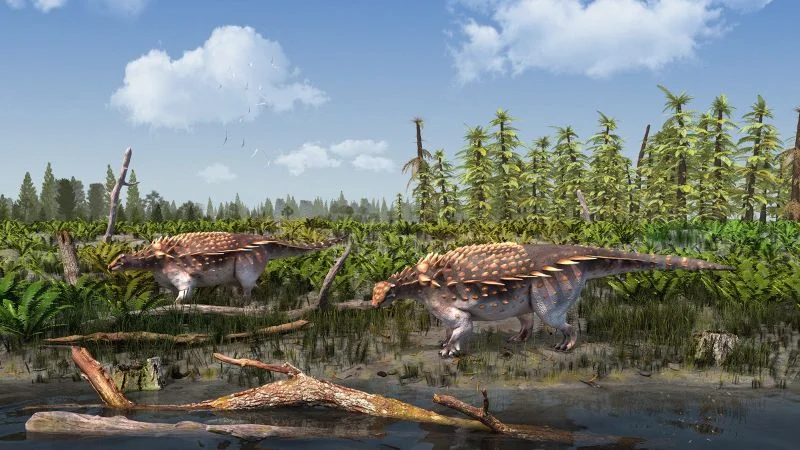
A new species of armored dinosaur, Vectipelta barretti, has been discovered on the Isle of Wight, the first in 142 years. The dinosaur lived during the Early Cretaceous period, and its discovery sheds light on ankylosaur diversity within the Wessex formation and Early Cretaceous England. The team's analysis showed that Vectipelta barretti is most closely related to Chinese ankylosaurs, suggesting dinosaurs were able to move between Asia and Europe in the Early Cretaceous. The dinosaur is named after Professor Paul Barrett, who has worked at the Natural History Museum for 20 years.