Tag

Lunar Crystals

All articles tagged with #lunar crystals

science-and-space2 years ago

New study reveals moon is 40 million years older than believed

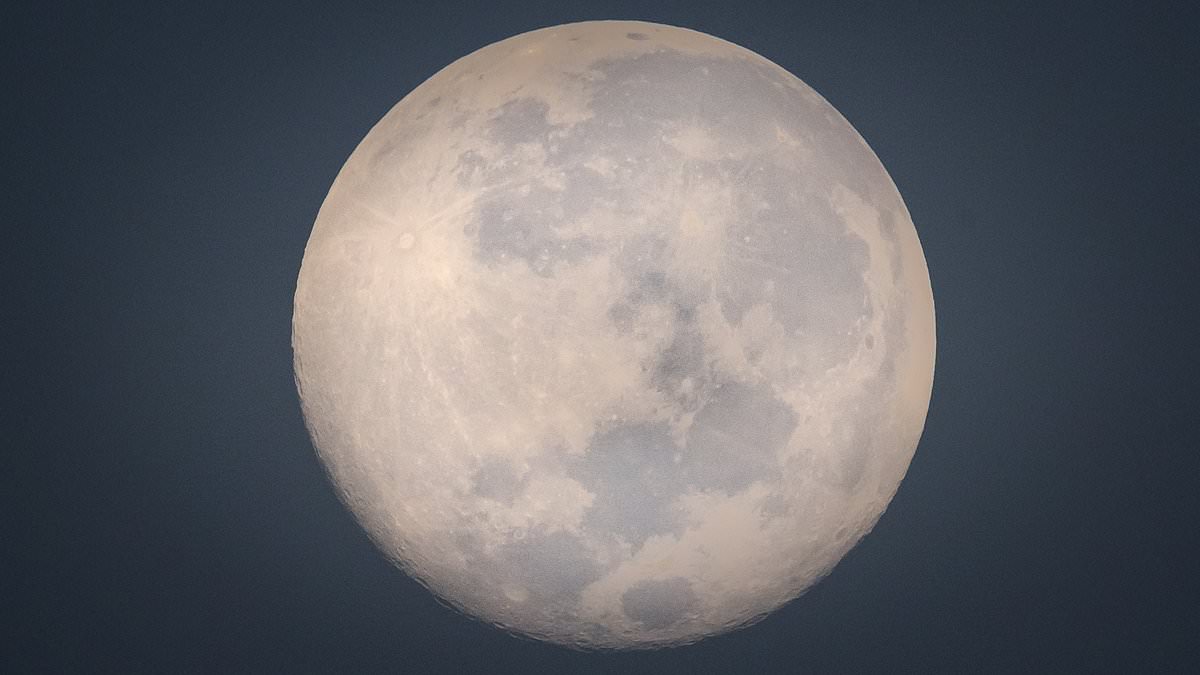
A recent analysis of lunar dirt brought back by the final Apollo mission in 1972 has revealed that the moon is 4.46 billion years old, approximately 40 million years older than previously believed. Researchers from The Field Museum of Chicago determined that the moon originated from a Mars-sized object that collided with Earth and never left its orbit. By studying lunar crystals, scientists were able to establish the age of the moon and gain insights into its formation. Understanding the moon's role in stabilizing Earth's rotational axis and influencing tides is crucial for comprehending our natural system.
space-science2 years ago

New Lunar Crystals Confirm Moon's Age: 40 Million Years Older Than Believed

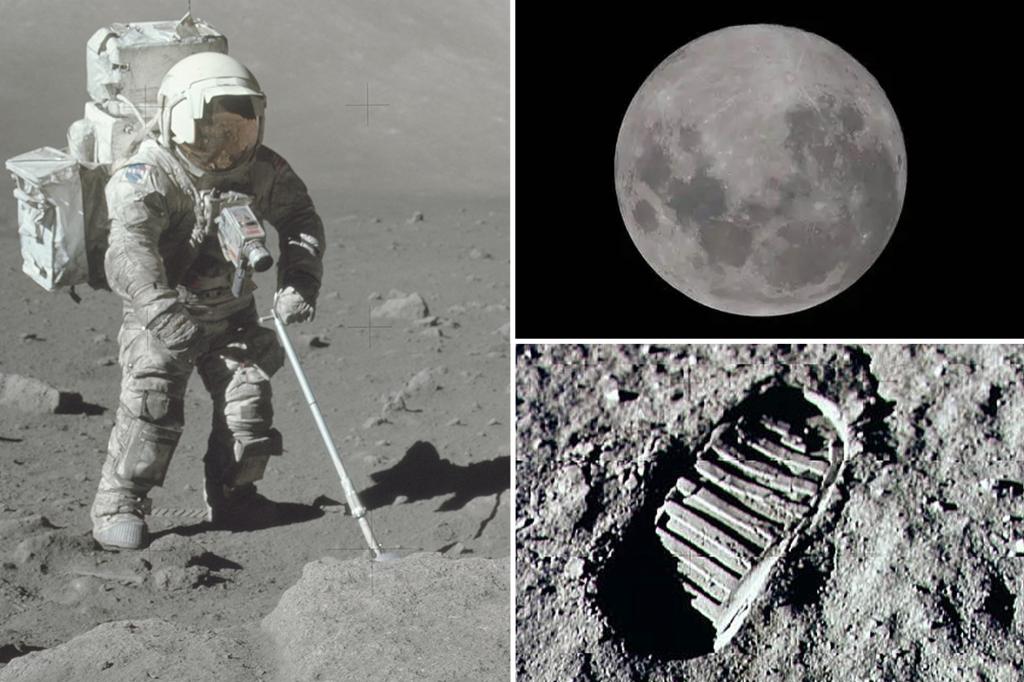
Analysis of zircon nanocrystals collected during the Apollo 17 mission suggests that the Moon is approximately 40 million years older than previously estimated, with an age of 4.46 billion years. These crystals serve as an anchor for the lunar chronology and were formed after the Moon's molten surface cooled. By using atom probe tomography and radiometric dating, scientists were able to measure the composition and age of the crystals, providing insights into the Moon's formation.

science2 years ago

New Study Suggests Moon is 40 Million Years Older Than Previously Believed

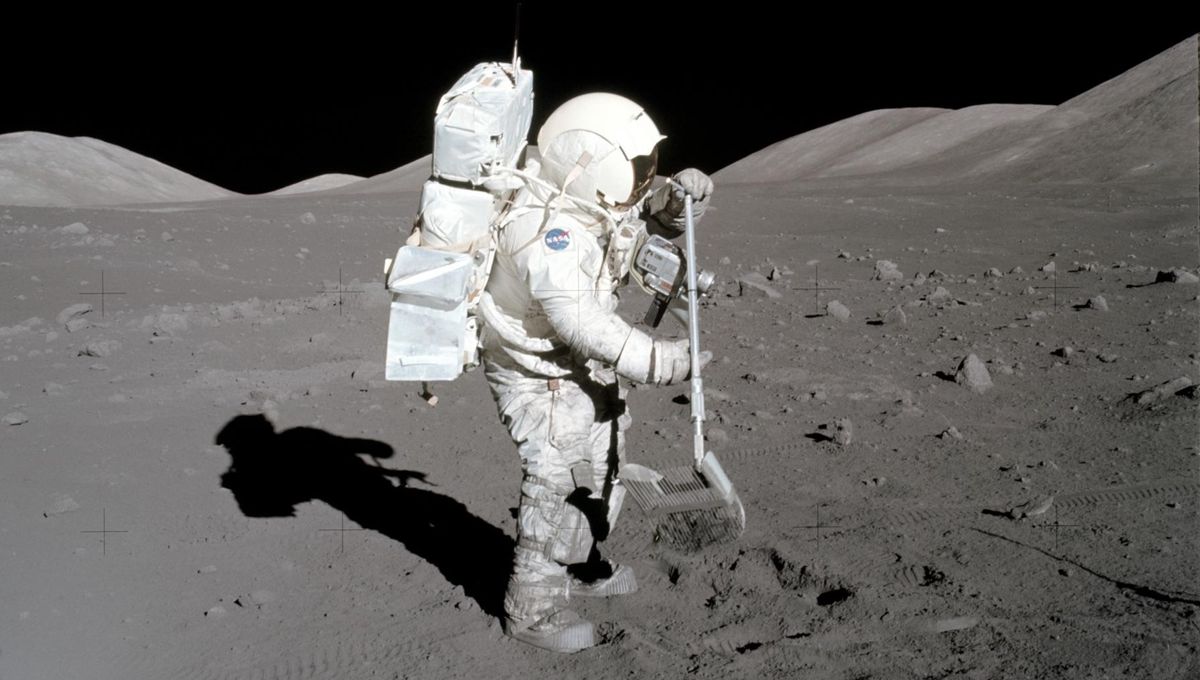
A new study using lunar crystals brought back by Apollo astronauts in 1972 suggests that the moon is 40 million years older than previously thought, pushing its age to at least 4.46 billion years. The study used an analytical method called atom probe tomography to determine the age of the oldest known lunar crystal. The findings provide valuable insights into the moon's formation and its role in stabilizing Earth's rotational axis and tides.

science2 years ago

New Study Reveals Moon's Surprising Age: 40 Million Years Older Than Previously Believed

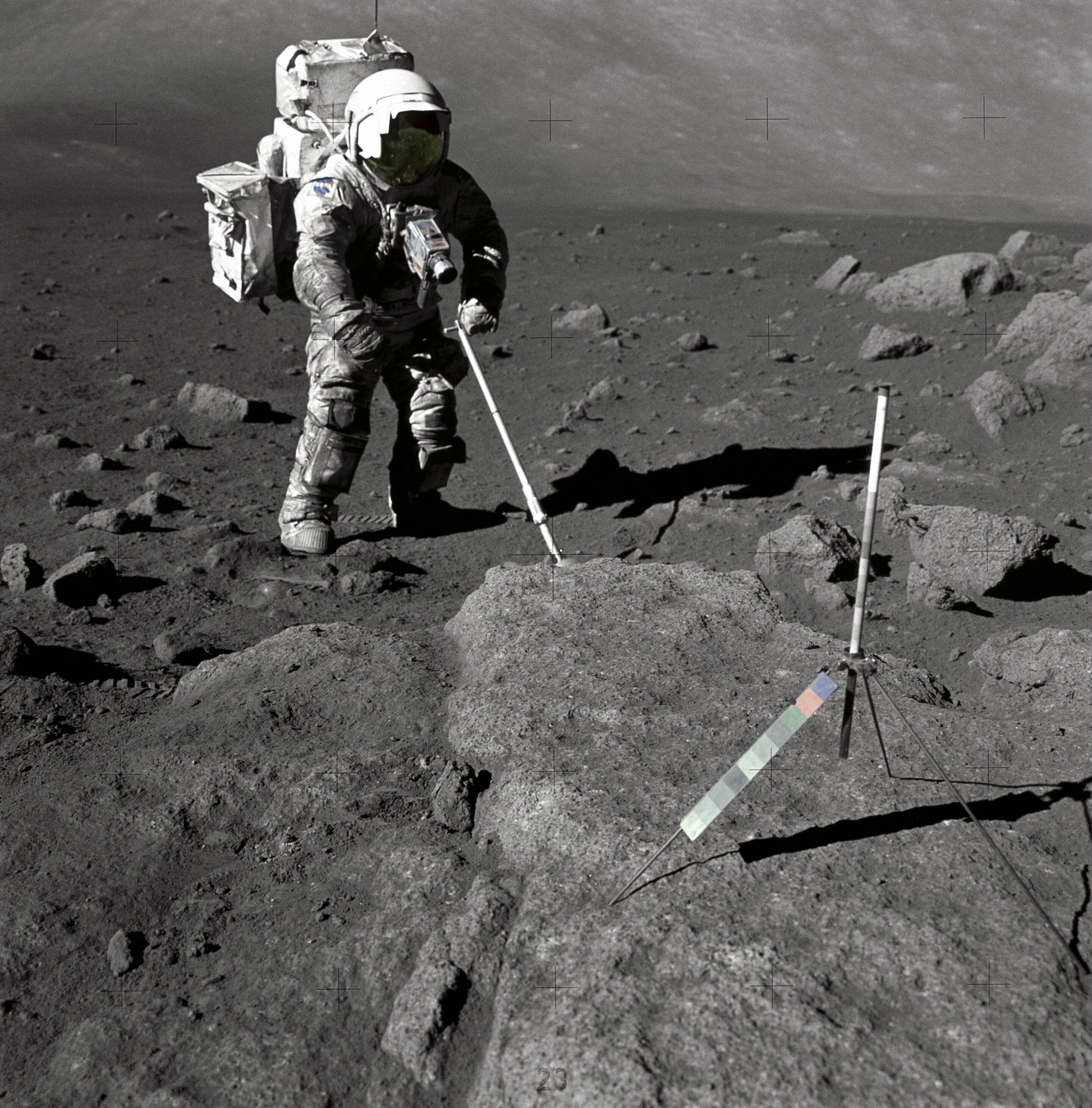
The moon is believed to be 40 million years older than previously thought, according to a study using lunar crystals brought back from the Apollo 17 mission in 1972. The crystals, which formed after the giant impact that created the moon, were analyzed using radiometric dating, pushing back the moon's age to at least 4.46 billion years old. Understanding the moon's age is important as it plays a crucial role in stabilizing Earth's rotational axis and influencing tides. The findings provide valuable insights into the formation and evolution of our natural system.