Tag

Quantum Chromodynamics

All articles tagged with #quantum chromodynamics

science1 year ago

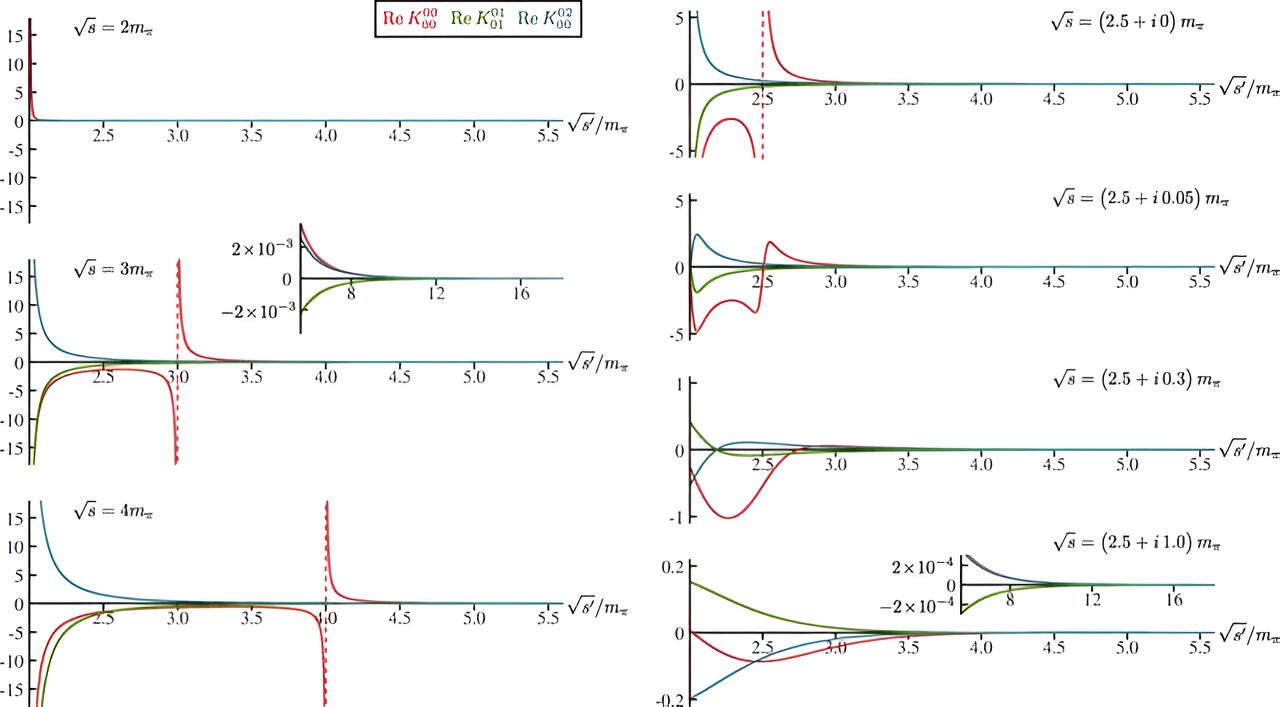
Physicists Collaborate to Decode Unstable Sigma Meson

Researchers at the U.S. Department of Energy's Thomas Jefferson National Accelerator Facility have used supercomputers to better understand the unstable sigma meson particle, which plays a crucial role in nuclear physics. By simulating pion-pion reactions based on quantum chromodynamics, they have made significant progress in describing the sigma meson, despite its brief existence and complex nature. This collaborative effort, involving advanced computational techniques, paves the way for further studies of similar particles and deeper insights into the strong interaction.
science1 year ago

Dark Matter and Quantum Theory May Explain Universe's Missing Black Holes

MIT physicists have proposed that primordial black holes, formed shortly after the Big Bang, could account for dark matter. These black holes, some of which would have been extremely small and carried a unique "color charge," might have influenced the formation of the first atomic nuclei. This theory, if supported by future observations, could provide new insights into the nature of dark matter.

science1 year ago

"New Insights into Proton Spin from Combined Theory and Experiment"

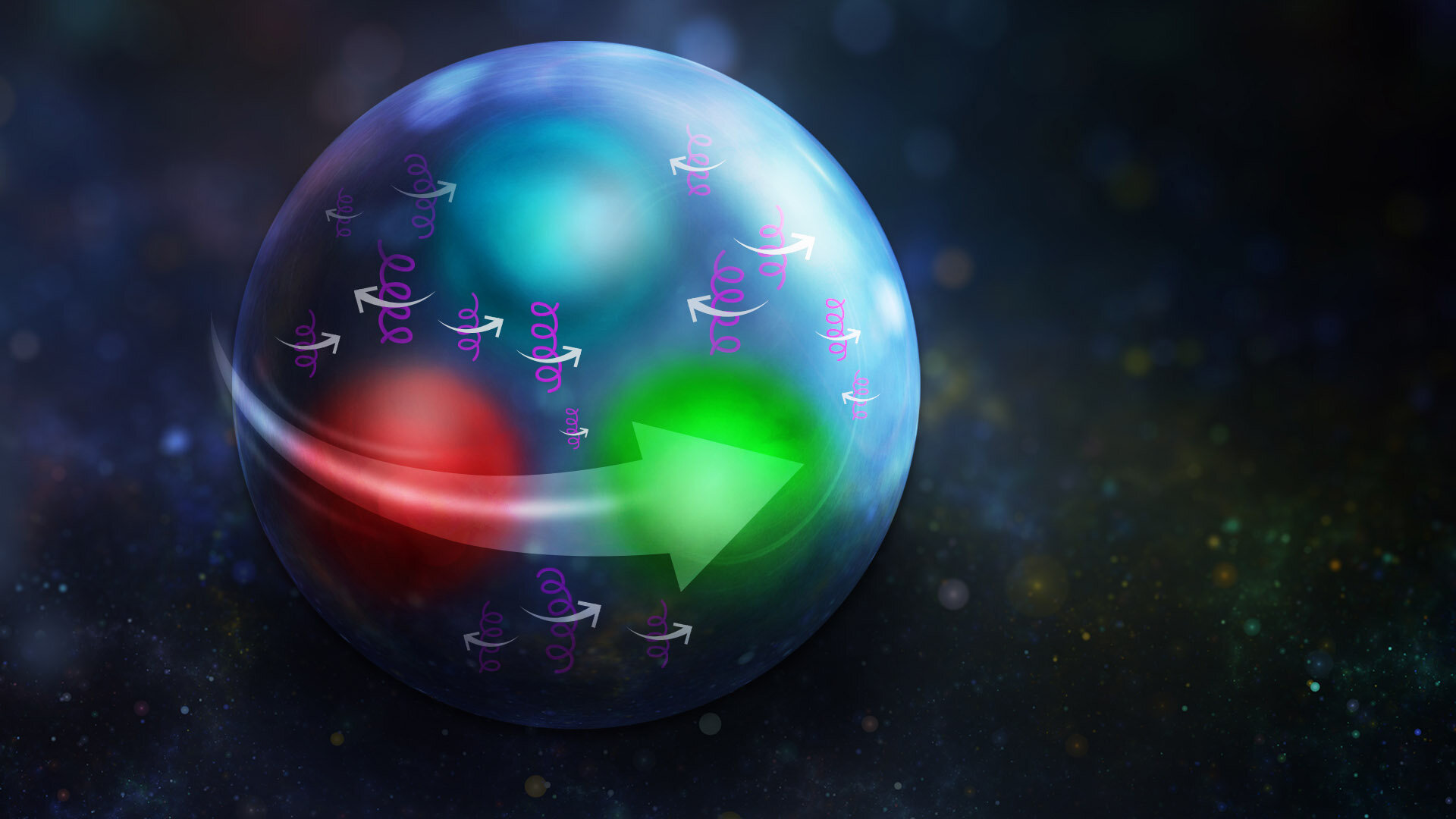
A new study combining experimental data and lattice Quantum Chromodynamics (QCD) calculations has provided deeper insights into the contributions of gluons to the proton's spin. This collaborative effort, led by Joseph Karpie at Jefferson Lab, aims to resolve the decades-old mystery of proton spin and paves the way for a three-dimensional understanding of the proton's structure.

physics1 year ago

"The Impact of the Strong Force on Gravitational Waves"

Physicists have shown that the behavior of quarks and gluons as the universe cools should leave a distinct signature on the stochastic gravitational wave background, potentially impacting models of the universe post-Big Bang. This finding could help distinguish early universe waves from those originating from other sources, such as astrophysical phenomena. The study suggests that the quantum chromodynamics crossover, which occurred about 10-5 seconds after the Big Bang, could affect the low-frequency gravitational wave signal, providing a way to search for this signature in pulsar timing array data.

physics2 years ago

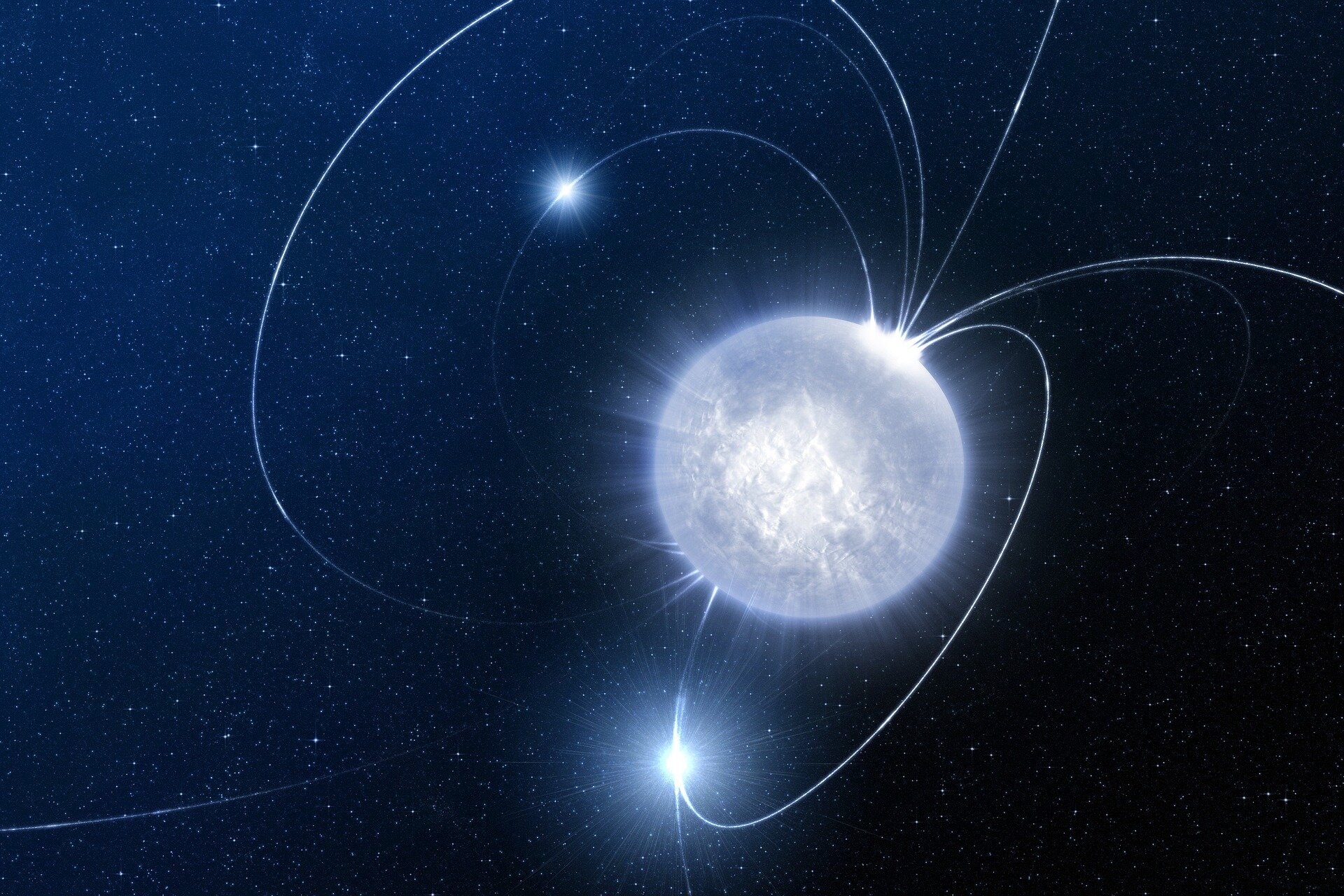
Unveiling the Mysteries: Dark Photons and Pulsars Shed Light on Dark Matter

Dark photons, hypothetical particles associated with dark matter, could potentially explain certain data from high-energy scattering experiments, according to a new analysis by physicists at the University of Adelaide. Dark matter, which makes up around 85% of the universe's mass, remains a mystery, and attempts to detect it have been unsuccessful. The analysis suggests that a model incorporating dark photons is preferred over the Standard Model hypothesis in explaining deep inelastic scattering experiments. However, further research and confirmation are needed to fully understand the nature of dark matter and its interactions.

science2 years ago

"Breakthrough in Proton Radius Calculation by Theoretical Physicists"

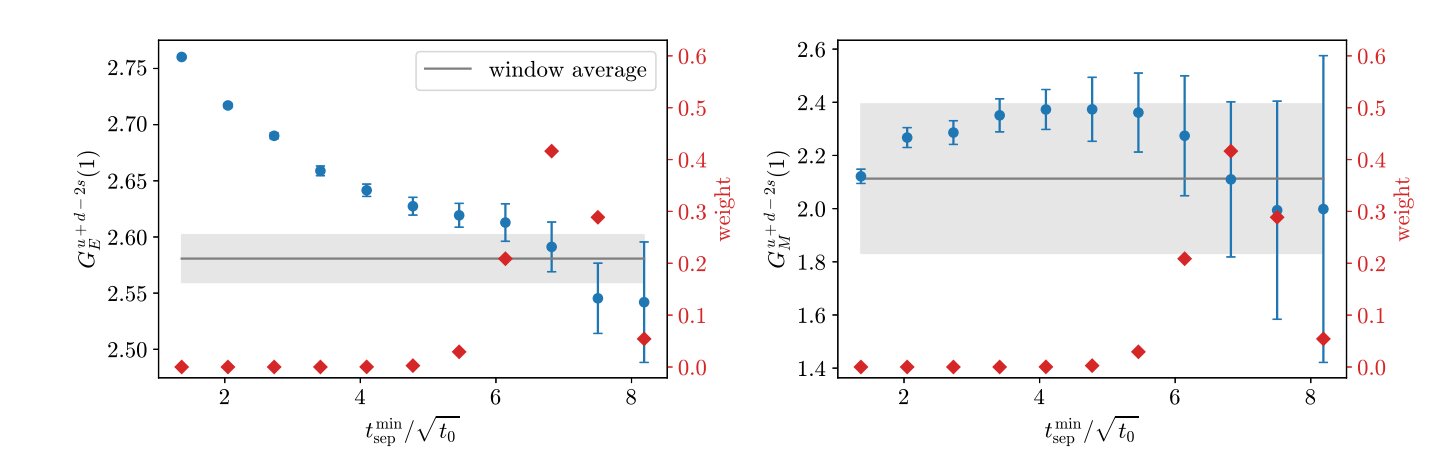
Theoretical physicists at Johannes Gutenberg University Mainz have made significant advancements in calculating the electric charge radius of the proton, favoring a smaller value. They have also published a stable theory prediction for the magnetic charge radius of the proton. These calculations, based on quantum chromodynamics and lattice field theory, were achieved without the use of experimental data, providing further evidence that the smaller experimental value is correct. The findings contribute to the ongoing puzzle of understanding the characteristics of protons and neutron nuclei.

science2 years ago

Unveiling the Enigmatic World Within Protons: Unprecedented Particle Mapping and Surprising Quark Diffusion

Scientists have created the highest resolution map yet of the distribution of quarks inside a proton, revealing that up and down quarks affect the proton differently in terms of internal energy and spin. The study used advanced analytical techniques, including lattice quantum chromodynamics, to accurately model the interactions between quarks and gluon particles. The findings suggest that gluons play a greater role in the proton's spin than previously assumed. The research provides valuable insights for future fundamental physics experiments and helps further our understanding of the building blocks of matter.

science2 years ago

Unveiling the Energy Threshold for Exotic Quark-Gluon Plasma Formation

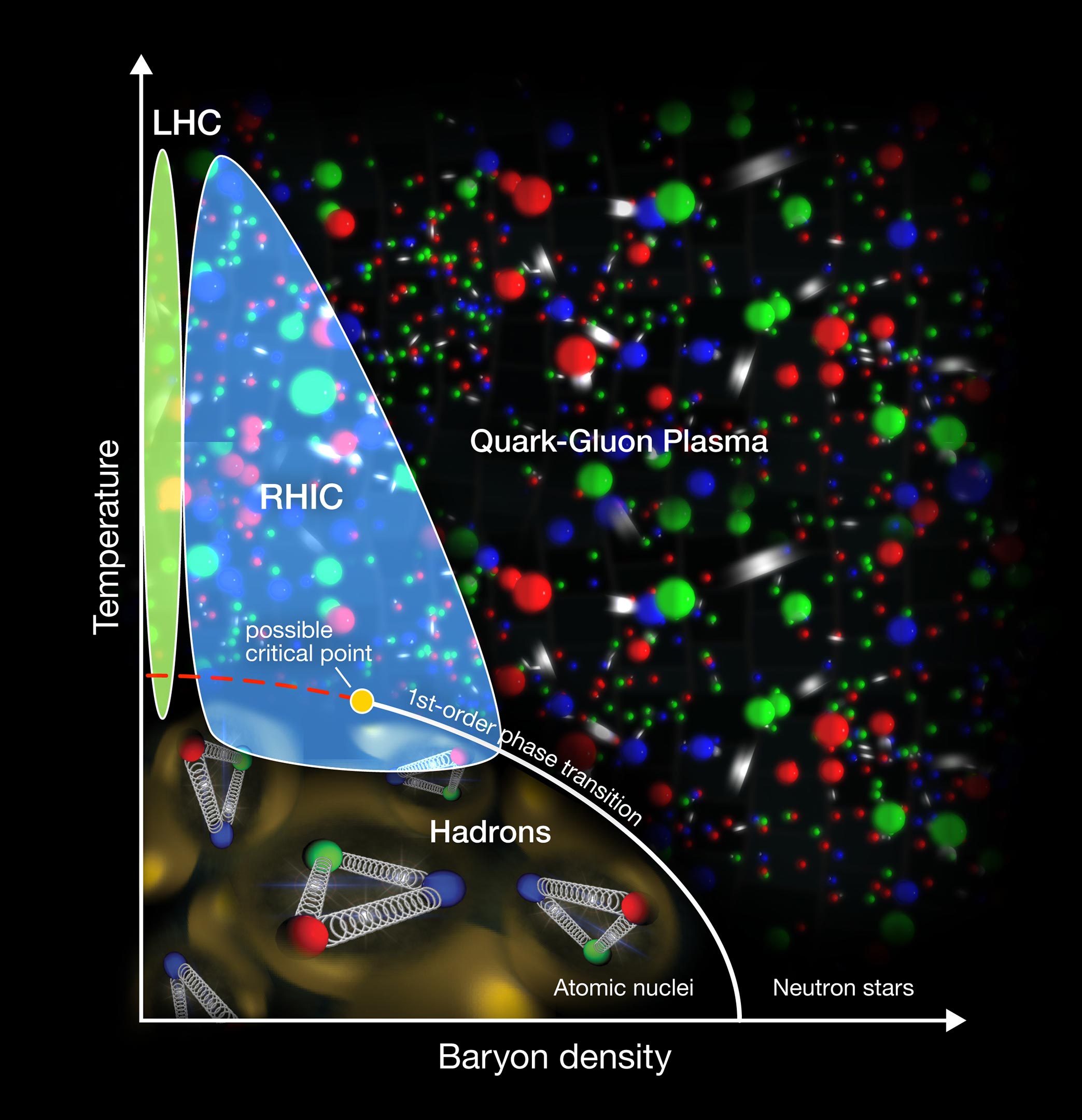
Physicists have discovered that the creation of quark-gluon plasma (QGP), an exotic state of matter, ceases at the lowest collision energy of 3 GeV. By colliding gold nuclei at varying energies, scientists have mapped out the boundaries between QGP and the hadronic phase, providing insights into the conditions for QGP existence and its transition from ordinary matter. The findings will aid in understanding the phases of nuclear matter and the temperature and density conditions under which QGP can exist.

astronomy2 years ago

Gravitational Waves Reveal Strange Quark Matter in Neutron Stars

A research team led by Prof. Fan Yizhong from the Purple Mountain Observatory has found that a strange quark matter core likely exists in massive neutron stars based on observations and quantum chromodynamics theory. This provides a unique opportunity to explore the equation of state of dense matter. The researchers found support for the existence of an exotic core in neutron stars heavier than 0.98 times the most massive one, based on a posterior that satisfies both observational and theoretical constraints.

physics2 years ago

Discovery of Dibaryons Confirms Existence of Diquarks in Baryons

Researchers have discovered that strange matter can be formed when a single photon is absorbed simultaneously by two quarks, leading to the formation of lambda baryons. The discovery poses fundamental questions about the nature of the strong nuclear force and suggests a different mechanism of production and interaction than the case of the single quark interaction. The implications of this discovery could be particularly striking for quantum chromodynamics (QCD), which is the theoretical framework describing the strong nuclear force.

physics2 years ago

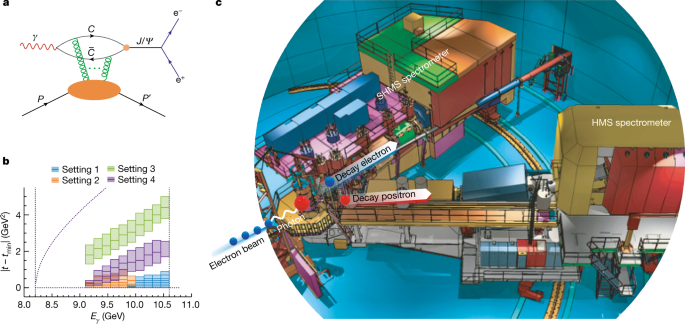
Unveiling the Mysteries of Proton's Inner Structure and Gluonic Gravitational Form Factors.

Scientists have determined the gluonic gravitational form factors of the proton, which describe the distribution of the proton's mass and energy. The research was conducted using data from an electron-proton scattering experiment and analyzed using quantum chromodynamics and lattice QCD. The results provide insight into the structure of the proton and could aid in the development of an electron-ion collider, a proposed particle accelerator that could further advance our understanding of the fundamental building blocks of matter.