Tag

Giant Stars

All articles tagged with #giant stars

astronomy2 years ago

"Astronomers Uncover Ancient Smoking Stars in Milky Way's Core"

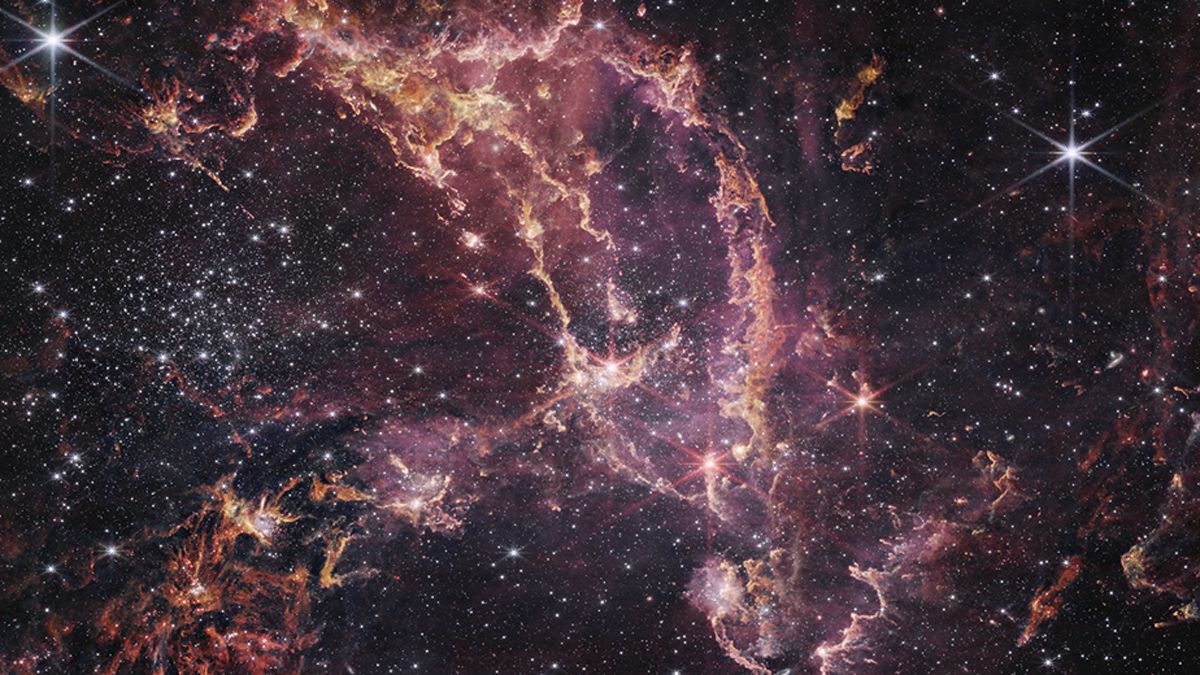
Astronomers have discovered a group of giant elderly stars, dubbed "old smokers," at the center of the Milky Way emitting solar system-sized clouds of dust and gas. These stars, previously faded to near invisibility, suddenly release vast clouds of smoke, a phenomenon attributed to convection currents and instabilities within the stars. The discovery, made during a 10-year survey of almost a billion stars in infrared light, has wider implications for the spread of heavy elements in the nuclear disc and metal-rich regions of other galaxies.

science2 years ago

"Unveiling the Mystery: Potential Existence of Tiny Black Holes in Giant Stars"

A new study suggests that tiny black holes from the early universe could be hiding within giant stars. These black holes could be detected by the vibrations they cause on the star's surface and may function as the mysterious dark matter that holds the universe together. The researchers propose that these black holes would sink to the star's core and grow over time, emitting radiation and becoming "Hawking stars." Astronomers could potentially identify these black holes by studying the vibrations of certain cool giant stars known as red stragglers.

astronomy2 years ago

Exploring NGC 6866: Astronomers Uncover Secrets of Giant Stars

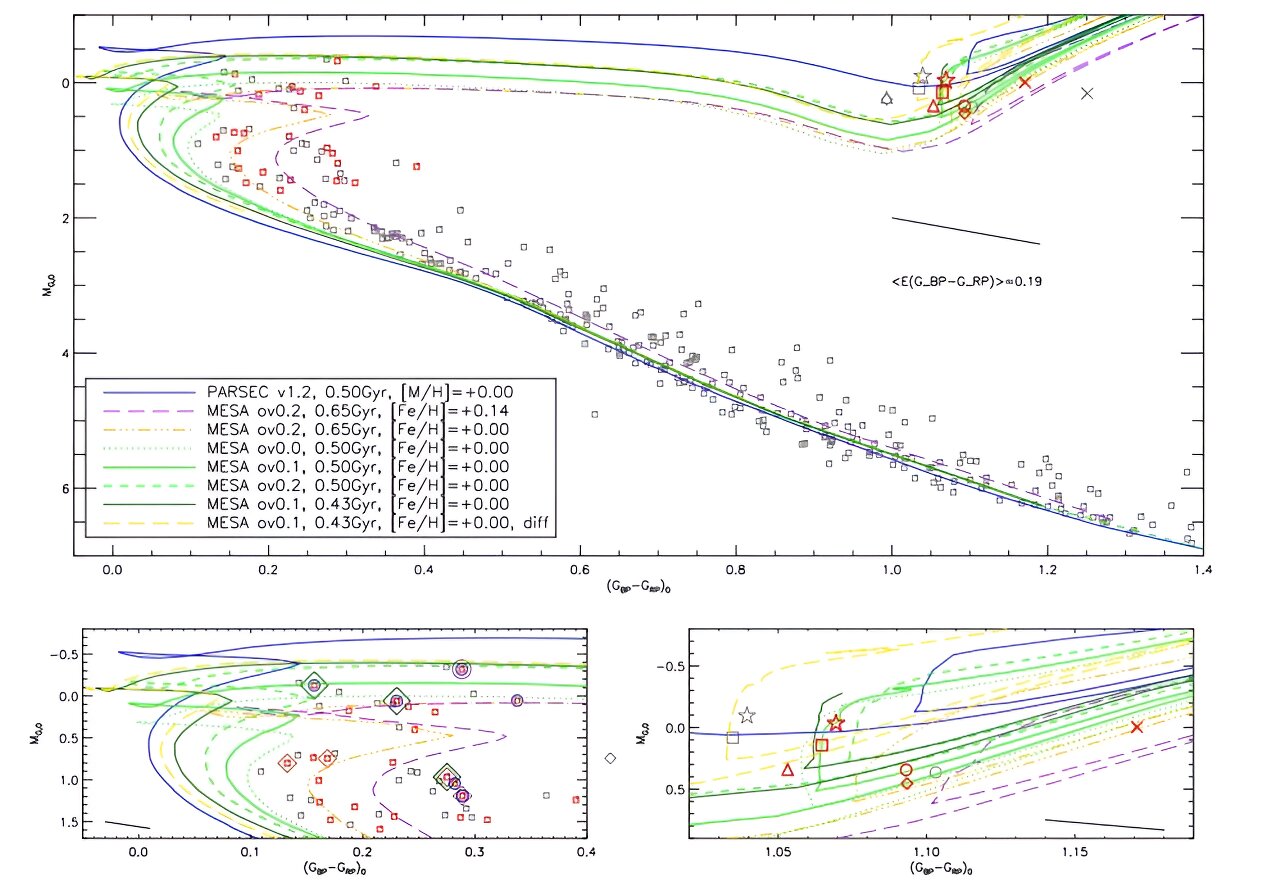
Astronomers have used data from NASA's Kepler and ESA's Gaia spacecraft to conduct an astroseismic investigation of six giant stars in the open cluster NGC 6866. The study provides insights into the properties of these giant stars and the cluster itself. The researchers identified and analyzed six giant stars in the cluster, finding that they have a mean radius of about 10.1 solar radii and a mean mass of around 2.8 solar masses. The stars were also found to be younger than previously thought, with an estimated age of between 443 and 580 million years. Further studies using asteroseismic missions have the potential to reveal more details about the properties of stars in NGC 6866 and other young open clusters.

science-and-astronomy2 years ago

Unraveling the Birth of Massive Stars through 'Dragon Cloud' Observations

Astronomers using the Atacama Large Millimeter/submillimeter Array (ALMA) in Chile have discovered a massive, cold clump of material in the heart of the "Dragon cloud" that is ready to form a single giant star, providing a rare glimpse into the mysterious process of how the most massive stars in the galaxy are born. The discovery supports the core accretion theory, which suggests that giant stars start out small but then suck up material from their surroundings, depriving any nearby stars of their own gas quickly enough before it becomes a star. The James Webb Space Telescope will be used to continue monitoring the Dragon cloud and to gain a better understanding of how the most massive stars in the galaxy begin their lives.