Tag

Protein Production

All articles tagged with #protein production

"The Impact of Seven Days of Fasting on Human Health: New Study Findings"
health-and-wellness1 year ago

"The Impact of Seven Days of Fasting on Human Health: New Study Findings"

New research suggests that fasting for more than three days may be necessary to trigger significant health benefits, as observed in a study of 12 participants undergoing a seven-day water-only fast. The study found that protein production changes linked to improved health were only evident after three consecutive days of fasting, indicating that shorter or intermittent fasts may not offer the same benefits. While fasting may hold potential health benefits, it also poses risks, and its effects on a diverse human population are not fully understood. Further research is needed to better understand the long-term health implications of fasting.

"The Hidden Factor Hastening Aging and Its Potential to Defeat Mortality"
health-and-science1 year ago

"The Hidden Factor Hastening Aging and Its Potential to Defeat Mortality"

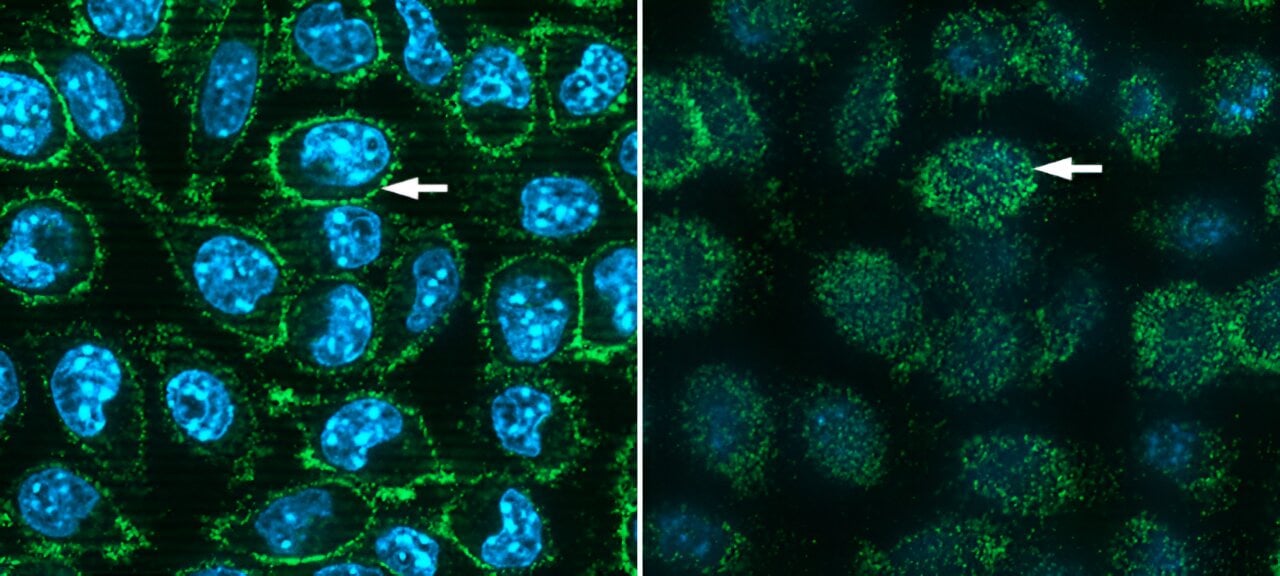
A new study published in Nature Genetics suggests that damaged DNA may be a key factor in the aging process, leading to a slowdown in protein production and causing cellular pathways to malfunction. The study found that RNA-making phase tends to stall in older mice, leading to a build-up in the DNA and delaying gene expressions, ultimately impacting aging hallmarks. Understanding and preventing DNA damage could potentially help in conquering the symptoms of aging.

"Mouse Cells Successfully Produce COVID Receptor Protein, Scientists Report"
science2 years ago

"Mouse Cells Successfully Produce COVID Receptor Protein, Scientists Report"

Scientists at the U.S. Department of Energy's Brookhaven National Laboratory and Columbia University have successfully produced large quantities of the human ACE2 receptor protein, which the SARS-CoV-2 virus binds to, in mouse cells. This achievement provides a new method for studying these receptors and potentially utilizing them for therapeutic purposes. The team's approach, described in a recent journal publication, could also facilitate the production of other complex proteins that have been challenging to create using traditional methods.

"Coal-to-Protein Breakthrough: Chinese Scientists Make Strides in Sustainable Food Production"
science-and-technology2 years ago

"Coal-to-Protein Breakthrough: Chinese Scientists Make Strides in Sustainable Food Production"

Chinese scientists have developed a groundbreaking method to convert coal-derived methanol into protein, addressing the increasing demand for animal feed. This innovative approach, led by researchers at the Tianjin Institute of Industrial Biotechnology, has resulted in a cost-effective and efficient protein production technology using yeast strains. The high conversion rate and nutritional richness of the resulting protein make it a promising alternative to traditional protein sources like soybeans and fishmeal, with potential for large-scale production and market expansion.

Unintended Protein Modifications in mRNA Vaccines Raise Safety Concerns
science-and-technology2 years ago

Unintended Protein Modifications in mRNA Vaccines Raise Safety Concerns

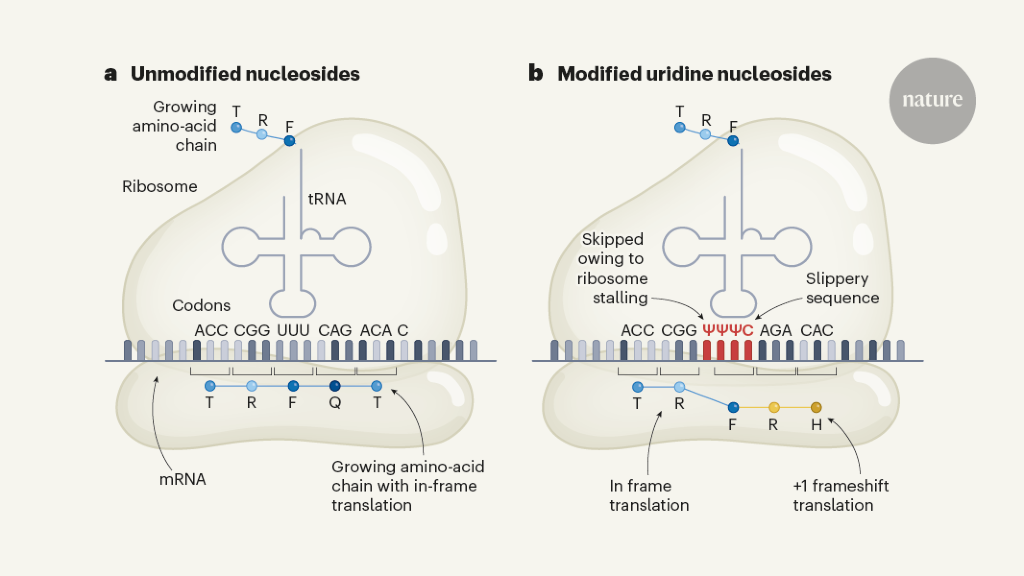
Modified components of messenger RNA (mRNA) can cause the protein-production machinery to stall during translation, potentially leading to the production of aberrant protein products. This finding has implications for mRNA vaccines and other therapeutic RNAs, highlighting the need to understand the details of how in vitro transcribed (IVT) mRNA encodes protein. The study reveals that ribosomes can stall at specific sequences along modified mRNA, which includes chemically modified nucleoside components. This research sheds light on potential unintended consequences of nucleoside-modified mRNA vaccines and other non-vaccine therapeutic RNAs.

"Fruit Fly Compound Unlocks Potential for New Antibiotics and Enhanced Immune Defenses"
science-and-technology2 years ago

"Fruit Fly Compound Unlocks Potential for New Antibiotics and Enhanced Immune Defenses"

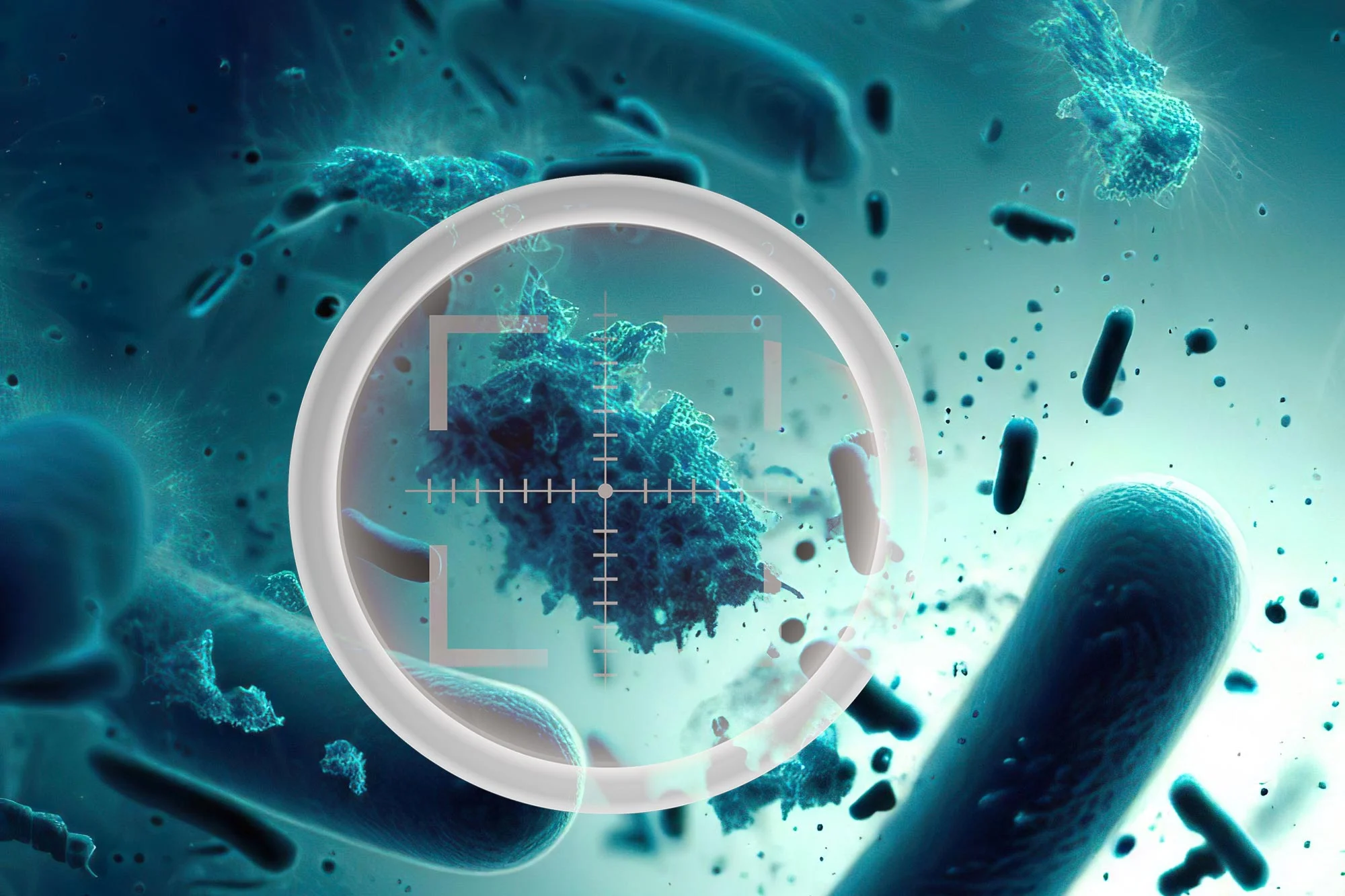
Researchers at the University of Illinois Chicago have discovered that a natural peptide from fruit flies, called drosocin, can bind to bacterial ribosomes and inhibit protein production, leading to bacterial cell self-destruction. This finding could pave the way for the development of new antibiotics by understanding the mechanism of action of drosocin and potentially engineering similar peptides. The study, funded by the National Institutes of Health, provides insights into how drosocin works and its potential as a source for novel antibiotics.

Unveiling the Structure of a Vital Protein Production Enzyme through Cryo-EM
molecular-and-structural-biology2 years ago

Unveiling the Structure of a Vital Protein Production Enzyme through Cryo-EM

Cryo-electron microscopy (cryo-EM) has revealed the three-dimensional structure of the tRNA splicing endonuclease (TSEN) enzyme, shedding light on its interaction with precursor tRNAs (pre-tRNAs) and the excision of introns. TSEN plays a crucial role in the correct conversion of tRNAs, and mutations that disrupt its interaction with the RNA kinase CLP1 can lead to neurodegenerative disorders. The study provides insights into the structural basis of substrate recognition by TSEN and may aid in the development of potential therapies for related genetic disorders.