The article argues that Trump-era protectionist trade policies have pushed other countries to recalibrate away from the U.S. and increasingly engage with China, allowing Beijing to expand its role in global trade and reshape supply chains.
Canadian steel industry leaders, including billionaire Barry Zekelman, are calling for aggressive protectionist measures and the termination of trade agreements to shield against US tariffs and Chinese steel dumping, warning that without such actions, Canada's steel sector could be devastated by US policies and global overcapacity.
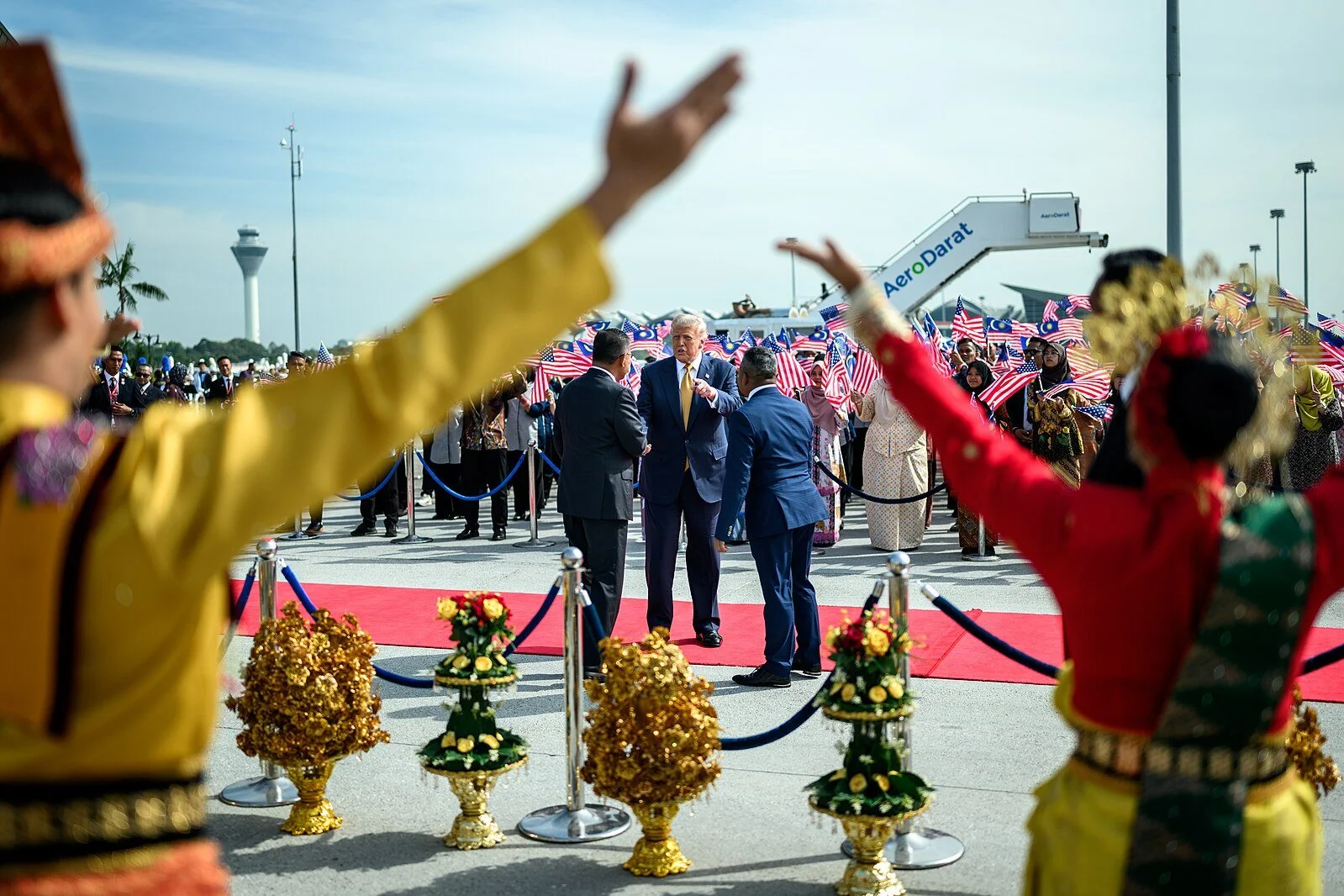
The article criticizes Trump's recent Asia trip, highlighting his confrontational and unilateral approach to foreign policy, his protectionist trade strategies, and the decline of traditional U.S. imperialism, while suggesting the global South should consider alternative regional alliances amidst the shifting geopolitical landscape.
Trump's tariffs have become a significant source of US government revenue, potentially shaping future fiscal policy and enduring beyond his presidency due to political and economic factors, despite their unpopularity and economic drawbacks.
At the Aspen forum, attendees acknowledged that the world is unlikely to return to a pre-Trump order, noting the rise of protectionist policies across the US political spectrum, ongoing frustrations with Congress, and heightened tensions with China, while also recognizing that many Americans still support international engagement.
President Trump has prioritized imposing high tariffs over securing comprehensive trade deals, with only limited agreements announced and many tariffs remaining in place, leading to concerns about protectionism and the impact on U.S. trade relations.
Donald Trump's second term agenda, which emphasizes protectionism and tax cuts over free trade and debt concerns, is not expected to significantly impact the global economy by 2025. His approach challenges the established economic and foreign policy norms, which have faced criticism under President Biden due to high inflation and geopolitical tensions.
Research on the 2018-19 U.S.-China trade war suggests that President-elect Trump's proposed tariffs on imports from Canada, Mexico, and China may not achieve their intended economic benefits. Previous tariffs did not reduce the cost of Chinese imports, led to higher prices for U.S. consumers, and did not bring back manufacturing jobs to the U.S. Additionally, sectors affected by retaliatory tariffs suffered. Companies' strategies like friend-shoring may not effectively counteract new trade barriers, potentially reshaping the U.S. economy significantly.
Donald Trump plans to implement large tariffs on Chinese imports and medium-sized ones on other countries, reflecting his campaign promises and his self-proclaimed identity as "Tariff Man." While his approach may lead to chaos and unpredictability, it aims to revive a 19th-century economic model where tariffs fund the government and protect American industry. This strategy could result in significant changes to global trade dynamics.
Protectionism is on the rise in the US, with tariffs and trade restrictions becoming more prevalent. This trend is impacting the economy and raising concerns about its long-term effects.
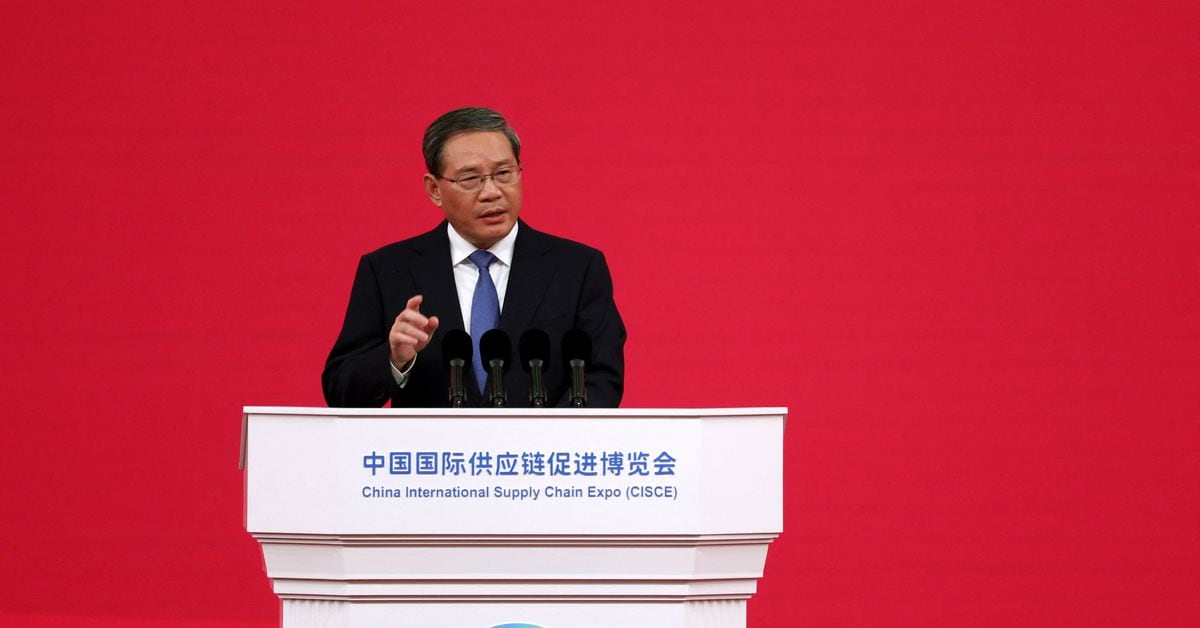
Chinese Premier Li Qiang expressed opposition to protectionism and emphasized the need to strengthen supply chain partnerships with all countries at the first China International Supply Chain Expo. As the United States and the European Union seek to reduce their dependence on China and "de-risk" their supply chains, China warns that protectionism and geopolitical tensions pose risks to global supply chains. Recent geopolitical tensions have led foreign businesses to diversify their supply chains away from China, directing investments to countries like India, Mexico, and Vietnam. Despite a decrease in foreign investment in China, it remains an attractive option, with 45% of firms surveyed at the China International Import Expo expecting to expand their supply chains in China.
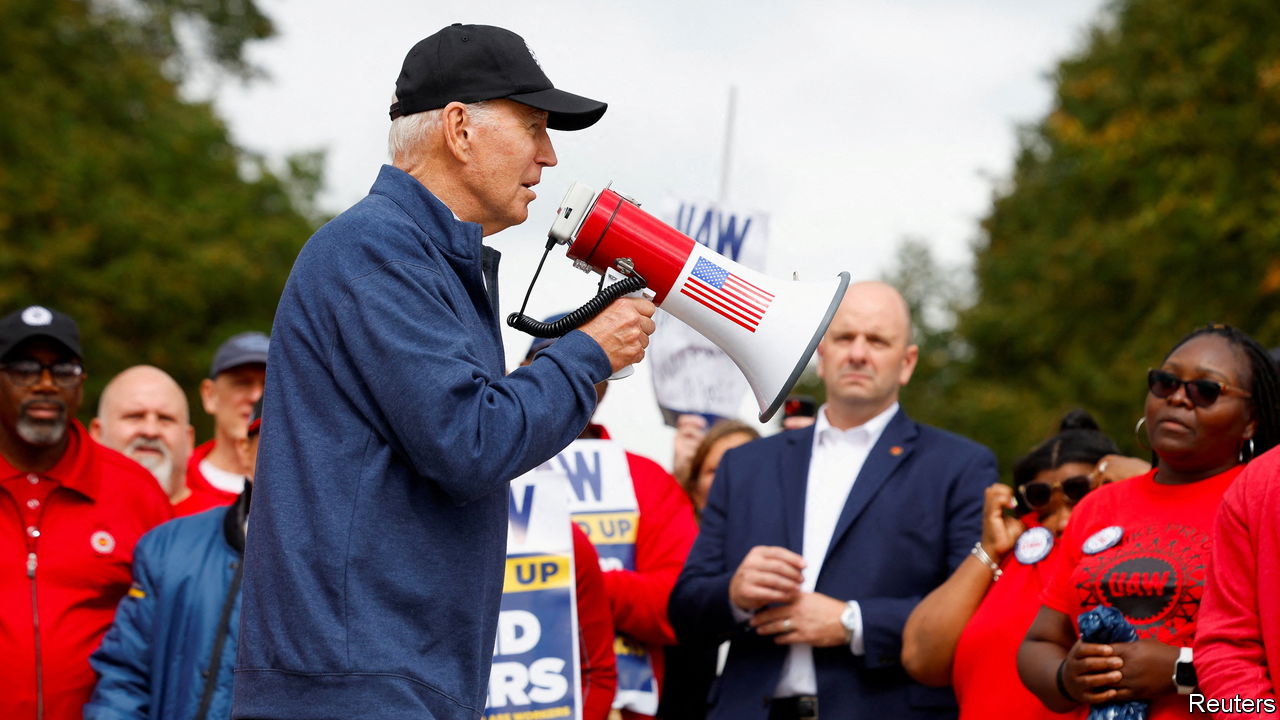
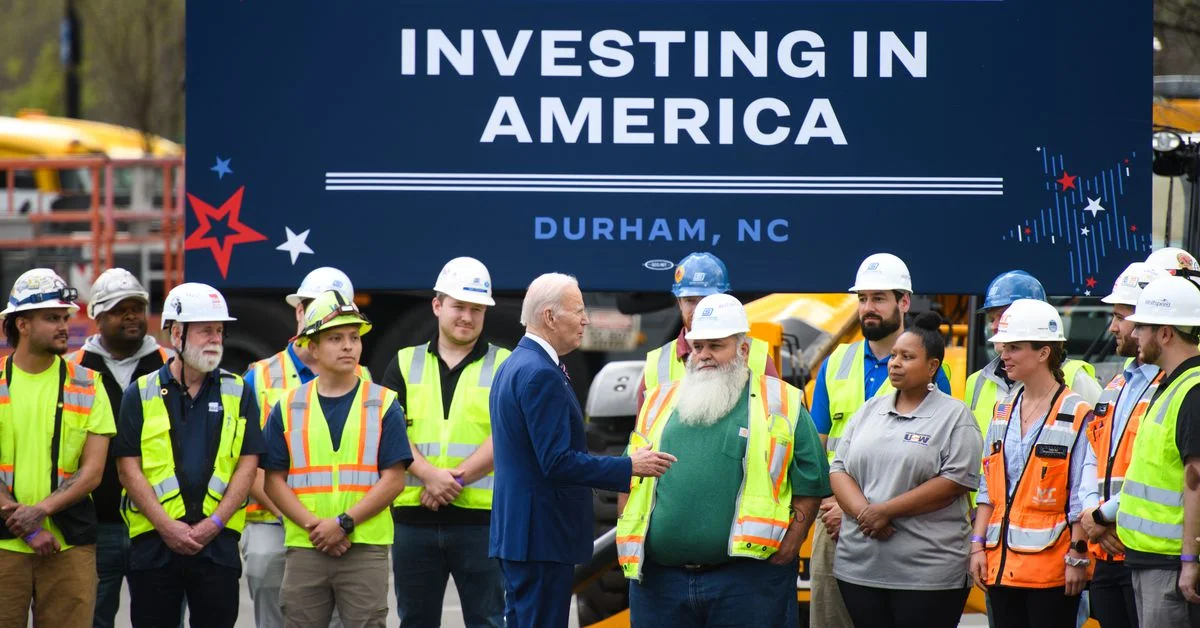
The ongoing UAW strike in the car industry is putting President Joe Biden's economic policies, known as Bidenomics, to the test. The UAW is demanding a 36% pay increase over four years, better pensions, healthcare for all retirees, and improved terms for new hires. Biden's focus on protecting manufacturing workers with tariffs and subsidies, particularly in the electric vehicle sector, is aimed at appealing to working-class families in swing states. However, this approach risks repeating the mistakes of the past, as protectionism and strikes could harm the industry's competitiveness and hinder the green transition. The outcome of the strike will determine how Biden's pro-union stance is perceived.
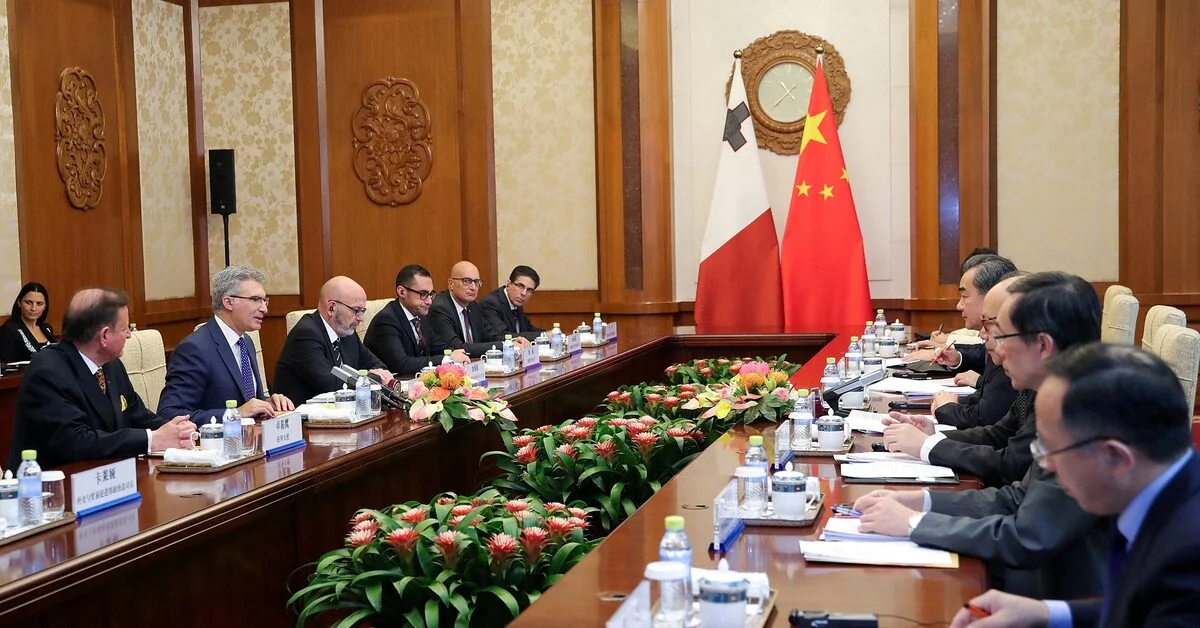
Chinese Foreign Minister Wang Yi has urged China and the European Union (EU) to maintain an "open attitude" and reject protectionism, emphasizing the importance of free trade and cooperation. Wang stated that China supports the EU's strategic independence and European integration, and that the two sides should focus on achieving positive effects through their partnership. The remarks come amidst an ongoing investigation by the European Commission into potential punitive tariffs on Chinese electric vehicle imports, which the EU claims benefit from excessive state subsidies.
The global economy is witnessing a shift towards rising protectionism and massive subsidies, leading to a race among the world's largest economies to secure the industries of the future. However, smaller countries that cannot afford to pay up are being left behind in this new world order.
President Biden's approach to industrial policy might not only undermine other commitments but also fail on its own terms to bring huge numbers of jobs building things like solar panels and semiconductors back to the US. Biden's signature climate bill, the Inflation Reduction Act, extensively favors US industry in a way that has provoked mass outrage from foreign governments, including close allies. Biden seems to be joining Trump in turning America inward, at least economically, and undermining the open trade regime that their predecessors from both parties worked for decades to build.