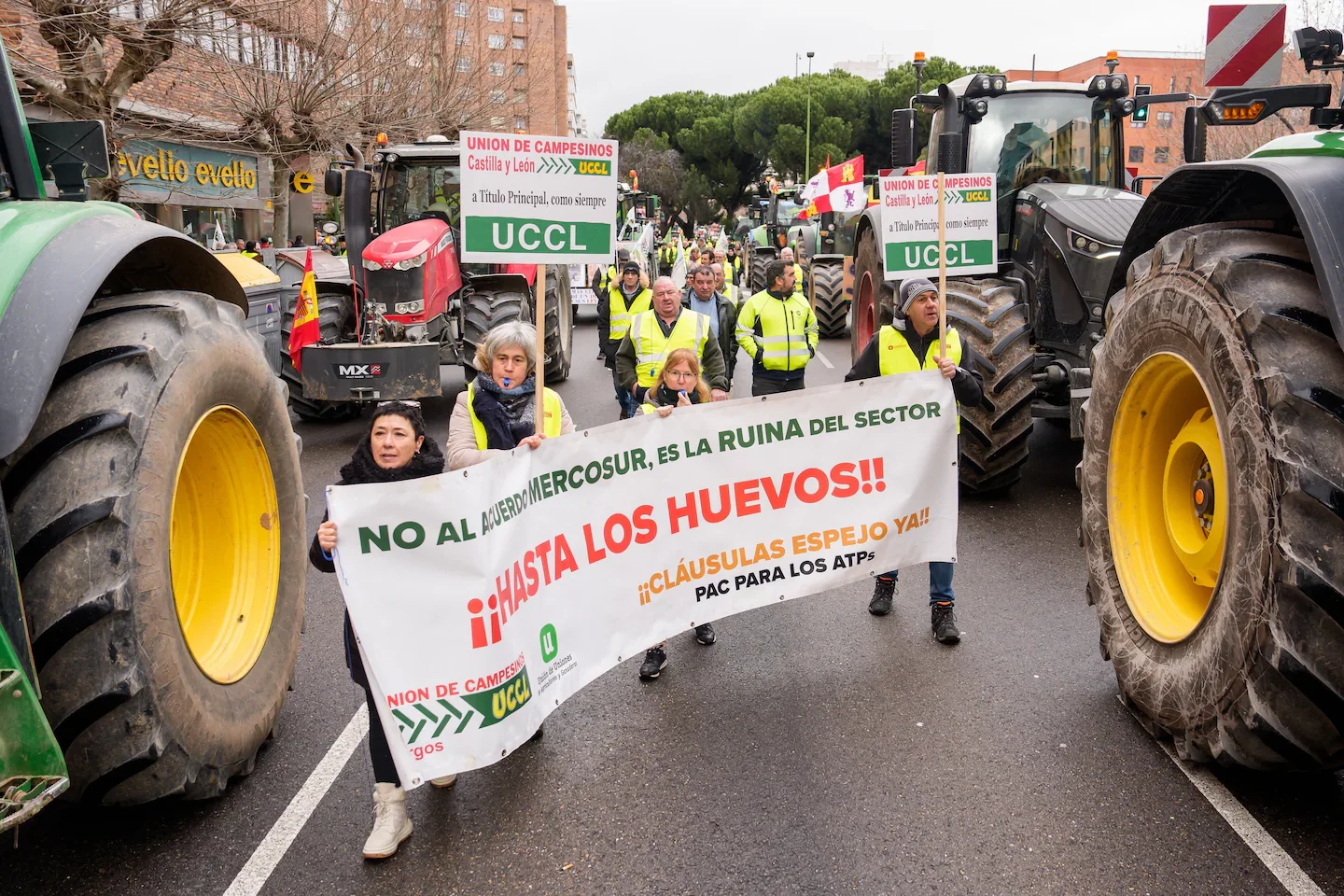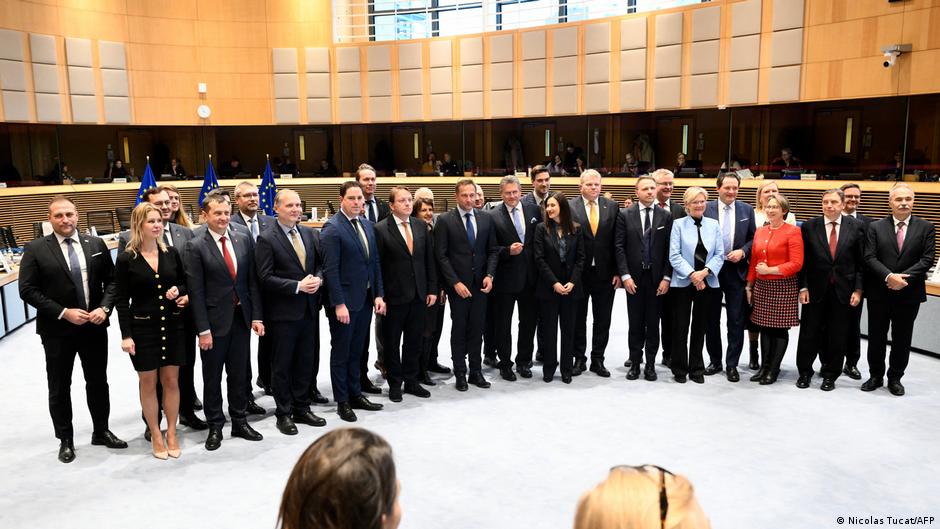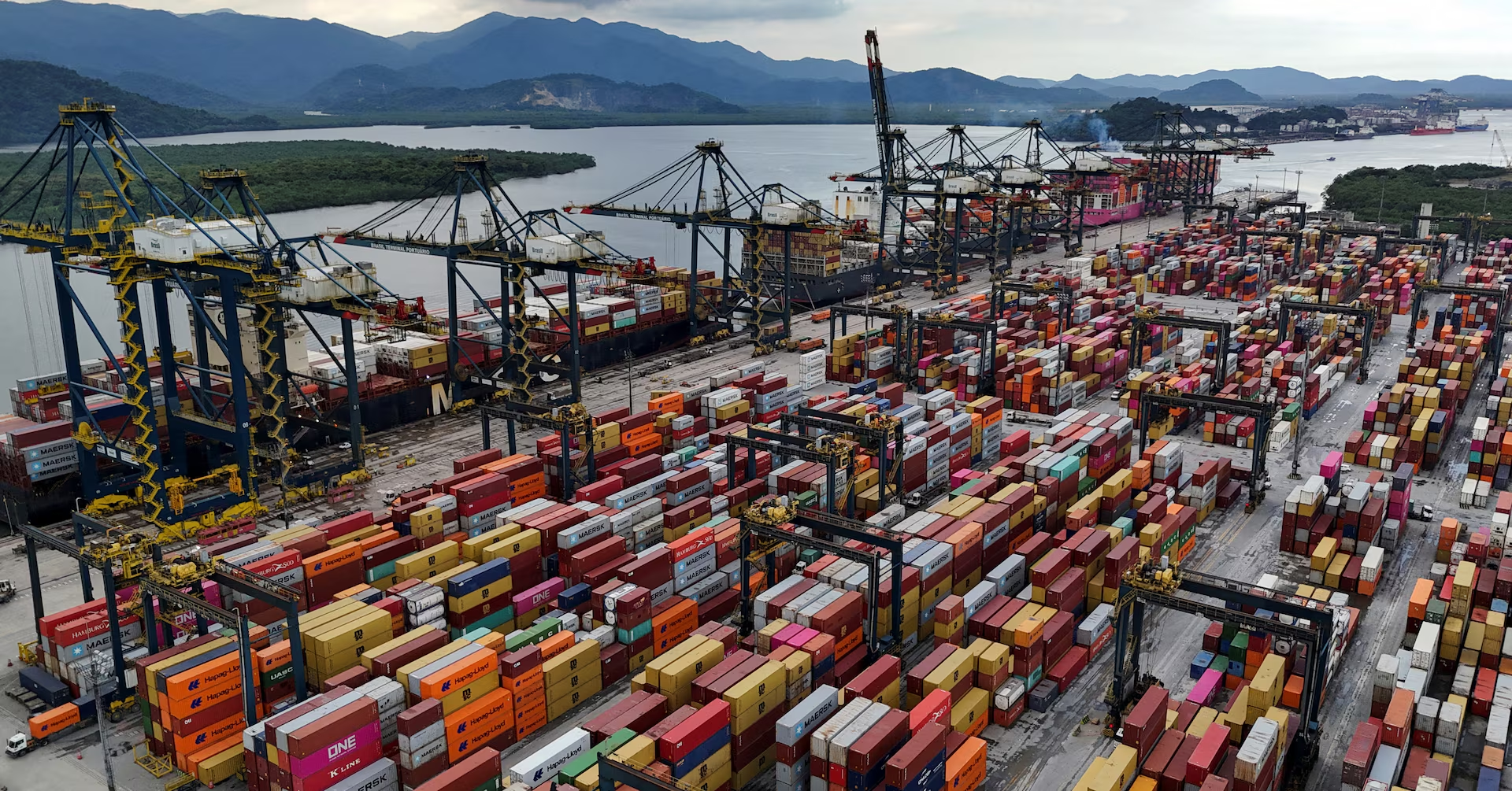
EU member states have approved the Mercosur free trade deal with South American countries, pending European Parliament approval, despite some countries like France opposing it. The agreement aims to reduce tariffs, boost exports, and strengthen trade relations, with support from Germany and other nations, while facing resistance from farmers and some political leaders.
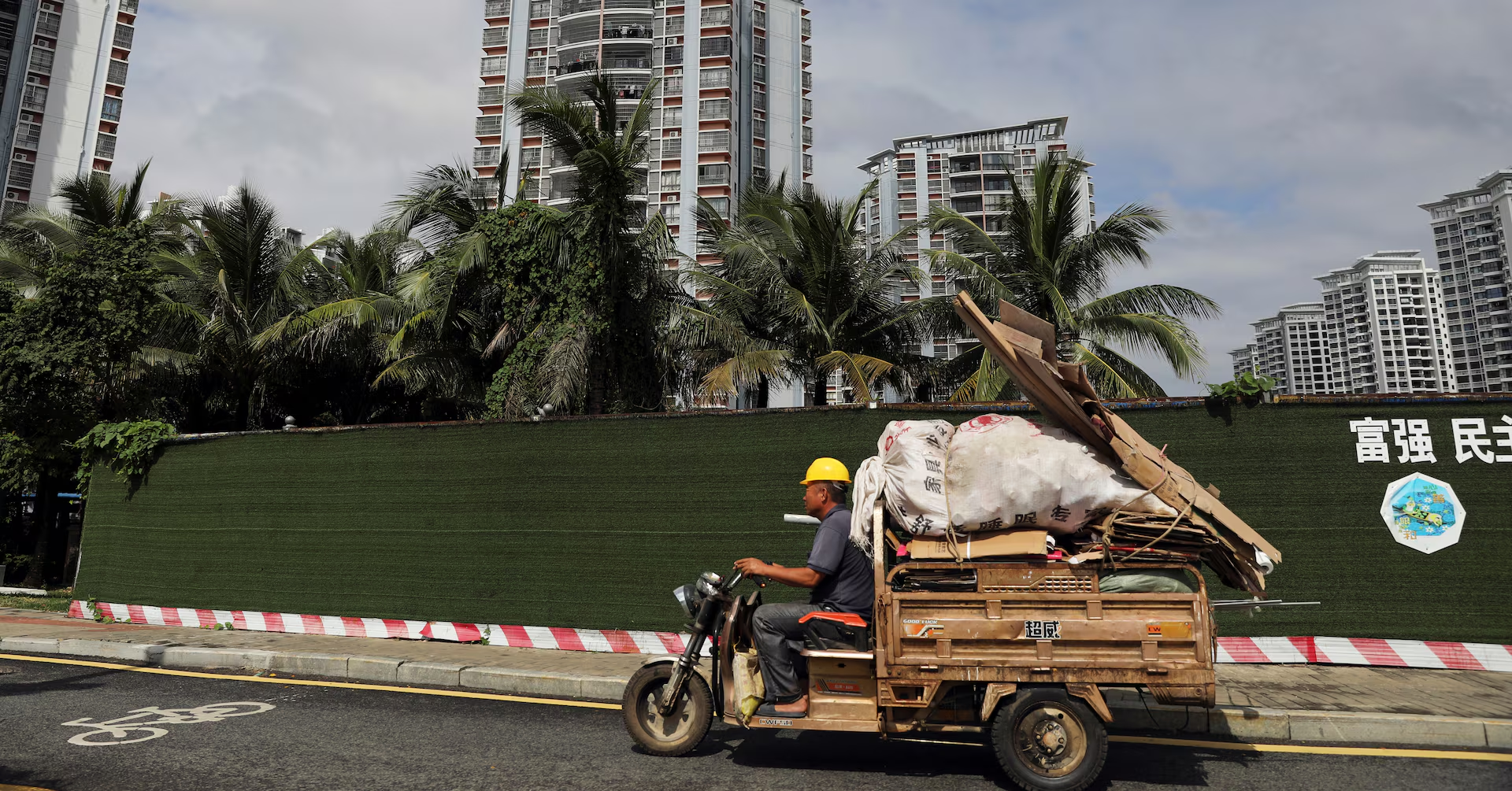
China has launched a $113 billion free-trade experiment on Hainan island, transforming it into a duty-free zone to attract foreign investment, boost trade, and establish a Hong Kong-style commercial hub, as part of its efforts to join the CPTPP and diversify its economy amid trade tensions and economic slowdown.
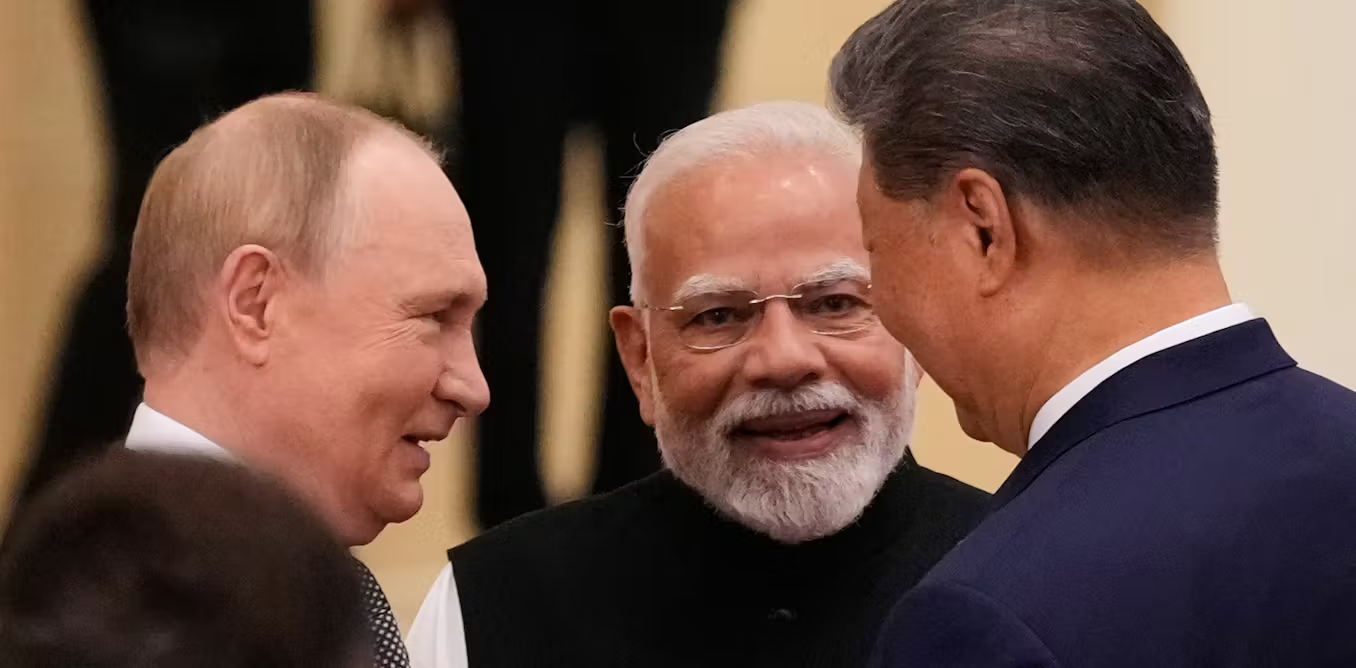
The global trading system, historically based on free trade principles and managed by institutions like the WTO, faces significant challenges due to US protectionist policies under Trump, China's rise, and geopolitical tensions, leading to potential shifts towards regional arrangements and coalitions that may reshape international trade dynamics.
Mercosur and the European Free Trade Association (EFTA) have finalized a sweeping free trade agreement covering nearly all shipments between the two blocs, involving 300 million people and a GDP of over $4.3 trillion, with potential approval in the second half of 2025. The deal aims to improve market access for over 97% of exports and expand tariff-free imports within Mercosur, which includes Brazil, Argentina, Uruguay, and Paraguay. The agreement is part of ongoing efforts to boost trade amid global uncertainties and is linked to broader negotiations with the EU, which face political challenges.
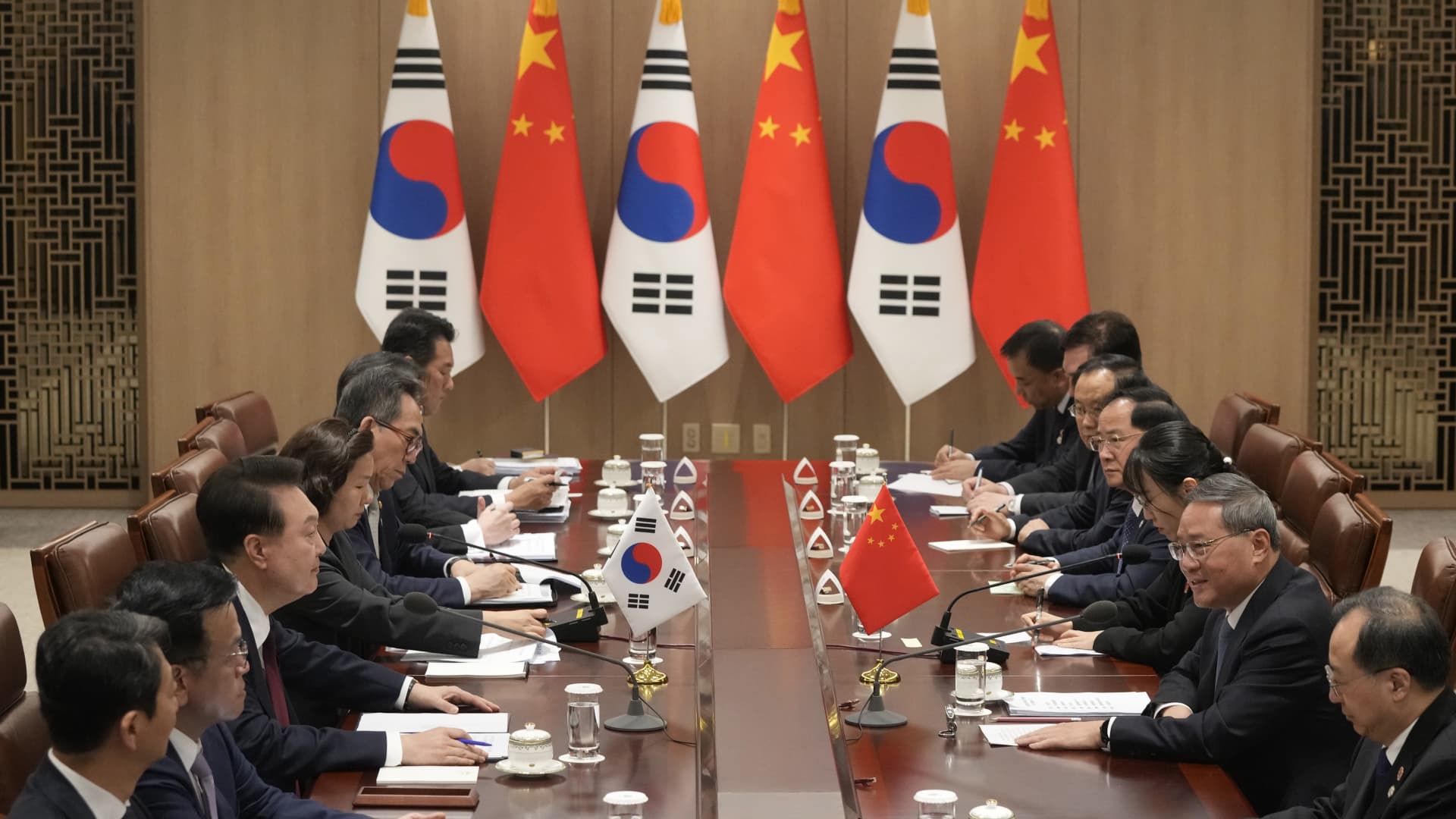
At a trilateral summit in Seoul, China urged Japan and South Korea to reject protectionism and uphold free trade, emphasizing economic cooperation over political and security issues. The leaders agreed to institutionalize their cooperation and expedite free trade agreement negotiations. The summit aimed to stabilize regional relations amid North Korean threats and U.S. influence, with China seeking to maintain its economic ties with both countries.
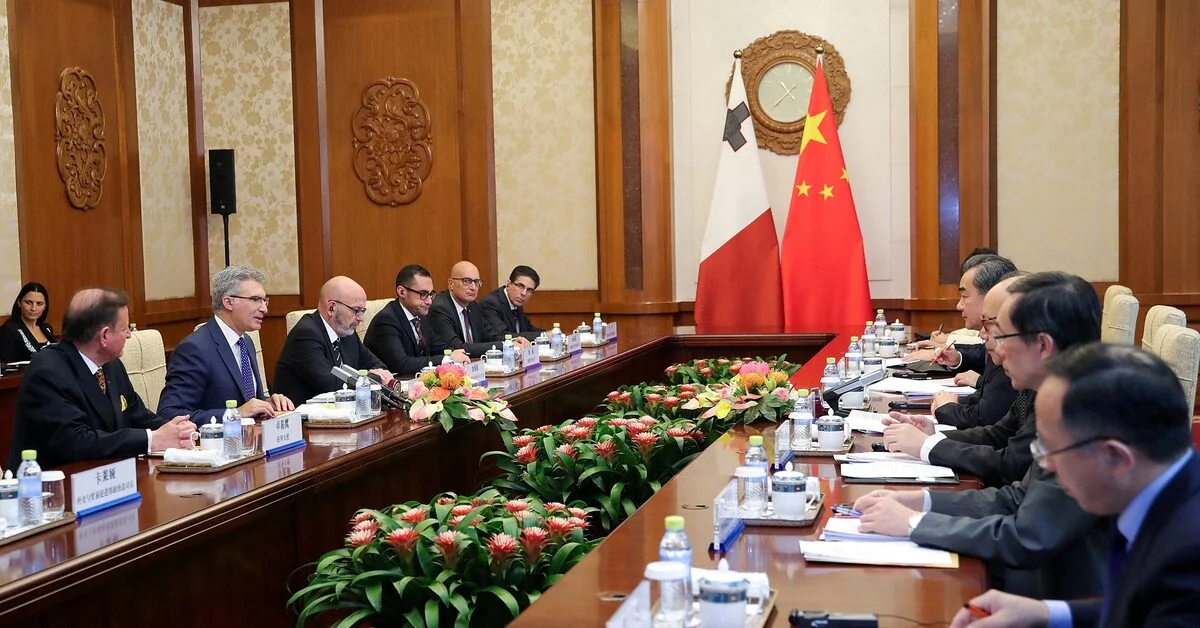
Chinese Foreign Minister Wang Yi has urged China and the European Union (EU) to maintain an "open attitude" and reject protectionism, emphasizing the importance of free trade and cooperation. Wang stated that China supports the EU's strategic independence and European integration, and that the two sides should focus on achieving positive effects through their partnership. The remarks come amidst an ongoing investigation by the European Commission into potential punitive tariffs on Chinese electric vehicle imports, which the EU claims benefit from excessive state subsidies.
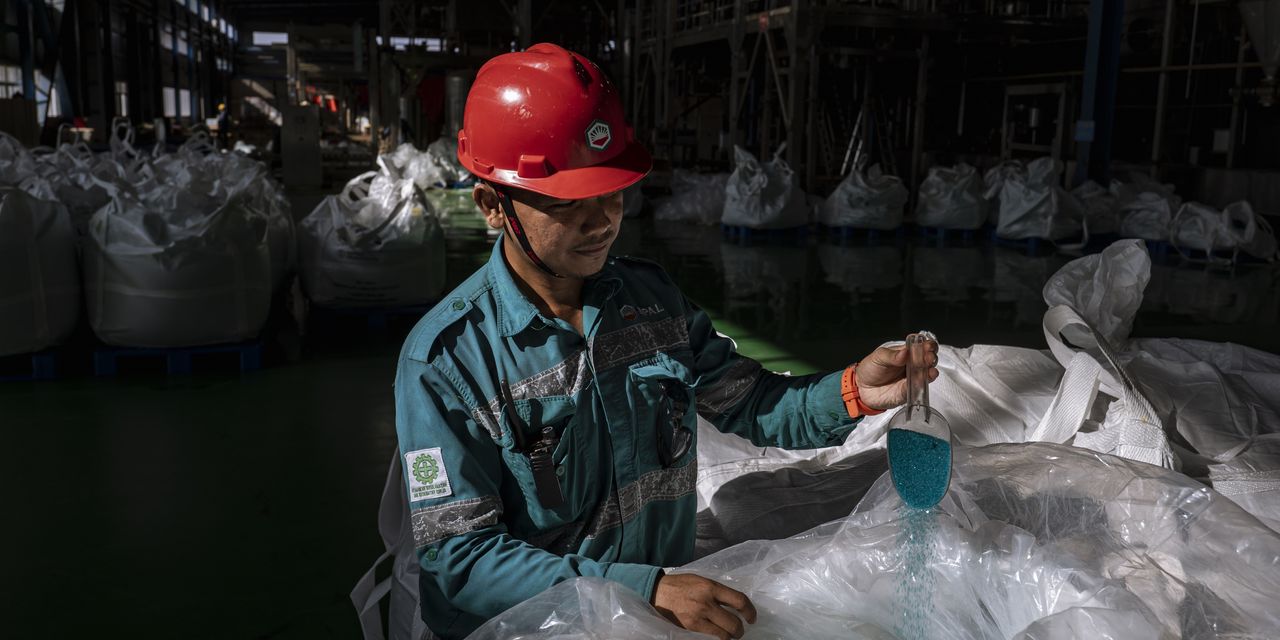
The global economy is witnessing a shift towards rising protectionism and massive subsidies, leading to a race among the world's largest economies to secure the industries of the future. However, smaller countries that cannot afford to pay up are being left behind in this new world order.