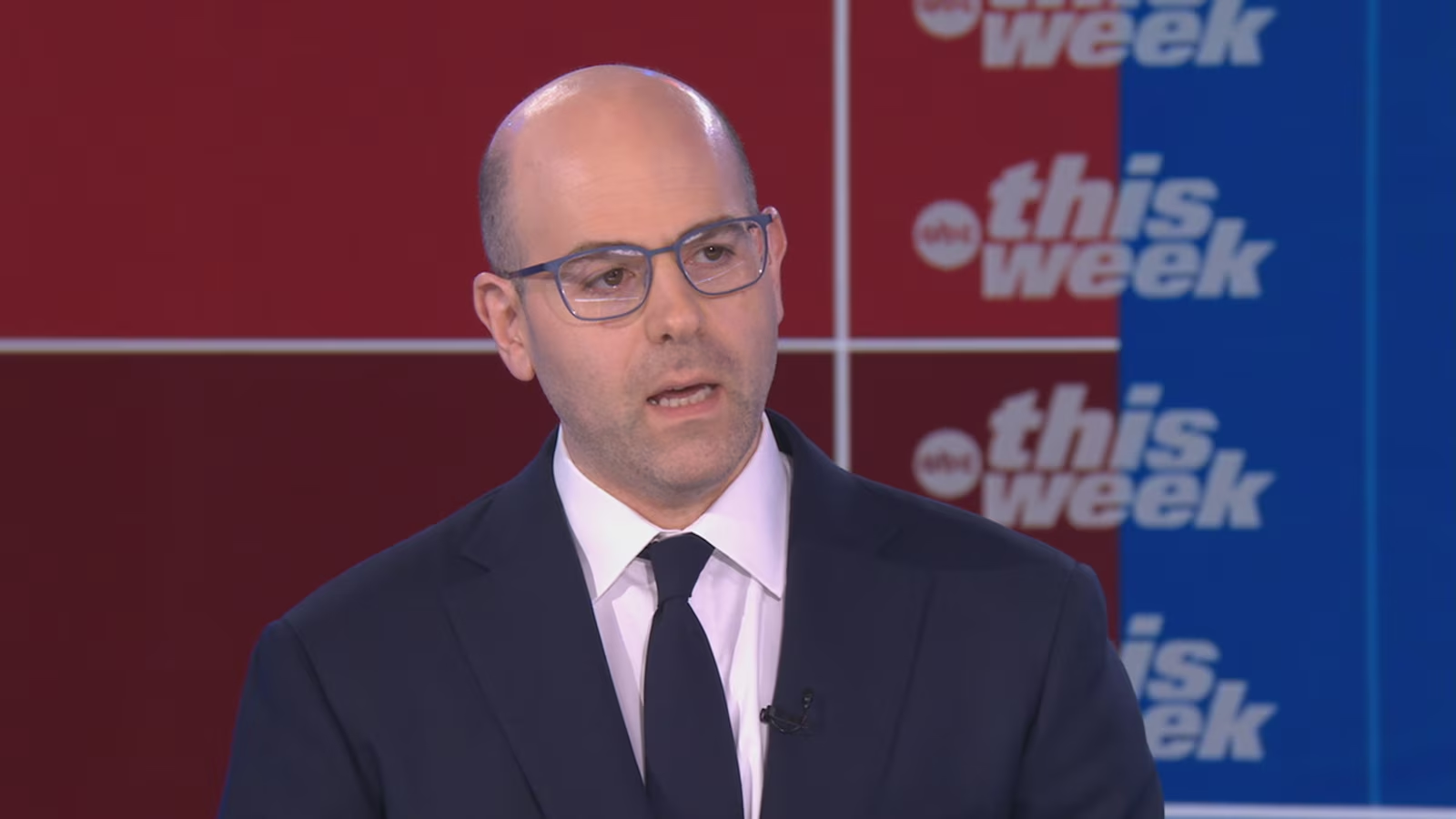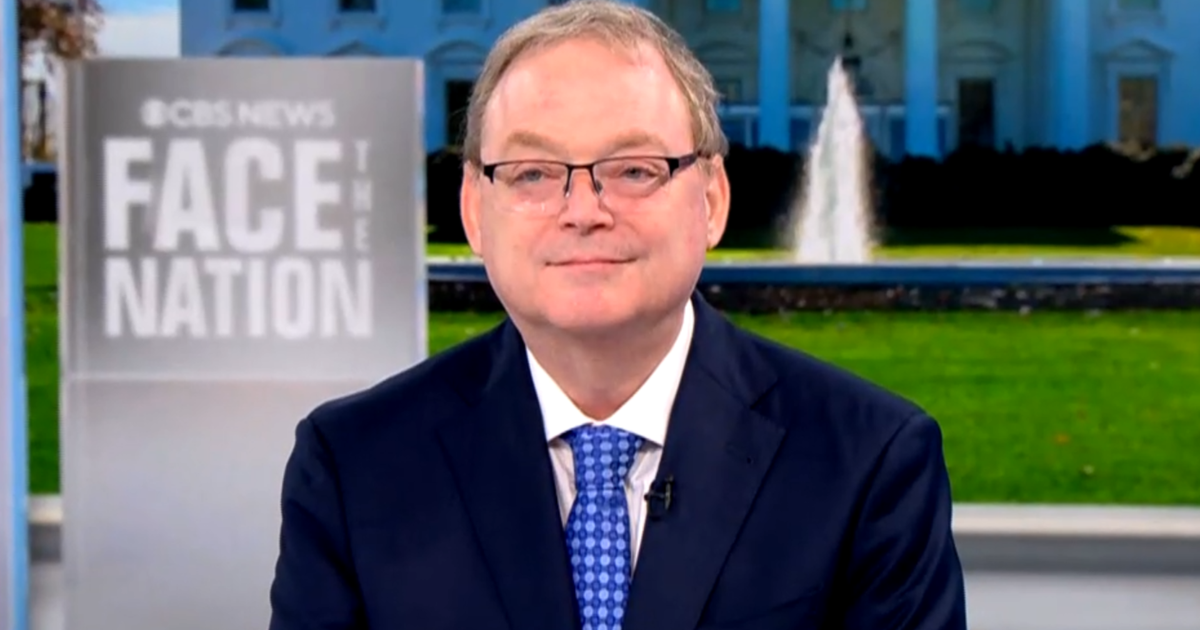
Kevin Hassett discusses the US economy, asserting that recent job and inflation data indicate stability and room for rate cuts, while addressing immigration policy changes, tariffs, and oil market concerns, emphasizing positive economic trends and policy clarity for 2026.
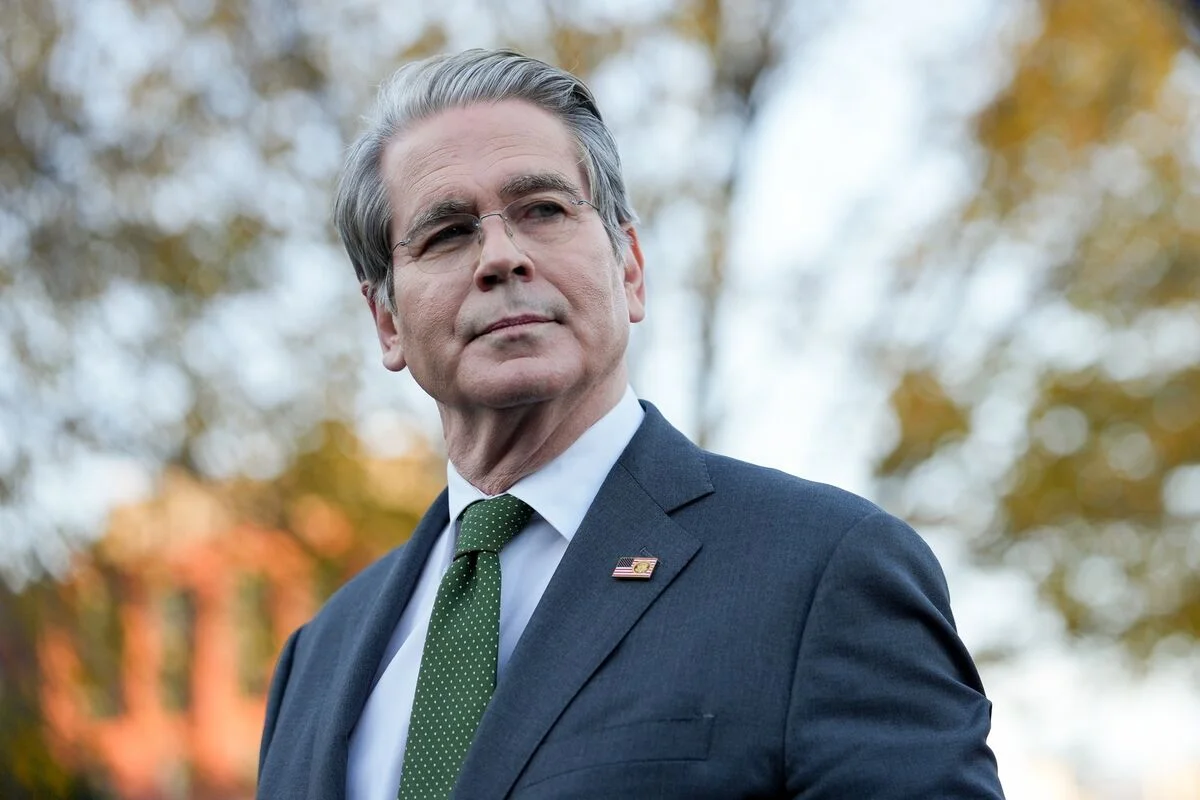
Treasury Secretary Scott Bessent indicated that the $2,000 'dividend' promised by President Trump could be delivered through various tax cuts, including reductions on tips, overtime, and Social Security, as part of the administration's economic policies. The discussion comes amid ongoing debates over tariffs and their impact on the US economy and debt reduction efforts.
Germany's coalition government has agreed to pursue welfare reforms and a 2027 budget, while economic forecasts for 2025 are lowered. Meanwhile, Porsche is set to return to the DAX index after a profit decline, and the far-right AfD is projected to gain significant support in Saxony-Anhalt. Additionally, media company MFE has acquired a majority stake in ProSiebenSat.1, and Germany plans to cut its contribution to the global health fund.
The White House indicates some countries negotiating in good faith may have tariffs delayed, depending on their concessions, as President Trump approaches a trade deal deadline. Experts like Larry Summers criticize the economic impact of recent tax cuts and safety net reductions, warning they could harm growth and increase inequality, despite optimistic claims from the administration.
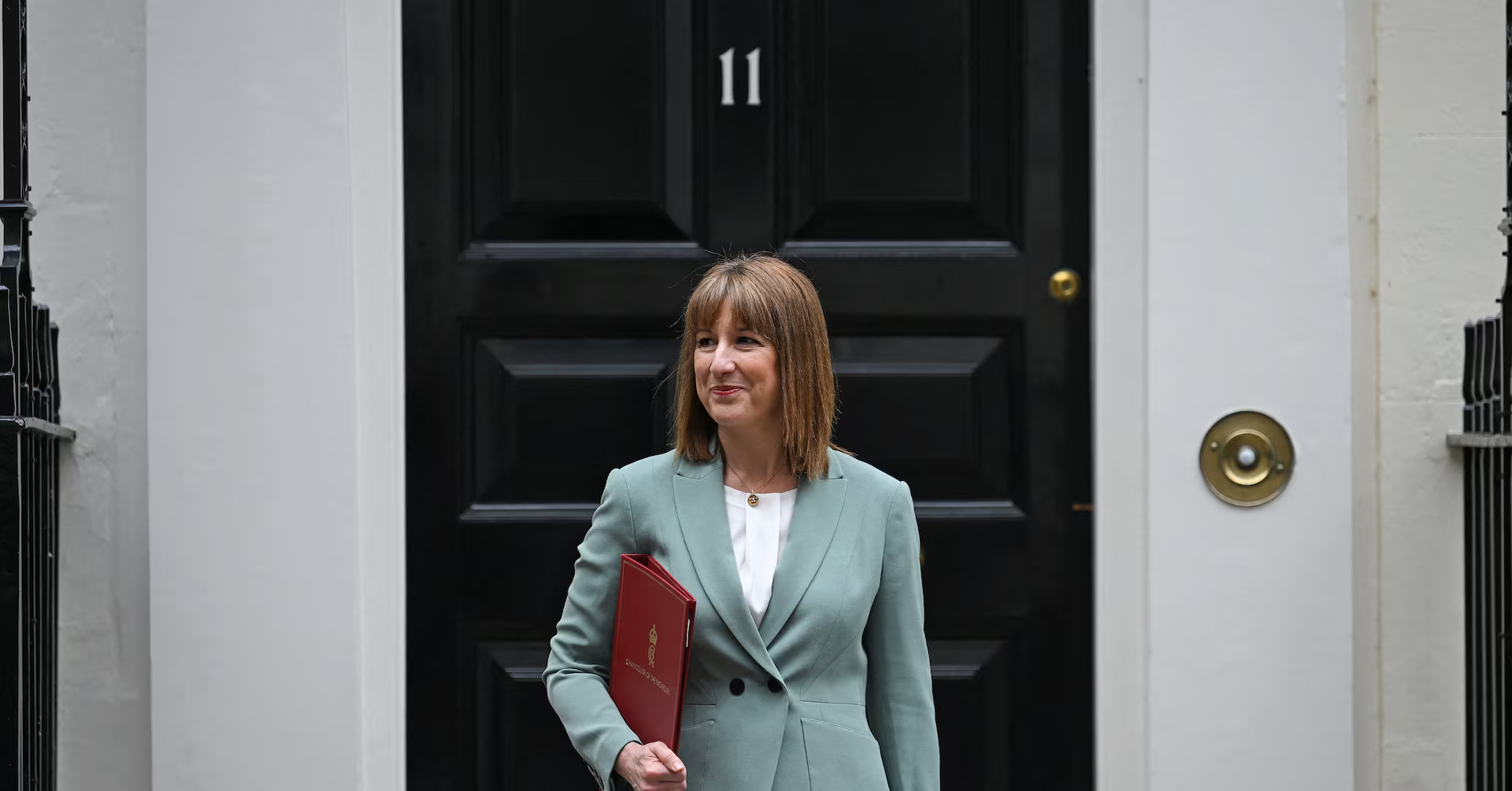
UK Finance Minister Rachel Reeves announced over $2.7 trillion in public spending from 2026 to 2030, focusing on national renewal through investments in defense, nuclear power, housing, and public services, amid political and economic challenges.
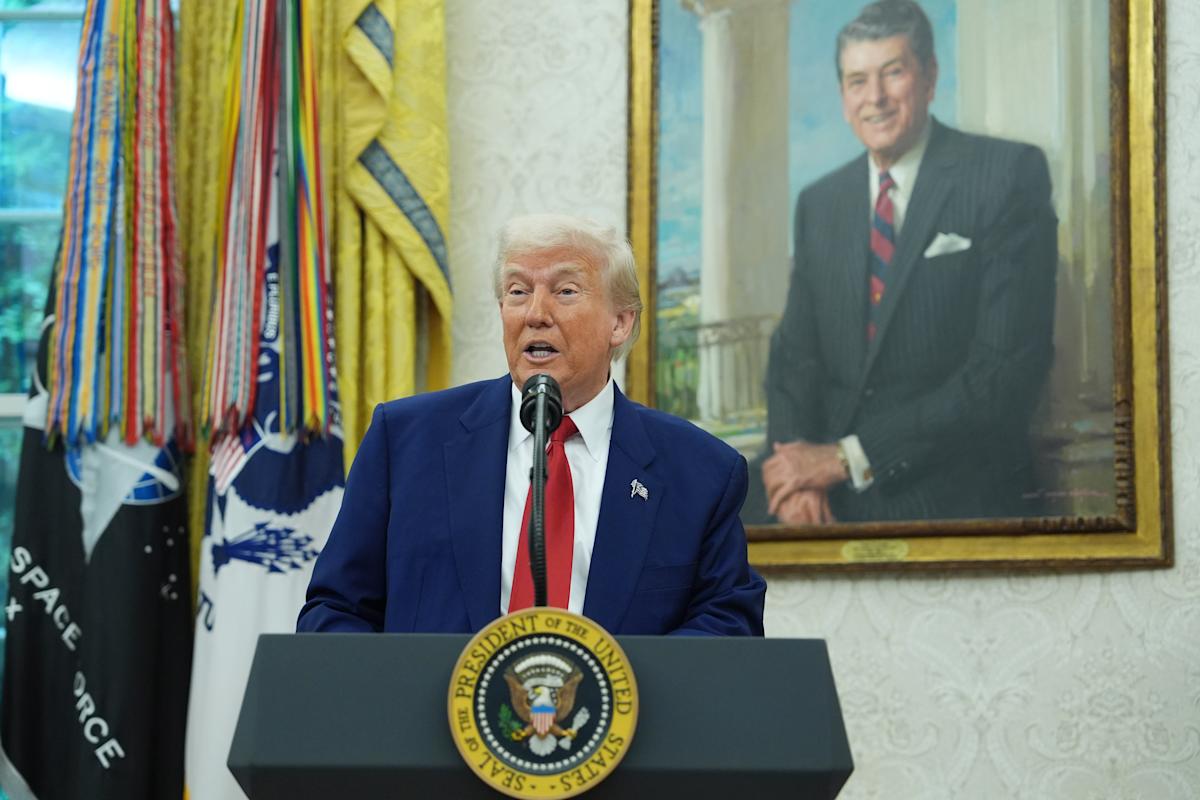
President Trump faces skepticism over his multitrillion-dollar tax cuts and spending package, with concerns about increasing the national debt, rising interest rates, and whether economic growth will be sufficient to offset the deficits. Experts and some politicians doubt the plan's effectiveness in reducing debt, highlighting potential long-term fiscal challenges and political opposition.
Donald Trump has cautioned the US Federal Reserve Chair against cutting interest rates before the upcoming election, suggesting that such a move could have political implications.
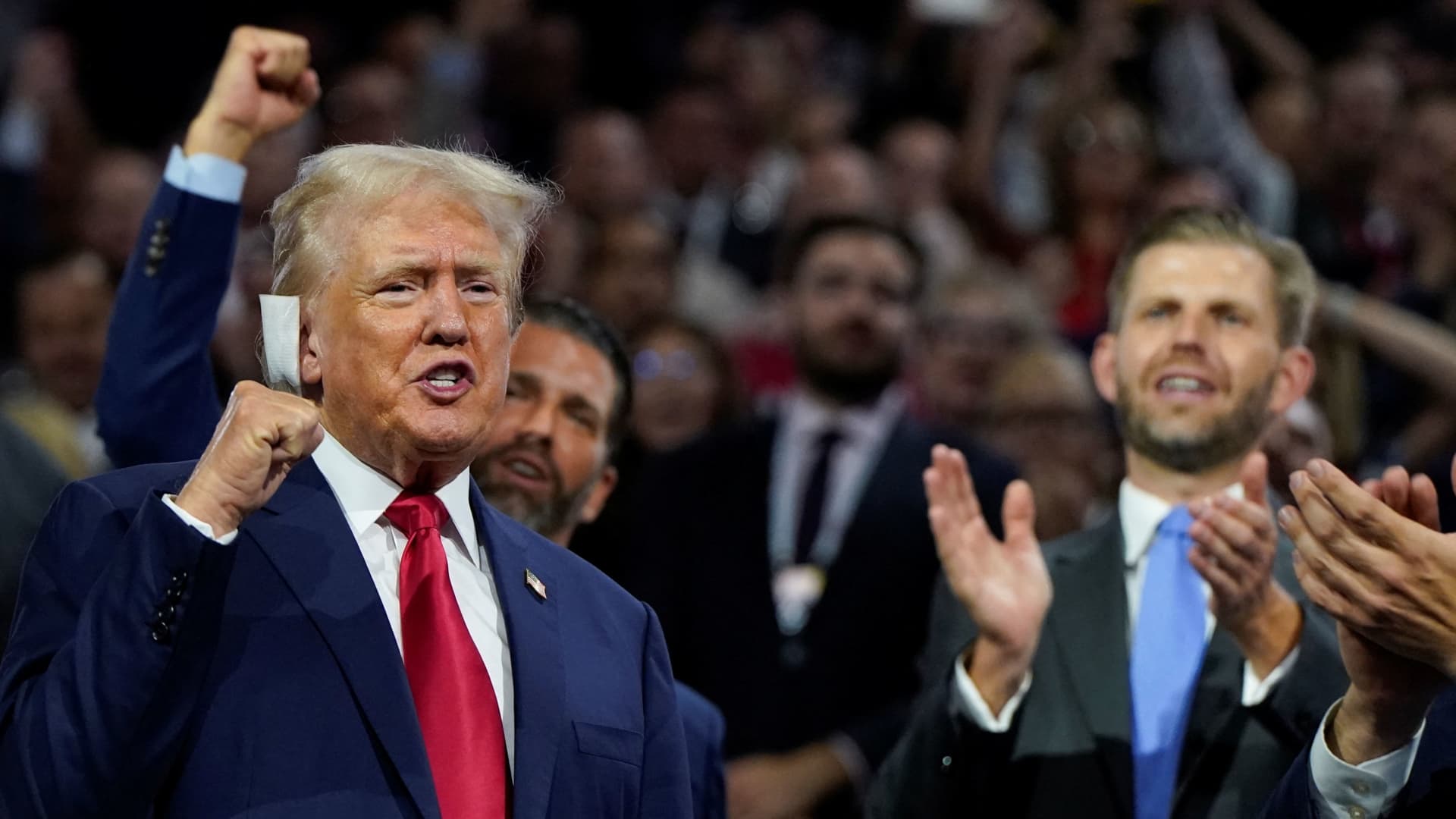
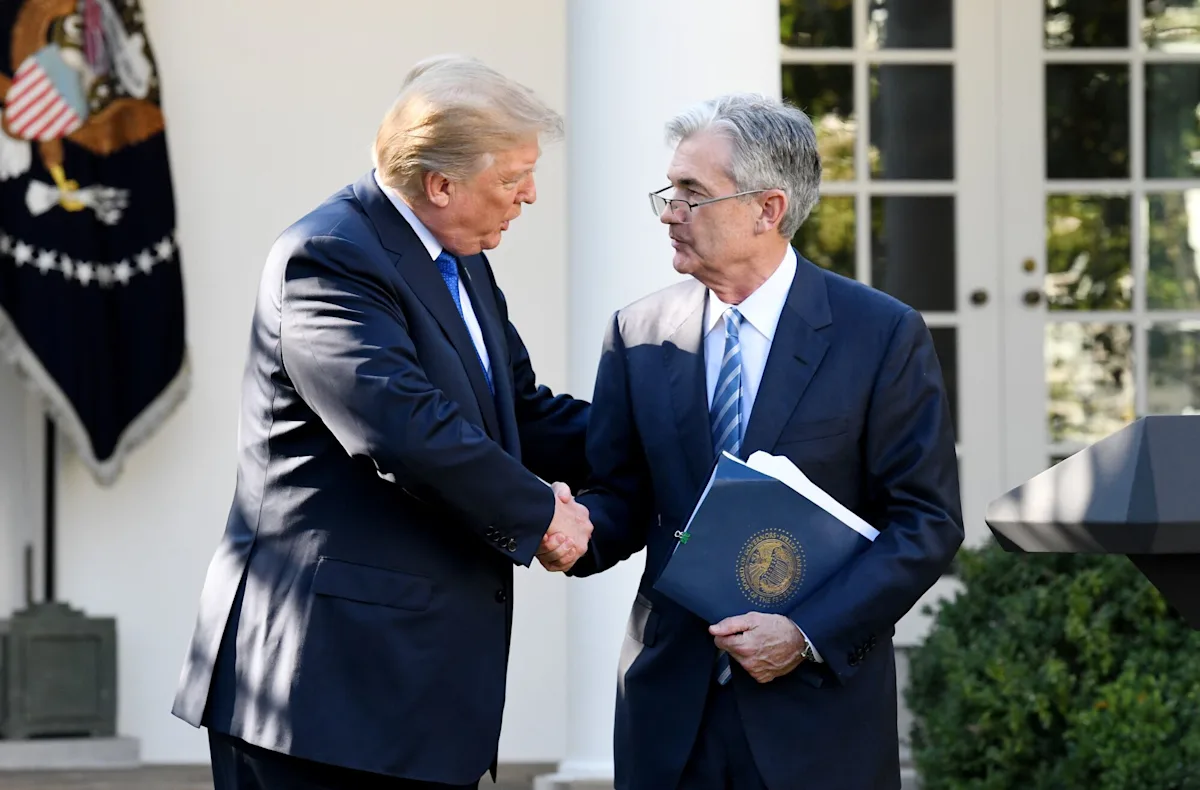
Former President Donald Trump stated he would allow Federal Reserve Chair Jerome Powell to complete his term if he wins the November election, despite previously criticizing Powell's interest rate policies and suggesting he would not reappoint him.
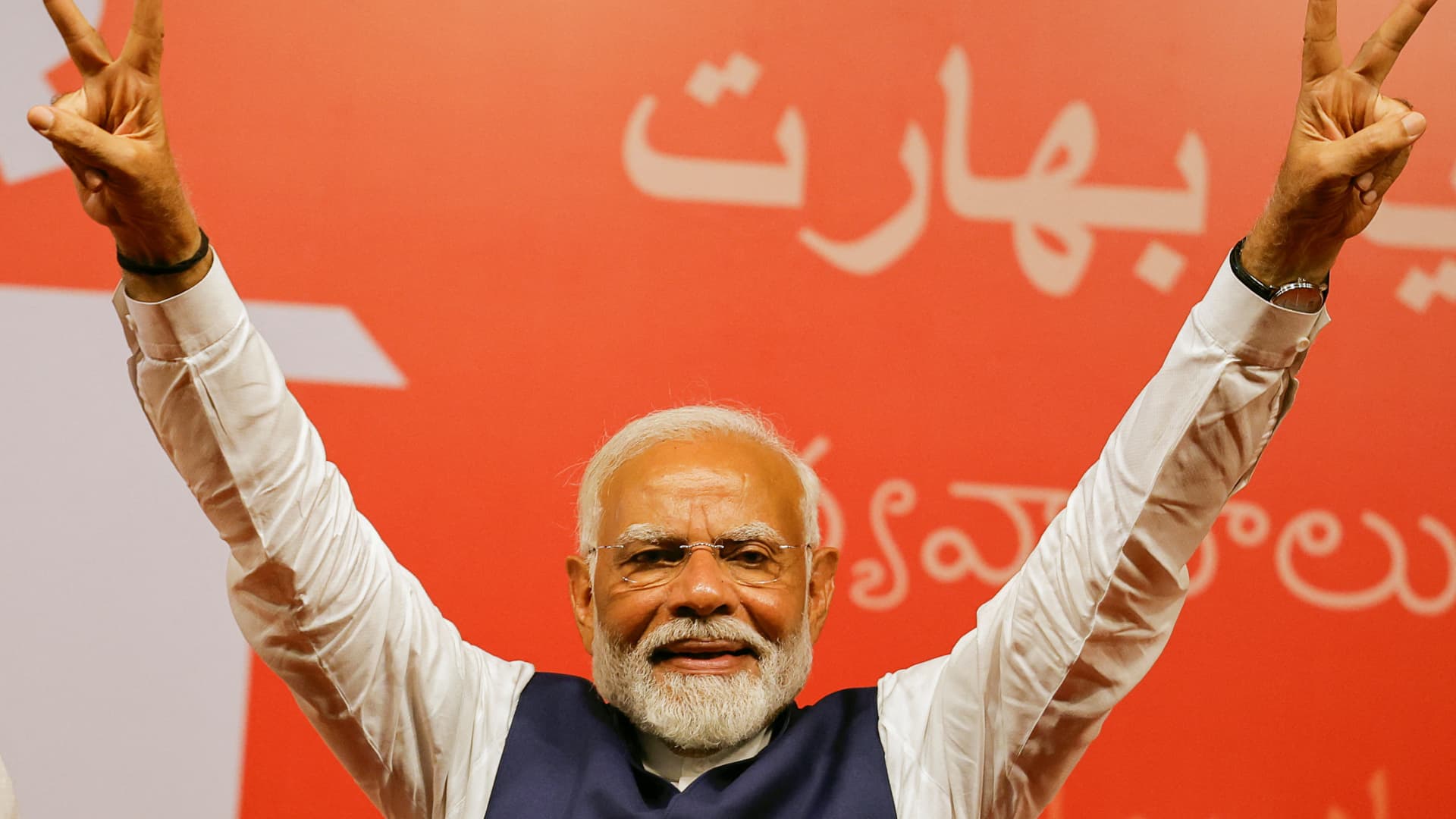
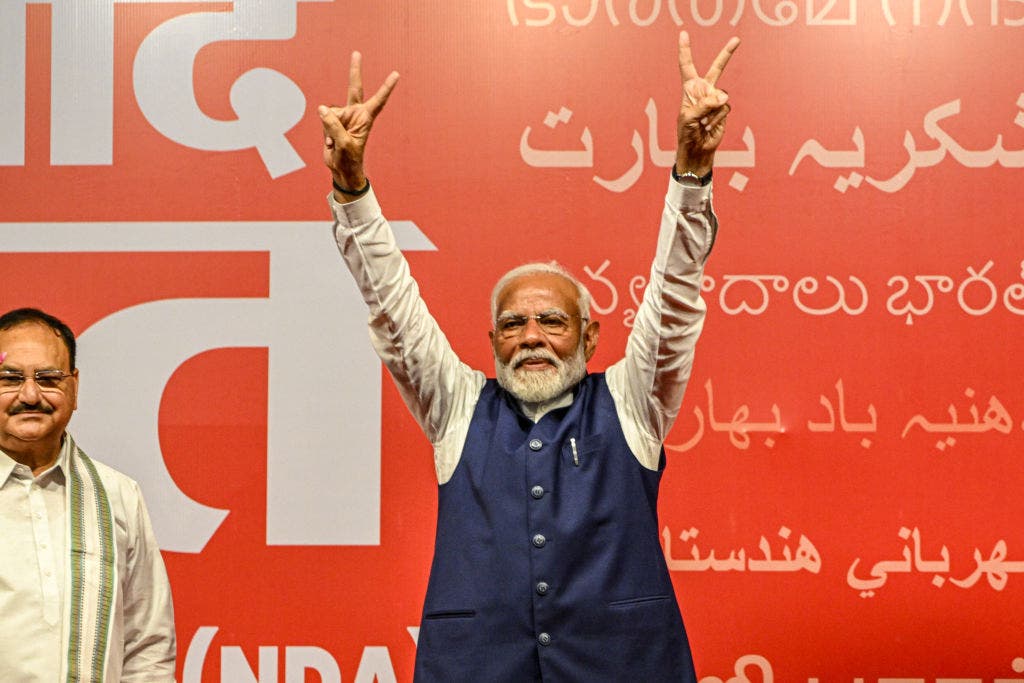
Indian Prime Minister Narendra Modi's failure to secure a supermajority in the recent elections has caused significant concern among business executives and investors, both domestically and internationally. The unexpected results have led to a sharp decline in the Indian stock market and raised questions about the future of Modi's economic reforms. U.S. companies, heavily invested in India as an alternative to China, may need to adjust their expectations. Despite the political setback, experts believe India's long-term economic potential remains strong, though the pace of reforms may slow under a coalition government.
Indian Prime Minister Narendra Modi's ruling coalition is set to retain power, but his party lost its outright majority, causing Indian stocks and ETFs to fall sharply. Investors are concerned about potential policy uncertainty as Modi will now rely on support from regional parties. Despite the market reaction, analysts believe there will be continuity in government policies.
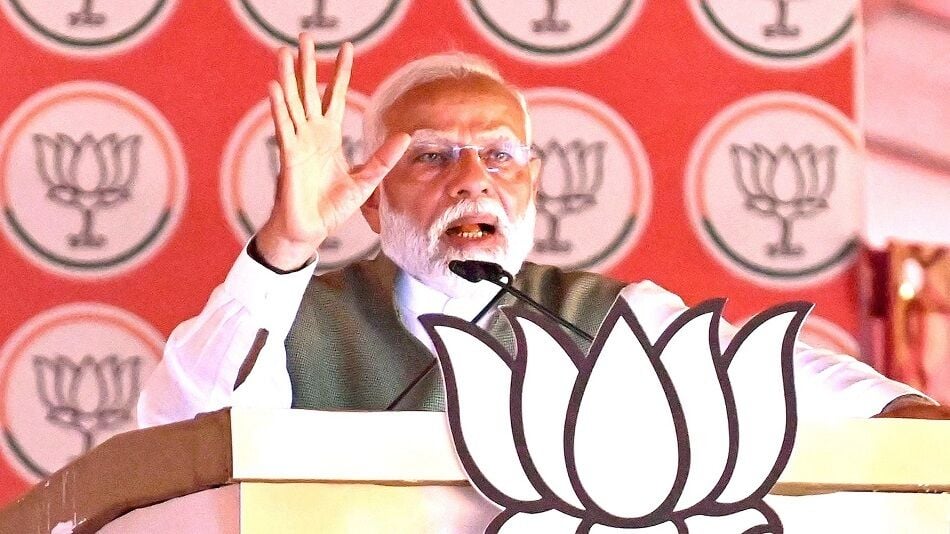
Investors are optimistic about a third term for Prime Minister Narendra Modi, as exit polls predict a landslide victory for his Bharatiya Janata Party. This has led to a significant rally in Indian stock markets, with the NSE Nifty 50 Index surging 3.3% and the rupee performing strongly. The anticipated win is expected to enable Modi's government to continue its economic policies, boosting growth and investor confidence.
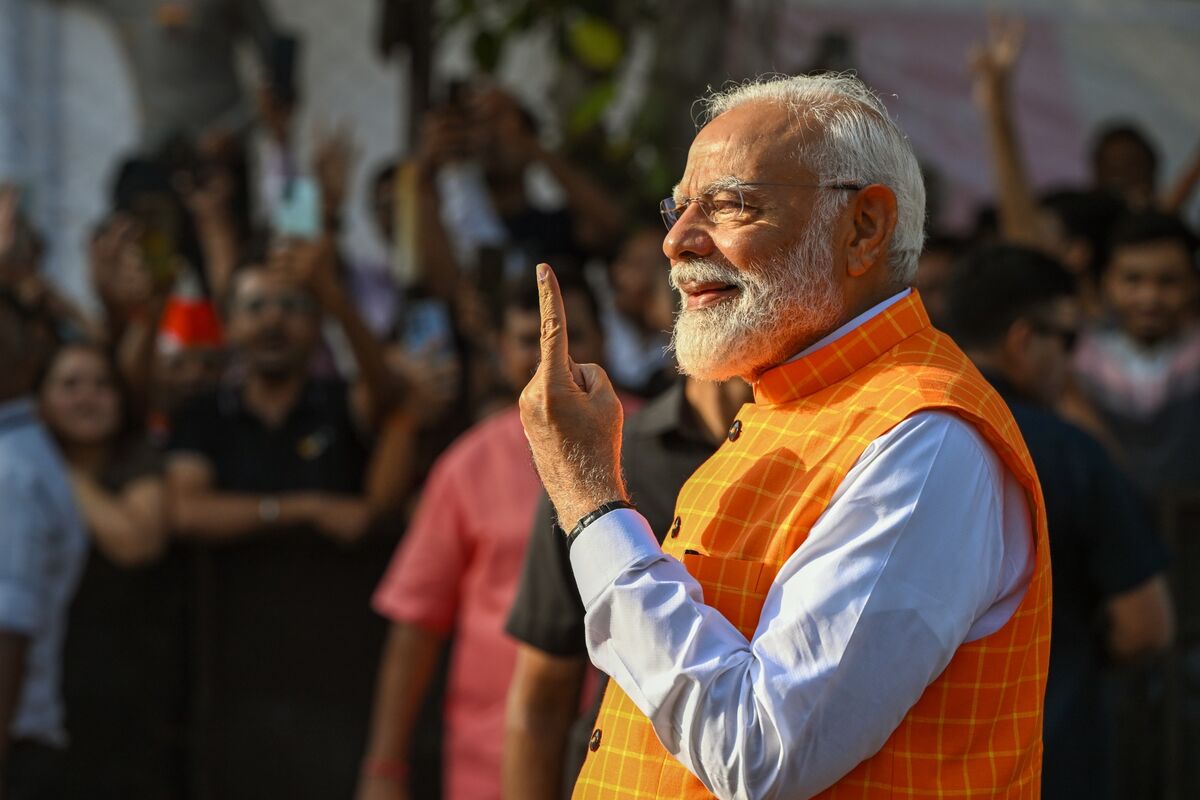
Indian stocks, bonds, and the rupee are expected to rise as exit polls suggest a landslide victory for Prime Minister Narendra Modi's party in the general elections, with the BJP-led alliance projected to win between 350 and 400 seats.
A Bloomberg survey indicates that a potential second term for Donald Trump poses a significant risk to the Federal Reserve's independence, with 44% of respondents expecting increased political interference. This could destabilize financial markets, particularly the bond market, and undermine investor confidence. The survey highlights the high stakes of the upcoming election, with contrasting approaches from Trump and Biden regarding the Fed's autonomy.
President Joe Biden is committed to strengthening Social Security without cutting benefits or privatizing the program, proposing higher taxes on the wealthy. However, this solution may require significant tax code changes. An alternative proposal, raising the full retirement age (FRA), could help avoid benefit cuts but may force many workers to delay retirement, impacting their financial plans.
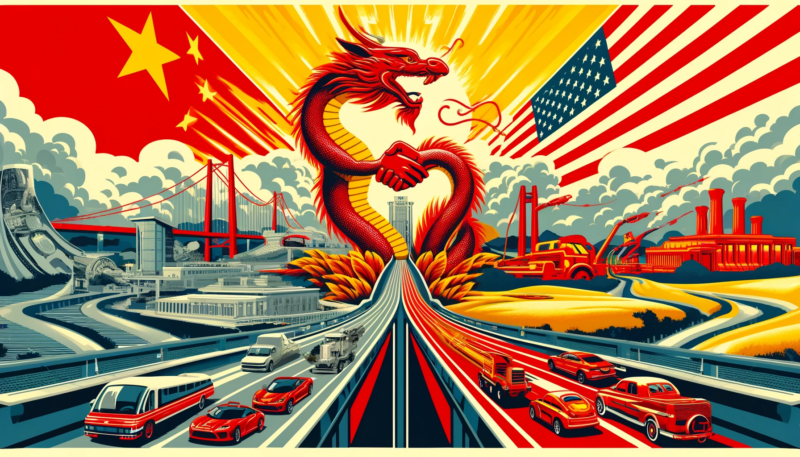
President Biden's decision to impose a 100% tariff on Chinese electric vehicles (EVs) is criticized as a historical misstep, drawing parallels to the 1970s OPEC Oil Crisis and the rise of Japanese automakers. The article argues that instead of blocking affordable Chinese EVs, the U.S. should allow them to be manufactured domestically, benefiting the majority of Americans and supporting climate goals. The tariff is seen as driven by union pressures, Sinophobia, and a need for an external enemy, rather than economic or environmental considerations.