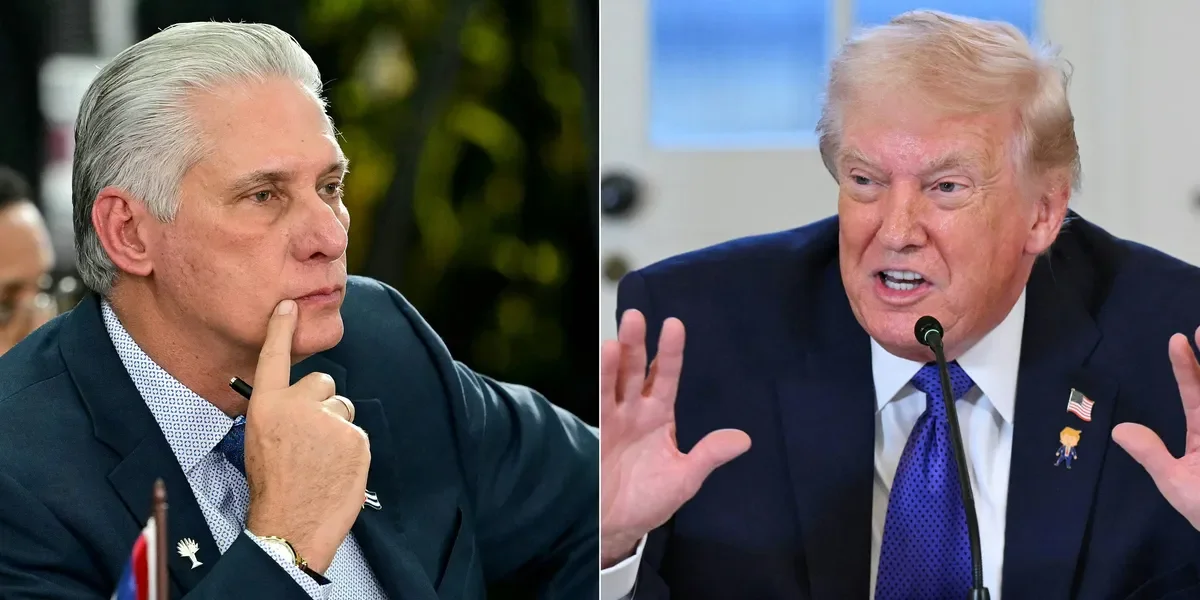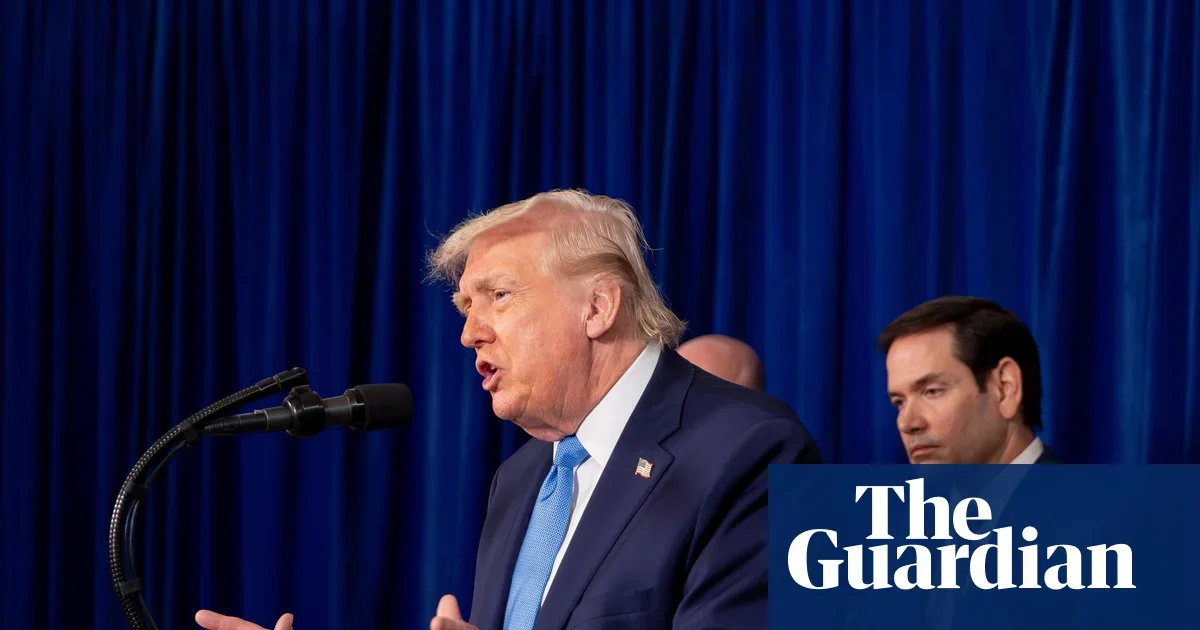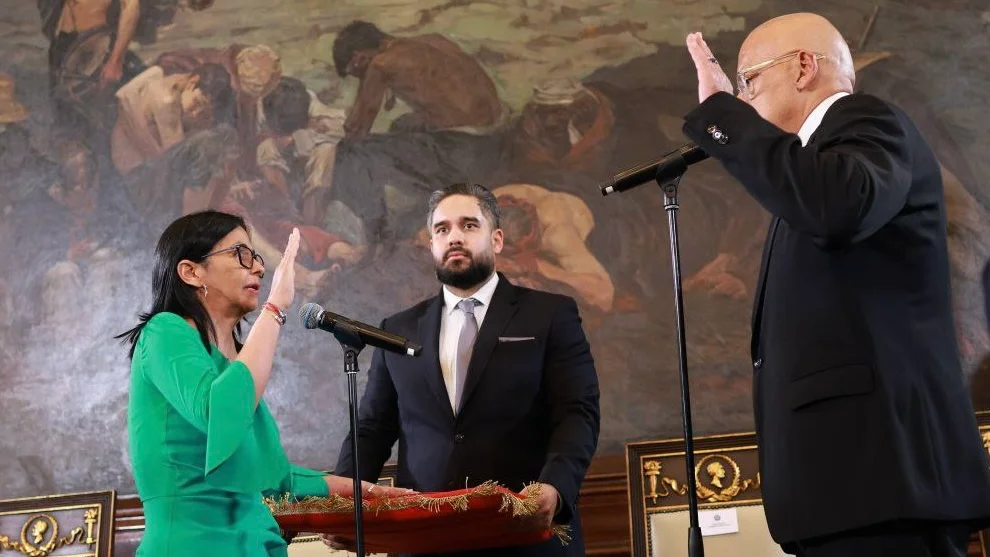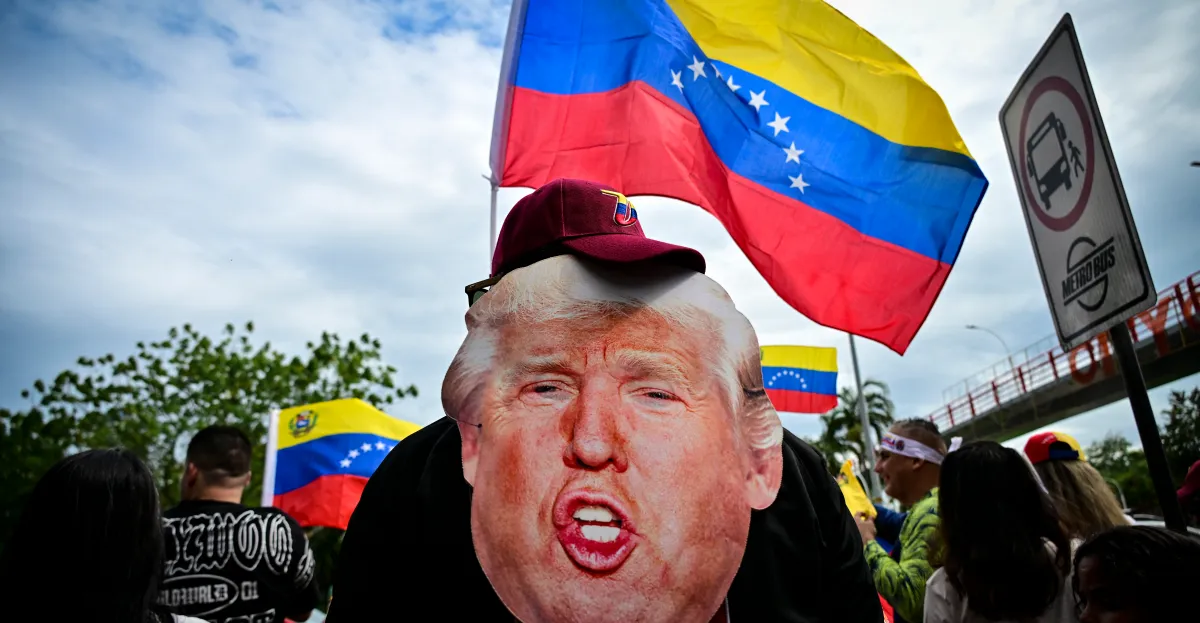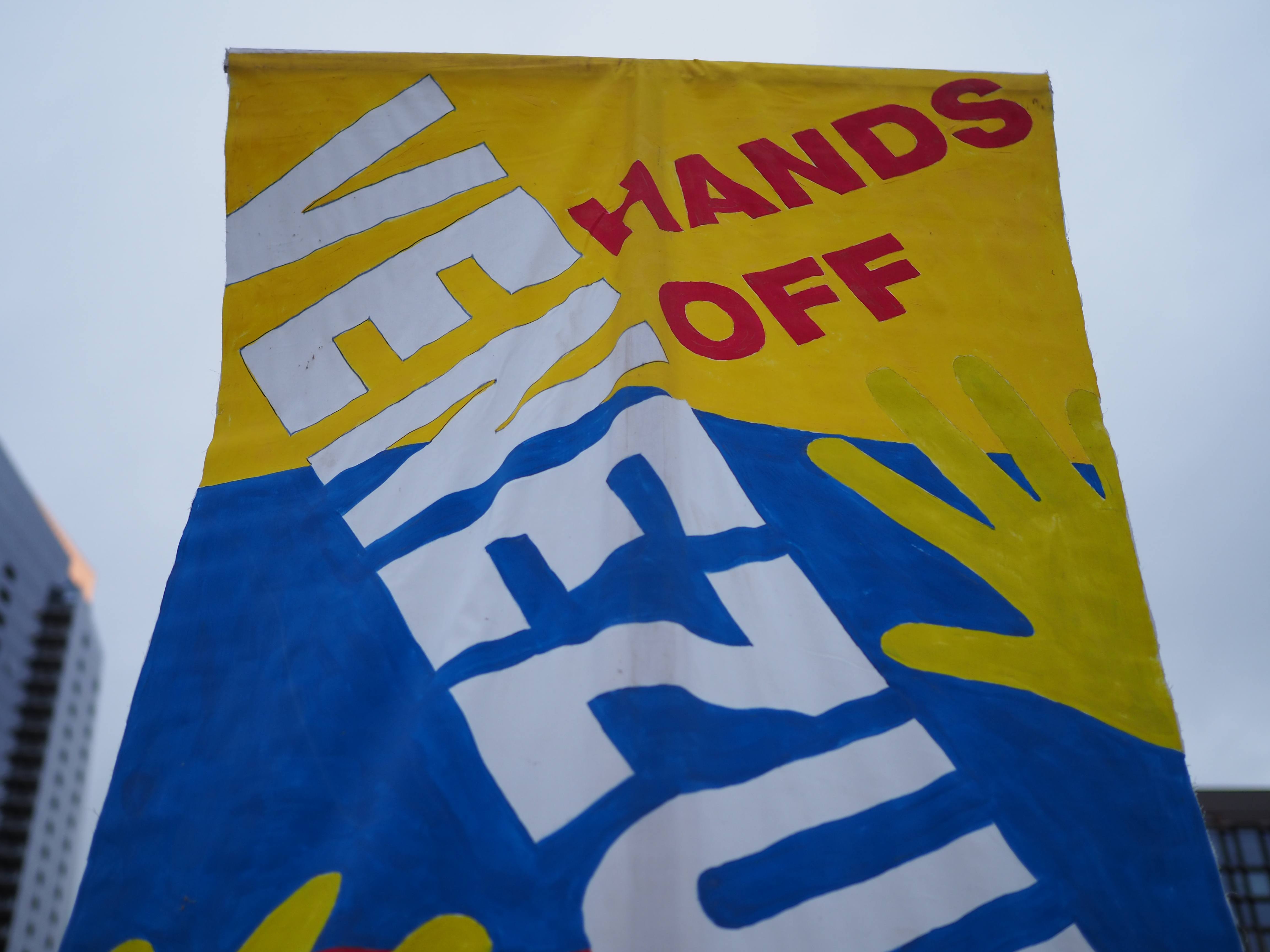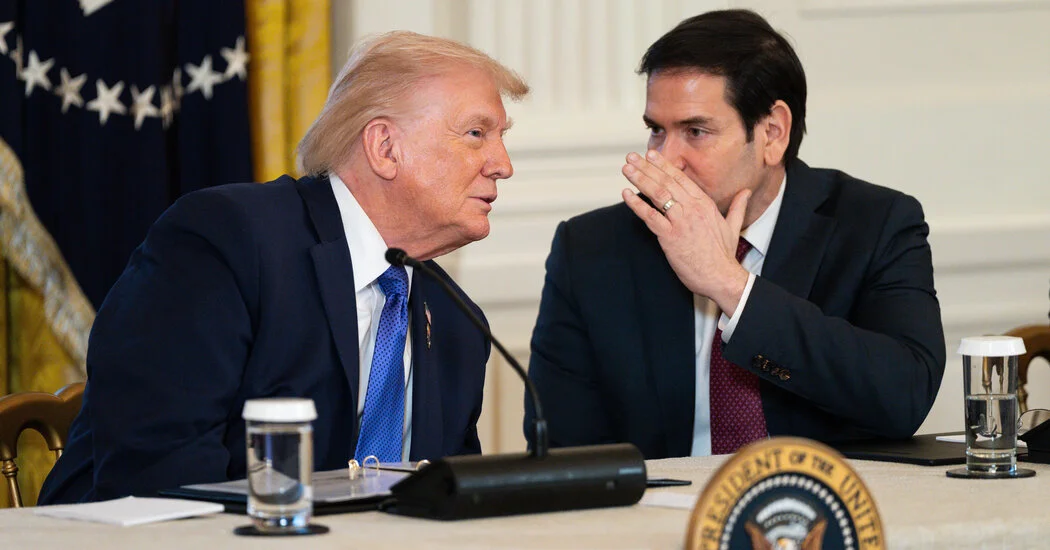
Cuba’s president Díaz-Canel rejects Donald Trump’s threats to cut oil and funds from Venezuela and says Cuba is sovereign and ready to defend itself, framing the move as imperial coercion; critics condemn the threats while international voices warn against the U.S. blockade and call for solidarity with Cuba and Venezuela.
MAGA is advocating for a new phase of American expansionism, emphasizing hemispheric dominance and influence over strategic territories like Greenland, Venezuela, and Cuba, framing it as a modern Manifest Destiny aligned with Western power, despite traditional wariness of foreign conflicts.
The article draws parallels between the current U.S. intervention in Venezuela and the late 19th-century American imperialist policies, emphasizing how historical notions of civilization, territory, and wealth continue to influence U.S. foreign policy today, with a cautionary note on the risks of meddling abroad.
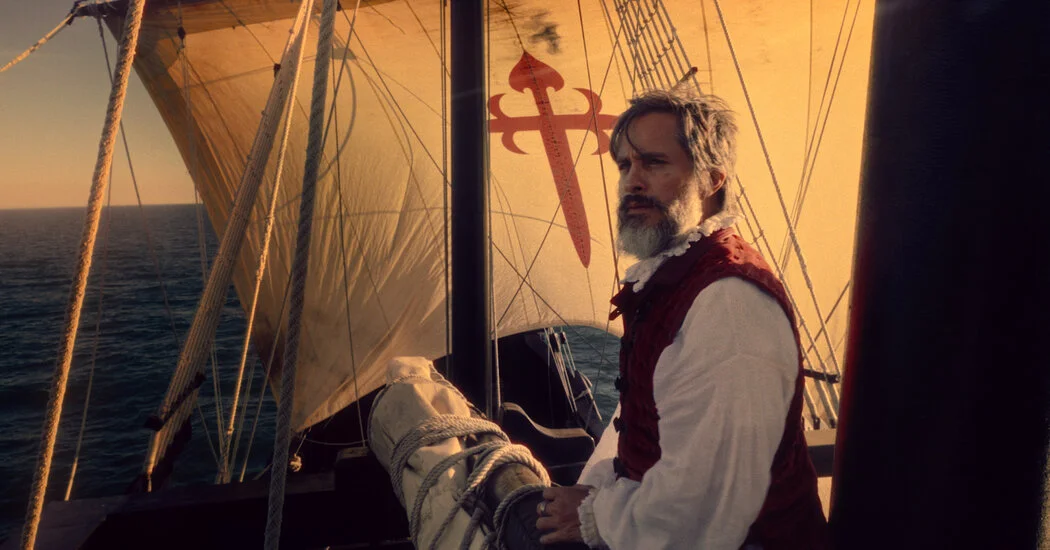
Lav Diaz's film 'Magellan' explores the brutal and complex journey of Ferdinand Magellan, focusing on themes of discovery, imperialism, and violence, with a poetic and elliptical storytelling style that emphasizes the darker aspects of exploration.
The article discusses Trump's pro-imperialism stance, highlighting his interest in Venezuela's oil and warning about Greenland's geopolitical significance, as covered in various news outlets and podcasts.
The article argues that despite recent US military actions against Venezuela, including a targeted raid and political destabilization efforts, the Bolivarian Revolution remains resilient due to strong popular resistance, military preparedness, and strategic retreat by Venezuelan leadership, emphasizing that the revolution is a social process that persists beyond individual leaders.
The article debunks the myth that Donald Trump was a dove, highlighting his hawkish actions such as attempting regime change in Venezuela and supporting US imperial interests, which suggest his foreign policy was aggressive rather than peaceful, potentially leading to global disorder.
The article argues that the US is in decline as an empire, with Trump’s aggressive rhetoric towards Venezuela exemplifying a dying imperial power focused on resource grabs and military threats, while facing internal crises and global loss of influence.
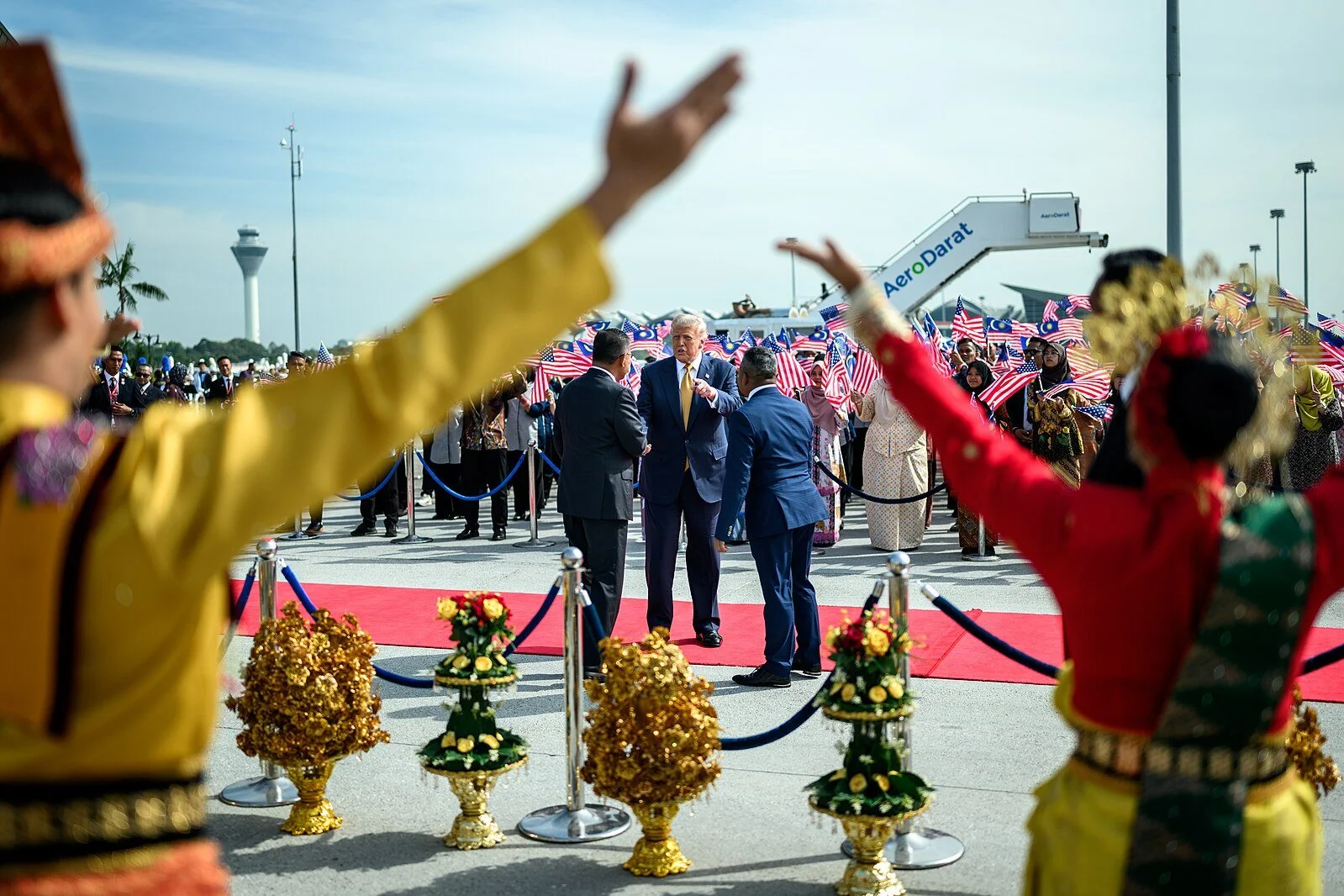
The article criticizes Trump's recent Asia trip, highlighting his confrontational and unilateral approach to foreign policy, his protectionist trade strategies, and the decline of traditional U.S. imperialism, while suggesting the global South should consider alternative regional alliances amidst the shifting geopolitical landscape.
The article argues that Trump's travel ban targets countries in the global south, primarily composed of Black, brown, and Muslim populations, as a reflection of ongoing American imperialism and exploitation, rather than genuine security concerns, highlighting the historical and ongoing US interventions that have caused poverty, violence, and displacement in these nations.
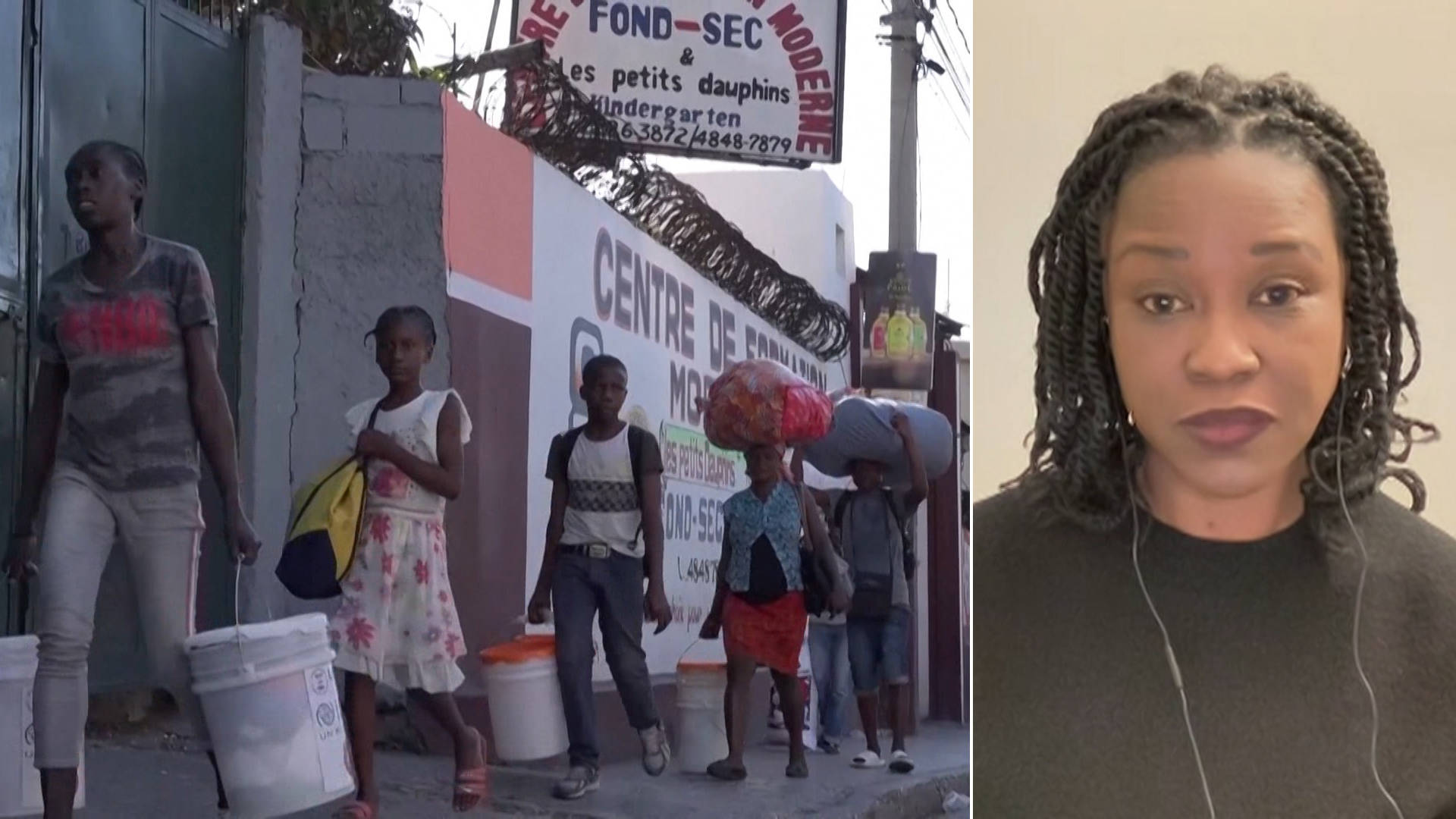
The recent convictions of Honduras' former president for drug trafficking and the absence of a functioning government in Haiti are linked to long-standing US intervention in both countries. From supporting coups to backing brutal dictatorships, the US has played a significant role in shaping the current crises. This intervention has contributed to violence, poverty, and persecution, leading people to seek asylum in the United States. Understanding this history is crucial for addressing the root causes of the immigration crisis.
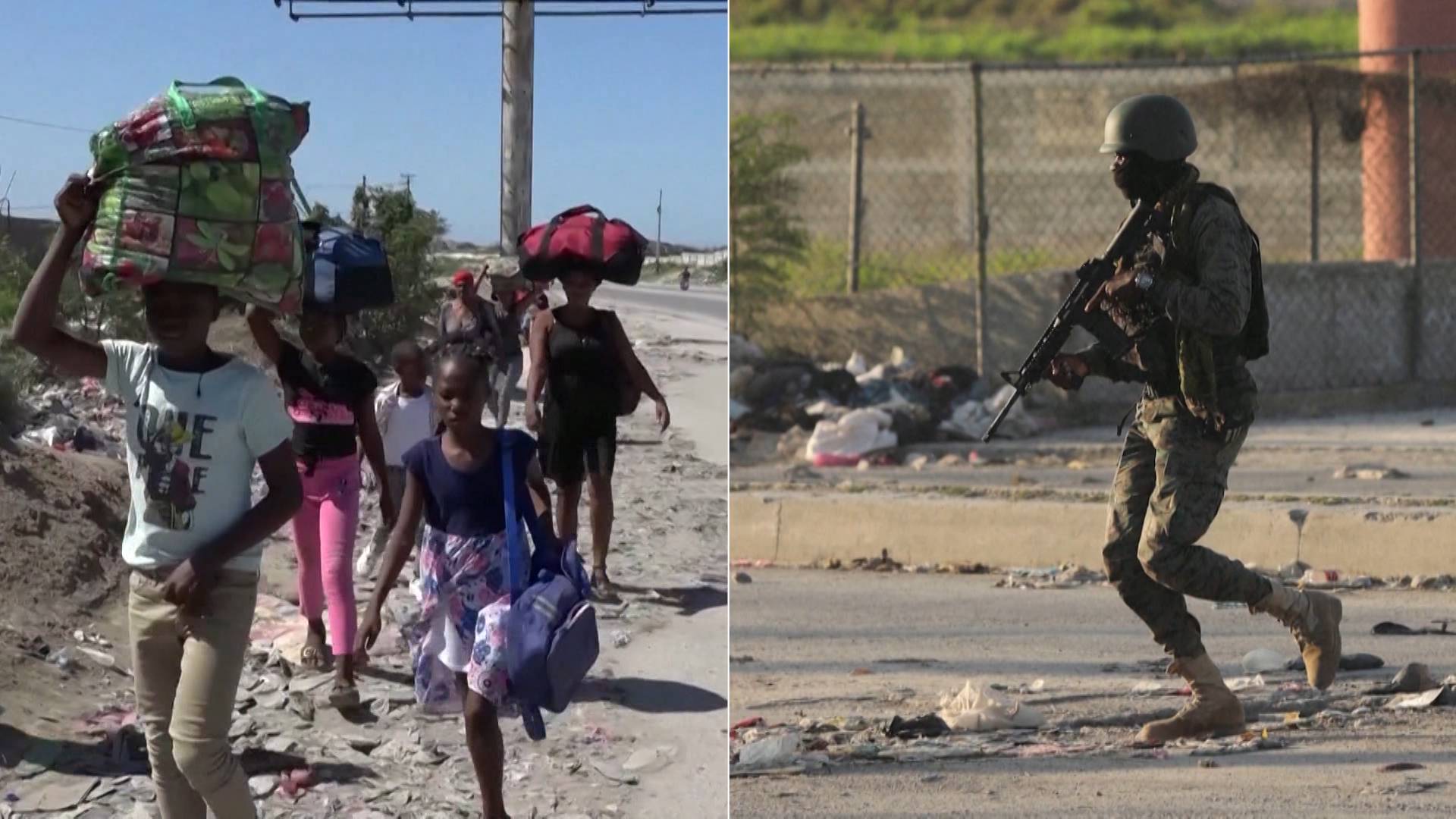
The ongoing crisis in Haiti, marked by violence and political instability, is rooted in the 2004 U.S.-backed coup against the country's first democratically elected president, Jean-Bertrand Aristide. The current unelected Prime Minister Ariel Henry is facing calls for resignation amidst widespread unrest and armed groups. The U.S. military conducted an overnight mission to airlift nonessential staff out of Haiti, while Caribbean leaders have called for an emergency meeting to address the dire situation. The crisis is exacerbated by the involvement of paramilitary forces, former military and police officers, and the funding of armed groups by the Haitian oligarchy.
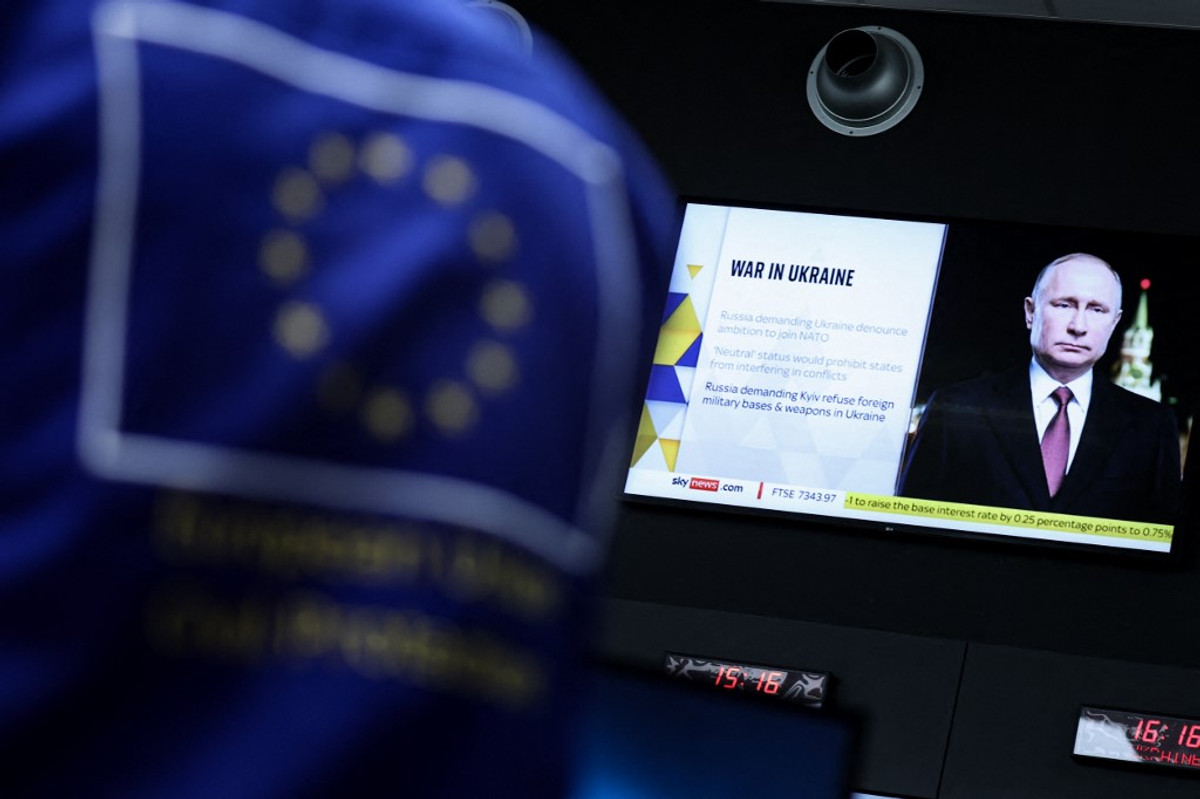
The reasons behind Russia's invasion of Ukraine are complex and multifaceted, with justifications ranging from concerns over NATO expansion and historical ties to claims of protecting Russian speakers and denazifying Ukraine. Moscow's ever-changing narratives and justifications for the invasion have added to the complexity of understanding its true intentions. While some reasons bear some merit on the surface, such as concerns over NATO expansion and Ukraine's rich natural resources, the truth likely lies within a combination of these factors.
The new live-action "Avatar: The Last Airbender" series on Netflix doesn't shy away from depicting the heavy themes of war and imperialism, with actors emphasizing the intentional decision not to "water down" the graphic portrayals. The show aims to explore the complexities of intra-regional politics and the devastating impact of warfare, including an explicit depiction of the eradication of the Air Nomads. The series, set to debut on Thursday, is described as a remix of the original animated show, with a focus on timely themes of power imbalance and the consequences of seeking power without responsibility.
Israel is being accused of carrying out a deliberate and systematic massacre of women and children in Gaza, with the aim of killing as many Palestinians as possible and driving the remaining population into the desert. The Netanyahu government has allegedly murdered 20,000 Gazans in two months, including 10,000 children and over 5,000 women. The entire population of Gaza is said to be starved and deprived of water, with the majority displaced from their homes. Israel's actions are being described as a textbook case of genocide, with the blockade preventing the entry of essential supplies and leading to famine and disease. The genocide is not only supported by imperialist powers but is being carried out with their direct participation. Opposition to the genocide is being criminalized, with governments attempting to ban demonstrations and impose mass censorship. The struggle to end the genocide in Gaza is seen as a task for the working class, with calls to support the Palestinian trade unions and expand global demonstrations with a socialist perspective.