The Trump administration has withdrawn an additional $175 million from California's high-speed rail project, citing concerns over its viability and calling it a 'boondoggle,' amidst ongoing legal disputes and federal funding cancellations.
A former Ubisoft employee revealed that a Rayman trial project was developed in 2021 but was ultimately scrapped by Ubisoft, although the company is still working on a new Rayman game.
Quentin Tarantino explained that he decided to cancel his planned final film, 'The Movie Critic,' because he wasn't excited about pre-production despite liking the script, and he wanted to challenge himself to make an interesting movie about a boring profession. He also clarified that the film, set in 1977 California and based on a real but obscure figure, is not a sequel to 'Once Upon a Time in Hollywood,' although Brad Pitt will reprise his role in a related project. Tarantino is now exploring other ideas for his final film.
Apple had been working on its own electric car project since 2014, with negotiations for partnerships with Mercedes-Benz and Ford, discussions with Elon Musk about buying Tesla, and even a potential deal with luxury automaker McLaren. The ambitious project, initially led by CEO Tim Cook, faced challenges and frustrations, leading to the shutdown of the Titan project, costing Apple around $1 billion a year.
Apple's decade-long attempt at creating an electric vehicle has been detailed in a new report, revealing a 2020 prototype resembling a minivan with unique features. The company considered acquiring Tesla and partnering with various automakers before ultimately canceling the project due to indecision and technical challenges. The cancellation led to a reorganization and layoffs within the team. The report also includes insights into Steve Jobs' initial idea for the project and other notable details.
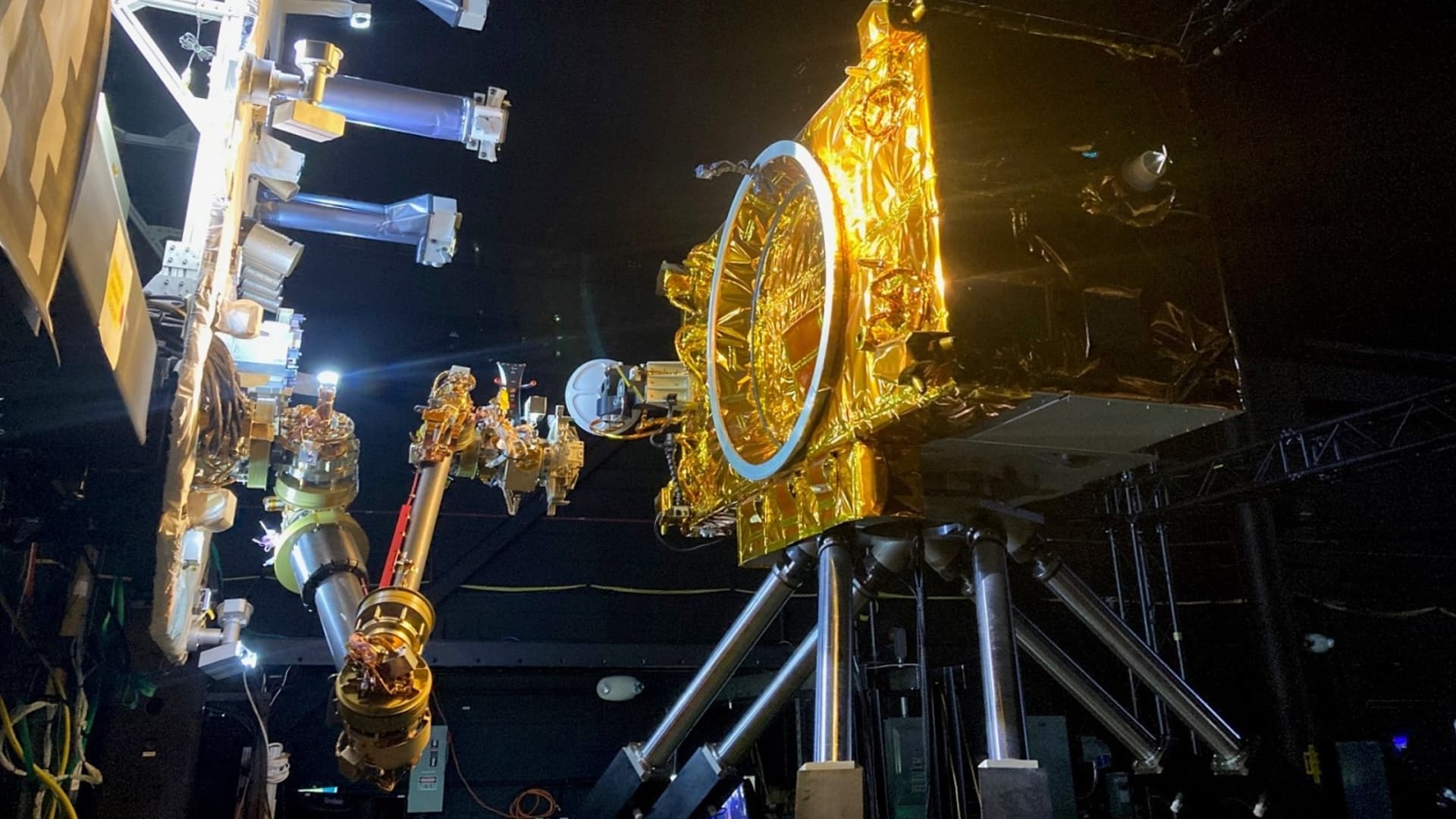
NASA has decided to shut down the $2 billion OSAM-1 project, aimed at testing satellite refueling in space, due to "poor performance" by lead contractor Maxar. The decision comes after a scathing report from NASA's Inspector General, citing technical, cost, and schedule challenges. Maxar, which underestimated the project's scope and complexity, has been criticized for its deficient expertise and lack of understanding of NASA's technical requirements. The cancellation comes after years of delays and cost overruns, with the project no longer appearing to be a high priority for Maxar. This move marks a setback for the nascent satellite servicing sub-sector of the space industry.
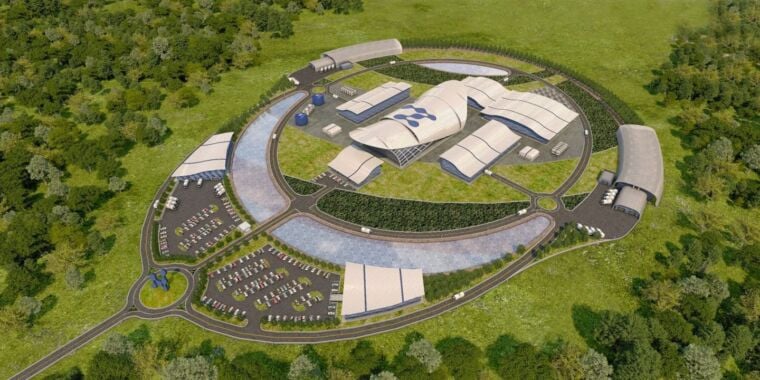
The first planned small modular nuclear reactor plant in the US, known as the Carbon Free Power Project, has been canceled. The project, developed by NuScale Power and its primary partner Utah Associated Municipal Power Systems, faced economic challenges as the cost of renewables dropped. The project lacked enough utility partners to continue, leading to its cancellation. This setback raises uncertainty about the future deployment of commercial reactors by NuScale and the overall prospects of nuclear power in the US.
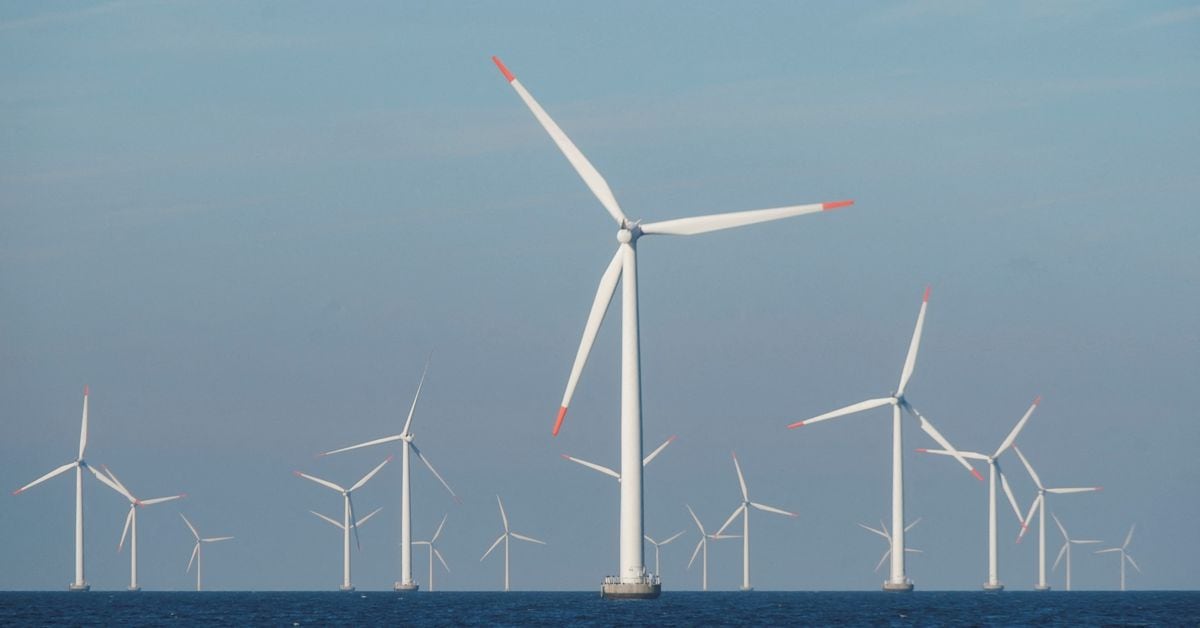
Danish energy firm Orsted has canceled two offshore wind farms off the coast of New Jersey due to significant delays in securing the necessary ships for construction. The decision came as a surprise, as New Jersey had passed a law allowing offshore wind developers to keep federal tax credits. Orsted is still moving forward with projects in New York, where it has already secured a vessel for construction. The cancellation is the latest setback for the U.S. offshore wind industry, which has faced rising costs and supply chain bottlenecks. New Jersey Governor Phil Murphy has directed his administration to review legal options to ensure Orsted fulfills its obligations.
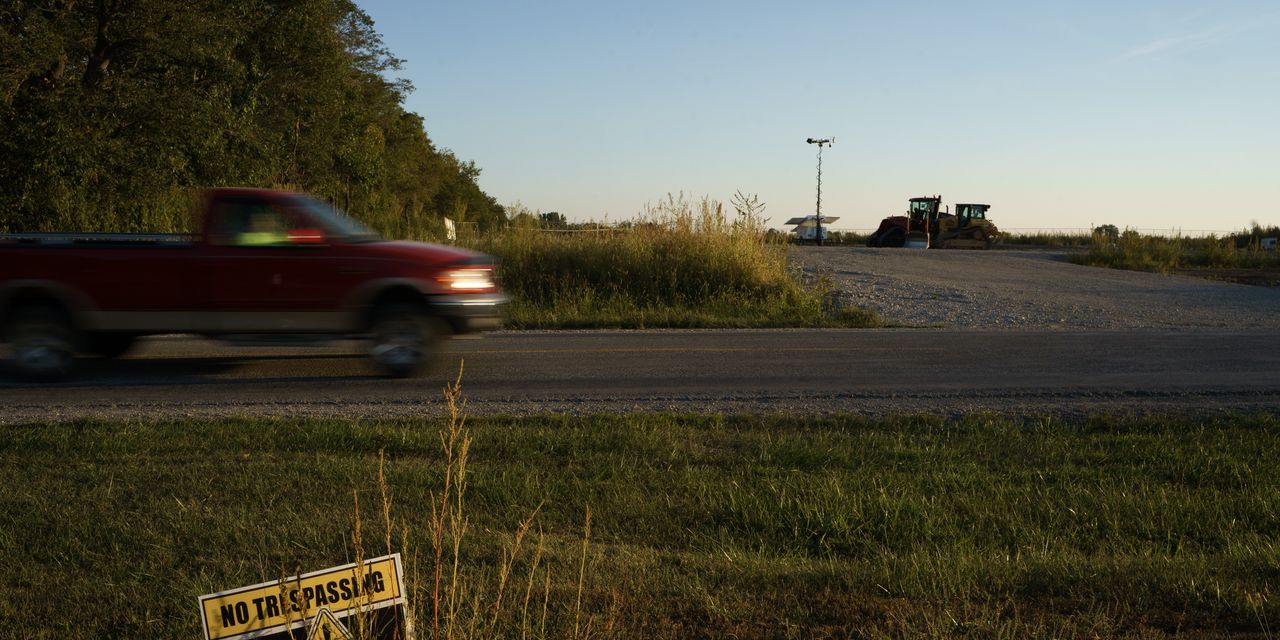
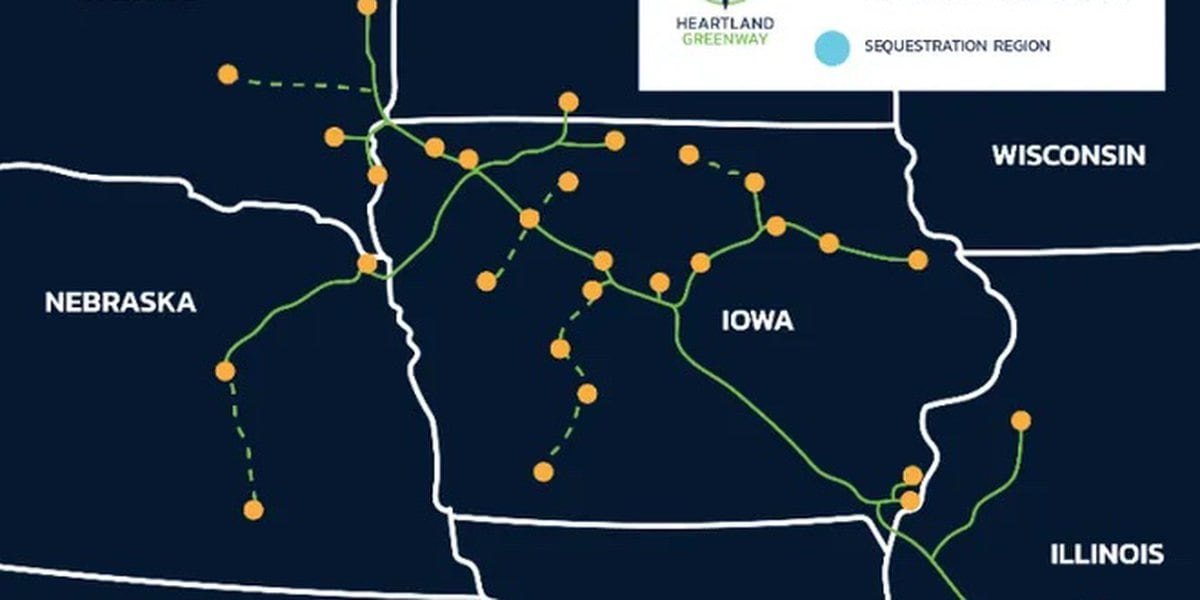
Navigator CO2 Ventures has abandoned its plans to construct a network of CO2 pipelines across the Midwest, citing the unpredictable regulatory and government processes as the reason for the project's cancellation. This decision is seen as a victory for environmentalists and farmers who have opposed the multibillion-dollar project.
Navigator has announced the cancellation of its CO2 pipeline project after their permit application was denied by the South Dakota Public Utilities Commission. The project, which would have spanned South Dakota, Nebraska, Iowa, and Illinois, faced challenges in the regulatory and government processes. Landowners, who were concerned about the potential use of eminent domain, viewed the denial as a victory.