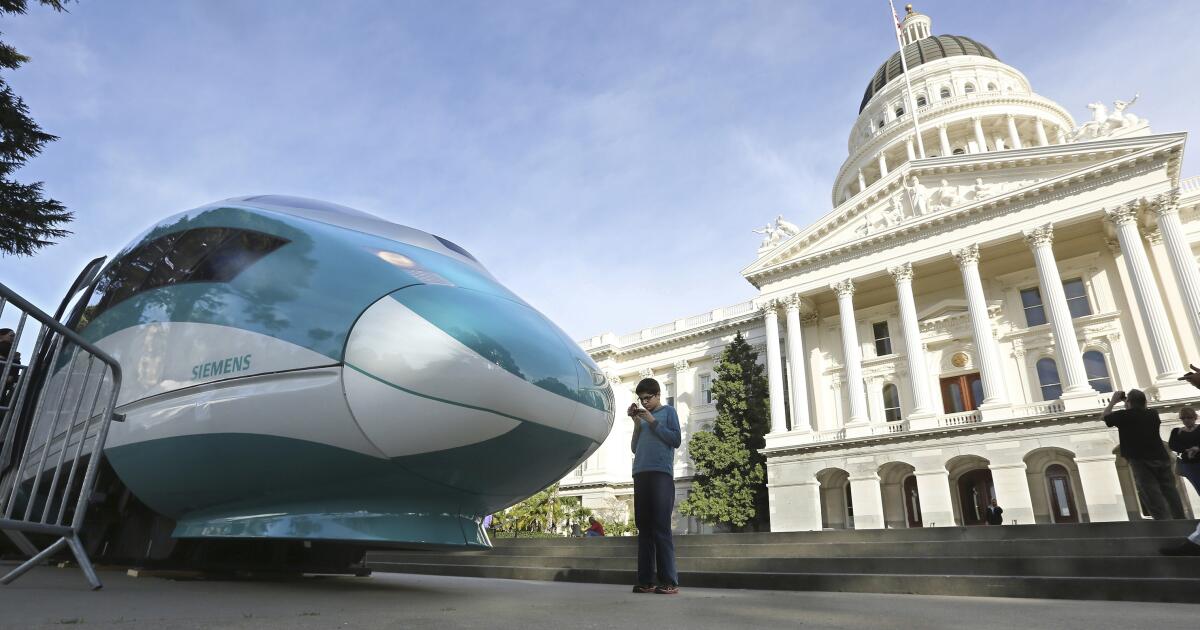
The Trump administration has withdrawn an additional $175 million from California's high-speed rail project, citing concerns over its viability and calling it a 'boondoggle,' amidst ongoing legal disputes and federal funding cancellations.
California lawmakers are urging a $1 billion annual investment from cap-and-trade revenue to support the high-speed rail project amid funding uncertainties, delays, and cost overruns, emphasizing its potential for job creation and economic growth.
The Trump administration canceled $4 billion in federal funding for California's high-speed rail project, citing mismanagement and failure to meet goals, prompting California officials to consider legal action amid ongoing political tensions between the state and federal government.
The Biden administration has officially terminated $4 billion in federal funding for California's high-speed rail project, citing breaches of commitments and mismanagement, with California officials planning to challenge the decision and President Trump praising the move as a failure of the project.
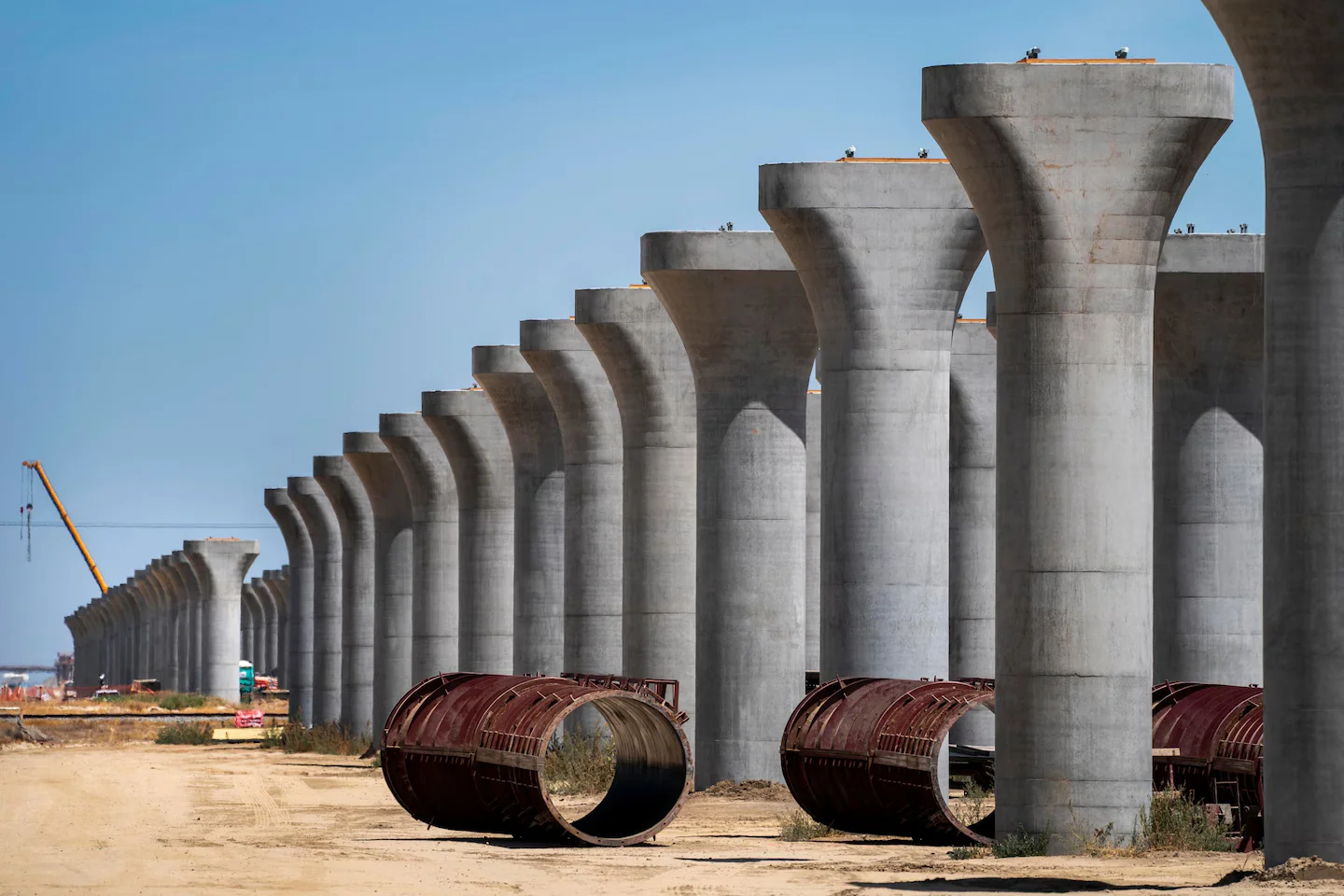
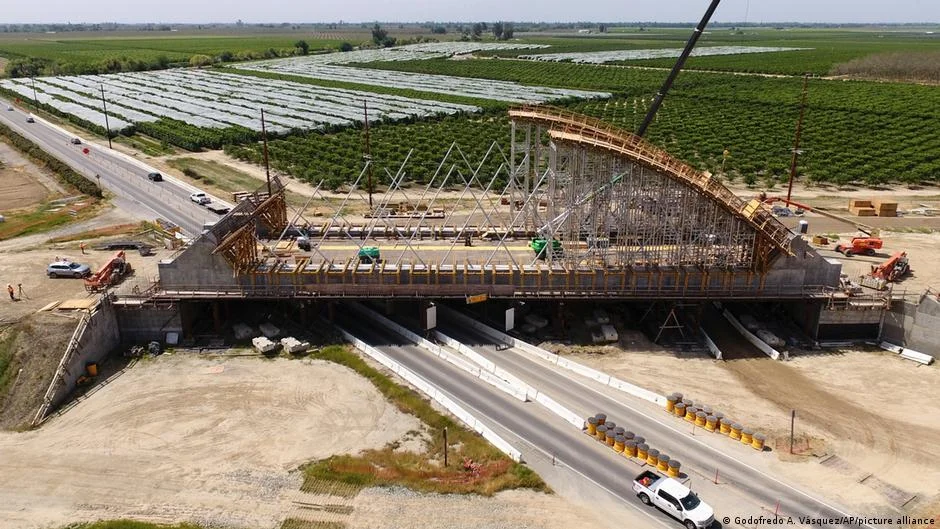
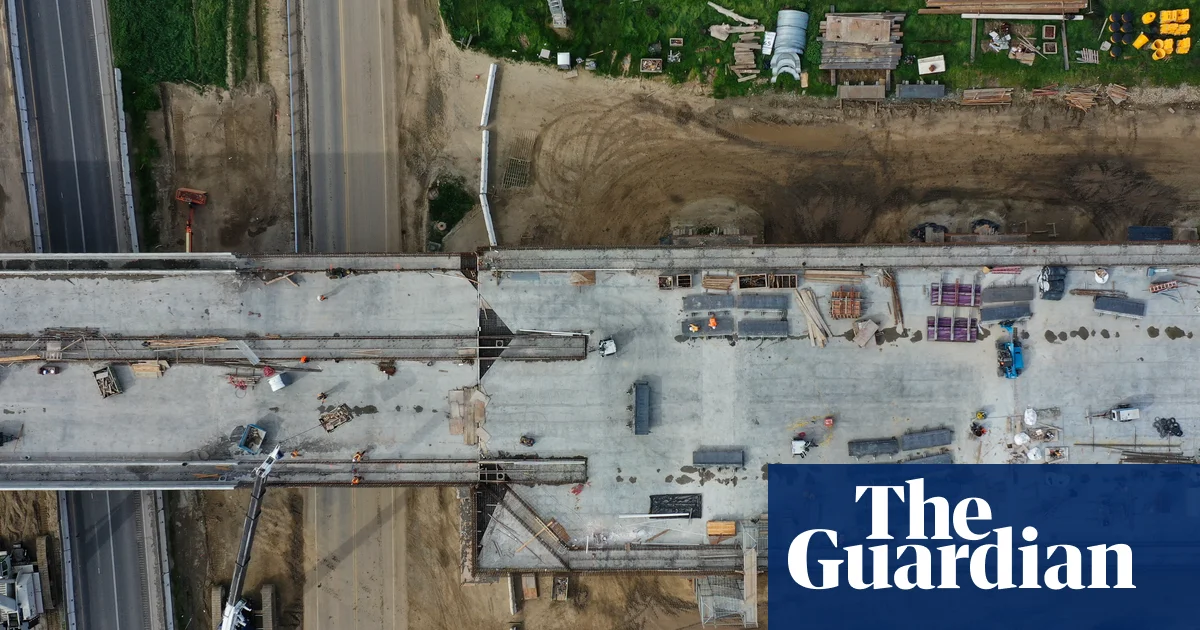
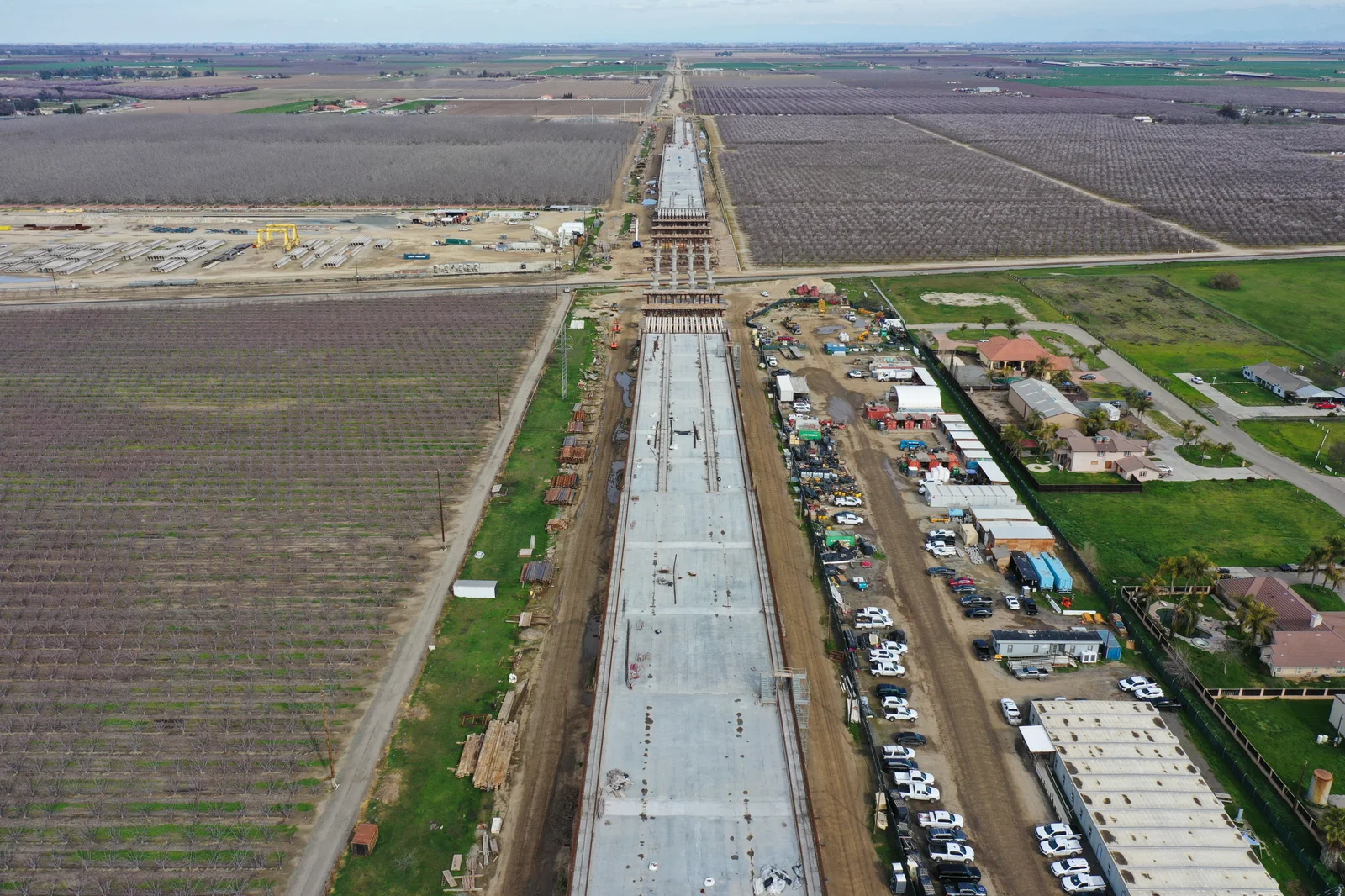
President Trump revoked approximately $4 billion in federal funds from California's high-speed rail project, citing it as a 'boondoggle,' while California's governor Gavin Newsom defended the project, which is nearing its final construction stages with an expected completion by 2030, amidst ongoing political disputes between the two leaders.
President Trump announced the withdrawal of $4 billion in federal funds for California's high-speed rail project, calling it a waste of taxpayer money and a scam, while California officials vow to fight the decision, which threatens to delay or halt the ongoing project.
President Trump has rescinded $4 billion in federal funding for California's high-speed rail project, citing missed deadlines, budget issues, and lack of a clear path forward, while California officials dispute these claims and continue to push for project completion with state funding. The project, initially approved in 2008, has seen costs rise significantly and faces ongoing political and financial challenges.
President Trump announced the withdrawal of federal funds for California's high-speed rail project due to missed deadlines, budget overruns, and failure to meet project milestones, prompting California officials, led by Governor Gavin Newsom, to oppose the move and prepare for legal action, intensifying the political feud.
Despite the Trump administration's plans to cut $4 billion in funding for California's high-speed rail project, Democratic support remains strong, bolstered by state funding sources and labor union backing, while Republican critics see the project as a failure.
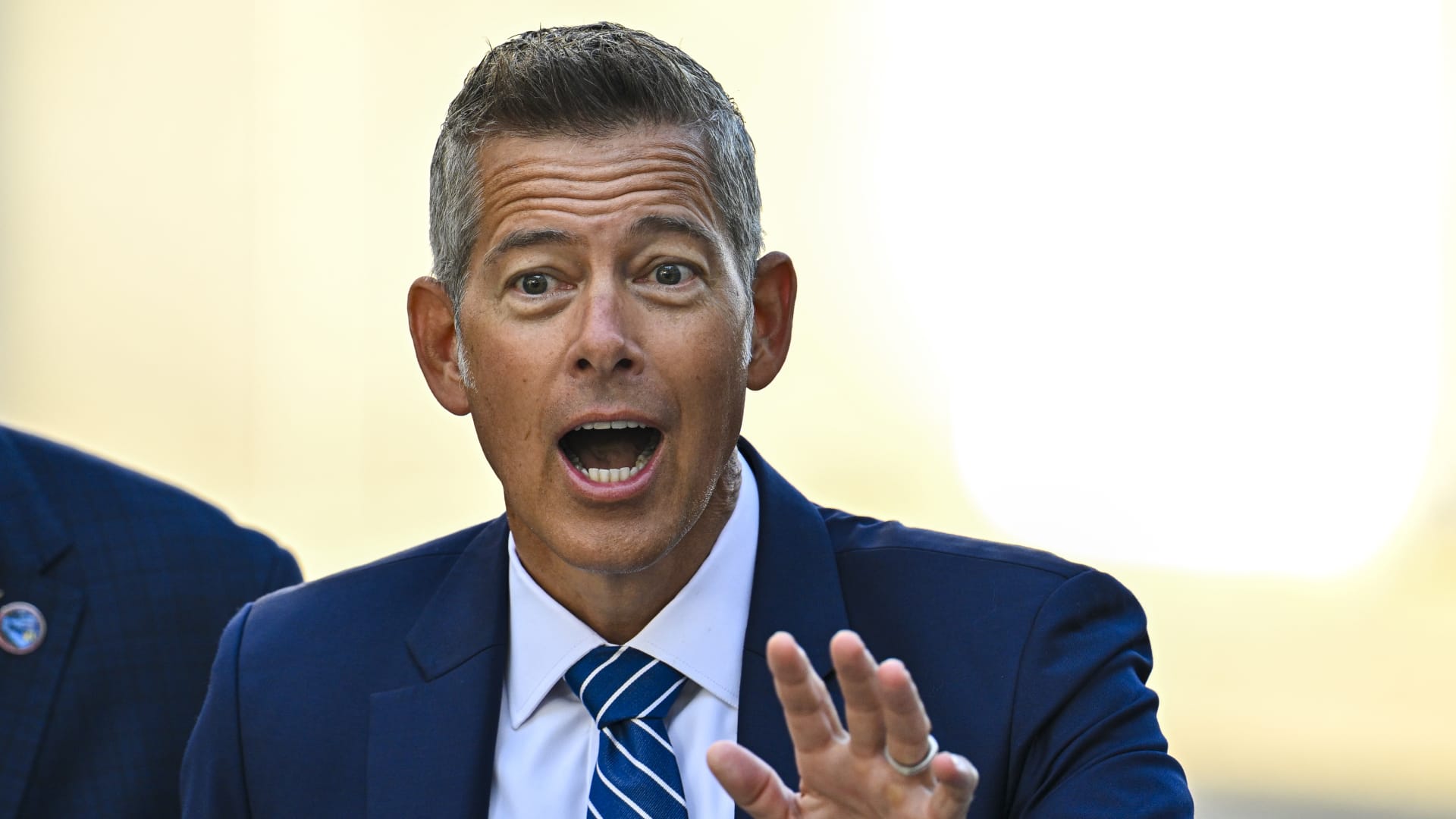
A report by U.S. Transportation Secretary Sean P. Duffy exposes significant mismanagement, delays, and financial shortfalls in California's high-speed rail project, indicating it is in default of federal grants and unlikely to be completed on time or within budget, raising questions about continued federal investment.
The California High-Speed Rail has been awarded over $3 billion in grant funding through the Bipartisan Infrastructure Law, marking the largest chunk of federal funding received since the project was approved in 2008. The funding will be used to complete the initial operating segment, connecting Merced to Bakersfield, and to help pay for high-speed electric trainsets for the full 500-mile journey between the Bay Area and Los Angeles. The High-Speed Rail Authority expects the initial segment to begin operation in the 2030s, with plans to expand the system to over 800 miles between Sacramento and San Diego. The Biden Administration has been a strong supporter of the project, restoring a $1 billion grant that had been blocked by the Trump Administration.
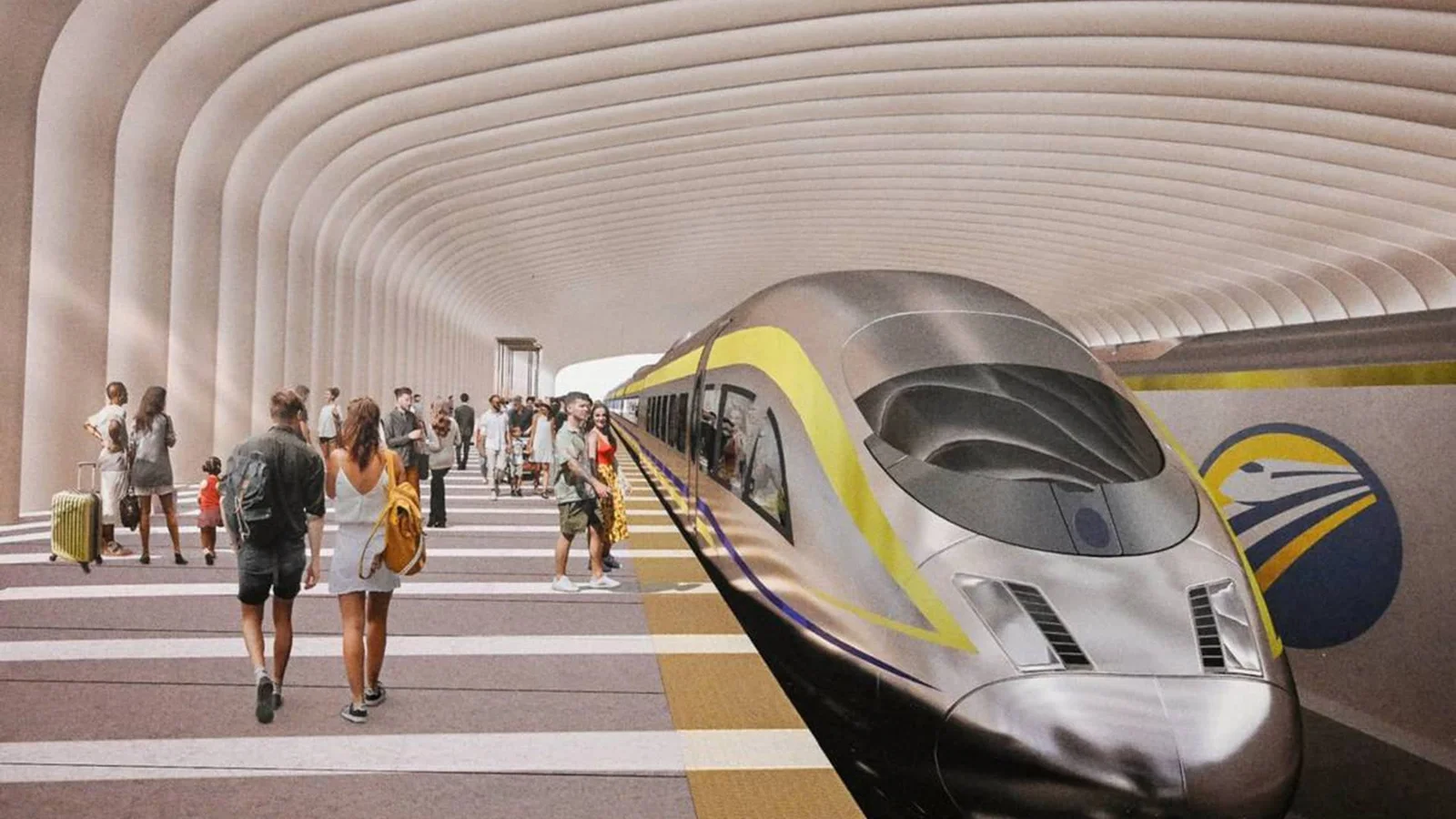
The California High-Speed Rail Authority is modifying its planned segment from Los Angeles to Anaheim by adding a fourth rail line to separate commuter rail systems and freight trains. The original plan to build a freight facility in Colton was abandoned due to local pushback. Instead, the High-Speed Rail will build a fourth rail line to clear obstructions from dormant freight trains. The new plan is expected to save money and has the support of stakeholders. The proposed segment is part of the larger California High-Speed Rail project, which still faces challenges in the Palmdale-to-Burbank segment.