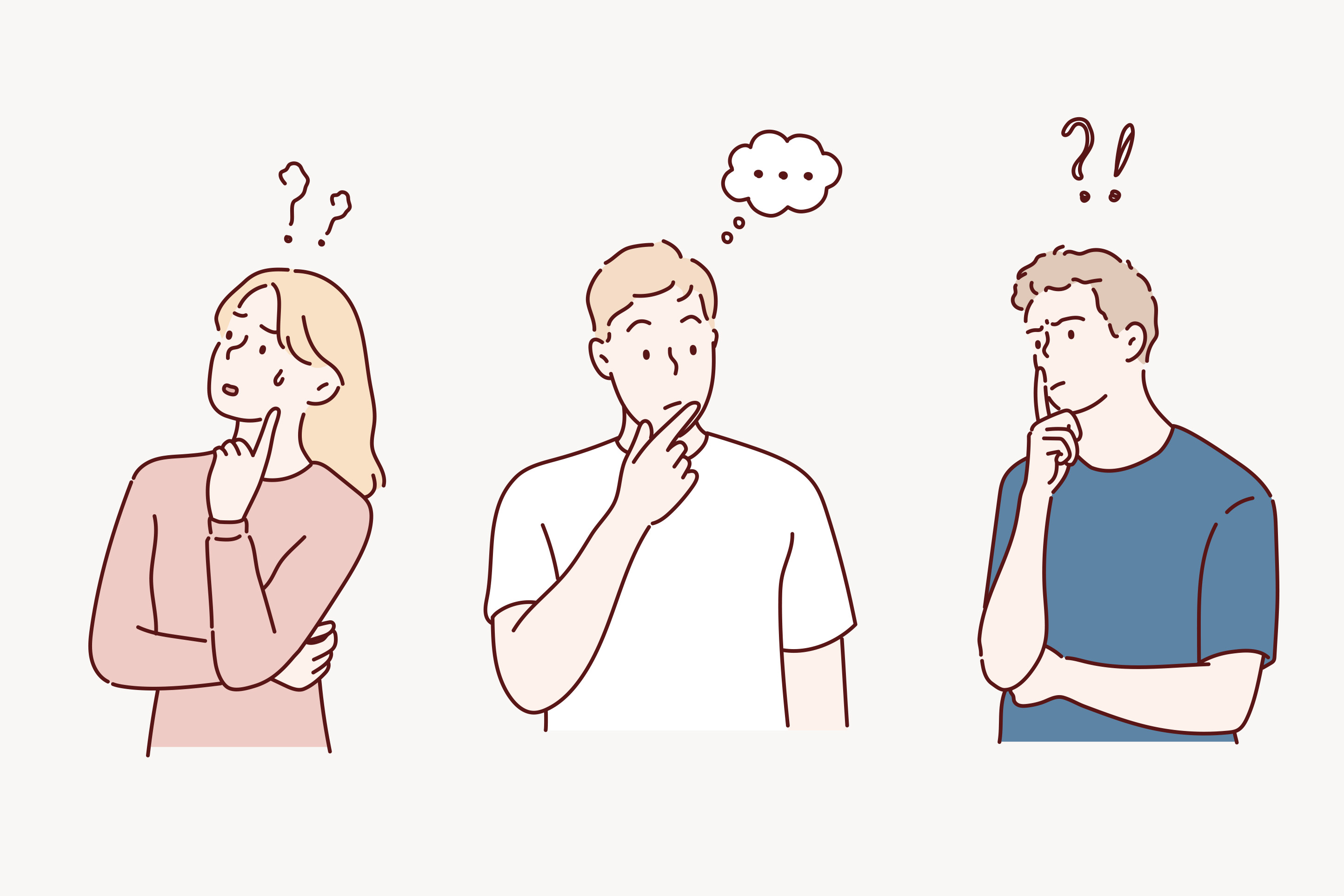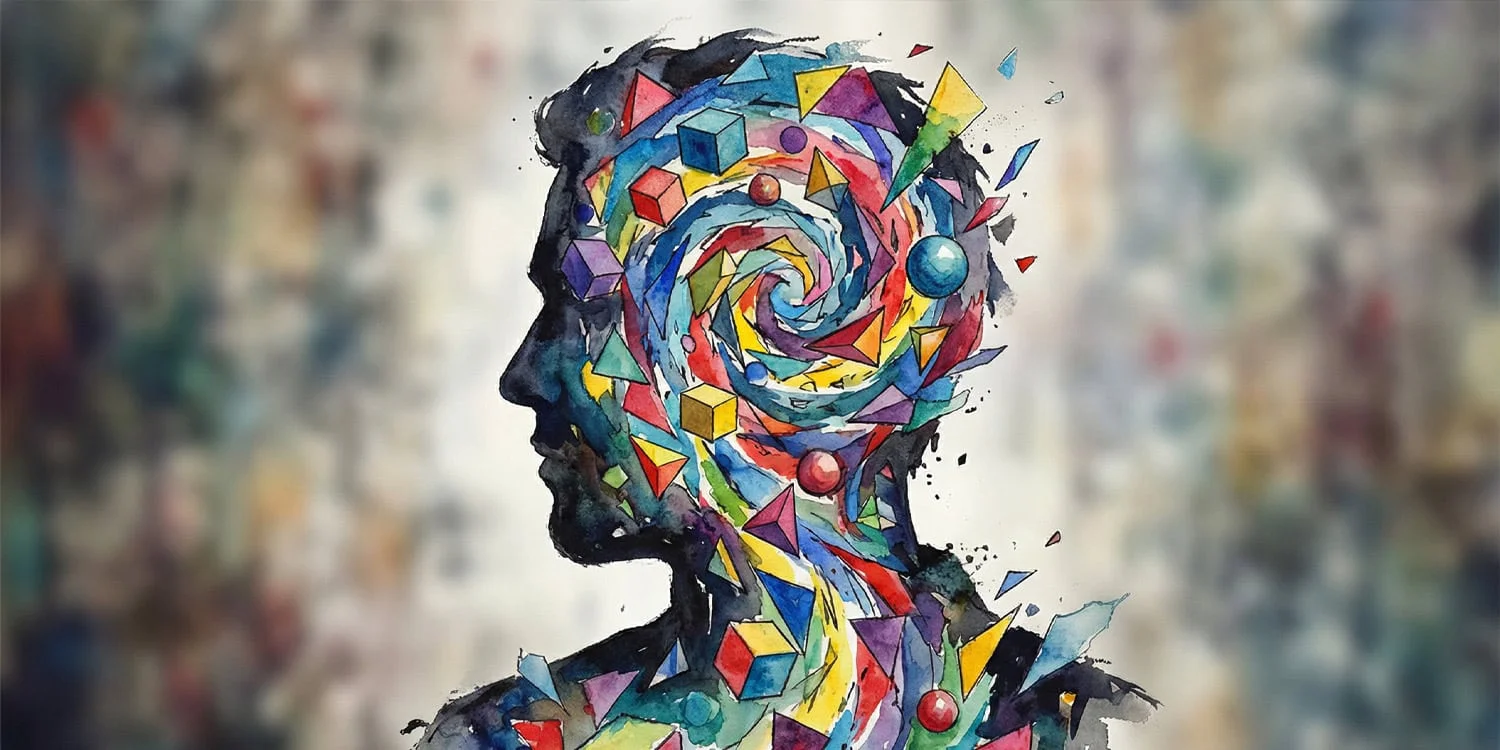
Research suggests that putting down your phone and allowing your mind to wander through daydreaming can enhance well-being, boost creativity, improve problem-solving, and strengthen social connections, offering deeper benefits than passive phone use.
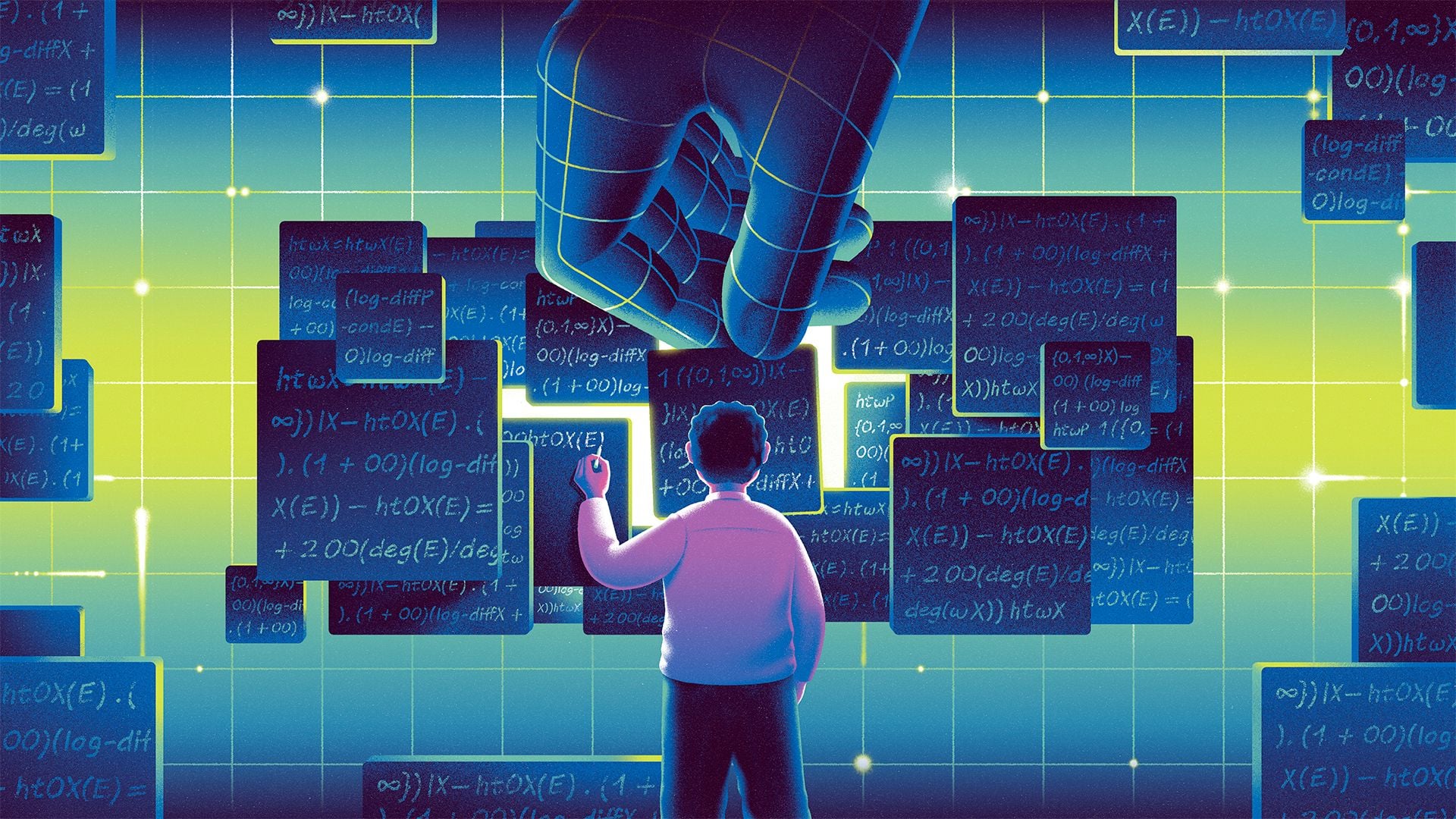
AI has made significant progress in solving complex mathematical problems, such as stability equations and Olympiad questions, but still requires human oversight and hasn't yet surpassed top mathematicians in generating groundbreaking discoveries. Experts believe AI will increasingly assist in research, potentially transforming the field and the role of mathematicians in the future.
Competitive Excel, a puzzle-solving e-sport where players solve data and problem scenarios under time pressure, has gained popularity worldwide, with championships offering significant prizes and attracting diverse participants, from beginners to experts, aiming to showcase their skills and inspire new talent.
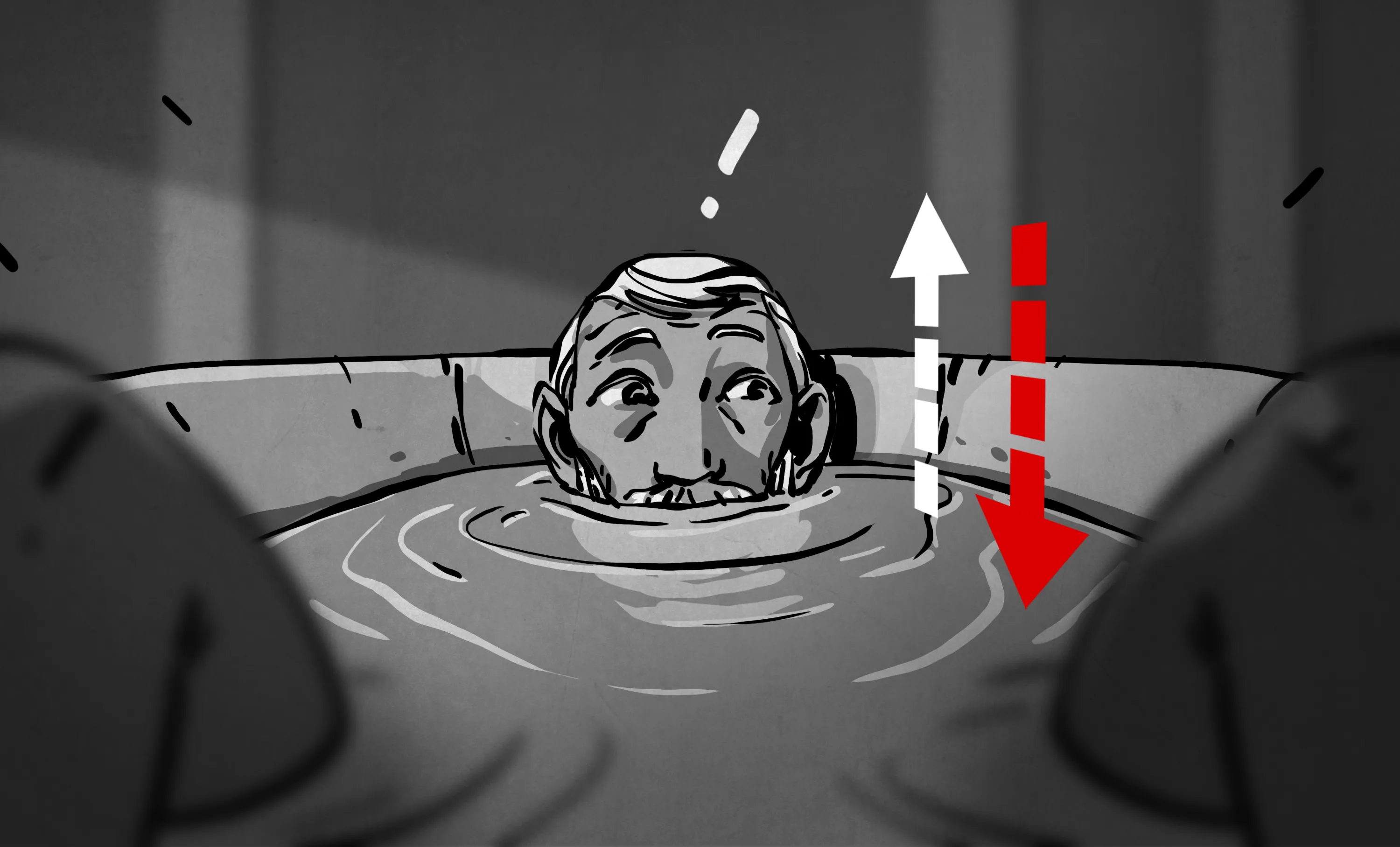
The article discusses how a 2,400-year-old problem illustrates the advancements of ChatGPT's AI in approaching human-like intelligence, highlighting the progress in artificial intelligence and its historical context.
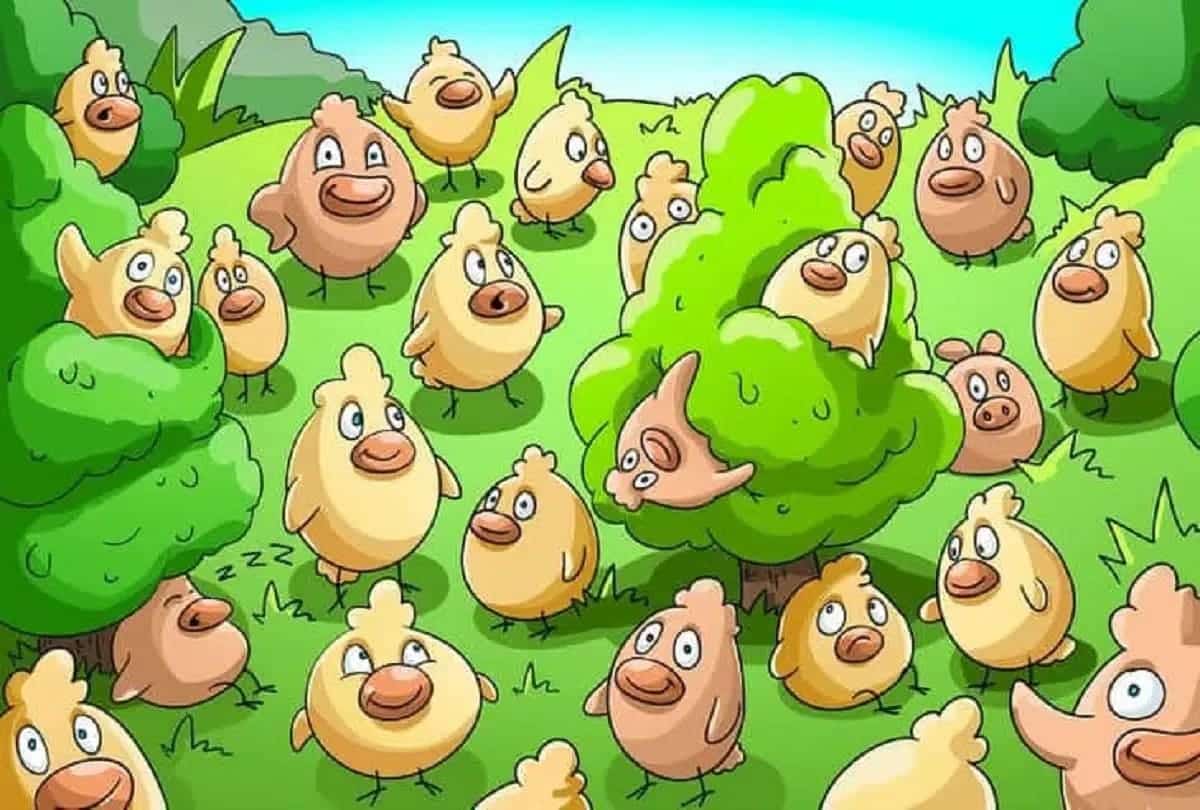
A visual puzzle challenges viewers to find a pig hidden among birds in a scene within 13 seconds, testing quick perception and pattern recognition, with the task serving as a mental fitness exercise to enhance observational skills.
A viral Instagram video shows a clever Golden Retriever named Oatmeal independently solving a problem by freeing a stuck fish toy in a pool, impressing viewers with his problem-solving skills and earning widespread praise.
The article shares eight unconventional prompts from Reddit user EQ4C that enhance ChatGPT's helpfulness and relatability by encouraging it to think more like a human, such as using tentative language, connecting ideas, debating itself, and translating complex info into everyday language.
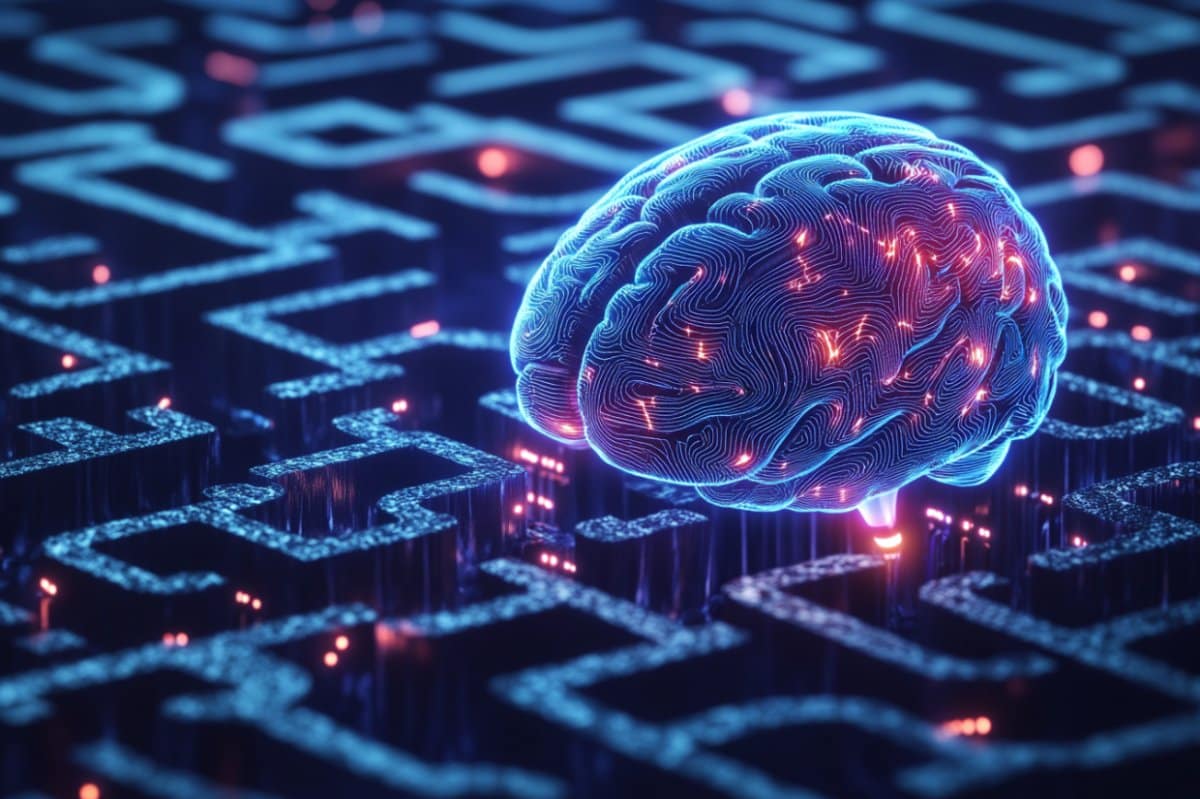
A study by MIT reveals that humans use flexible strategies like hierarchical and counterfactual reasoning to solve complex problems, such as predicting a ball's path in a maze, by breaking tasks into manageable steps and revising choices based on memory reliability. These strategies are influenced by individual memory capacity and task demands, and are mirrored by neural network models under similar constraints.
MIT researchers modeled how humans solve complex problems by using strategies like hierarchical and counterfactual reasoning, demonstrating that the brain breaks down tasks into manageable parts and adapts strategies based on memory and situational cues, with implications for understanding human cognition and decision-making.
A study by the University of Waterloo reveals that humans have a natural preference for simple explanations and solutions due to our brain's efficiency. Through experiments with 2,820 participants, researchers found that people favor straightforward methods unless complex options are statistically more reliable. This preference for simplicity is linked to our cognitive inclination towards efficiency, suggesting that our brains are wired to achieve more with less effort. The findings highlight the importance of context in decision-making and the flexibility of human cognition.
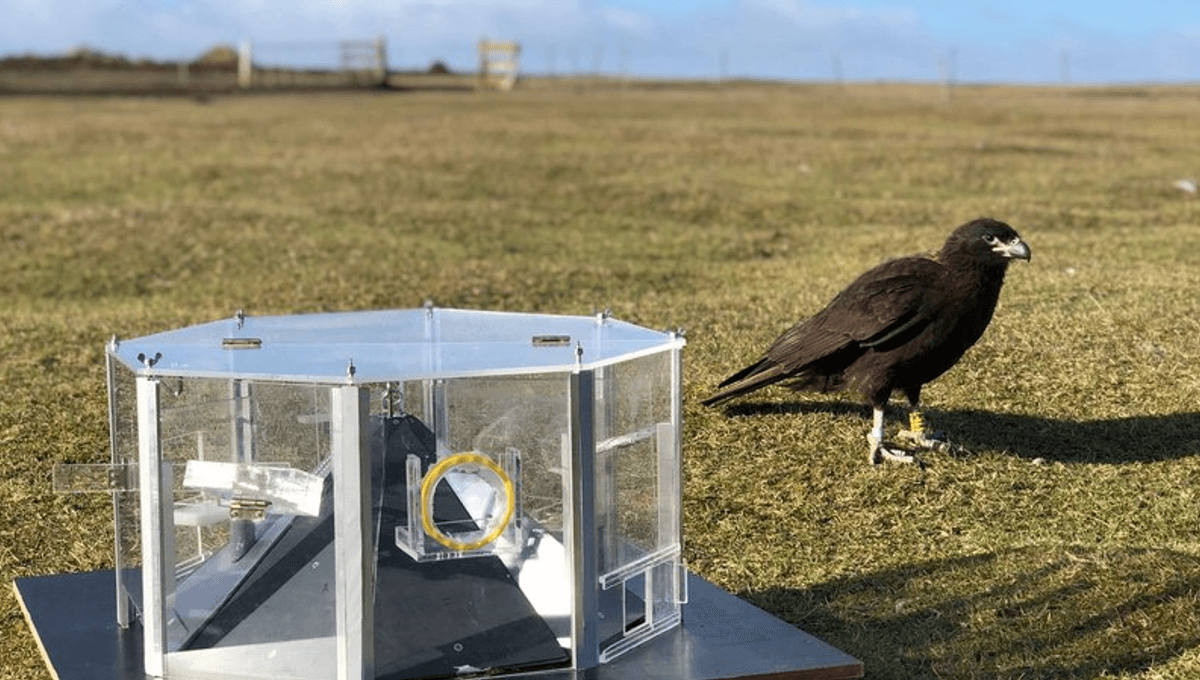
Researchers have discovered that striated caracaras, a rare bird of prey from the Falkland Islands, exhibit remarkable problem-solving skills and long-term memory. These birds quickly learned to solve puzzle boxes for food and retained these skills a year later, demonstrating intelligence comparable to that of crows and parrots. The study highlights the caracaras' adaptability and intelligence, suggesting that such cognitive abilities are more widespread among birds than previously acknowledged.
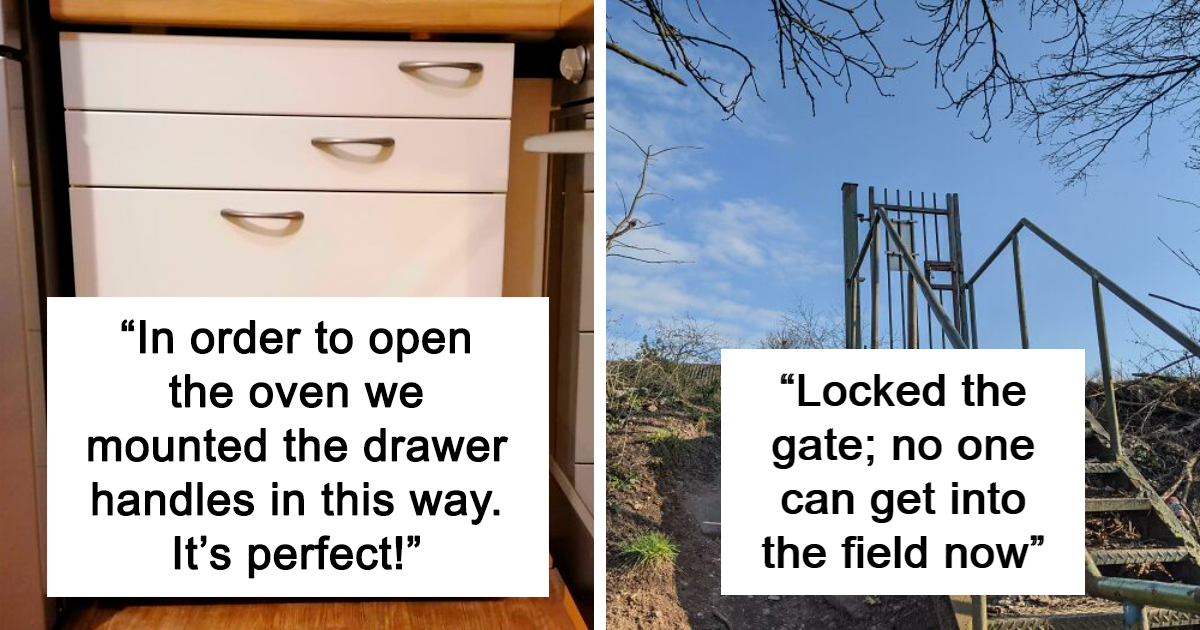
The article showcases humorous and creative DIY solutions from the r/thereifixedit subreddit, emphasizing the importance of resourcefulness and basic handy skills. It includes advice from experts on starting small with home repairs, practicing on scrap materials, and having essential tools, while also highlighting the satisfaction and cost-saving benefits of fixing things yourself.
The article highlights the value of exploring and sharing the problems faced in technical projects, such as building ultra-precise switches or converting cameras into spectrometers, as these challenges can inspire innovative solutions and foster collaborative brainstorming within the hacking community.
A study has revealed that rosy-faced lovebirds, a type of parrot, use their beaks to swing and move like monkeys when faced with challenging perches, showcasing their problem-solving abilities and biomechanical prowess. Termed "beakiation," this behavior involves the birds hanging from their beaks and swinging their bodies, similar to primates swinging from tree to tree. Researchers observed that the parrots can hold their entire body weight with their heads, demonstrating remarkable agility and adaptability in their movement.
DeepMind has unveiled AlphaGeometry, an AI system that can solve complex geometry problems at the level of an International Mathematical Olympiad gold medalist, showcasing advanced mathematical reasoning and problem-solving abilities. By combining a neural language model with a symbolic deduction engine and training on synthetic data, AlphaGeometry demonstrates the potential of a hybrid symbolic-neural network approach in developing more advanced and general AI systems. This achievement may influence the ongoing debate between symbolic AI and neural networks in the quest for generalizable AI, with implications for mathematics, science, and beyond.