A visual puzzle challenges viewers to find a pig hidden among birds in a scene within 13 seconds, testing quick perception and pattern recognition, with the task serving as a mental fitness exercise to enhance observational skills.
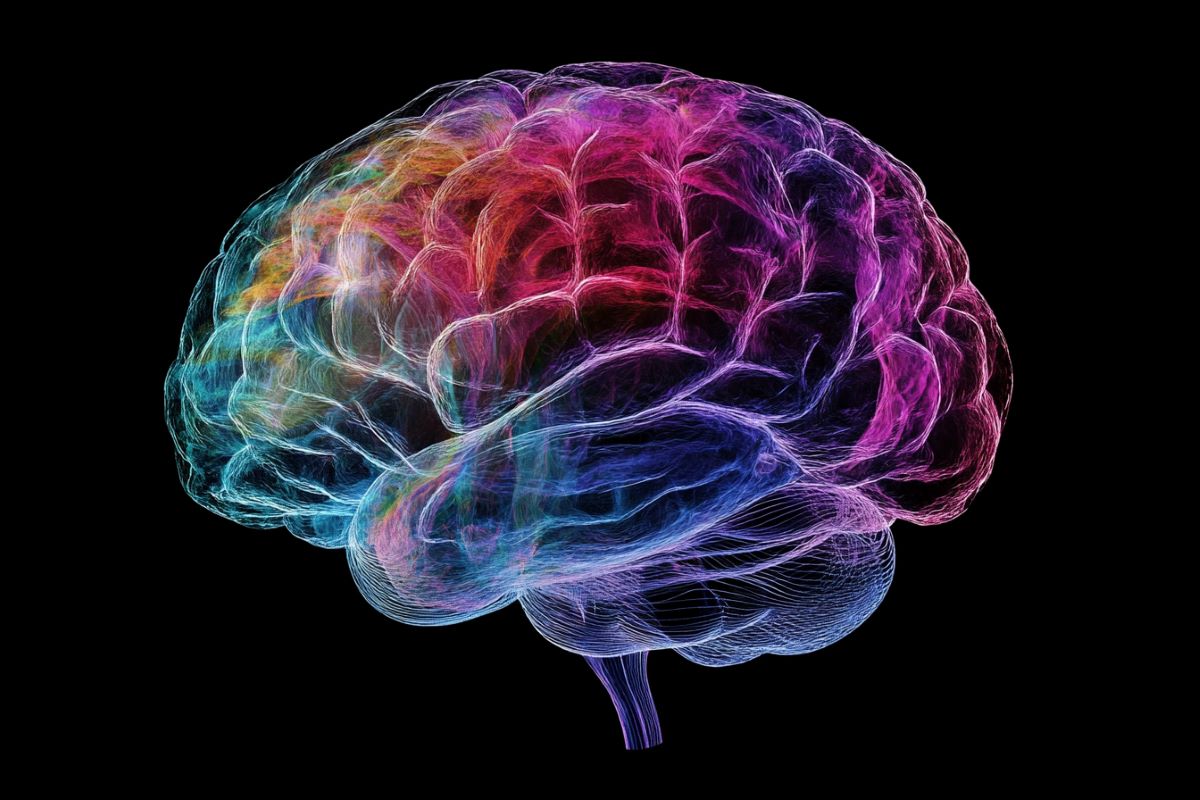
Researchers have developed a technique to directly "write" learning patterns into the brain using real-time neurofeedback from fMRI imaging, allowing participants to learn new visual categories without explicit teaching. This method, which shapes brain activity to align with predesignated patterns, could lead to innovative treatments for neuropsychiatric and developmental disorders by reshaping brain patterns. The study highlights the potential of implicit neural training and offers new insights into the brain's learning processes.
Neuroscience research has identified 10 simple habits that can lead to better memory: staying busy, engaging in certain games and hobbies like crosswords and bird-watching, reading for pleasure, getting sufficient sleep, taking naps, wearing a sleep mask, improving lighting conditions, using smartphones for memory aids, and even walking backward. These activities have been linked to improved cognitive functioning, increased brain volume, and reduced brain aging, offering practical ways to combat memory loss and cognitive decline.