Shakira and Cardi B headlined the 2025 Global Citizen Festival in Central Park, which attracted 60,000 attendees committed to ending poverty and fighting climate change through activism and music, raising funds for global causes and inspiring collective action.
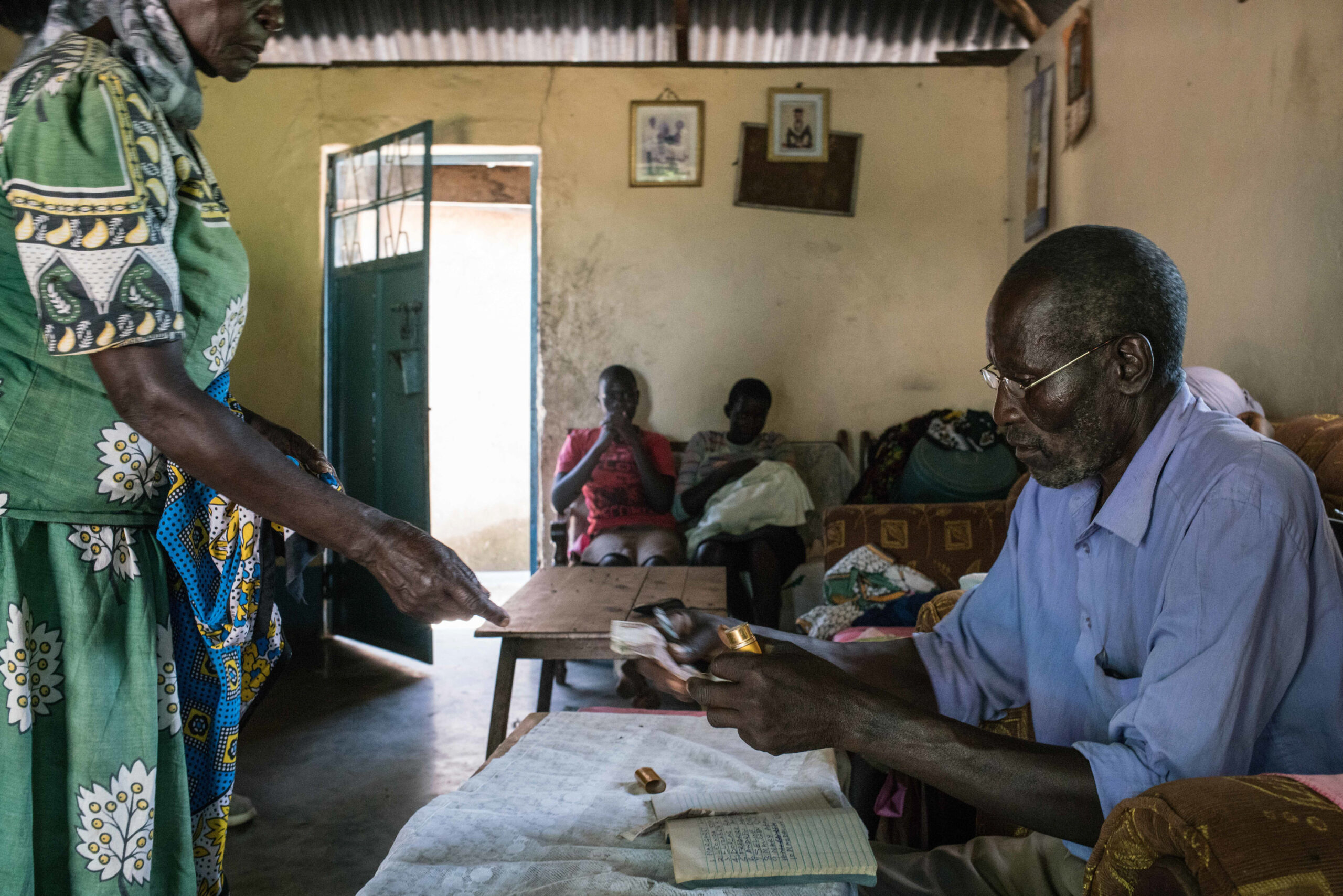
A large-scale study in Kenya found that giving $1,000 in cash to low-income families significantly reduced infant and child mortality rates by nearly half, especially when delivered close to birth, highlighting cash transfers as an effective tool alongside healthcare improvements to save children's lives.
Five top American billionaires, including Bill Gates and Charles Koch, are pledging over $1 billion to support a new initiative called NextLadder Ventures, which aims to use AI and emerging technologies to improve economic mobility for low-income Americans, with plans to support both non-profit and for-profit organizations over the next 15 years.
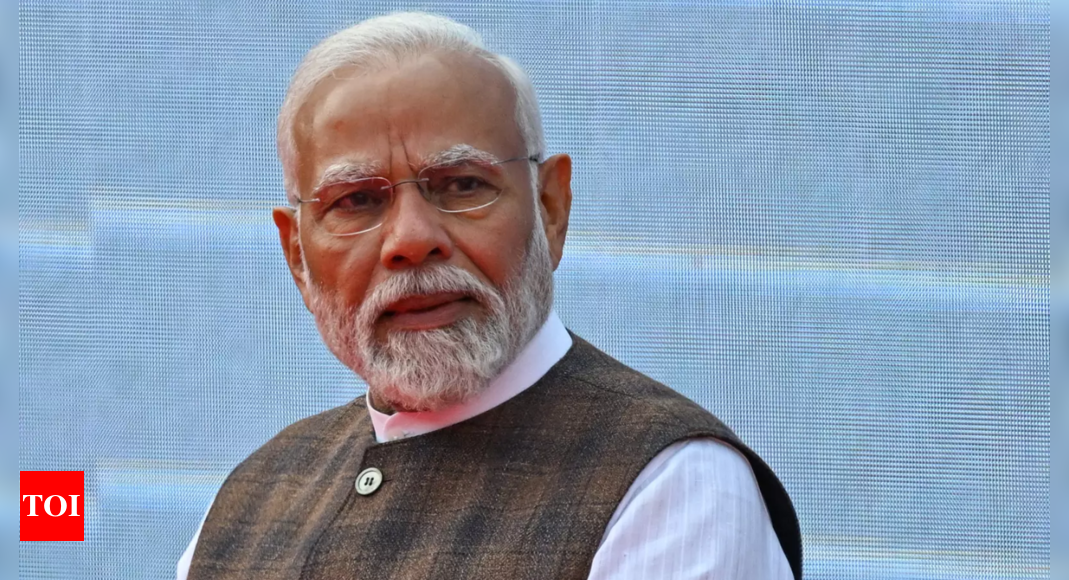
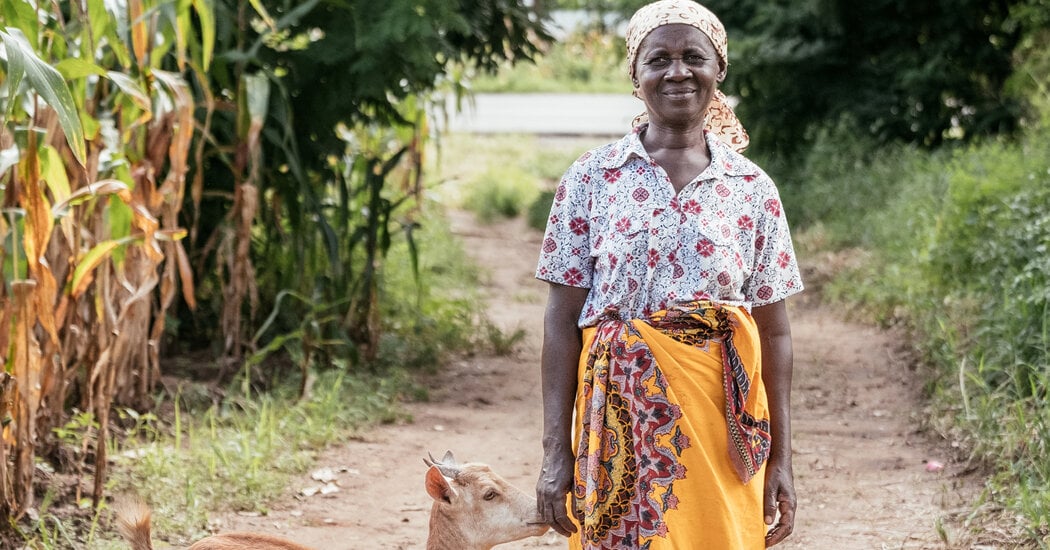
Prime Minister Narendra Modi emphasized the government's commitment to fighting corruption and prioritizing the welfare of vulnerable groups, stating that tax reforms have increased collections and instilled confidence in taxpayers. He highlighted the Niti Aayog report's findings on poverty reduction and interacted with tribal communities, promising power supply to every household and providing job opportunities through welfare schemes. A tribal woman shared her positive experience with various government initiatives.
The first findings from a universal basic income experiment in Kenya, conducted by charity GiveDirectly, have been released. The study provided cash grants of $50 per month for 12 years to thousands of villagers, comparing their outcomes to control groups. The results showed that giving cash aid in a lump sum had major advantages, with recipients starting more businesses and earning higher revenues compared to those receiving monthly installments. The study also found that the universal nature of the aid increased its impact, and the grants did not fuel inflation. The long-term effects of lump-sum payments are still being studied.
A study conducted by the charity GiveDirectly in Kenya, providing a "universal basic income" of $50 per month for 12 years, has shown promising results in fighting poverty. The study found that giving cash aid in a lump sum had major advantages, with recipients starting more businesses and earning higher revenues compared to those receiving monthly installments. Additionally, the study revealed that the longer the duration of the income, the more people were able to invest in their enterprises. The study also highlighted the positive impact of providing aid universally to every adult in a village, which increased investment in businesses and did not fuel inflation. However, the long-term effects of lump-sum payments are still unknown, and further research is needed to determine if the benefits endure over time.
A new study on universal basic income suggests that while monthly cash payments are beneficial for immediate assistance, lump-sum payments may be more effective in helping those in need build long-term wealth. The study, conducted in Kenya, compared the impacts of different types of direct payments and found that a one-time $500 payment had more lasting effects on recipients' earnings and access to education. However, the study also noted that lump-sum payments had the smallest positive impact on mental health. The research highlights the need for tailored approaches in designing cash transfer programs to meet basic needs and support transformative changes in the lives of people living in extreme poverty.
One Acre Fund, an organization working with smallholder farmers across nine African countries, has been awarded the $2.5 million Conrad N. Hilton Foundation Prize for its efforts to help small farms become more productive and profitable. Small-scale farms currently provide 70% to 80% of Africa's food, but they often face challenges in terms of productivity and labor. One Acre Fund provides services such as credit for feed and fertilizer, training in farming practices, and support for market access. The organization's interventions have resulted in increased harvests and profits for farmers, with the goal of moving them from food insecurity to prosperity. The prize money will support One Acre Fund's vision of serving 10 million farmers by 2030.
Aid agencies are experimenting with a new approach to disaster relief by providing small cash payments to people just before a disaster strikes, rather than waiting until afterward. These anticipatory cash relief programs aim to help the world's poorest protect themselves and their property in the face of increasingly severe climate change-induced disasters. Early evidence suggests that these cash payments can empower individuals to make choices that improve their resilience, such as buying food, paying off loans, or investing in assets. However, skeptics argue that cash relief is not a sustainable solution to the multitude of hazards faced by the poor in the global South.
Independent think tank Autonomy has published plans for a two-year trial of a universal basic income (UBI) in the UK, which would see 30 people receive £1,600 ($1,983) each month. The trial would cost an estimated £1.15m and would assess the impact of UBI on participants' lives. A separate group would be monitored to understand the difference in their experiences. The trial would take place in two areas of the UK, with participants selected at random. UBI has been proposed as a way to alleviate poverty and take pressure off social security systems.
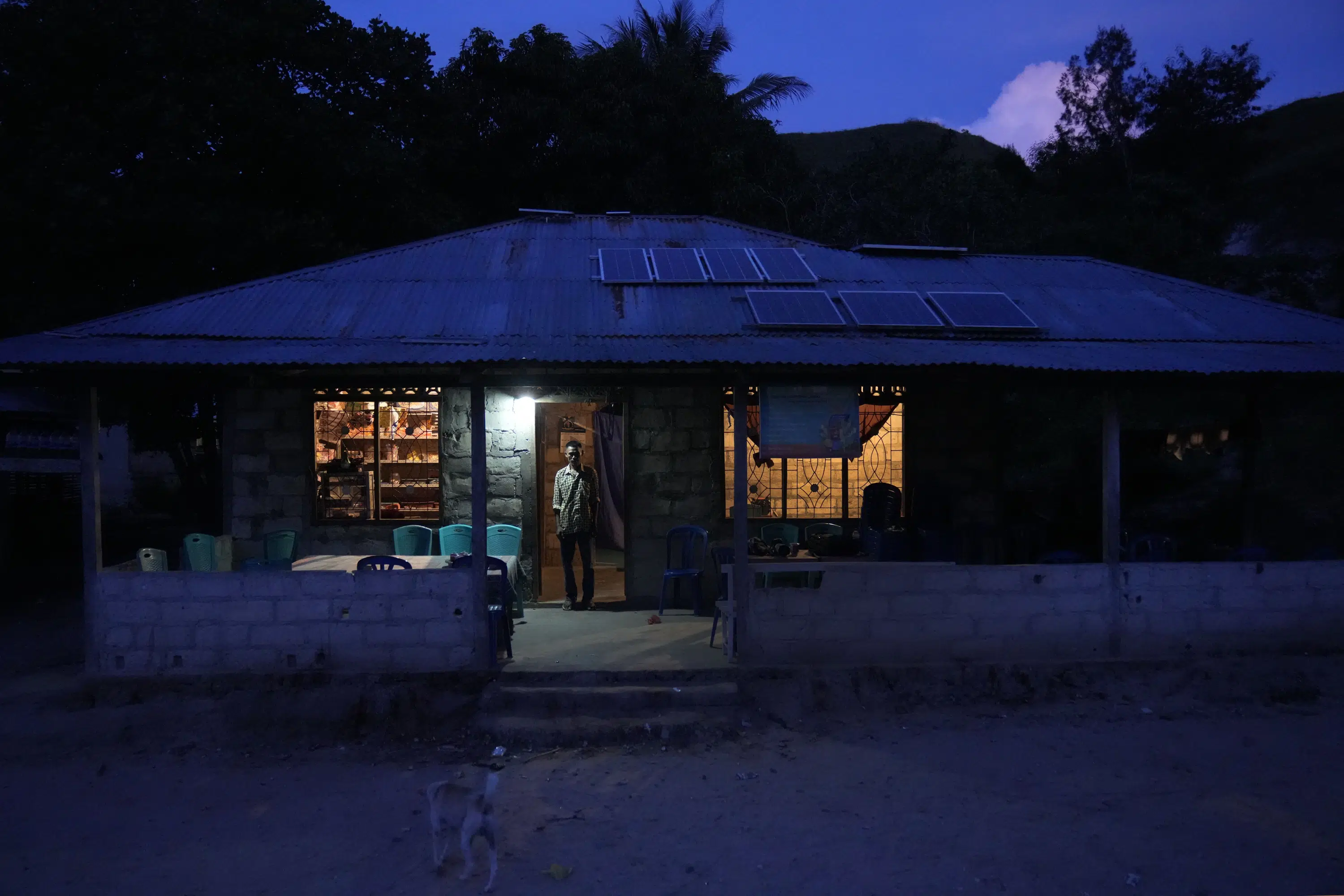
Off-grid solar systems are bringing limited access to electricity to remote villages in Indonesia, providing more hours in the day, more income, and more social gatherings. While Indonesia has brought electricity to millions of people in recent years, there are still more than half a million people living in places the grid doesn’t reach. Grassroots social enterprise projects have brought small, individual solar panel systems to villages like Laindeha and across the island of Sumba, providing clean electricity directly to those who are unelectrified. While barriers still remain, experts say off-grid solar programs on the island could be replicated across the vast archipelago nation, bringing renewable energy to remote communities.
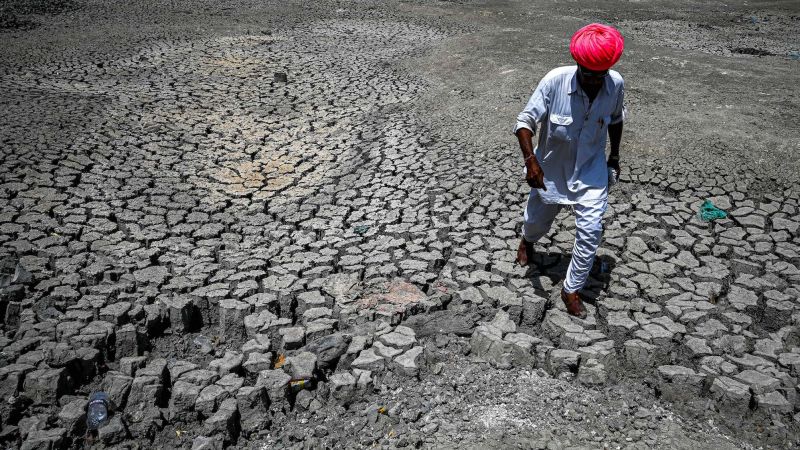
Deadly heat waves fueled by climate change are threatening India’s development and risk reversing its progress on poverty alleviation, health and economic growth, a new study has found. More than 90% of the country could be severely impacted by heat waves, falling into an extreme heat “danger” zone, according to the heat index. The increased heat is expected to cost India 2.8% and 8.7% of its Gross Domestic Product (GDP) and depressed living standards by 2050 and 2100, respectively. By mid-century, 70 Indian cities are expected to have more than 1 million inhabitants, and extreme heat will pose a threat to the energy security and health of those people, and reverse progress in inequality and poverty reduction.