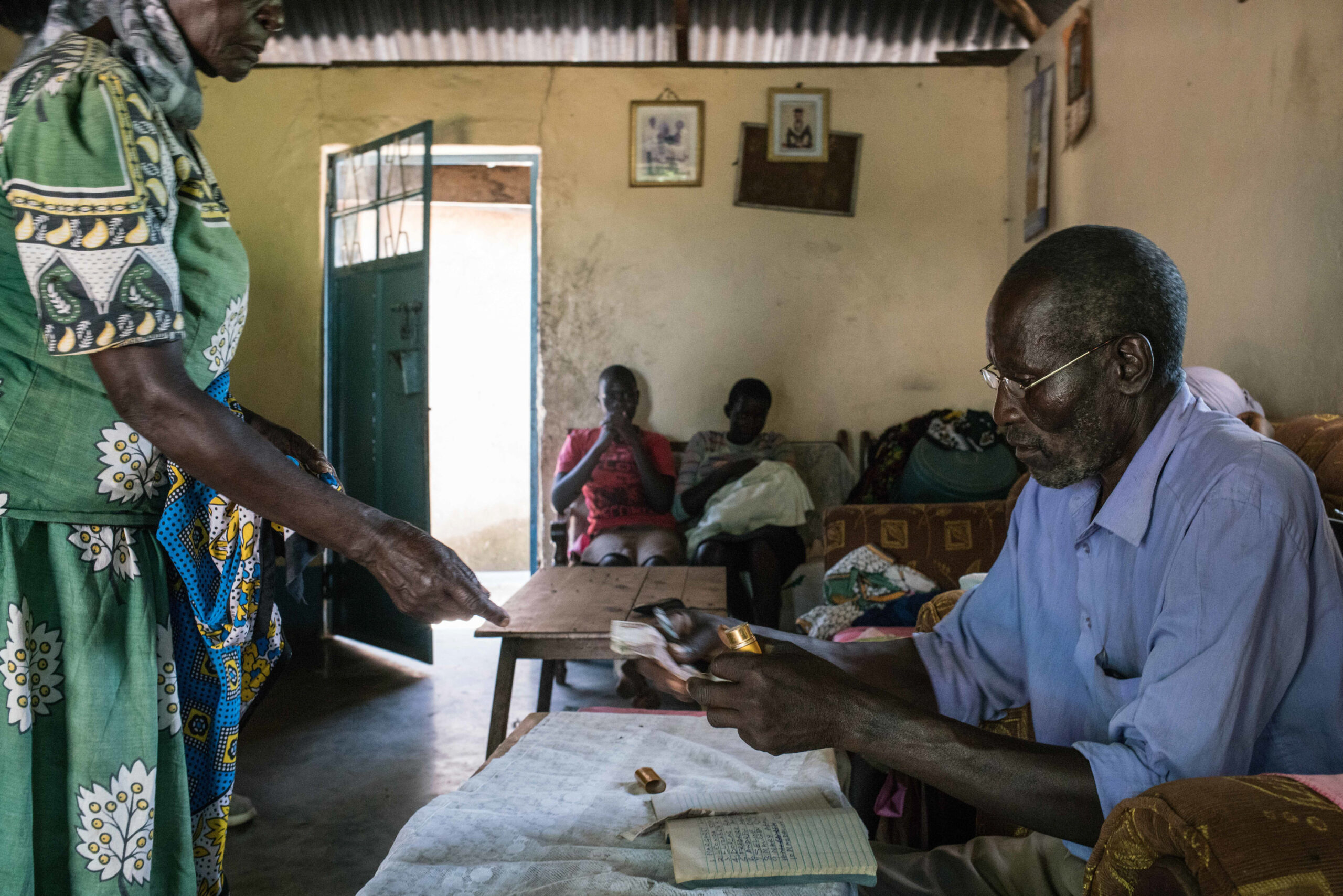
The first findings from a universal basic income experiment in Kenya, conducted by charity GiveDirectly, have been released. The study provided cash grants of $50 per month for 12 years to thousands of villagers, comparing their outcomes to control groups. The results showed that giving cash aid in a lump sum had major advantages, with recipients starting more businesses and earning higher revenues compared to those receiving monthly installments. The study also found that the universal nature of the aid increased its impact, and the grants did not fuel inflation. The long-term effects of lump-sum payments are still being studied.
A study conducted by the charity GiveDirectly in Kenya, providing a "universal basic income" of $50 per month for 12 years, has shown promising results in fighting poverty. The study found that giving cash aid in a lump sum had major advantages, with recipients starting more businesses and earning higher revenues compared to those receiving monthly installments. Additionally, the study revealed that the longer the duration of the income, the more people were able to invest in their enterprises. The study also highlighted the positive impact of providing aid universally to every adult in a village, which increased investment in businesses and did not fuel inflation. However, the long-term effects of lump-sum payments are still unknown, and further research is needed to determine if the benefits endure over time.
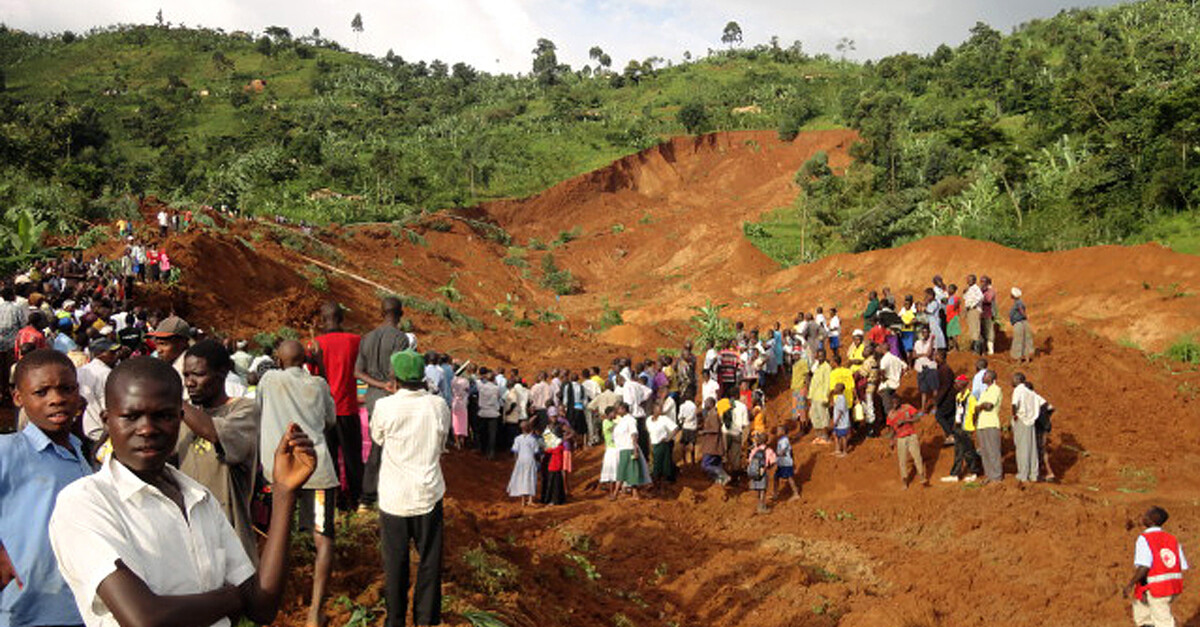
Mount Elgon in Eastern Uganda, prone to deadly mudslides due to deforestation and intensified rains from climate change, is the focus of a novel approach by the American non-profit GiveDirectly. Instead of top-down solutions, GiveDirectly is testing the effectiveness of providing cash grants with no strings attached to residents, allowing them to relocate to safer areas of their choice. The approach aims to address the failure of previous government-led re-settlement efforts, which lacked community input and resulted in people returning to dangerous areas. The results of the cash grant program, which could have implications for other climate disaster-prone regions, will be available next year.
The slopes of Mount Elgon in eastern Uganda have become increasingly prone to deadly mudslides due to climate change, posing a challenge for helping residents find a safe new place to live. Previous government efforts to relocate people have had limited success, as many residents were reluctant to move to unfamiliar areas. In a novel approach, the American non-profit GiveDirectly is testing the effectiveness of providing cash grants with no strings attached to help residents relocate. The results of the study, which aims to understand how cash grants can protect people from climate change, will be available next year. This approach could have implications for other communities living in the path of predictable climate disasters worldwide.
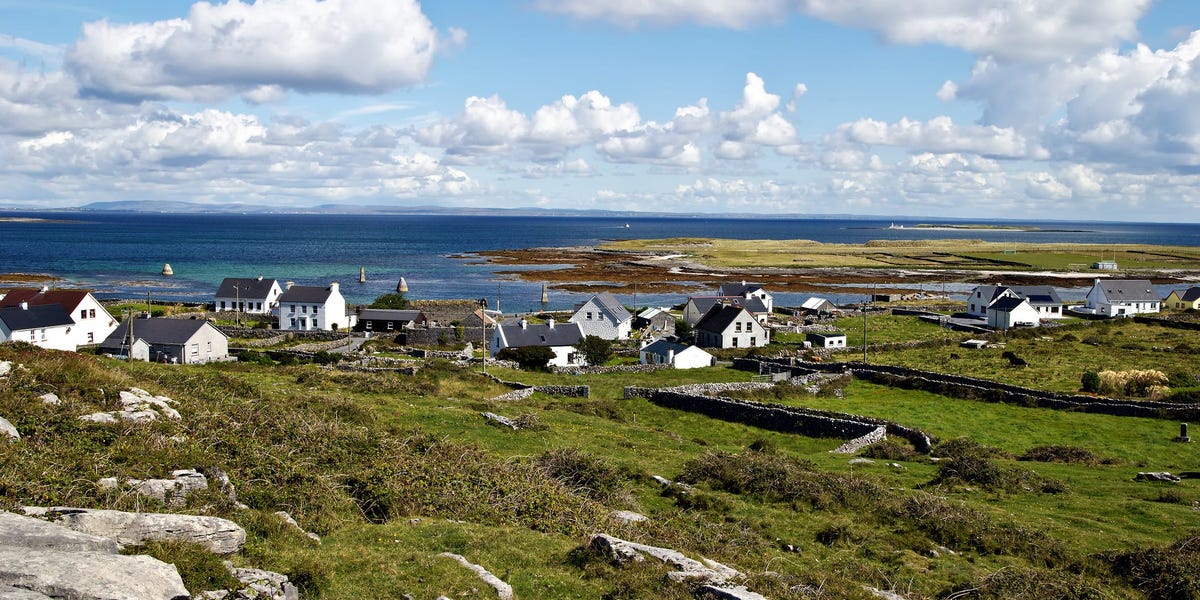
Ireland is offering cash grants of up to $92,000 to people who want to move to approximately 30 remote islands off its western coast. To receive the funds, people must buy property on one of the islands built before 1993 that has been vacant for at least two years. The goal is to refurbish vacant or derelict buildings on islands into long-term homes as part of a broader initiative to revitalize life and the community on the islands, and increase the population. However, the money can only be used for redecoration, installing insulation, and structural improvements.