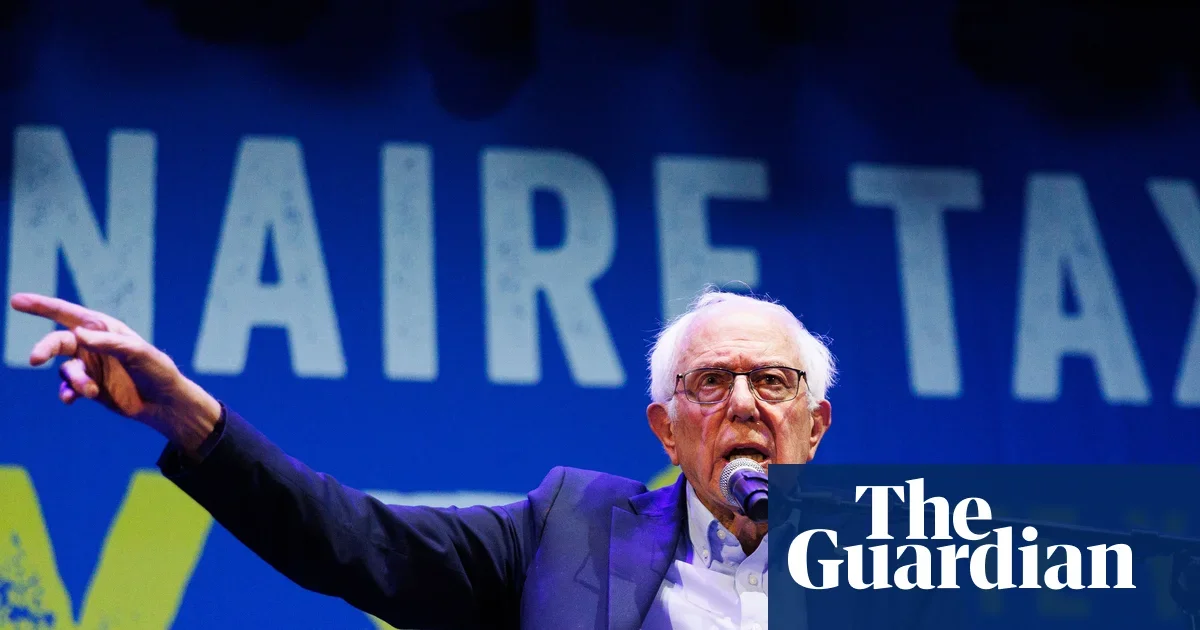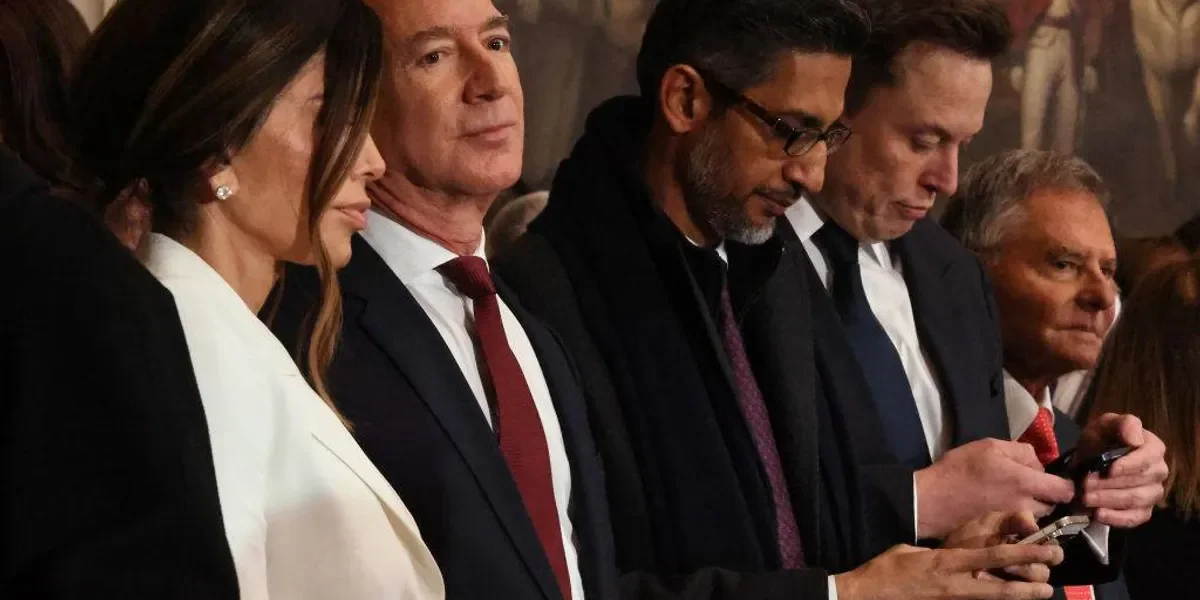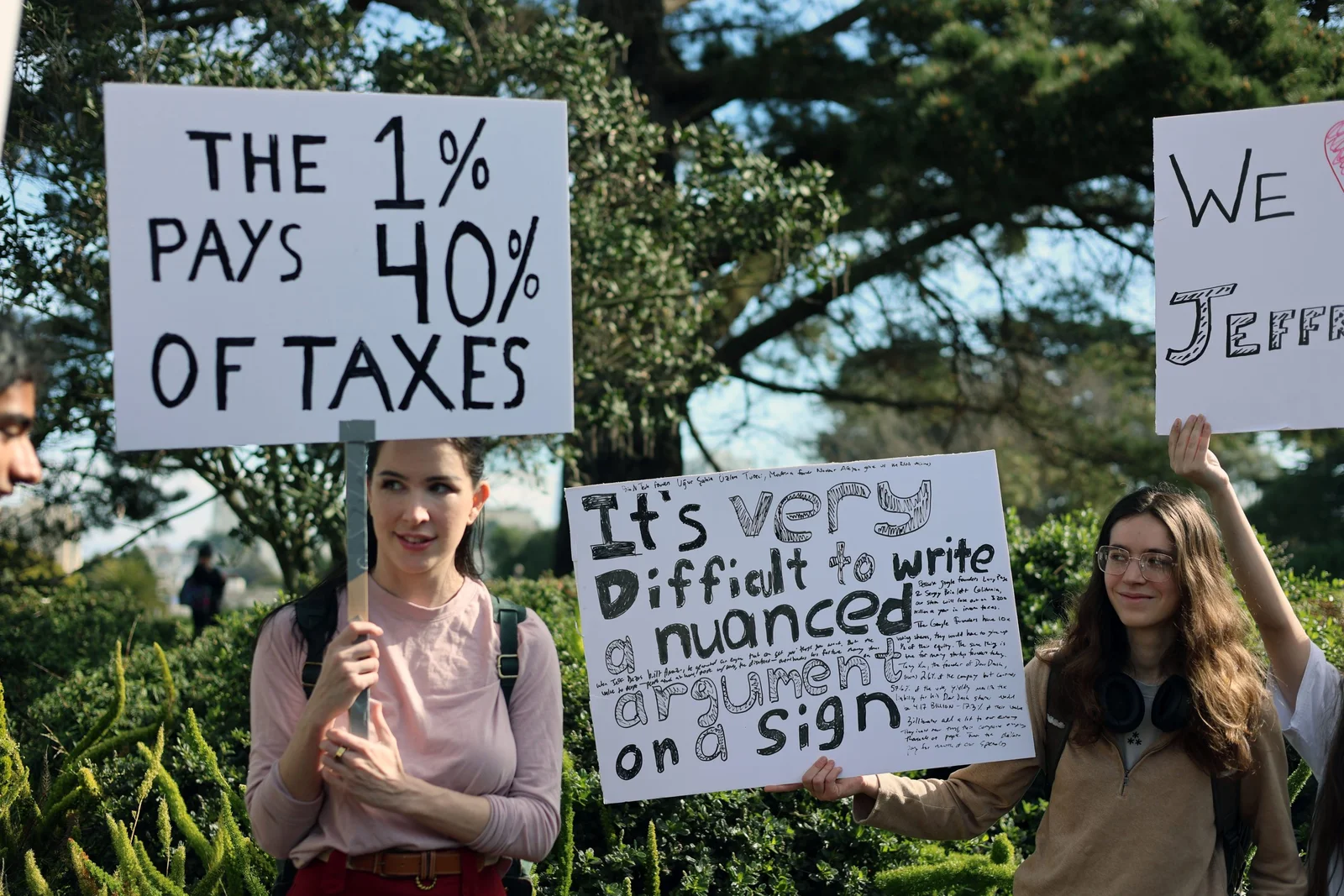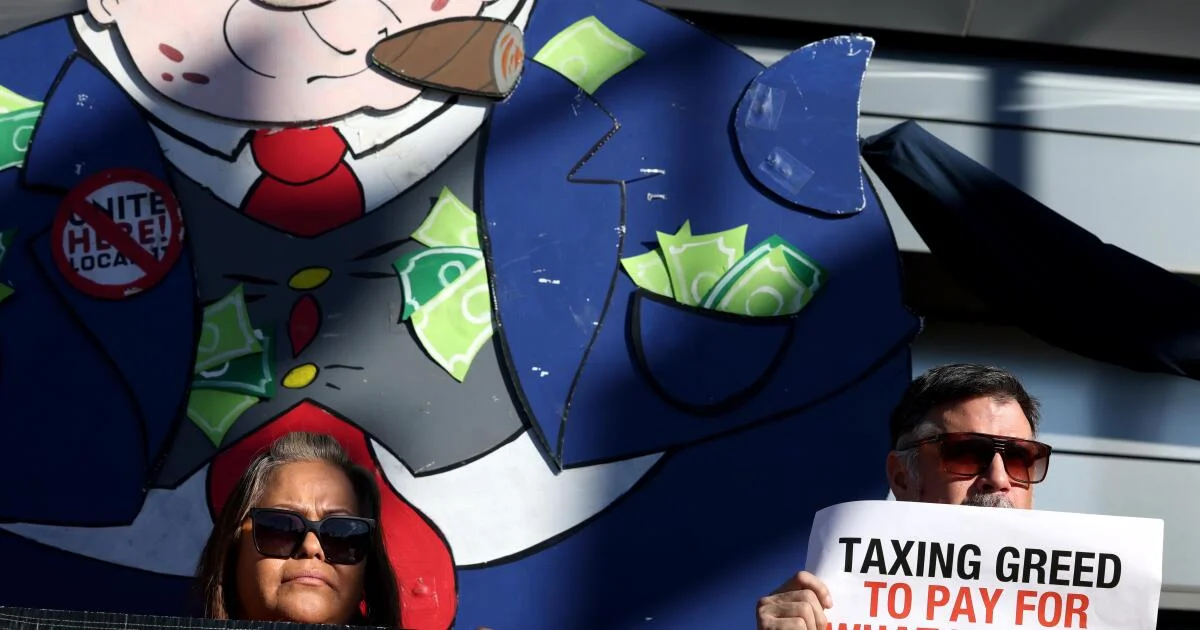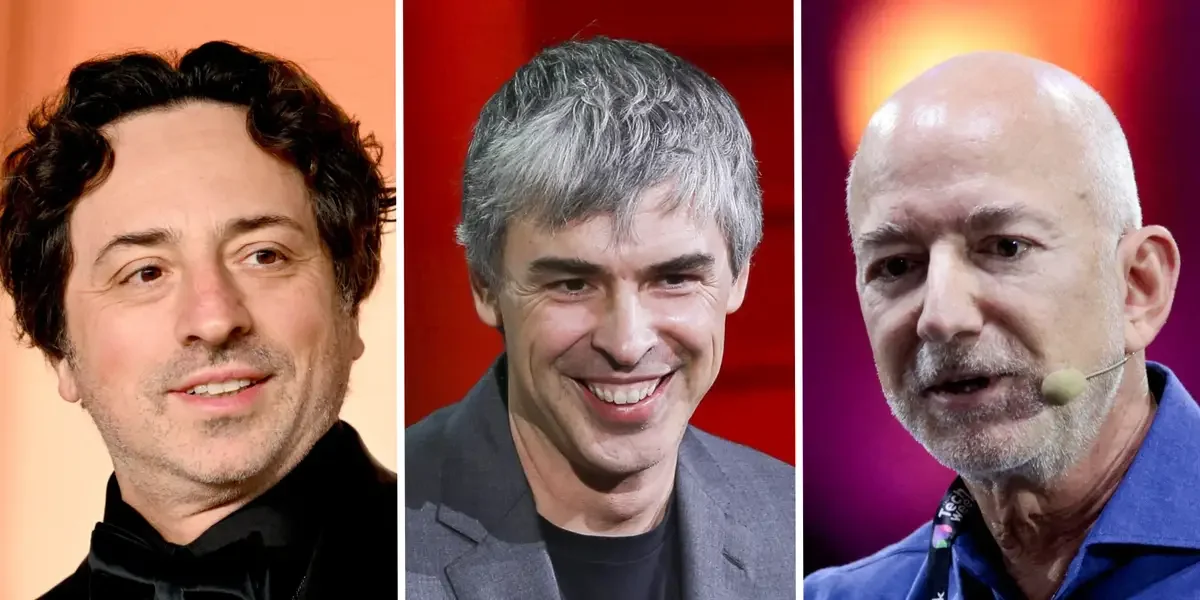
California is considering a 5% one-time wealth tax on residents worth over $1 billion, which could impact over 214 billionaires, including notable figures like Palmer Luckey, Mark Zuckerberg, and Jensen Huang. The tax aims to generate revenue but faces criticism for potentially prompting wealthy residents to leave the state, affecting California's economy.
California is implementing a controversial plan to tax billionaires, aiming to address wealth inequality, but facing significant political and public debate over its implications and effectiveness.
Joe Rogan defends billionaires, highlighting their hard work and the necessity of tax loopholes, while acknowledging the inequality and suggesting wealth sharing could reduce public resentment, amidst a discussion with Tom Segura on wealth, taxes, and societal disparities.
In 2025, the world's top 500 billionaires added a record $2.2 trillion to their wealth, driven by market booms and political events, with a small group of billionaires capturing a significant share of the gains, highlighting ongoing global wealth inequality.
In 2025, the world's richest individuals added a record $2.2 trillion to their wealth, reaching nearly $12 trillion, driven mainly by big tech and AI. Despite this wealth surge, many ultra-wealthy are losing faith in the American Dream, with a declining percentage viewing North America as the top investment opportunity, and more looking towards Europe. Meanwhile, the number of millionaires worldwide has quadrupled since 2000, highlighting growing wealth inequality and changing perceptions of economic prospects.
In 2025, the world's richest added a record $2.2 trillion, yet many ultra-wealthy individuals are increasingly leaving the US for Europe or other regions due to political, social, and economic concerns, reflecting a shift in perceptions of the American Dream despite the US's continued dominance in wealth creation and investment opportunities.
In 2026, global expansion of datacenters driven by major tech investments, the widespread deployment of self-driving cars in major cities, AI finding new niches at work, innovative consumer tech with new form factors, and the continued wealth growth of tech billionaires are expected to be key trends shaping the tech landscape.
Kris Jenner's 70th birthday party in Beverly Hills was attended by at least nine billionaires worth a combined $600 billion, including Jeff Bezos, Mark Zuckerberg, Bill Gates, and Kim Kardashian, with a James Bond-inspired theme and star-studded guest list.
Zohran Mamdani won the NYC mayoral race, challenging the influence of billionaires who previously opposed him, and now some Wall Street figures are offering support despite earlier criticisms and political tensions.
A report from Oxfam reveals that the top 10 US billionaires gained $698 billion this year, mainly from tech and AI profits, while over 40% of Americans remain poor or low-income. The report criticizes recent tax reforms under the Trump administration for favoring the wealthy, exacerbating the wealth gap, and warns that economic inequality is likely to worsen amid recession fears and job scarcity.
Since Trump's reelection, the top 10 richest Americans have gained nearly $700 billion, highlighting a significant increase in wealth concentration among the ultra-rich, driven by policies like tax cuts that have widened economic inequality and undermined the financial stability of working-class Americans. Experts call for reforms such as wealth taxes, higher corporate taxes, and social safety net expansions to address this growing disparity.
The article discusses California's proposed 2026 ballot measure to impose a 5% wealth tax on its 200 billionaires to fund Medicaid and schools, highlighting how state-level efforts can address wealth inequality and potentially inspire broader national reforms despite political challenges.
Three 22-year-old friends from Silicon Valley, including two Indian-Americans, have become the world's youngest self-made billionaires after their AI recruiting platform Mercor secured $350 million in funding, valuing the company at $10 billion. The founders, who started the company during their college years, built a platform that automates recruitment and connects global talent with AI companies, experiencing rapid growth and major funding rounds, culminating in a recent $14.3 billion acquisition of a rival by Meta.
Billie Eilish publicly urged billionaires to donate more of their wealth to address global issues, emphasizing the need for empathy and support for those in need, and highlighting her own philanthropic efforts and the broader context of increasing wealth inequality.
Billie Eilish urged billionaires to donate their wealth to good causes during an awards event, highlighting the disparity between her own modest net worth and that of billionaires like Mark Zuckerberg, who was present but did not visibly respond to her plea. Eilish announced her own donation of $11.5 million to climate and food insecurity initiatives, while Zuckerberg and others have signed the Giving Pledge to give away most of their wealth, though actual follow-through remains limited.