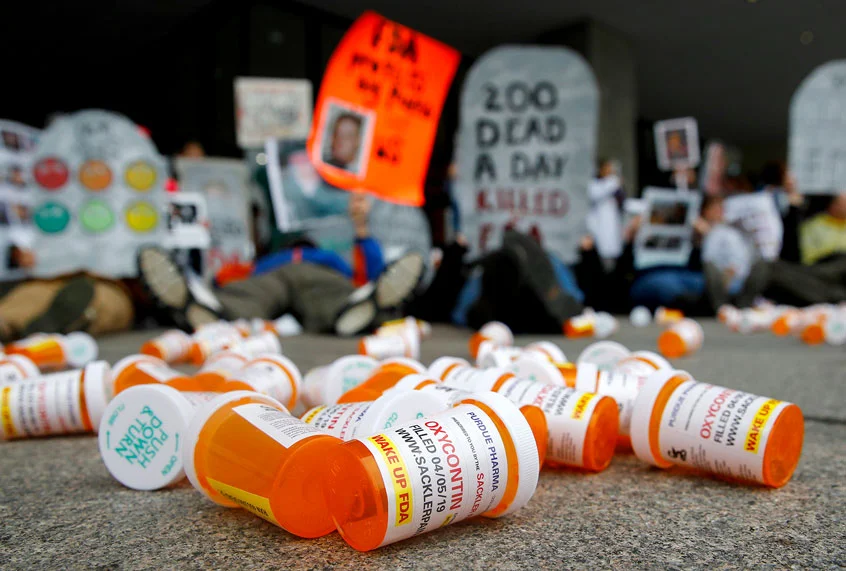
Overdose deaths in the U.S. are declining due to expanded access to medications, telehealth, and community programs, but this progress is at risk if Congress does not act to preserve and expand these policies in 2026.

The Texas A&M University System approved new restrictions on discussing race, gender, sexual orientation, and gender identity in courses, raising concerns among faculty about potential censorship and impacts on curriculum, especially in introductory and required classes, amid broader debates over academic freedom and state policies.
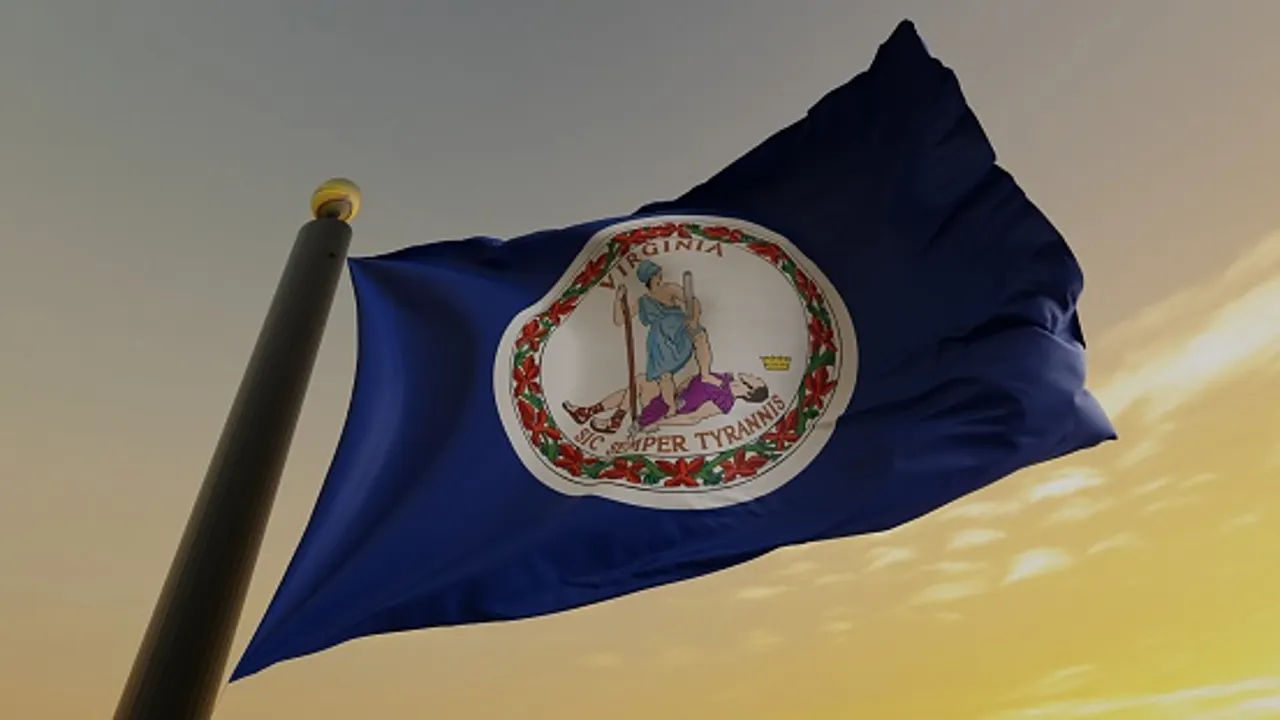
Starting January 1, 2026, Virginia will implement new laws including stricter regulations on baby food safety, enhanced telemarketing opt-out options, social media age restrictions, transparent criminal fines, expanded insurance coverage for cancer screenings, and a slight increase in minimum wage along with higher unemployment benefits.
The USDA, led by Agriculture Secretary Brooke Rollins, plans significant reforms to the SNAP program, citing alleged fraud and misuse, amid ongoing debates over benefit eligibility and recent deep cuts. Critics argue the claims of widespread fraud are overstated and that the proposed changes could harm vulnerable populations, with some uncertainty about the specifics of the new policies and data supporting the claims. The administration is also considering narrowing eligibility rules, which could result in millions losing benefits.
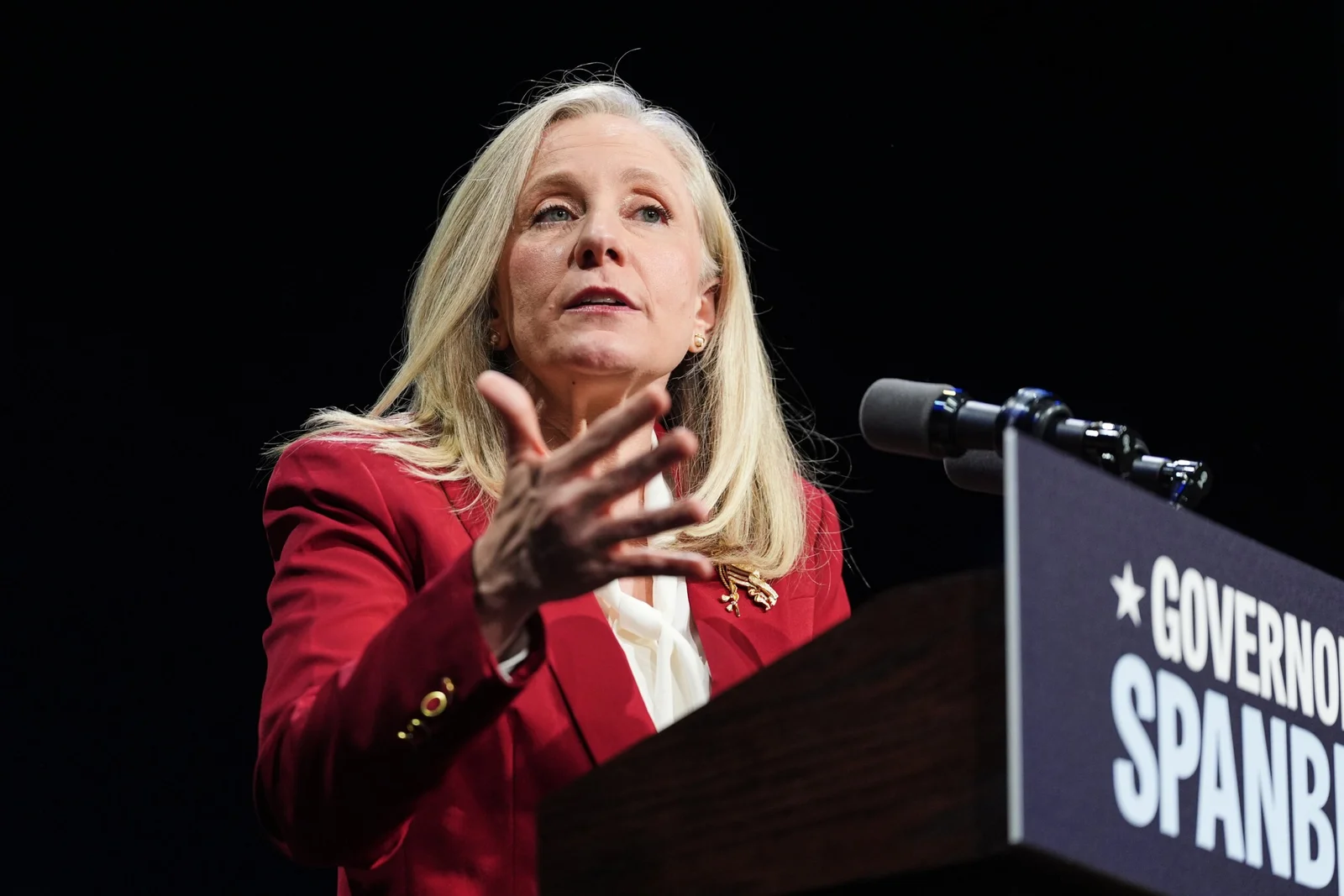
Virginia's governor-elect Abigail Spanberger plans to focus on affordability issues through executive orders on day one, intends to reverse some of Youngkin's policies, and emphasizes collaboration with the legislature to address high costs in housing, healthcare, and energy, while also preparing to challenge federal actions she views as harmful to Virginians.
Southwest Airlines, once highly rated for customer service, is facing customer dissatisfaction due to recent policy changes such as baggage fees, assigned seating, and new rules for disabled passengers. The airline's latest controversy involves introducing pistachio snacks for extra legroom passengers, which has sparked widespread criticism and may lead to some customers avoiding the airline altogether.
Despite facing $30 billion in tariffs, semiconductor shortages, and supply chain issues, automakers like GM, Ford, and Stellantis report strong quarterly earnings, aided by policy changes reducing tariffs, rising car prices, and a shift in environmental regulations favoring traditional vehicles over electric ones. However, the transition to electric vehicles faces setbacks, with some companies scaling back EV investments amid policy uncertainties and increased competition from Chinese automakers.
Electric vehicle sales in the U.S. are expected to decline significantly in 2025 due to the expiration of a federal tax credit, although the market may recover in the long term as experts anticipate. The end of the $7,500 credit led to a surge in August sales, with many consumers rushing to purchase EVs before the deadline, but policy changes by the government are likely to cause a downturn in the short term.
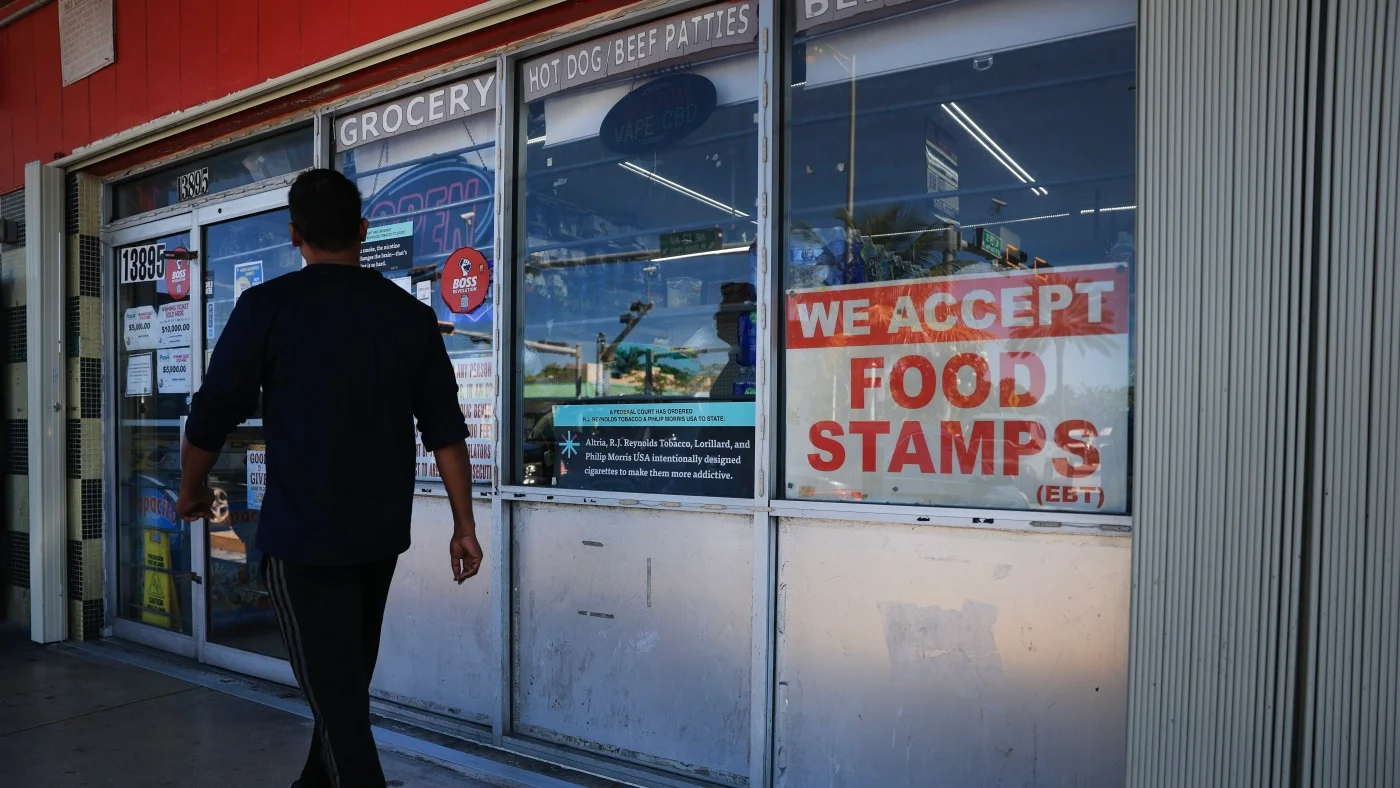
Millions of Americans receiving food stamps face potential benefit reductions or loss due to new Republican-led law changes, including stricter work requirements and benefit calculation restrictions, amid rising grocery costs and increasing poverty rates, raising concerns about worsening food insecurity.
A report criticizes recent changes by the Trump administration at the Social Security Administration, highlighting increased difficulties for disabled and poor Americans in accessing benefits, with issues in field office service, phone system re-routing, and complex eligibility rules, despite some overall improvements in claim processing times.
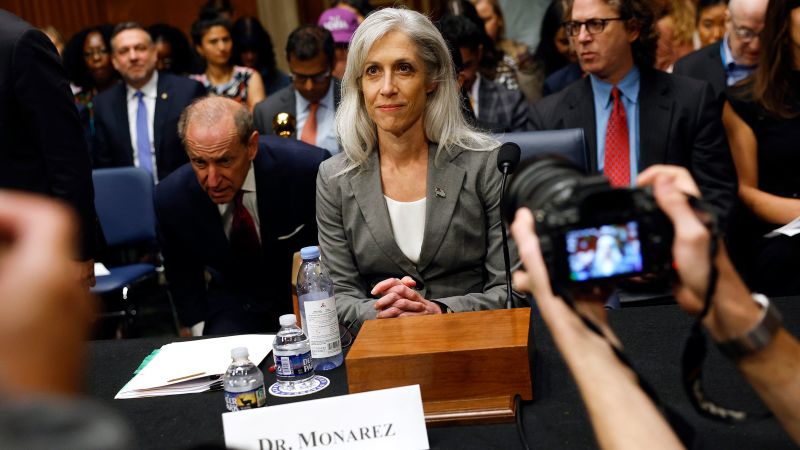
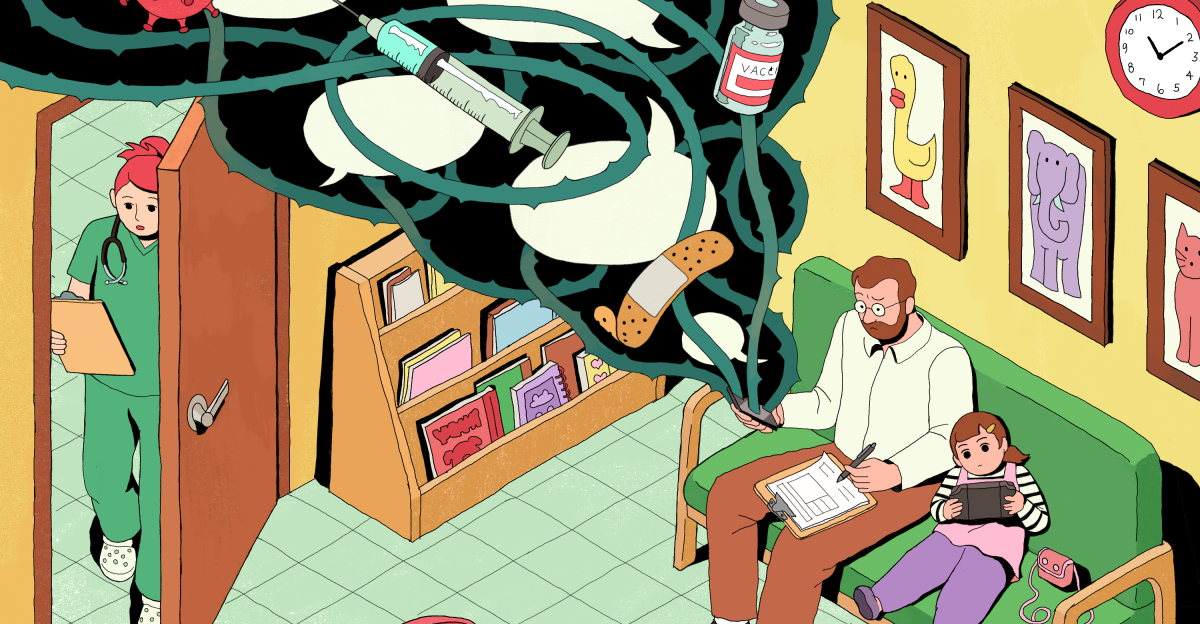
A US CDC vaccine advisory committee is set to meet and potentially make significant changes to the childhood vaccine schedule, amid controversy over new members appointed by vaccine skeptic Robert F. Kennedy Jr. The meeting will focus on COVID-19 vaccine recommendations, hepatitis B vaccination policies, and other immunization issues, with concerns about politicization and scientific integrity influencing the process.
The article discusses the recent changes and uncertainties in vaccine guidance in the US, especially regarding COVID-19 vaccines for children and pregnant women, highlighting the importance of consulting trusted healthcare providers and staying informed through official sources to navigate the evolving landscape of vaccine recommendations and coverage.
Seniors across the U.S. are facing difficulties in obtaining COVID-19 vaccines due to new policies requiring prescriptions and increased regulation, amid rising cases and confusion over federal guidance, leading to frustration and potential impacts on vaccination rates.
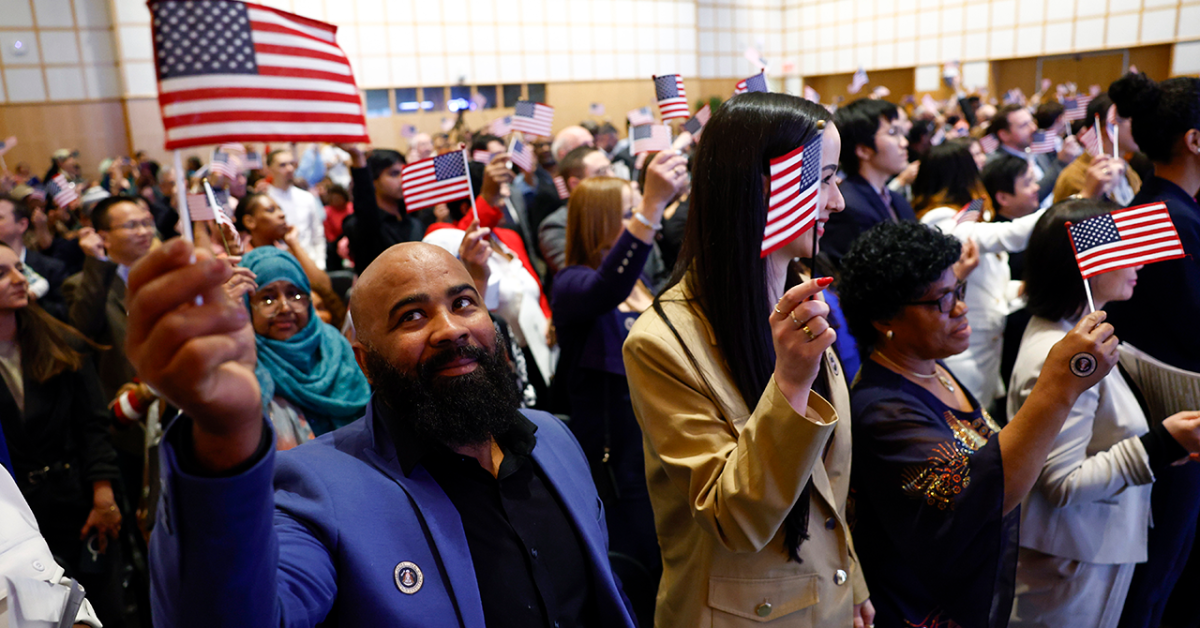
The US immigrant population has decreased for the first time since the 1960s, dropping from 53.3 million to 51.9 million, influenced by stricter immigration policies under the Trump administration and recent changes during the Biden administration. Despite this decline, the US still hosts the largest immigrant population globally, with notable shifts in the origins of new immigrants and a record high unauthorized population of 14 million in 2023, which is now beginning to decline due to increased deportations and policy changes.
The US immigrant population peaked at 53.3 million in early 2025 but has since declined to 51.9 million due to increased deportations and policy restrictions, marking the first decrease since the 1960s. Most immigrants originate from Latin America and Asia, with Mexico being the largest source. Recent policy shifts, including restrictions on asylum and deportation enforcement, have contributed to the decline, especially among unauthorized immigrants. Despite the decrease, the US remains the country with the largest immigrant population globally.