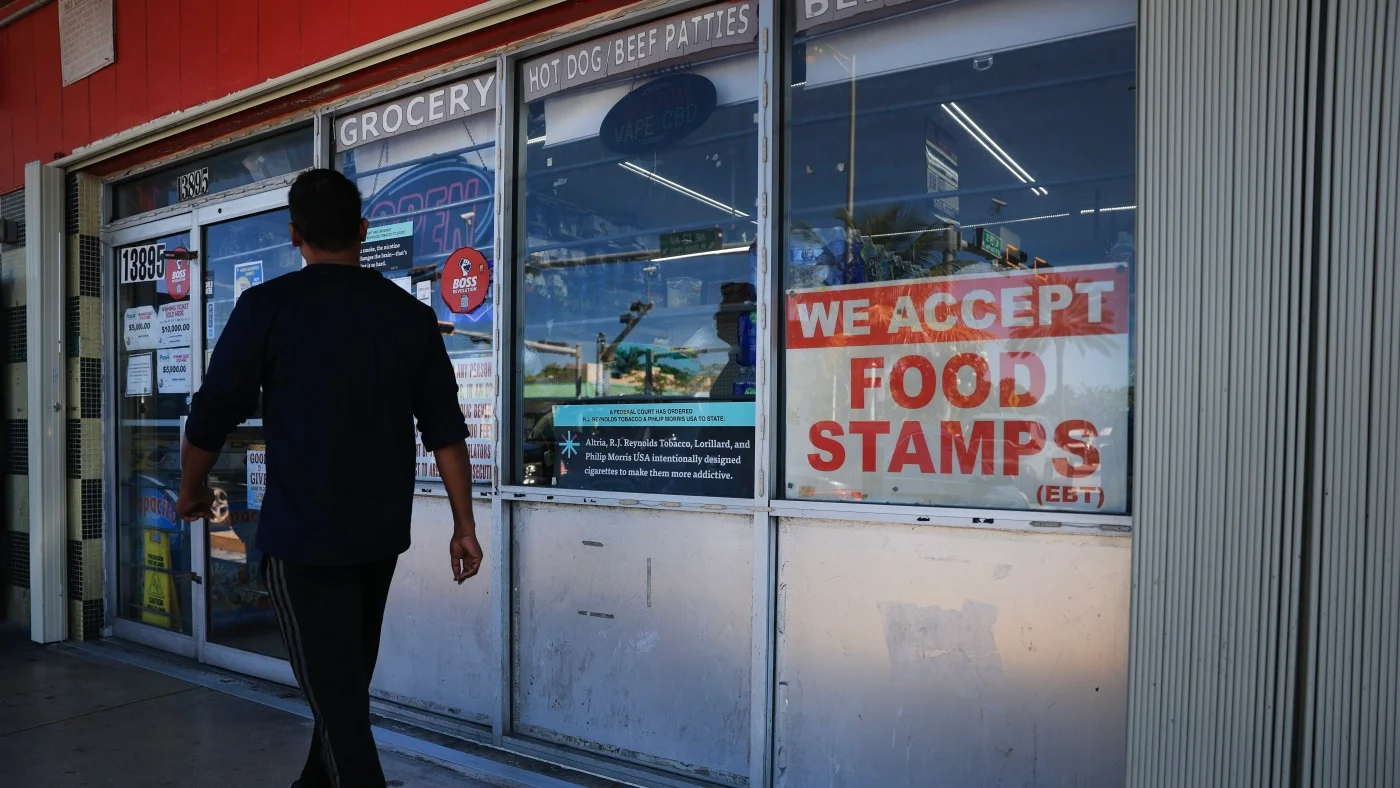
The USDA, led by Agriculture Secretary Brooke Rollins, plans significant reforms to the SNAP program, citing alleged fraud and misuse, amid ongoing debates over benefit eligibility and recent deep cuts. Critics argue the claims of widespread fraud are overstated and that the proposed changes could harm vulnerable populations, with some uncertainty about the specifics of the new policies and data supporting the claims. The administration is also considering narrowing eligibility rules, which could result in millions losing benefits.
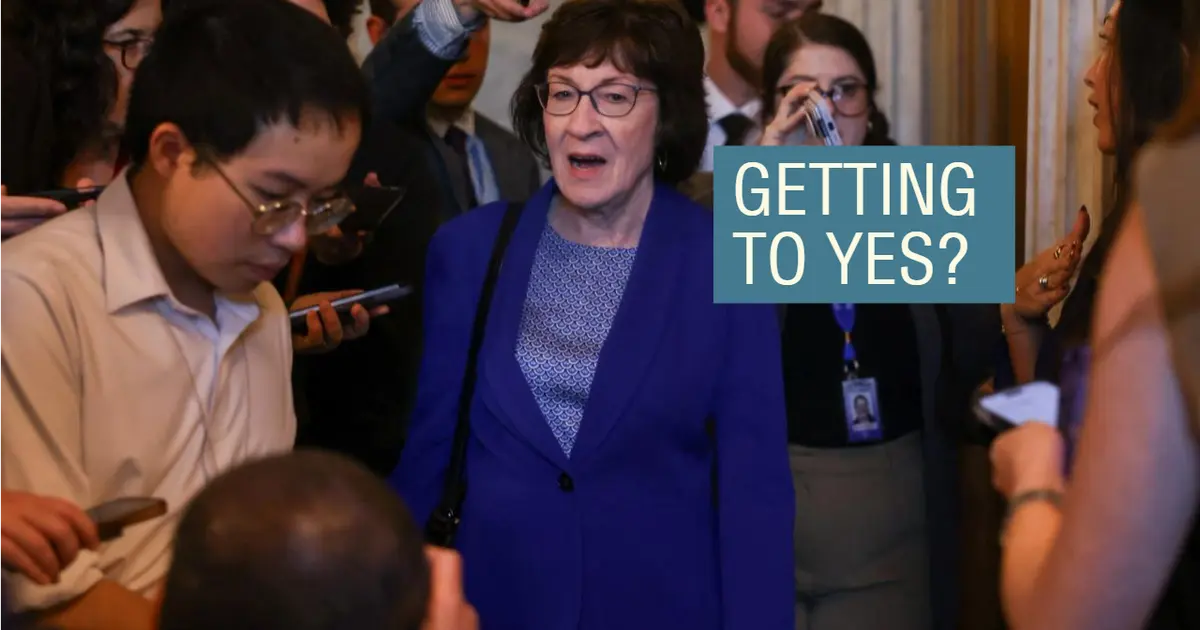
The US government shutdown may end next week as benefit cuts and political negotiations influence the timeline, with senators discussing long-term spending solutions amid upcoming elections and ongoing debates over government funding and policy strategies.
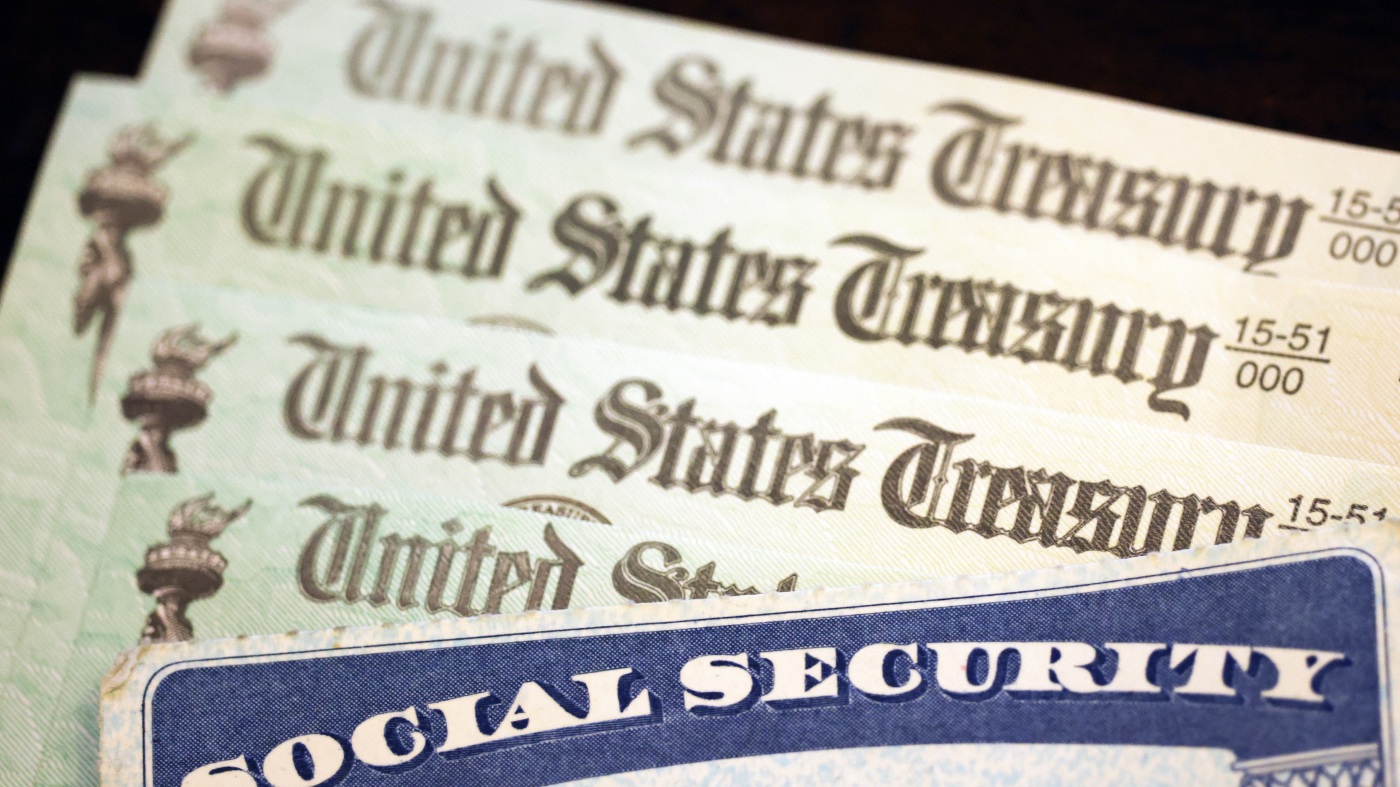
Social Security benefits are projected to face up to 23% cuts in seven years, partly due to President Trump's tax law which reduces taxable income and accelerates the program's financial shortfall, compounded by demographic shifts like aging baby boomers, increased longevity, and lower birth rates, making urgent reform necessary.
The Social Security program's trust fund is projected to be depleted by 2033, potentially leading to a 23% cut in benefits if Congress does not act, which could significantly increase senior poverty rates; urgent legislative measures are needed to address the funding shortfall.
Retirees face an estimated 24% reduction in Social Security benefits by 2032, potentially cutting $18,000 annually for couples, due to the depletion of the trust fund and recent legislative changes, which could significantly increase senior poverty and reduce healthcare access unless Congress intervenes.
The article reports that over 360,000 Illinois residents will lose food assistance benefits due to new federal law signed by President Trump, which shifts financial burdens to states and introduces stricter work requirements for SNAP recipients, potentially increasing hunger and straining local food programs.
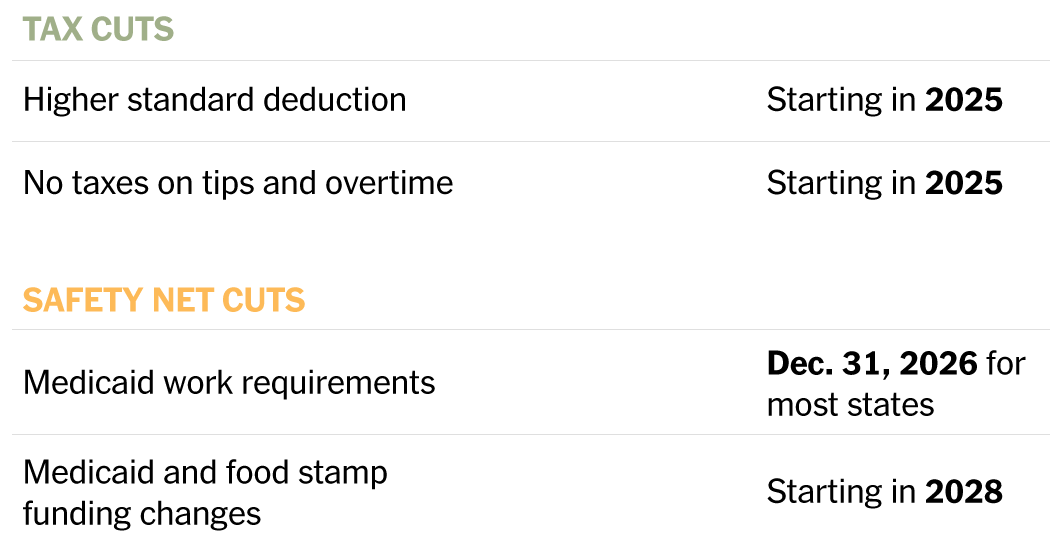
The Republican megabill delays significant benefit cuts until after the 2026 midterm elections, while providing early tax breaks mainly benefiting the wealthy, with the bill passing the Senate and awaiting final approval in the House.
Millions of Social Security recipients are experiencing smaller or no payments in July due to the SSA's efforts to recover alleged overpayments, which has caused confusion and hardship. The agency is offsetting payments to recoup past overpayments, especially affecting SSI and SSDI beneficiaries, with some seeing up to 50% reductions. Recipients can appeal or request waivers, but the process is complex. This crackdown is part of broader efforts to address trust fund shortfalls, raising concerns about the impact on vulnerable populations.
Social Security faces a looming insolvency within eight years, with potential benefit cuts of up to 23% if Congress does not intervene. Demographic shifts, income inequality, and recent legislative changes have worsened its financial outlook. Despite the threat of future cuts, seniors are advised to delay claiming benefits to maximize their payouts, as the program remains a crucial source of retirement income.
Social Security faces a significant funding shortfall that could lead to a 23% reduction in benefits within eight years if Congress does not take action to bolster the program, which is projected to run out of funds by 2033. The shortfall is driven by demographic shifts, lower birthrates, and policy changes, with policymakers urged to implement phased reforms to ensure long-term sustainability.
A report warns that the Social Security trust fund will be depleted in eight years, leading to automatic benefit cuts of 23% unless Congress intervenes by raising taxes or cutting benefits, amid demographic shifts and increased early withdrawals.
The White House budget director dismissed fears that proposed benefit cuts in a US spending bill could lead to deaths, despite concerns from advocacy groups and politicians about the potential hardships and health impacts, including hospital closures and increased poverty.
Over 500,000 US seniors face potential benefit cuts starting June due to unpaid student loans, with up to 15% of their Social Security payments being deducted through the Treasury Offset Program, affecting nearly 2.9 million seniors, many of whom are already struggling financially.
Social Security benefits may face a 17% cut by 2035 due to trust fund depletion, potentially reducing the average monthly benefit by $405. To mitigate this, individuals should start saving and investing now to build a retirement nest egg, aiming to supplement the potential shortfall in Social Security income.
A report indicates that millennials will bear the brunt of fixing Social Security, facing potential tax hikes or benefit cuts as the program's trust fund reserves are projected to be depleted by 2035. Delays in addressing the shortfall mean that boomers and Gen Xers will likely avoid these financial burdens, leaving millennials and subsequent generations to cover the costs. Millennials, already behind in retirement savings due to student debt, are increasingly concerned about the future of Social Security.