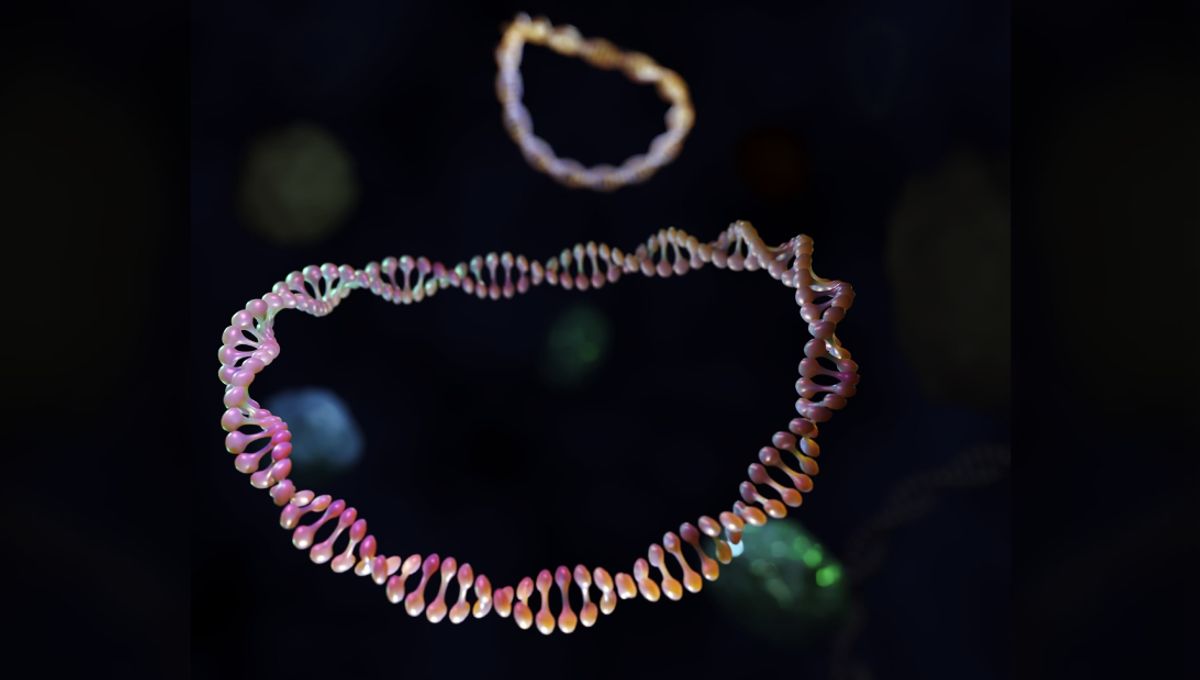
Scientists have discovered a new organelle called the exclusome within mammalian cells. The exclusome is made up of DNA rings called plasmids, which are usually found in bacteria and other microscopic organisms. It is believed that the exclusome may play a role in autoimmune disease and could provide insights into the evolution of nuclei in eukaryotic cells. The presence of plasmids in the exclusome suggests that cells can identify and remove foreign or unnecessary DNA from the nucleus, potentially protecting the cell's genetic integrity. Further research is needed to fully understand the functions and implications of this newly discovered organelle.
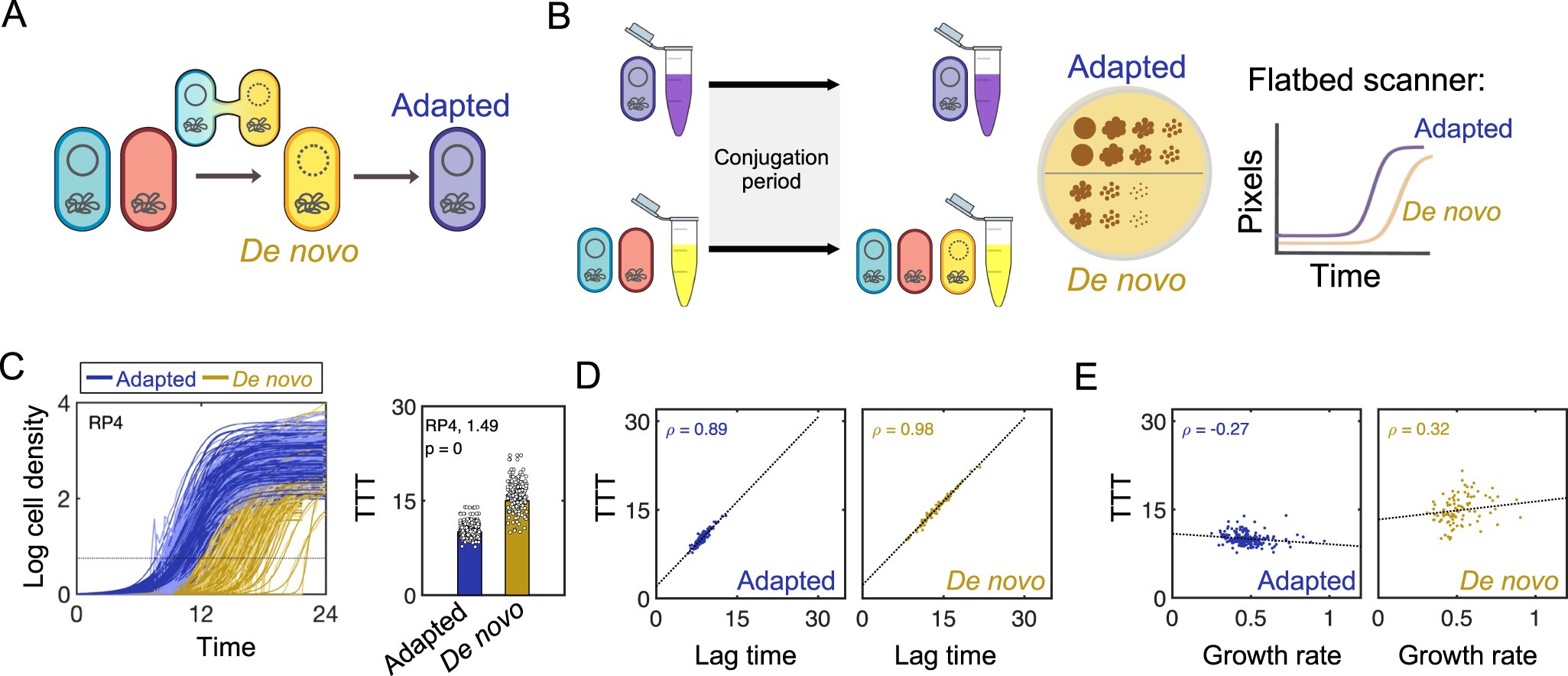
Scientists have discovered a surprising tradeoff in the spread of antibiotic-resistant genes through plasmids in bacteria. Contrary to common belief, plasmids that allow bacteria to grow faster do not necessarily spread more easily. A study found that intermediate-cost plasmids outcompete both low and high-cost counterparts, indicating that acquisition costs manifest as a delay rather than a growth rate. Understanding the factors that control plasmid acquisition costs could help limit the spread of antibiotic resistance and potentially utilize plasmids for beneficial purposes. Further research will investigate the genetic and environmental conditions that favor horizontal gene transfer.
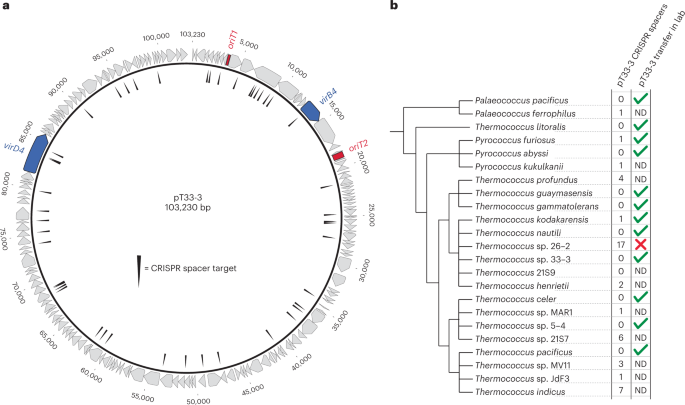
Researchers have discovered a self-transmissible plasmid from a hyperthermophile that can facilitate genetic modification of diverse Archaea. Plasmids are small, circular pieces of DNA that can replicate independently of the host genome and can carry genes that confer advantageous traits such as antibiotic resistance. The plasmid, named pTN1, was found in Thermococcus nautili, a hyperthermophilic archaeon isolated from a deep-sea hydrothermal vent. The discovery of pTN1 could lead to new tools for genetic modification of Archaea, which are important for biotechnology and environmental applications.