Tag

Mammalian Cells

All articles tagged with #mammalian cells

science-and-technology1 year ago

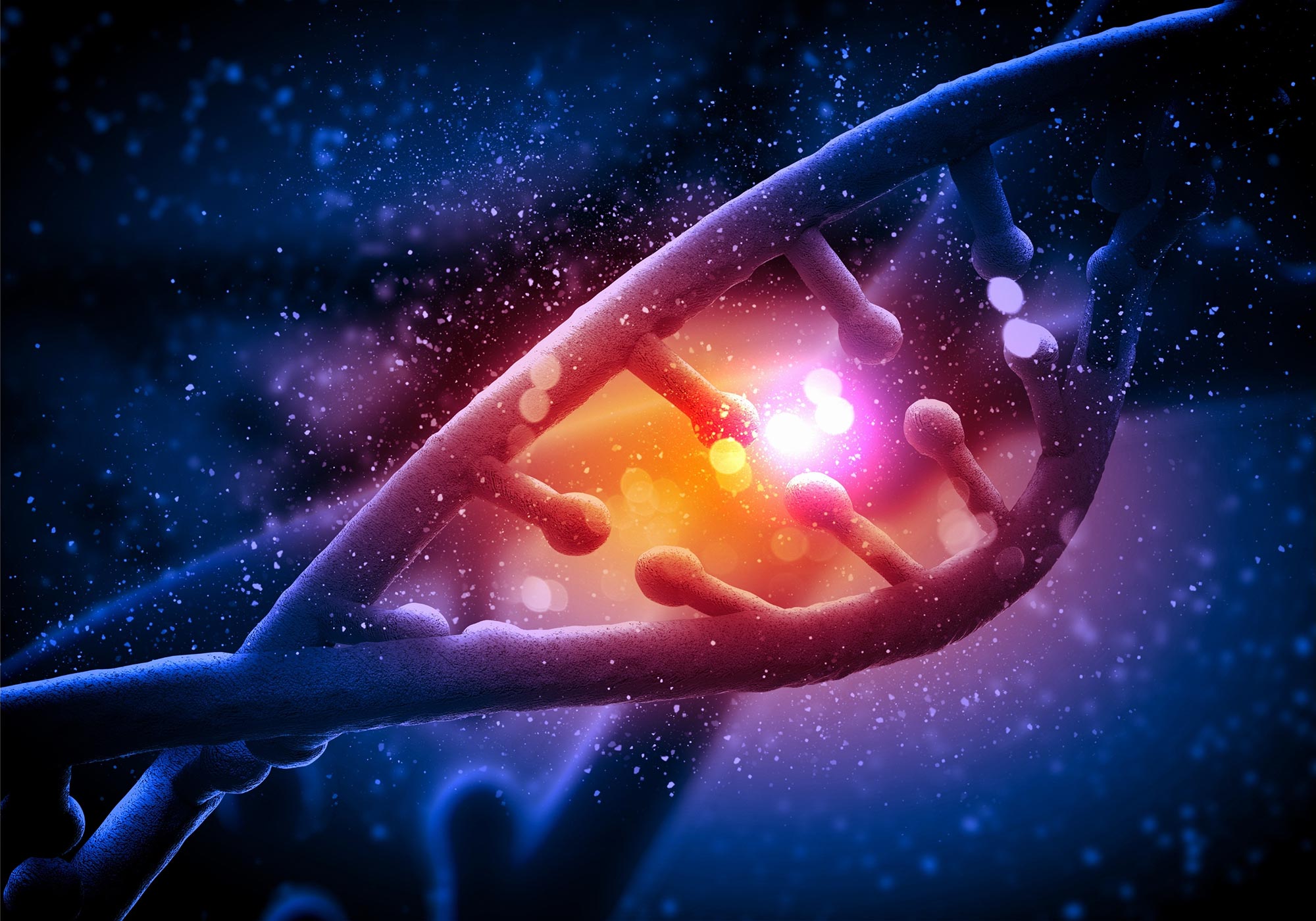
Unraveling the Regulatory Activity of DNA Across Species

New research reveals that while yeast cells actively transcribe nearly all genes, mammalian cells naturally repress transcription, challenging our understanding of genetic transcription across species. The study involved inserting a synthetic gene in reverse order into yeast and mouse stem cells, uncovering significant differences in transcription activity. Understanding these default transcription differences across species could guide genetic engineering efforts and help in the discovery of new genes.

science2 years ago

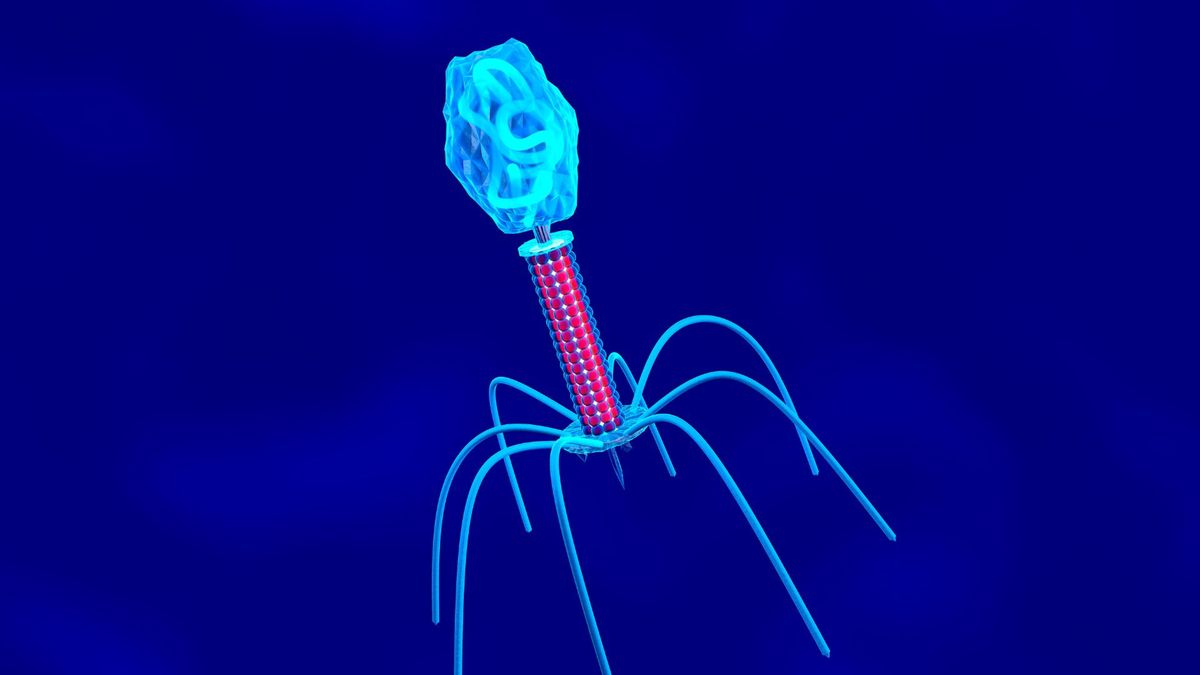
Viruses: Unexpected Allies in Mammal Cell Health

A new study reveals that a type of bacteriophage, a virus that infects and kills bacteria, found in the human gut can help mammal cells grow and thrive, suggesting a potential symbiotic relationship. This surprising finding could have implications for future research, including phage therapy to treat antibiotic-resistant infections. The study also highlights the need for further investigation into the interactions between phages and mammalian cells, as well as their potential impacts on human health, particularly in the gut microbiome.

science2 years ago

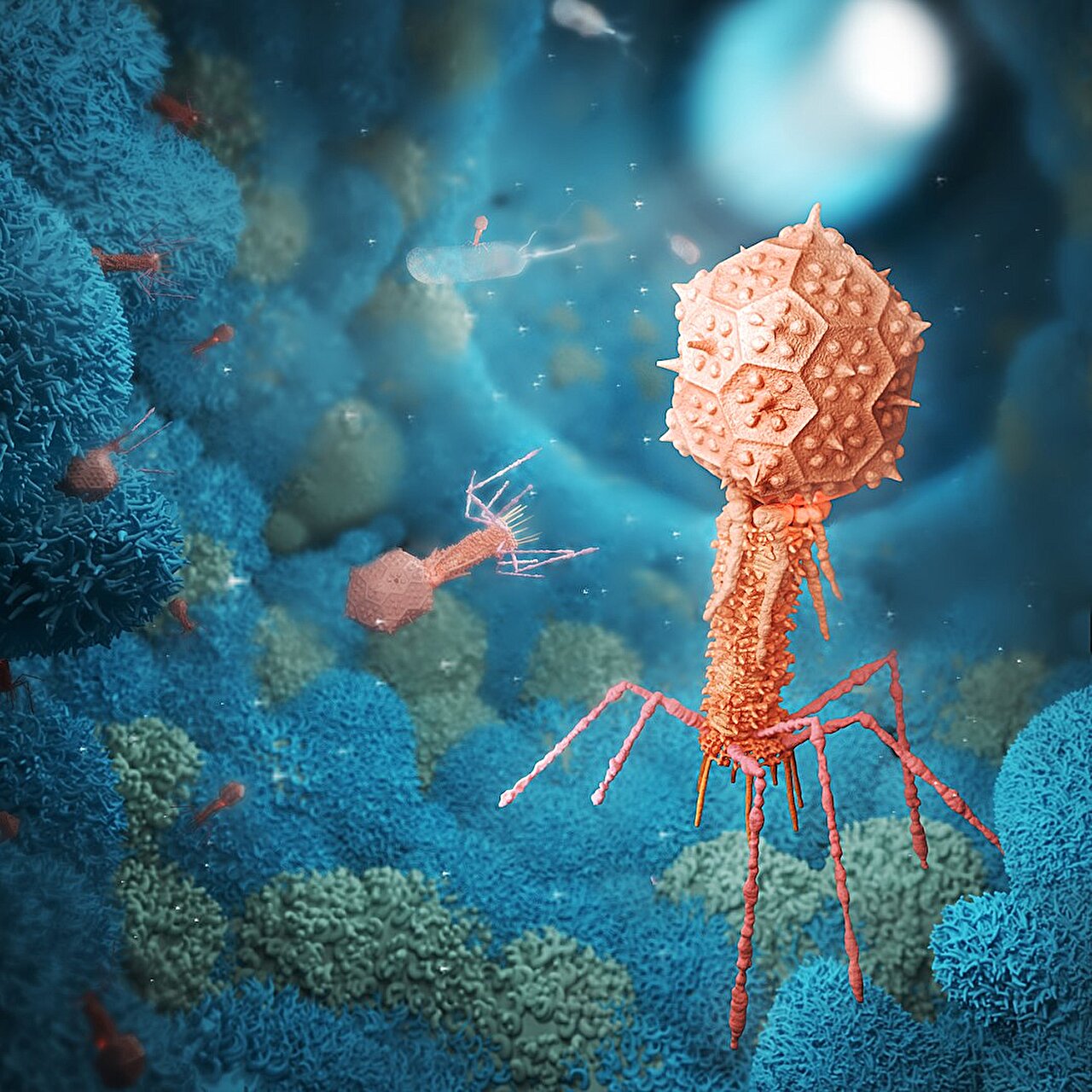
Cells' Surprising Diet: Bacteria-Killing Viruses for Health Boost

A study published in PLOS Biology suggests that mammalian cells may internalize bacteriophages (viruses that kill bacteria) as a resource to promote cellular growth and survival. Researchers found that the phages triggered signaling pathway events that promote cellular growth and survival without activating DNA-mediated inflammatory pathways. Further studies are needed to understand why cells use phage particles as resources and whether they have evolved to benefit from this internalization. This research provides insights into the potential benefits of bacteriophages on mammalian hosts and has implications for fields such as immunology, phage therapy, microbiome, and human health.

science2 years ago

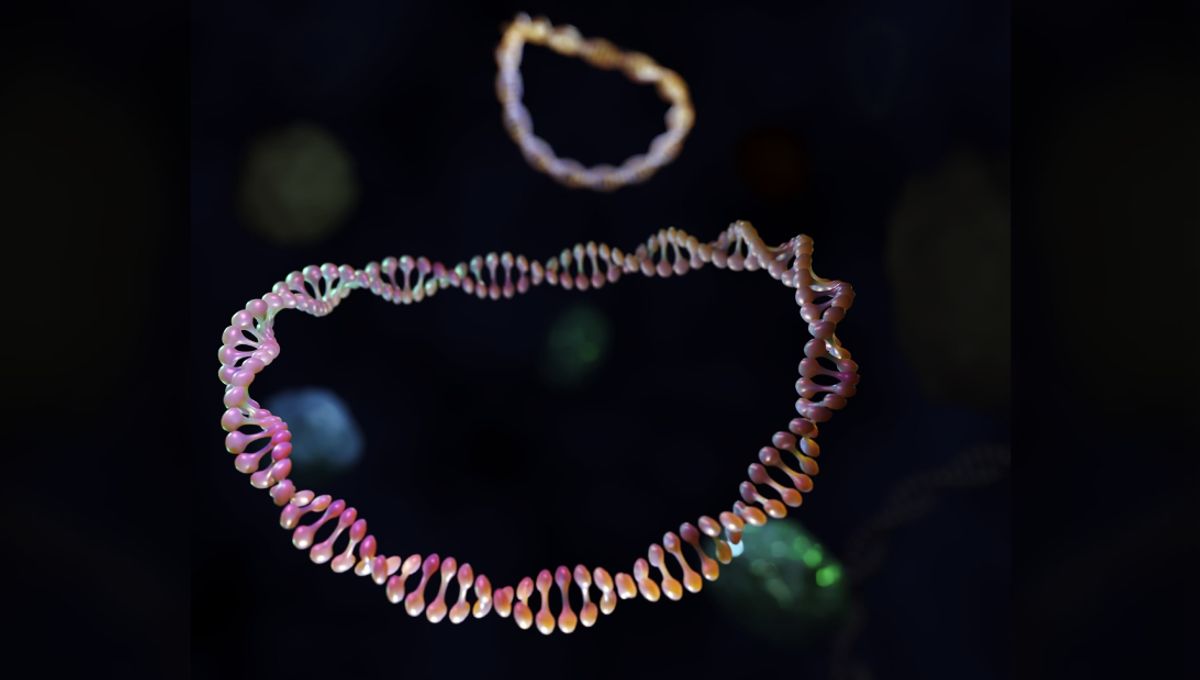
Discovery of a DNA-based organelle in mammalian cells revolutionizes cell biology

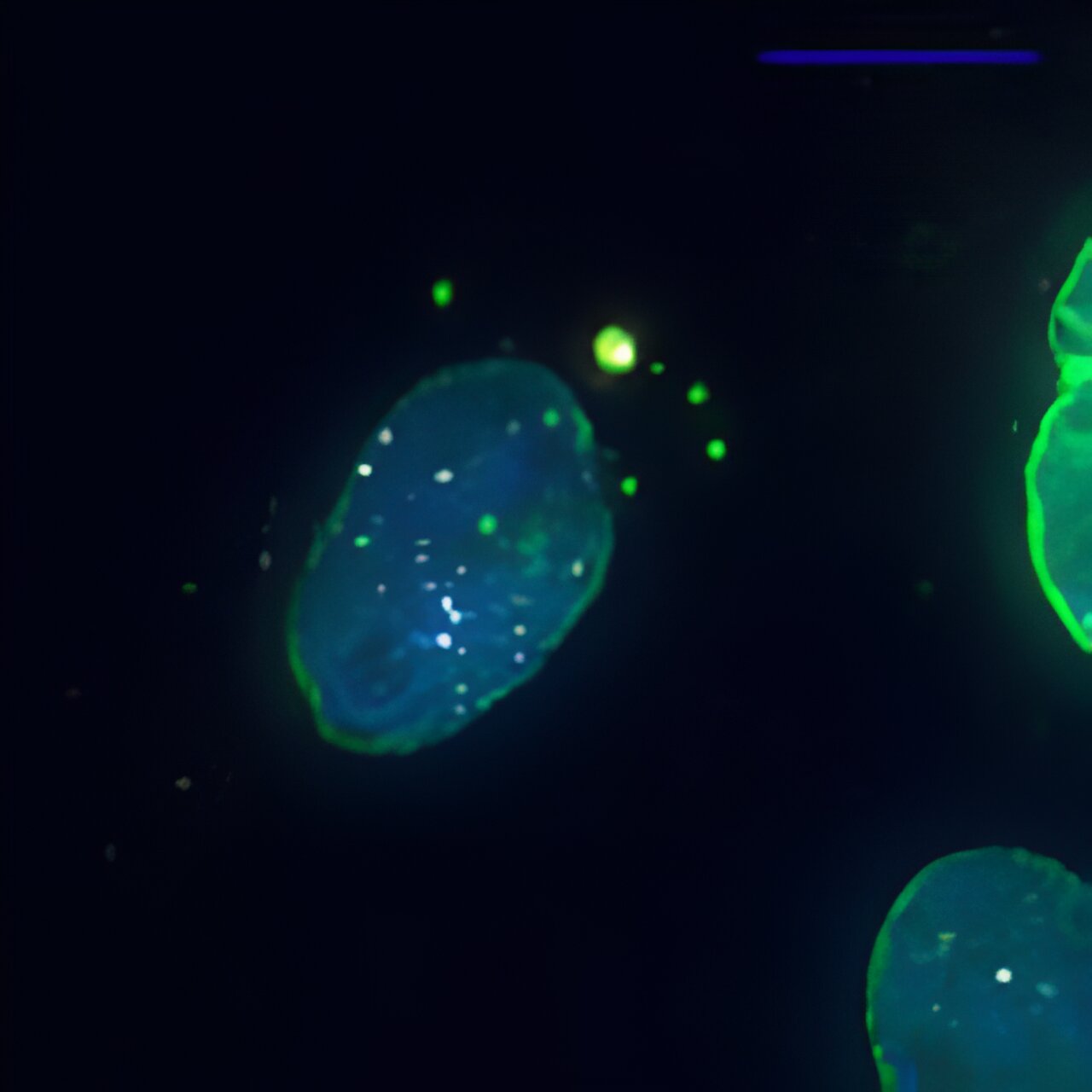
Scientists have discovered a new organelle called the exclusome within mammalian cells. The exclusome is made up of DNA rings called plasmids, which are usually found in bacteria and other microscopic organisms. It is believed that the exclusome may play a role in autoimmune disease and could provide insights into the evolution of nuclei in eukaryotic cells. The presence of plasmids in the exclusome suggests that cells can identify and remove foreign or unnecessary DNA from the nucleus, potentially protecting the cell's genetic integrity. Further research is needed to fully understand the functions and implications of this newly discovered organelle.

science2 years ago

Discovery of a DNA-Ring Organelle in Mammalian Cells

Cell biologists at ETH Zurich have discovered a new compartment in mammalian cells called the exclusome, which is made up of DNA rings known as plasmids. This compartment, located in the cell plasma, is distinct from the cell nucleus where most DNA is typically found. The researchers believe that the exclusome may play a role in cellular immunological memory and could potentially trigger autoimmune responses. They also suggest that the exclusome may be a remnant of early evolution when eukaryotic cells emerged. Further research is needed to understand the functions and characteristics of this newly discovered organelle.