Tag

Gene Transfer

All articles tagged with #gene transfer

science2 years ago

"Bacterial Gene Spread Takes Unexpected Turn, Scientists Find"

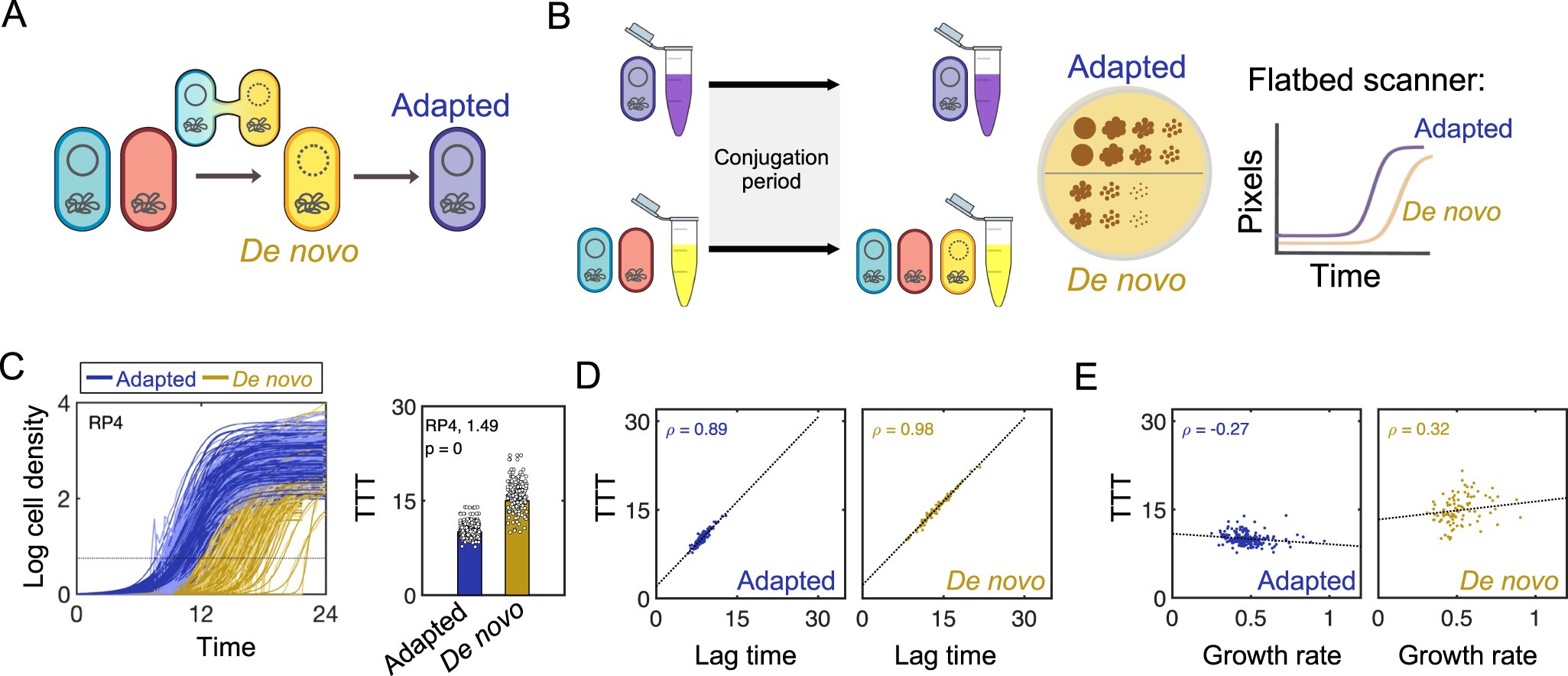
Scientists have discovered a surprising tradeoff in the spread of antibiotic-resistant genes through plasmids in bacteria. Contrary to common belief, plasmids that allow bacteria to grow faster do not necessarily spread more easily. A study found that intermediate-cost plasmids outcompete both low and high-cost counterparts, indicating that acquisition costs manifest as a delay rather than a growth rate. Understanding the factors that control plasmid acquisition costs could help limit the spread of antibiotic resistance and potentially utilize plasmids for beneficial purposes. Further research will investigate the genetic and environmental conditions that favor horizontal gene transfer.

science-and-technology2 years ago

Scientists Discover Promising Gene Transfer Technique for Extending Lifespan and Preventing Cancer

Scientists at the University of Rochester have successfully transferred a longevity gene from naked mole rats to mice, resulting in improved health and an approximate 4.4 percent increase in the median lifespan for the mice. Naked mole rats, known for their resistance to age-related diseases, produce high molecular weight hyaluronic acid (HMW-HA), which when introduced to mice, demonstrated potential anti-aging benefits. This breakthrough paves the way for potential advancements in extending human lifespan and improving health by understanding the unique mechanisms of aging and disease resistance in naked mole rats.

science2 years ago

Bacterial genes may have played a role in the development of vertebrate eyes.

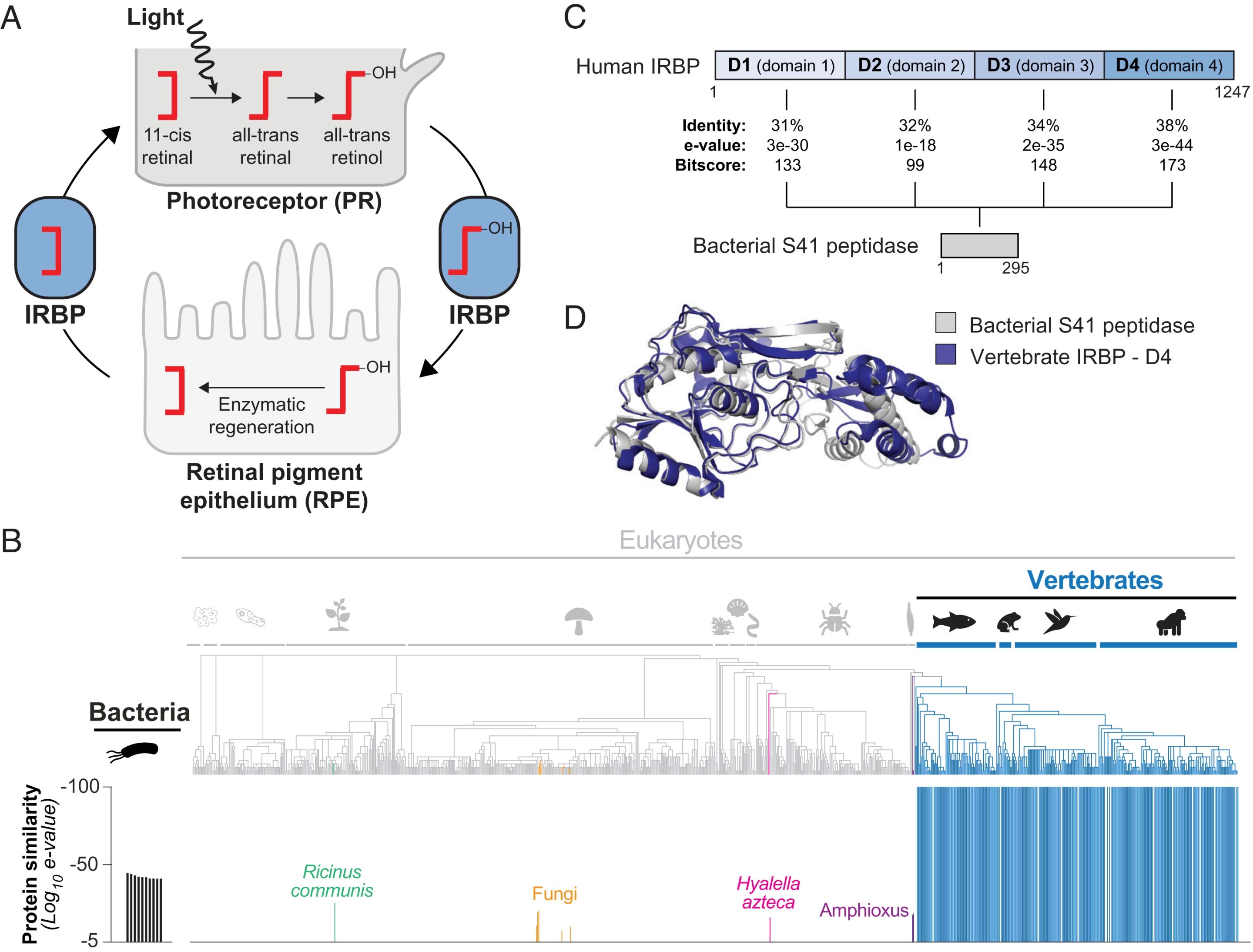
Researchers at the University of California, San Diego, have found possible evidence of interdomain horizontal gene transfer leading to the development of the eye in vertebrates. The team used the IQ-TREE software program to trace the evolutionary history of genes associated with vision and found a promising candidate, a gene called IRBP, which is found in microbes and is an essential component of vision in all vertebrates. The researchers suggest that the IRBP gene may have been transferred from a microbe over 500 million years ago to an ancient vertebrate, leading to the development of light sensitivity and over time, to organs such as eyeballs.

science2 years ago

"Creating Virus-Proof Bacteria with Swapped Genetic Code"

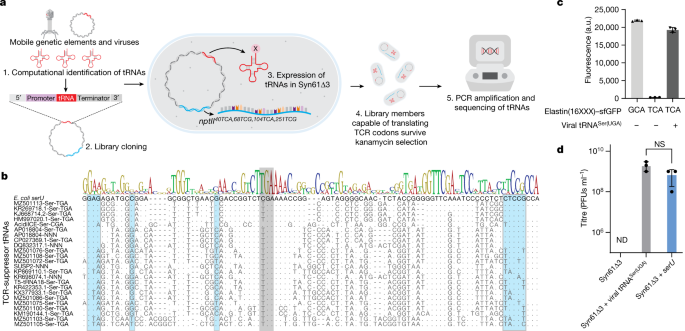
Scientists have created a swapped genetic code that prevents viral infections and gene transfer. The researchers swapped out one of the 64 codons in the genetic code of E. coli with a new codon that codes for a different amino acid. This change made it difficult for viruses to infect the bacteria and for genes to be transferred between bacteria. The study suggests that this approach could be used to create biocontainment systems for genetically modified organisms and to prevent viral contamination in biologic manufacturing.