
Tag

Exclusome

All articles tagged with #exclusome

science2 years ago

Unveiling the 'Exclusome': A Cellular Defense Shield for the Genome

Scientists have discovered a new mini-organ in mammal cells called an "exclusome" that traps and encloses free-floating DNA in the cytoplasm, away from the nucleus. This newfound structure may serve as a defense system for the genome and could be a relic from early eukaryotic cells. The exclusome resembles the nucleus in some ways but lacks certain elements. Understanding how cells respond to DNA outside of chromosomes could provide insights into cancer development and autoimmune diseases.
science2 years ago

Discovery of a DNA-based organelle in mammalian cells revolutionizes cell biology

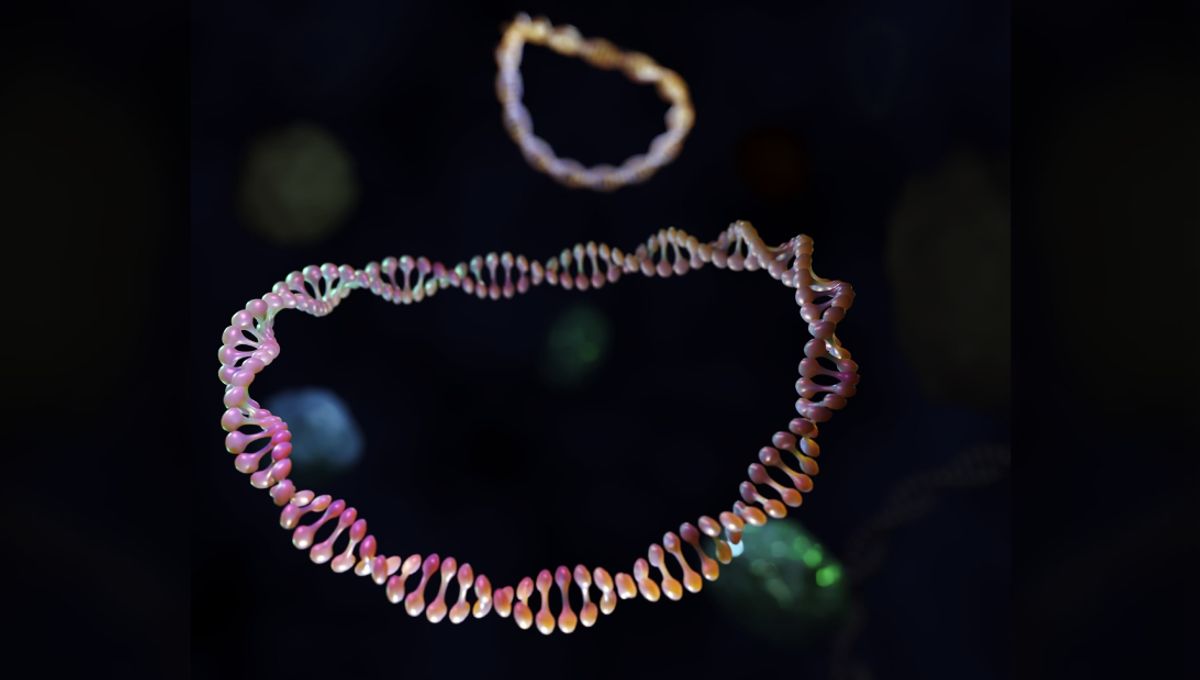
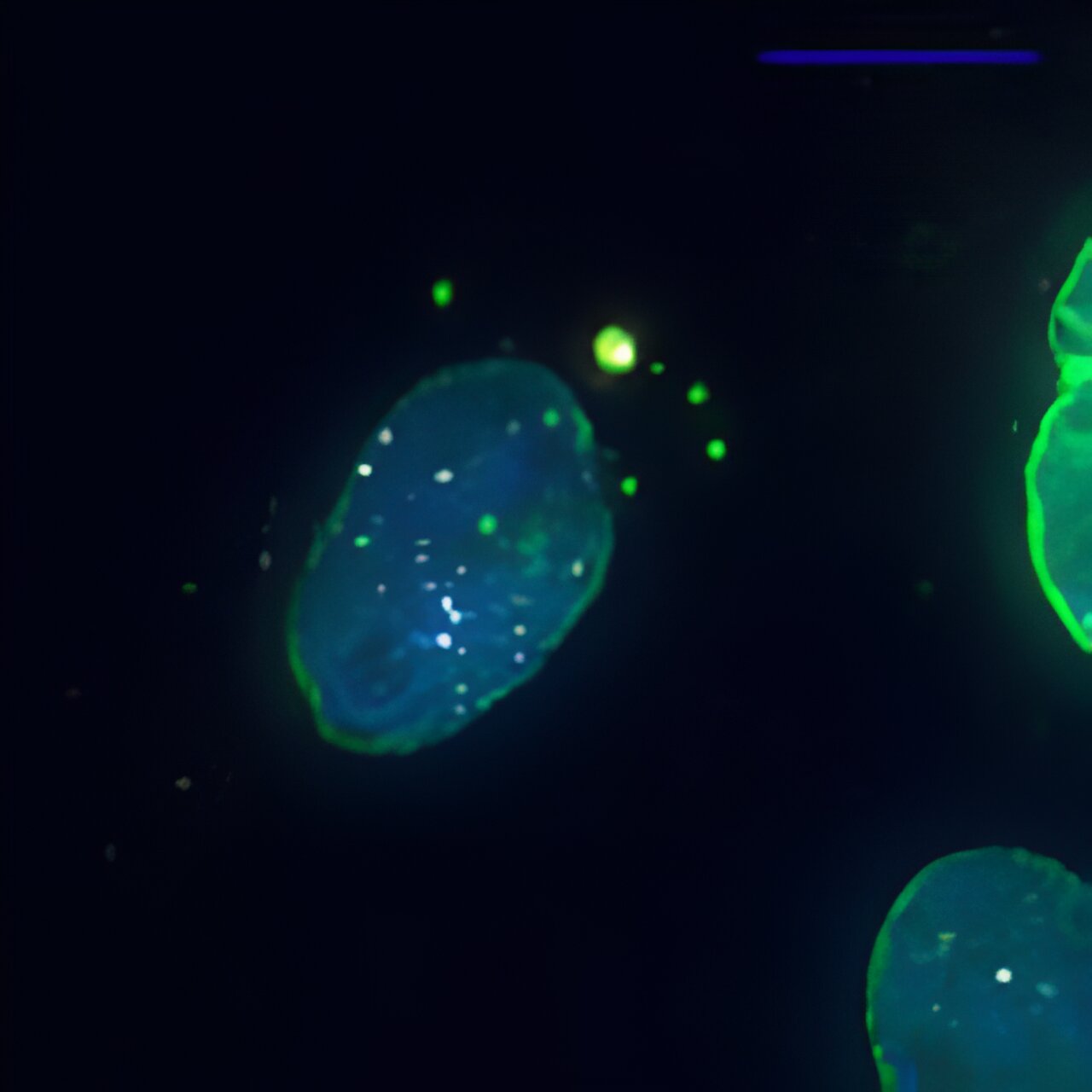
Scientists have discovered a new organelle called the exclusome within mammalian cells. The exclusome is made up of DNA rings called plasmids, which are usually found in bacteria and other microscopic organisms. It is believed that the exclusome may play a role in autoimmune disease and could provide insights into the evolution of nuclei in eukaryotic cells. The presence of plasmids in the exclusome suggests that cells can identify and remove foreign or unnecessary DNA from the nucleus, potentially protecting the cell's genetic integrity. Further research is needed to fully understand the functions and implications of this newly discovered organelle.

science2 years ago

Discovery of a DNA-Ring Organelle in Mammalian Cells

Cell biologists at ETH Zurich have discovered a new compartment in mammalian cells called the exclusome, which is made up of DNA rings known as plasmids. This compartment, located in the cell plasma, is distinct from the cell nucleus where most DNA is typically found. The researchers believe that the exclusome may play a role in cellular immunological memory and could potentially trigger autoimmune responses. They also suggest that the exclusome may be a remnant of early evolution when eukaryotic cells emerged. Further research is needed to understand the functions and characteristics of this newly discovered organelle.