Tag

Photon

All articles tagged with #photon

science1 year ago

Scientists Capture First-Ever Image of a Single Photon

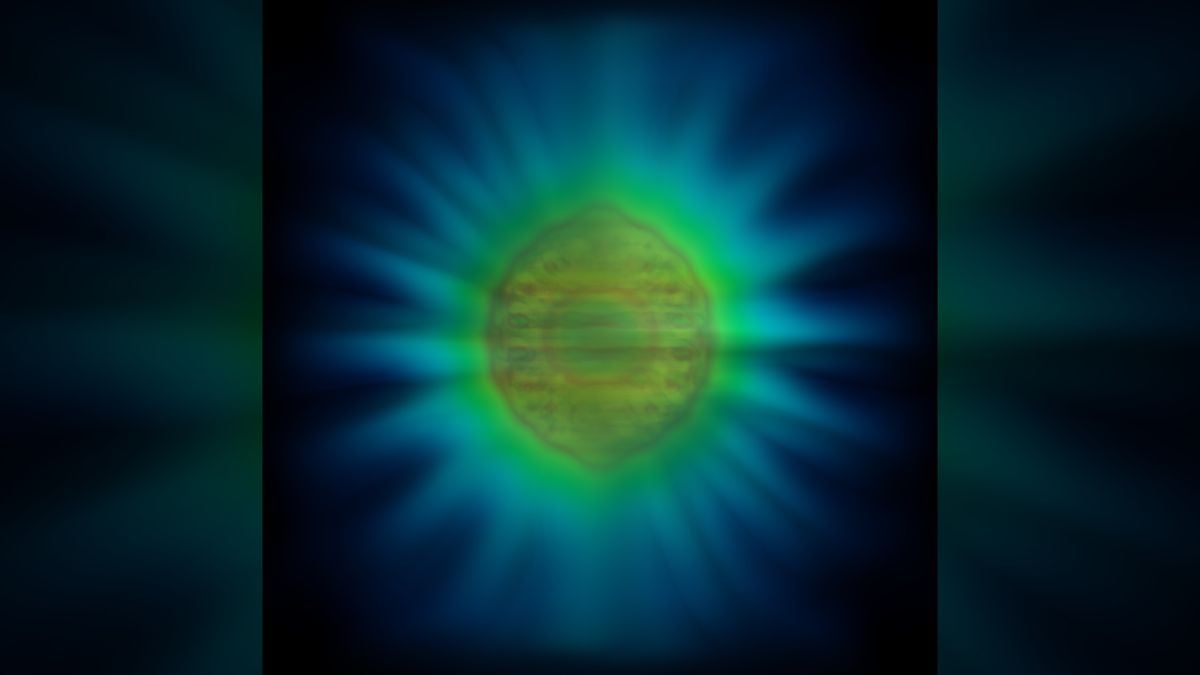
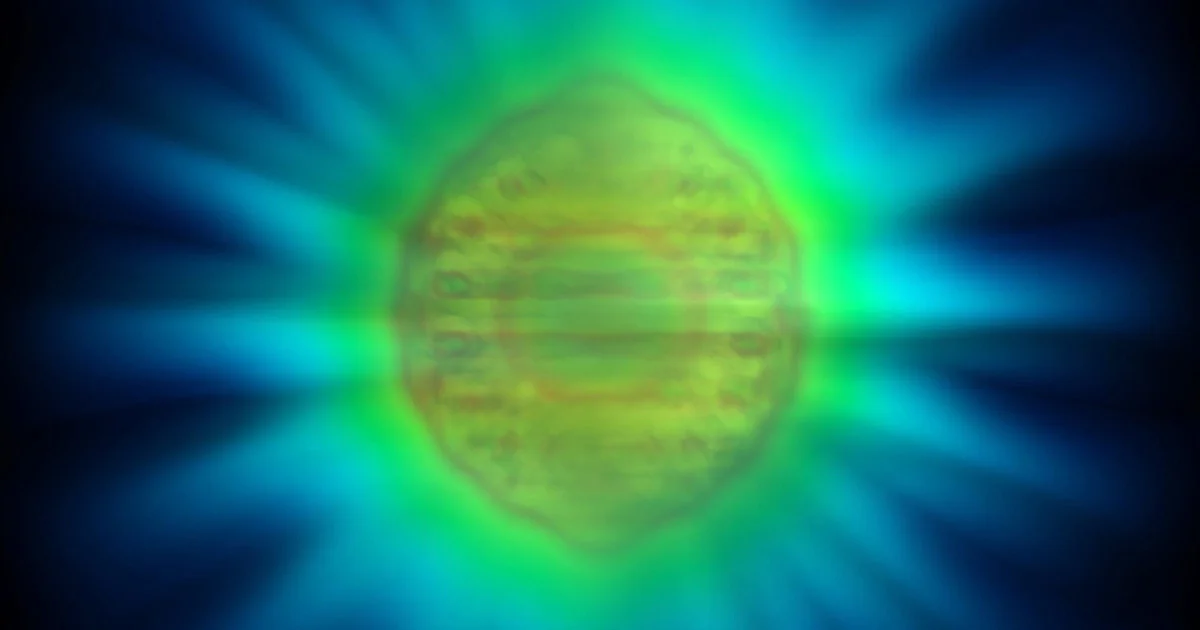
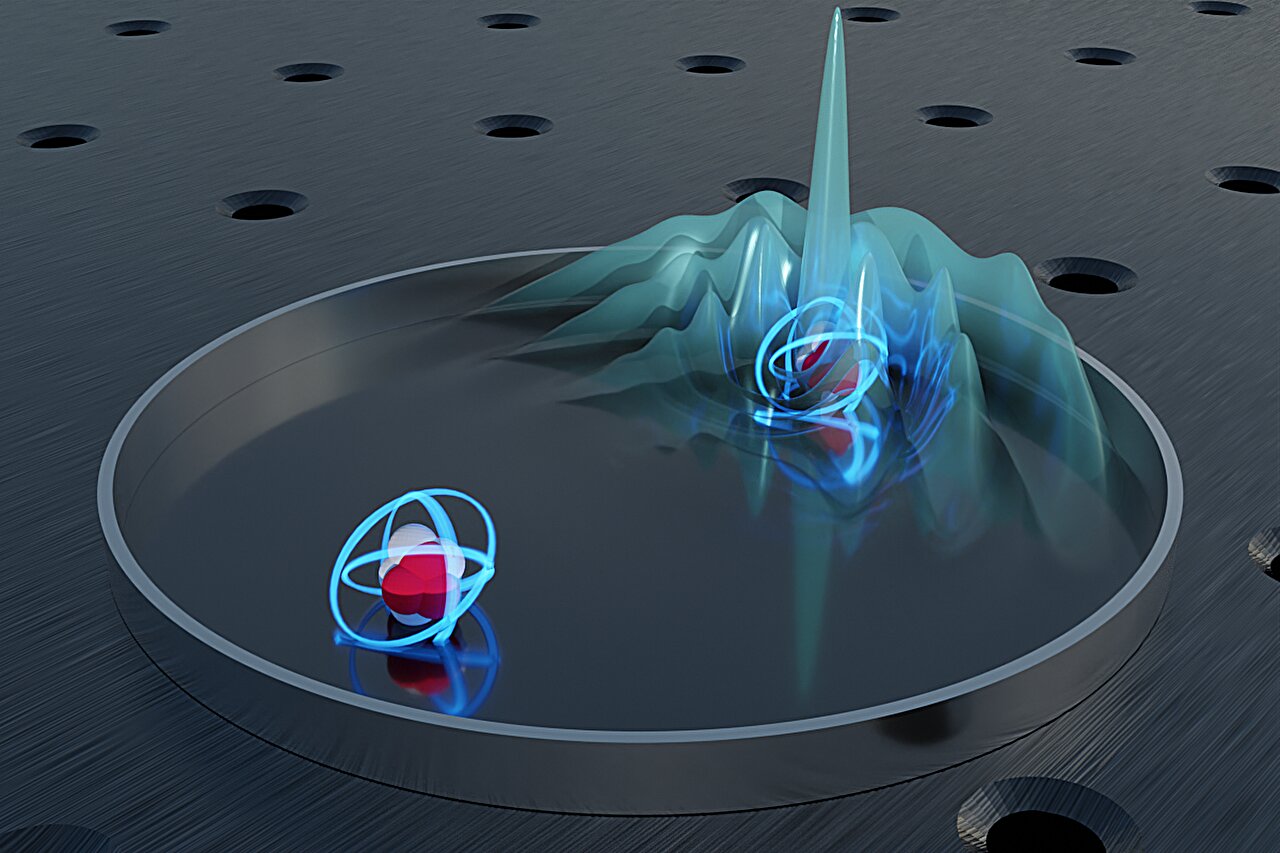
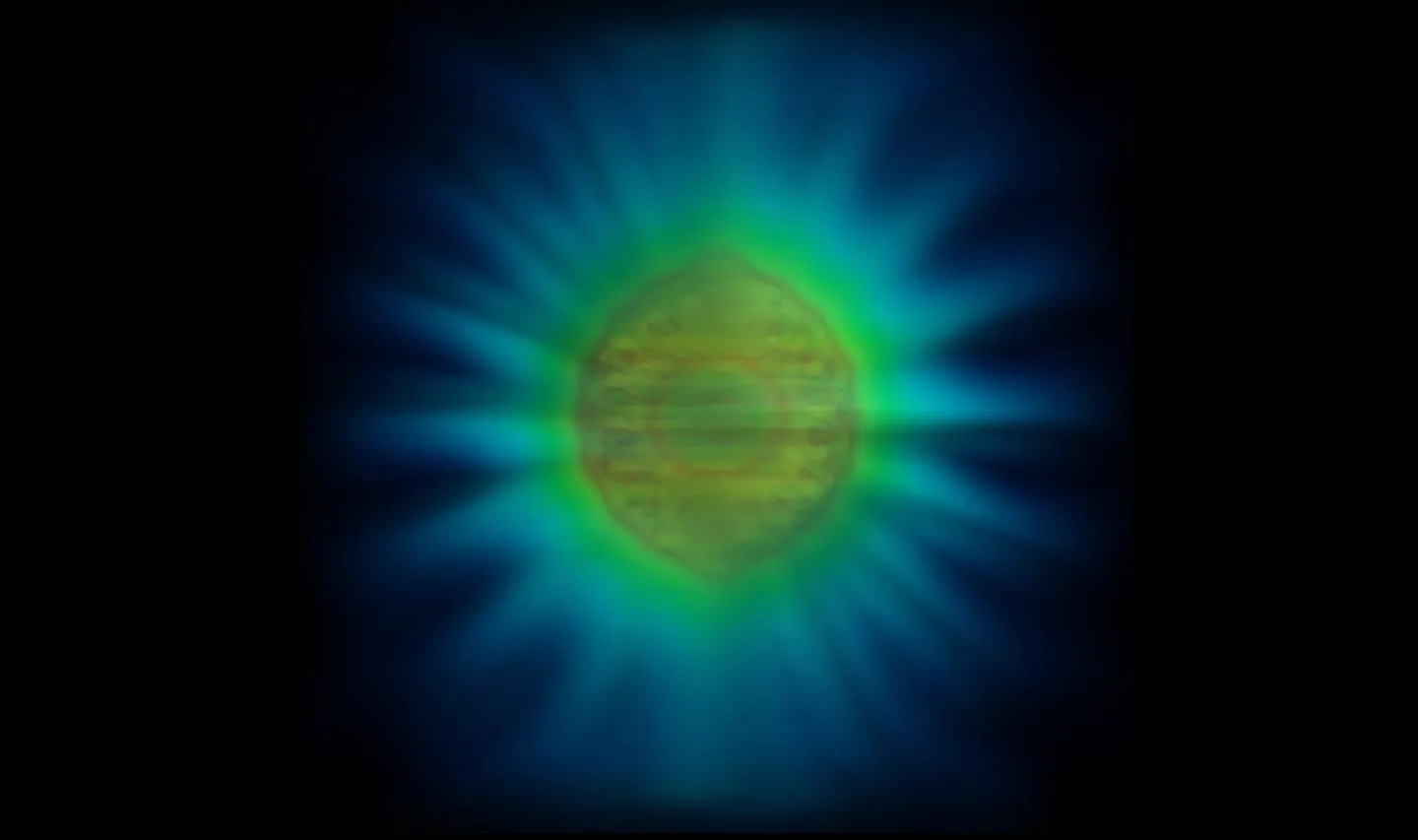
Researchers at the University of Birmingham have captured the first image of an individual photon, revealing it as a lemon-shaped particle. This breakthrough, published in Physical Review Letters, was achieved by simplifying complex equations using imaginary numbers, allowing scientists to model photon properties emitted from nanoparticles. This advancement could significantly impact fields like quantum computing, photovoltaics, and artificial photosynthesis by enhancing our understanding of light-matter interactions at the quantum level.

science1 year ago

Scientists Capture First Image of a Single Photon's Shape

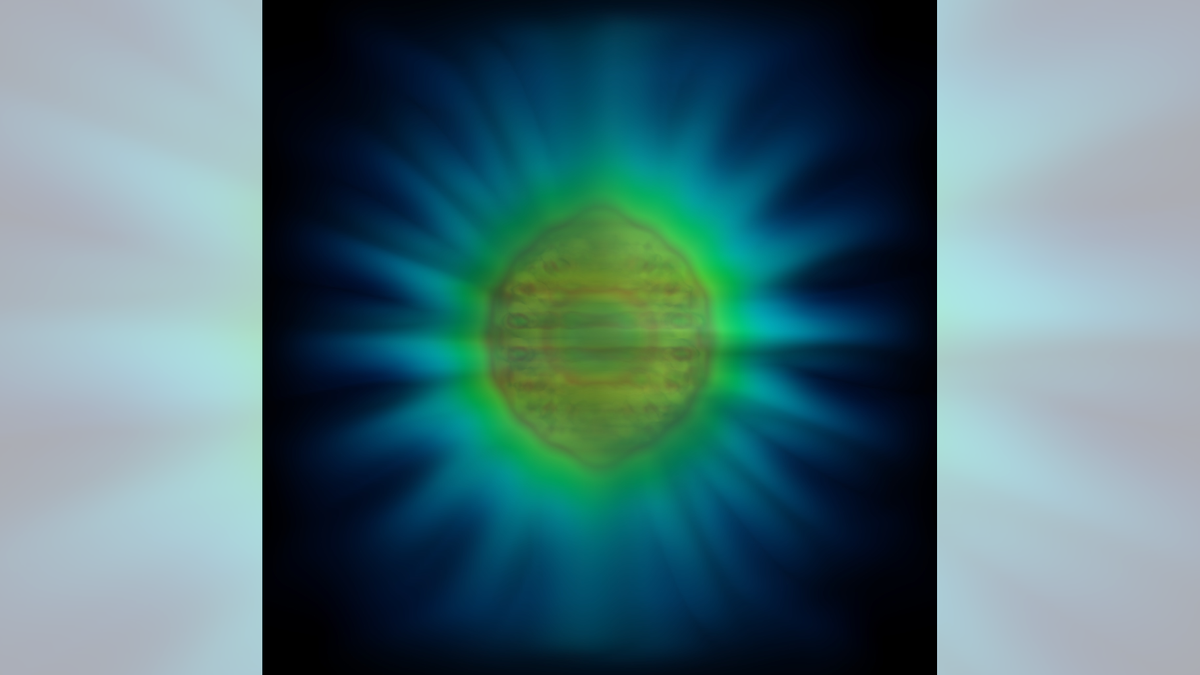
Researchers at the University of Birmingham have captured the first image of an individual photon, revealing it as a lemon-shaped particle. This breakthrough, published in Physical Review Letters, was achieved by simplifying complex equations using imaginary numbers, allowing scientists to model photon properties emitted from nanoparticles. This advancement could significantly impact fields like quantum computing, photovoltaics, and artificial photosynthesis by enhancing our understanding of light's quantum behavior and its interaction with matter.

science1 year ago

Breakthrough: First-Ever Image of a Photon's Shape Unveiled

Physicists in the UK have developed a new model that provides a detailed quantum description of the interaction between light and matter, inadvertently revealing the shape of a photon. This breakthrough, published in Physical Review Letters, offers unprecedented insights into the photon's dual nature and its non-Markovian dynamics, which could enhance future technologies like sensors, photovoltaic cells, and quantum computing.

science1 year ago

Breakthrough: Scientists Unveil the Shape of a Single Photon

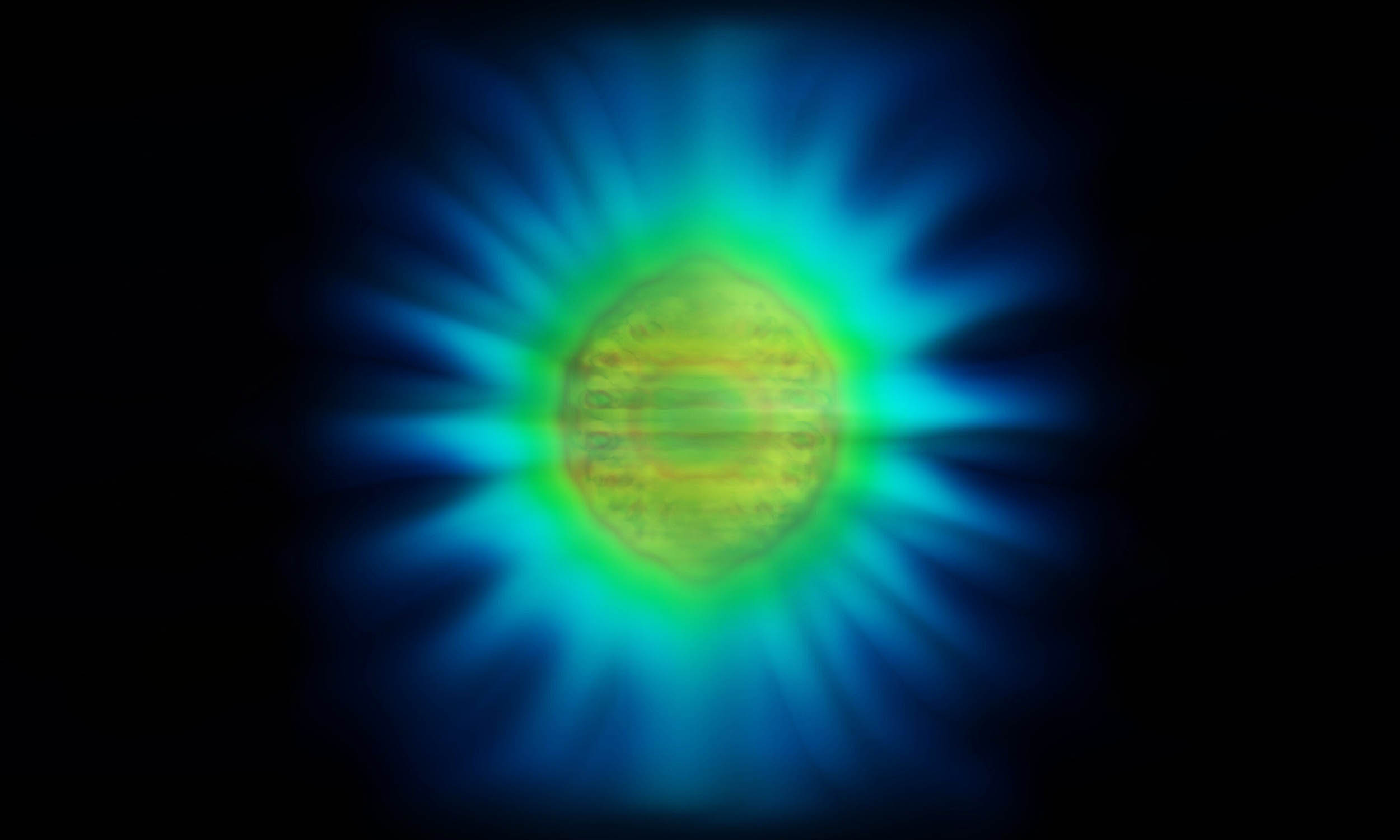
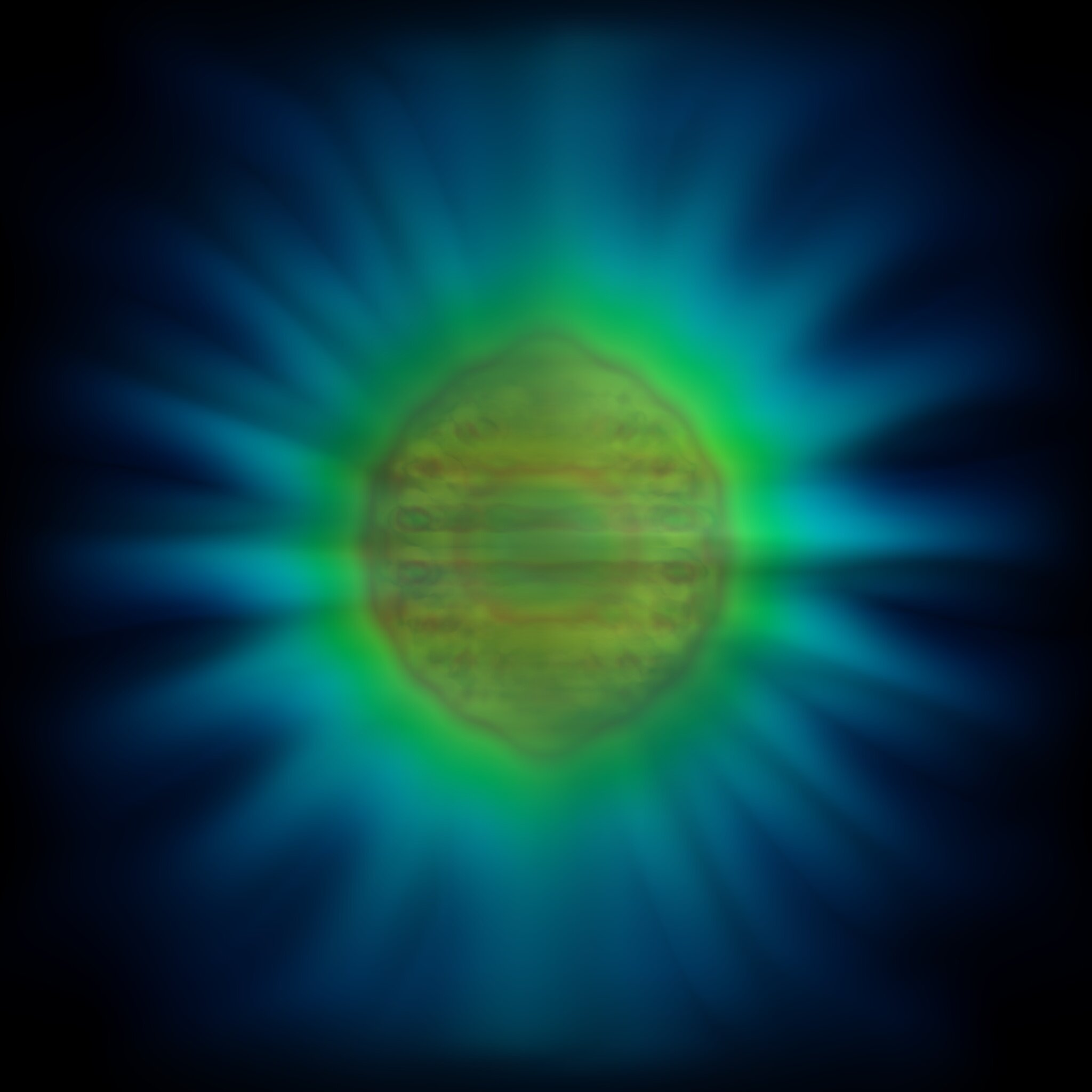
Researchers led by Dr. Benjamin Yuen at the University of Birmingham have defined the precise shape of a single photon for the first time, marking a significant advancement in quantum physics. Published in Physical Review Letters, the study provides a visual representation of a photon and enhances understanding of photon emission and interaction with the environment. This breakthrough could revolutionize nanophotonic technologies, impacting fields like secure communication, pathogen detection, and quantum computing by enabling engineered light-matter interactions.

science1 year ago

Scientists Unveil the Unseen Shape of Single Photons

Scientists have developed a method to predict the shape of individual photons, the smallest units of light, by modeling their interactions with atoms and their environment. This breakthrough, published in Physical Review Letters, uses classical mechanics to simplify the complex wave-particle duality of photons, allowing for a better understanding of how light behaves in both near and far electromagnetic fields. This advancement could significantly impact the development of nano-optic technology, quantum computing, and photovoltaic energy cells.

science1 year ago

Physicists Reveal Exact Shape of a Single Photon

Researchers at the University of Birmingham have developed a model to define the precise shape of a single photon, revealing how photons are emitted and shaped by their environment. This breakthrough allows for a better understanding of light-matter interactions, opening new possibilities for nanophotonic technologies and applications in secure communication, pathogen detection, and molecular-level chemical control. The study, published in Physical Review Letters, provides a foundation for future advancements in quantum computing and energy technologies.

science1 year ago

Unveiling the Shape of a Single Photon: A New Theory

Researchers at the University of Birmingham have developed a new theory that defines the precise shape of a single photon by exploring its interactions with matter at the quantum level. This breakthrough, published in Physical Review Letters, allows scientists to model these complex interactions and visualize photons, opening new research avenues in quantum physics and material science. The findings could lead to advancements in nanophotonic technologies, impacting secure communication, pathogen detection, and molecular-level chemical reactions.

physics2 years ago

"Protons Uncover Maximal Entanglement Phenomenon"

A recent study by an international team of physicists has demonstrated that maximum entanglement is present in protons, even in cases where pomerons are involved in collisions. This maximal entanglement is a universal phenomenon in processes involving collisions between photons and protons, and it has practical significance for interpreting results from future particle colliders. The study provides a deeper understanding of how a maximally entangled state is formed inside the proton, shedding light on the onset of maximal entanglement in diffractive deep inelastic scattering.

physics2 years ago

"Precision Quantum Ping-Pong: Atoms Bounce Single Photon with High Control"

Researchers from TU Wien have theoretically demonstrated that using a special lens, a single photon emitted by one atom can be reabsorbed by a second atom and returned back to the first atom with high precision, resembling a game of ping-pong. By utilizing the concept of the Maxwell fish-eye lens, the team showed that the coupling between the atom and different oscillating modes can ensure the transfer of the photon between atoms. This breakthrough could pave the way for quantum control systems to study effects at extremely strong light-matter interaction.

physics2 years ago

"Unveiling the Interconnectedness of Quantum Entanglement and Topology"

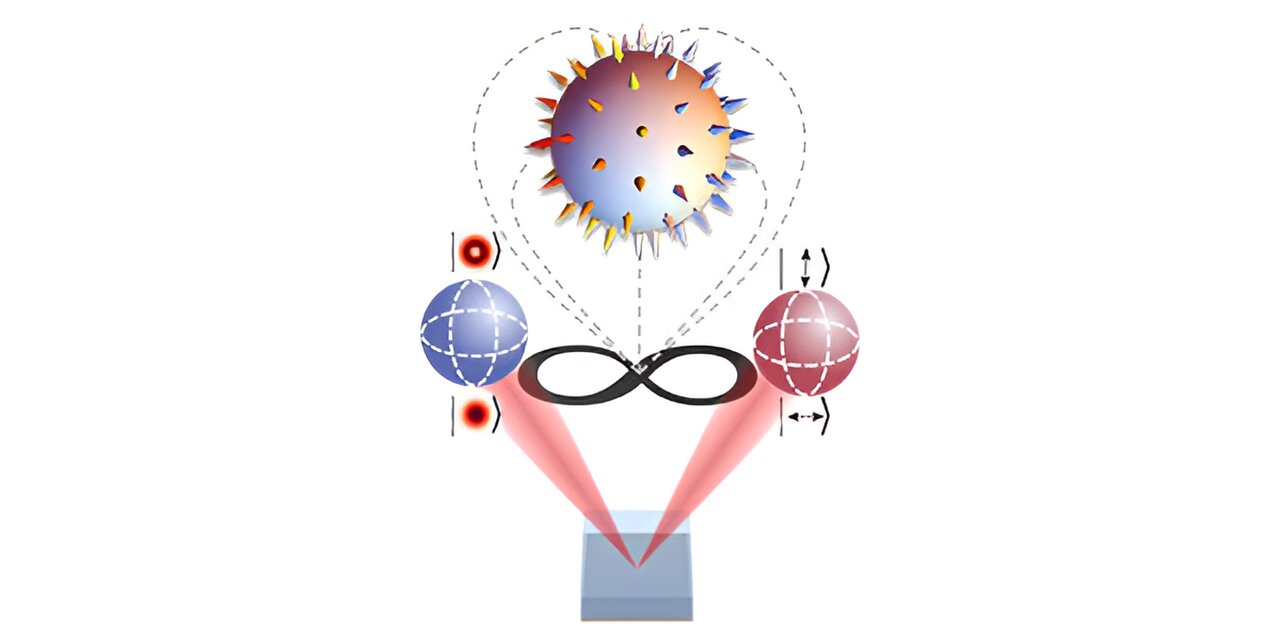
Researchers have demonstrated the interconnectedness of quantum entanglement and topology by perturbing pairs of entangled photons without altering their shared properties. This achievement, published in Nature Photonics, reveals the malleability of entangled photons' topology, likened to clay in a potter's hands. The study explores the Skyrmion topology, initially explored in the 1980s, and presents a paradigm shift by showing that this topology can be nonlocal or shared between spatially separated entities. The researchers envision using topology as a framework for classifying entangled states, potentially paving the way for new quantum communication protocols.

physics2 years ago

"Unveiling the Elusive Connection: A Groundbreaking Discovery of a Single Top Quark and Photon"

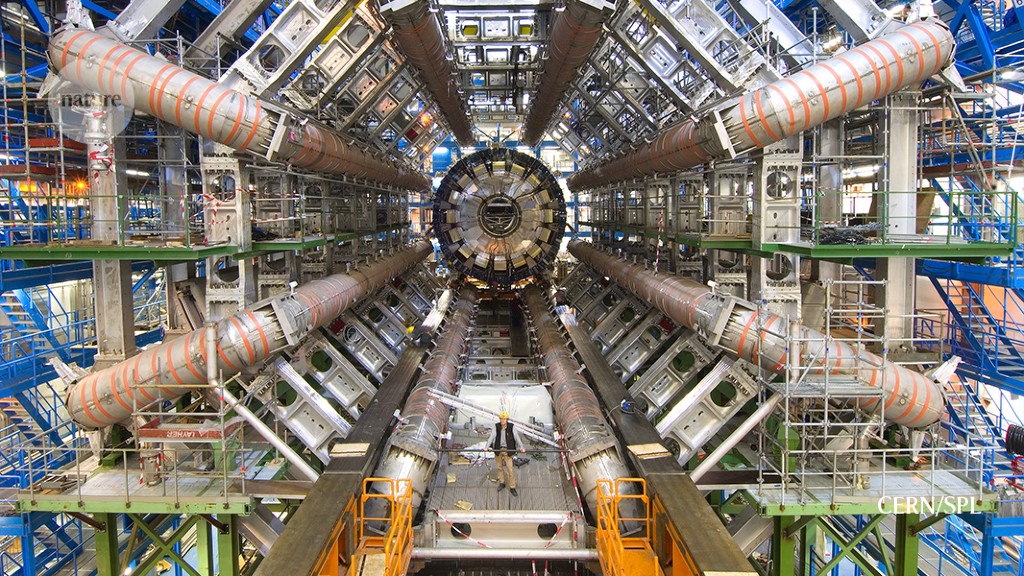
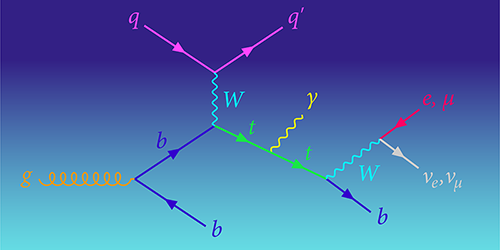
The ATLAS Collaboration at CERN's Large Hadron Collider has observed the coincident production of a single top quark and a photon in proton-proton collisions. This observation provides valuable insights into the electroweak interaction of the top quark, the heaviest known fundamental particle. The measurement suggests a higher rate of production than predicted by the standard model, indicating potential deviations and the possibility of new particles. Further analysis and data collection will help uncover the properties of these events and their implications for physics beyond the standard model.

science2 years ago

"Light's Mighty Impact: Unveiling Photosynthesis's Secret Catalyst"

Scientists have discovered that a single photon of light can initiate the process of photosynthesis in plants, algae, and bacteria. In a new experiment, researchers used a light source that produced two photons, with one photon being absorbed by light-harvesting structures in a bacterium. Instead of passing the energy to other molecules as in normal photosynthesis, the absorbed photon emitted a third photon with a different wavelength, indicating the transfer of energy. This finding suggests that a single photon can kick off photosynthesis, shedding light on the early reactions of this vital process.

science2 years ago

Photosynthesis triggered by single photon, confirms breakthrough study.

Scientists have observed the beginning of photosynthesis for the first time, starting with a single photon. Researchers looked at purple photosynthetic bacteria and set up a photon source that spits out just two photons at a time. During each test, the first photon fired out was absorbed by an ultra-sensitive detector, while the other struck the bacteria's equivalent of a chloroplast. When the second photon hit its target, photosynthesis started up, confirming that just one photon was enough to set off photosynthesis.