Tag

Petroglyphs

All articles tagged with #petroglyphs

archaeology1 year ago

"Ancient Rock Art of Sheep and Camels Discovered in Kazakhstan"

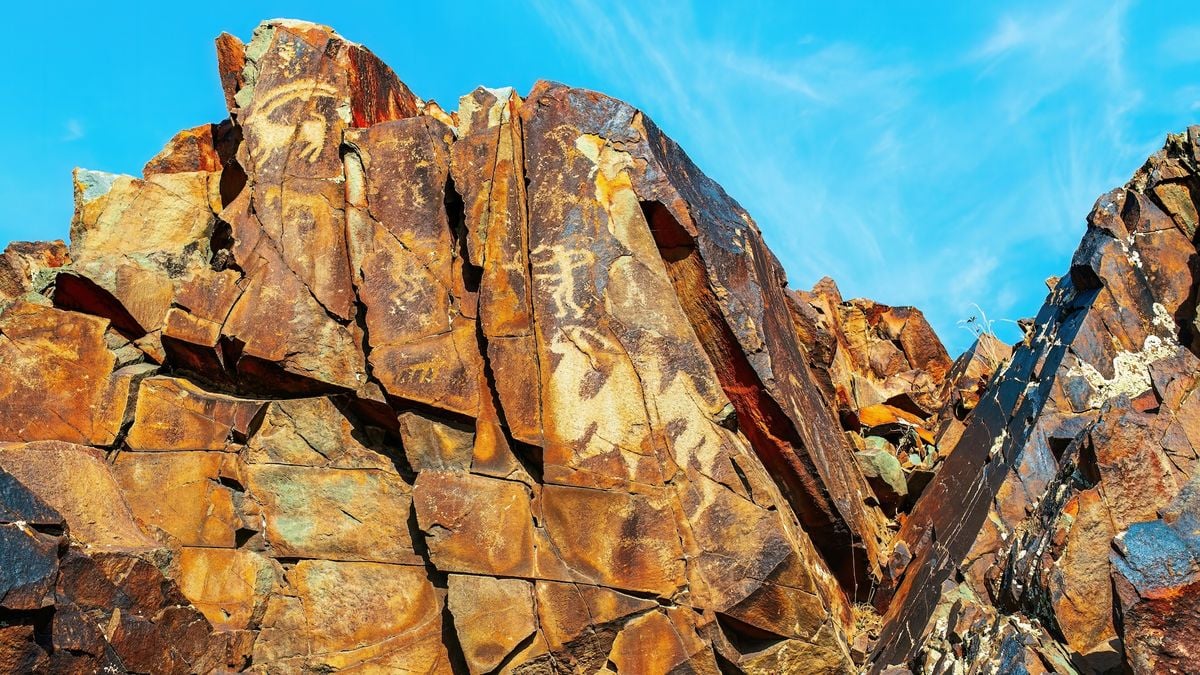
Volunteers in Kazakhstan discovered around 100 ancient petroglyphs depicting animals like wild sheep and double-humped camels, dating back approximately 3,500 years. Although the site was previously known to specialists, it was kept secret to protect it until further examination. The petroglyphs, found in the Zhambyl region, have not yet been detailed in peer-reviewed journals, and more funding is needed for proper documentation and analysis.
archaeology1 year ago

Ancient Brazilian Petroglyphs Hint at Human Awareness of Dinosaurs

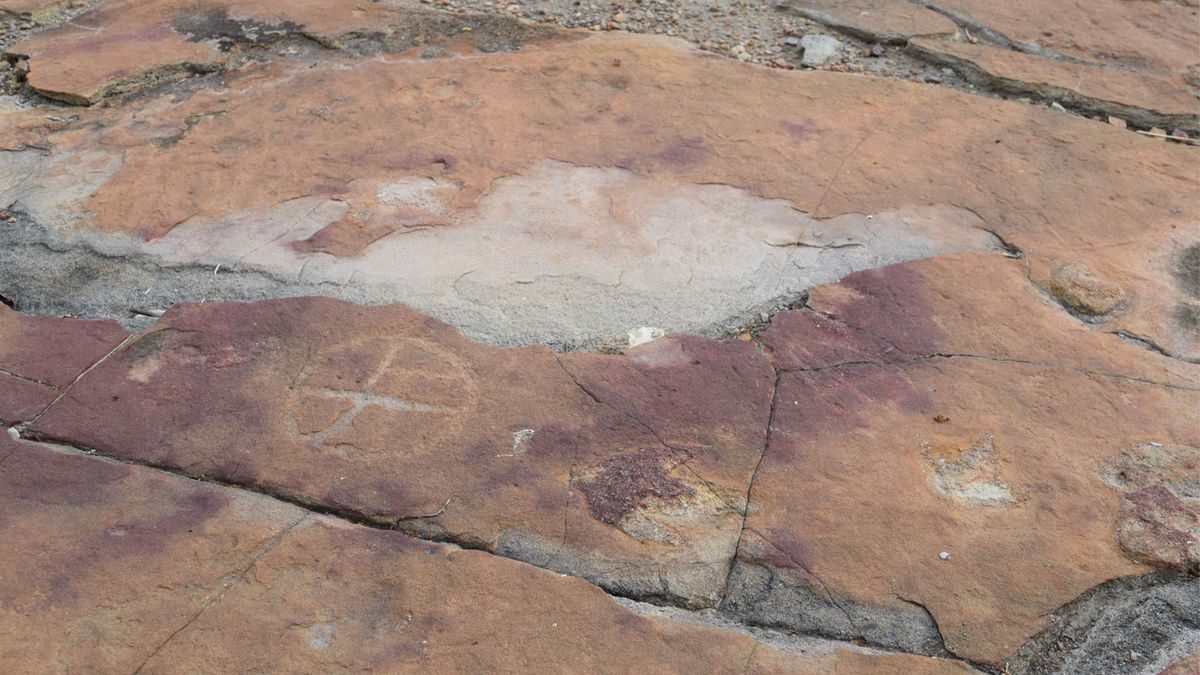
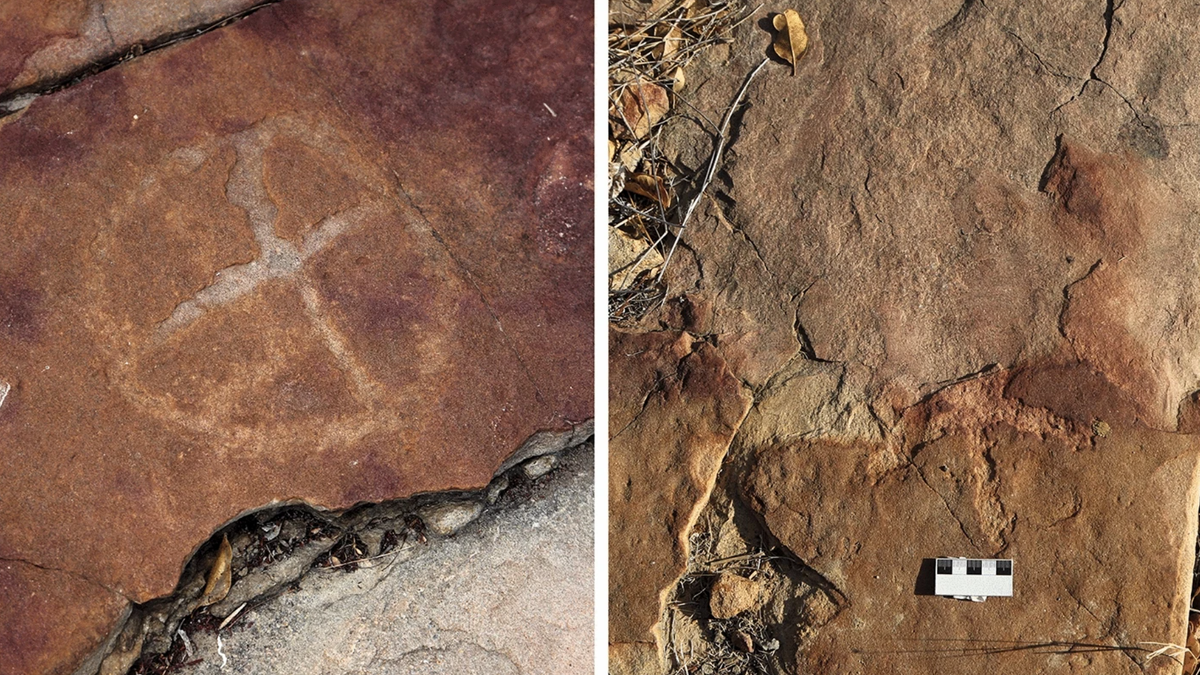
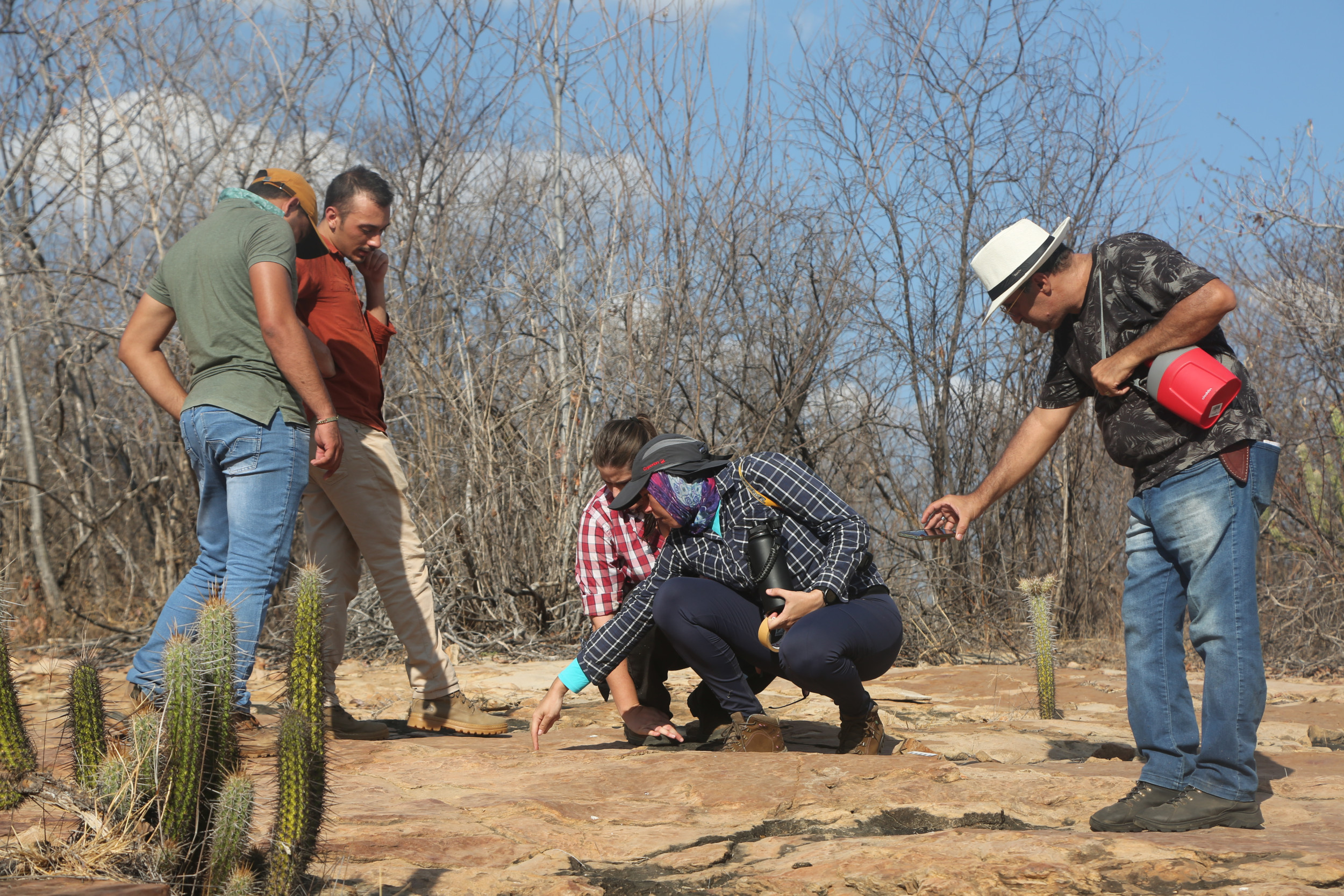
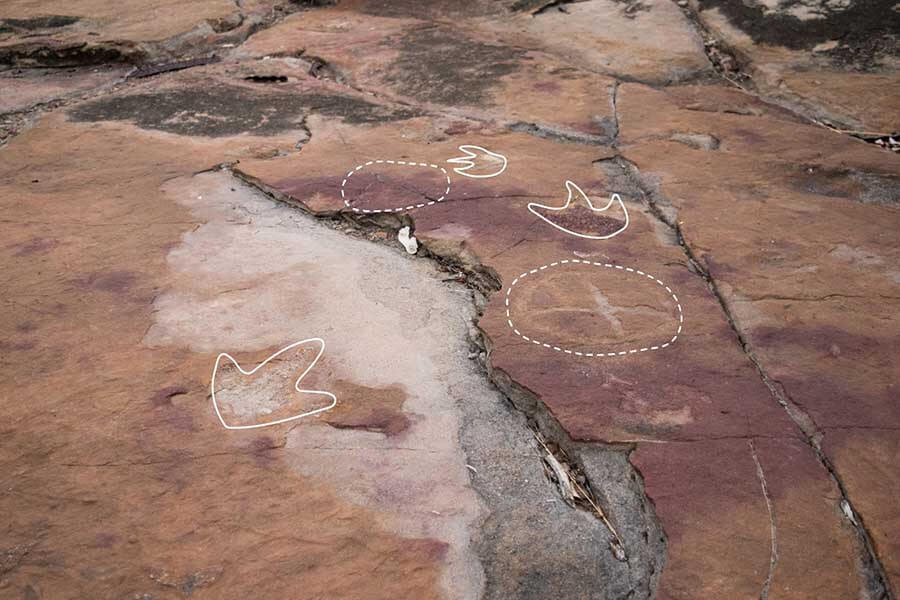
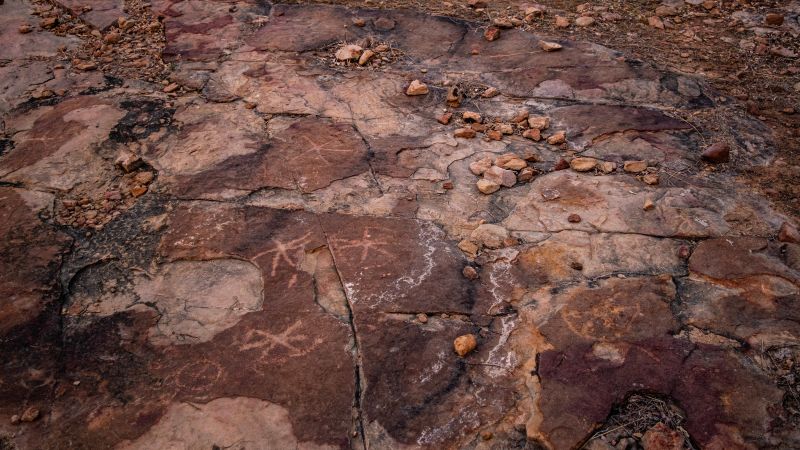
Petroglyphs found near dinosaur footprints in Brazil suggest that prehistoric indigenous people may have been aware of and interested in the footprints, although it's unclear if they knew about dinosaurs. The carvings, dating back between 9,400 and 2,620 years, display geometric shapes and may have been created during communal gatherings, possibly with the use of psychotropic plants. The unprecedented clarity of the association between the petroglyphs and dinosaur prints at this site could have significant implications across paleontology, archaeology, and cultural heritage studies.

archaeology1 year ago

"Brazilian Discovery: Prehistoric Drawings Unearthed Near Dinosaur Footprints"

Prehistoric rock carvings, or petroglyphs, have been discovered near dinosaur footprints in Brazil, suggesting that ancient humans found them meaningful or interesting. The unprecedented clarity of the association between the petroglyphs and the footprints at the site called Serrote do Letreiro could have significant implications across paleontology, archaeology, and cultural heritage studies. The drawings, which are varied in style and may have been made during communal gatherings, remain a mystery in terms of their meaning. The direct association of the drawings with dinosaur fossil tracks is unique and may shed more light on the importance, meaning, and significance of rock art.

archaeology1 year ago

"Uncovering Ancient Connections: Dinosaur Footprints and 9000-Year-Old Rock Art in Brazil"

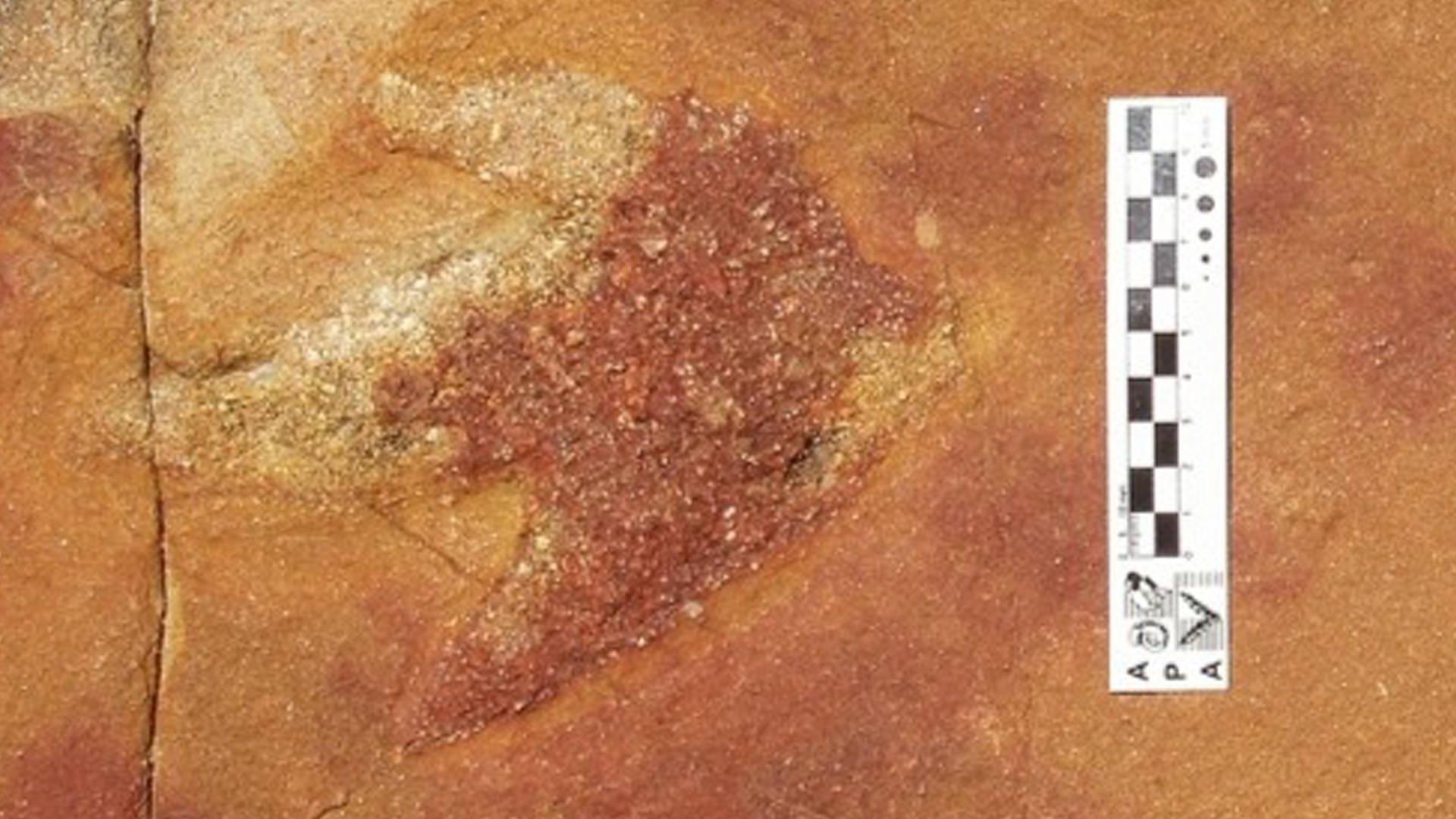
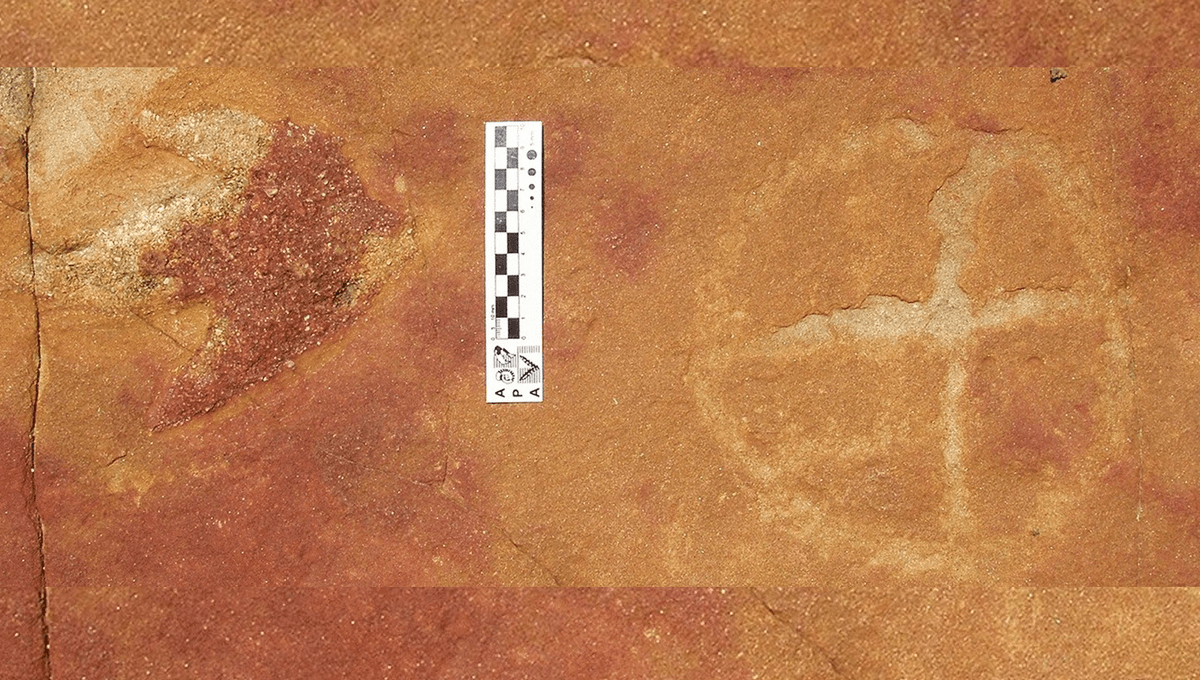
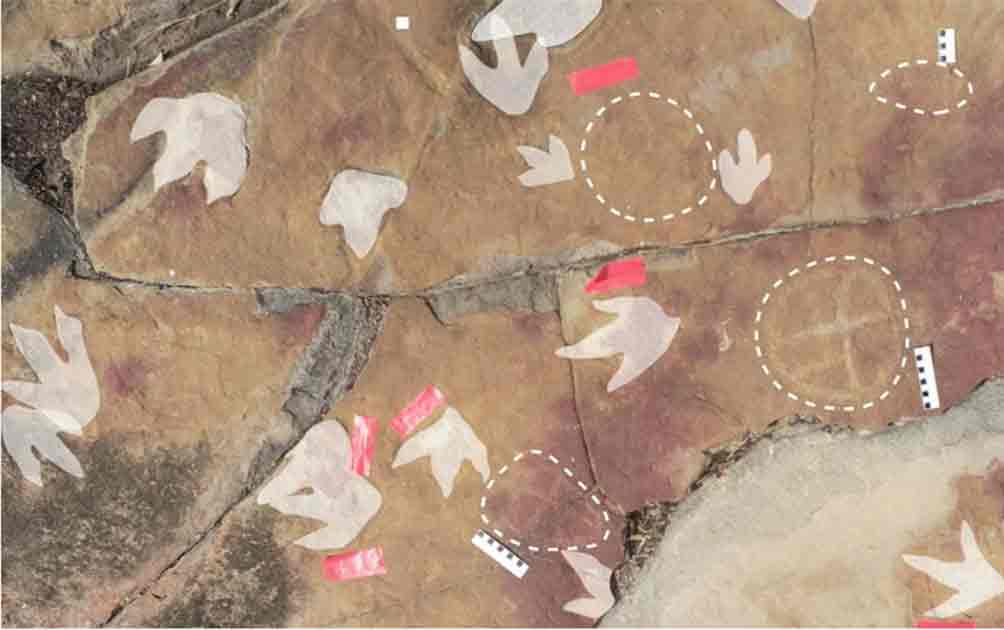
Hunter-gatherers in Brazil created rock art next to fossilized dinosaur footprints dating back 9,400 years, as described in a study published in Scientific Reports. The petroglyphs, found at the Serrote do Letreiro site, were purposefully placed near the dinosaur tracks, with some appearing to illustrate the prints. The site, located near the Valley of the Dinosaurs, contains footprints from various dinosaur types, and the rock art is attributed to small seminomadic groups of hunter-gatherers who lived in the region between 9,400 and 2,620 years ago.

archaeology1 year ago

"Discovery: Ancient Carvings Near Dinosaur Footprints Uncover Lost History"

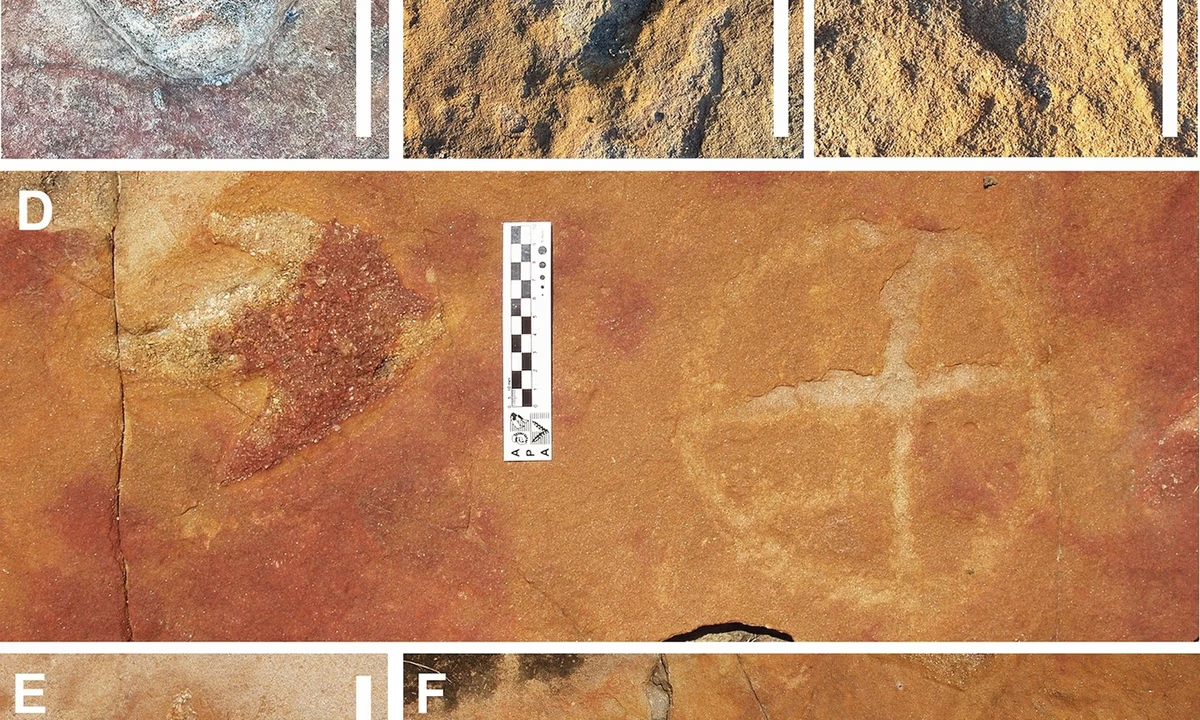
Archaeologists have discovered mysterious carvings, known as petroglyphs, near ancient dinosaur footprints in Brazil's Paraíba State. The footprints date back to the Early Cretaceous Period, between 145 to 100 million years ago, and belong to theropod, sauropod, and iguanodontian dinosaurs. The carvings, featuring circular motifs, were made carefully without touching the footprints, suggesting thoughtfulness by the makers. The researchers believe the carvings were created to mark the footprints as meaningful, but the exact time period of the carvings remains uncertain. Further research is needed to determine their chronology.

archaeologypaleontology1 year ago

"Uncovering Ancient Art: Petroglyphs and Dinosaur Footprints in Brazil"

Ancient South Americans in eastern Brazil created petroglyphs next to fossilized dinosaur tracks, possibly inspired by the movements of theropods, sauropods, and iguanodontians tens of millions of years earlier. The petroglyphs, primarily circular patterns, were found near human burials dating back to 10,000 years ago, indicating a wide timeframe for their creation. The proximity of the petroglyphs to the footprints suggests active engagement with the fossil material, and the petroglyphs were made by multiple individuals. The ancient communities may have mistaken the dinosaur trackways for rhea footprints, but the significance of the prints is evident in the artwork placed alongside them.

archaeologypaleontology1 year ago

"Discovery of Ancient Rock Art Linked to Dinosaur Footprints in Brazil"

In northeast Brazil, a site called Serrote do Letreiro has revealed a rare combination of dinosaur footprints and ancient rock carvings, or petroglyphs, from the Early Cretaceous period. This unique discovery represents the first instance of such close proximity between petroglyphs and dinosaur tracks. The petroglyphs, created by pre-colonial humans, display a symbolic connection with the fossil record, suggesting an intentional incorporation of the dinosaur footprints into their cultural expression. The site's remarkable juxtaposition of paleontology and archaeology highlights the active engagement of pre-colonial Brazilians with the fossil record, emphasizing the need for conservation measures to protect this invaluable cultural heritage.

archaeologypaleontology1 year ago

"Unprecedented Discovery: 2000-Year-Old Rock Art and Dinosaur Footprints Found in Brazil"

Researchers have discovered a unique site in northeastern Brazil, the Serrote do Letreiro Site, featuring prehistoric rock art and dinosaur footprints dating back about 140 million years. The site, characterized by an "outstanding juxtaposition" of paleontological and archaeological elements, includes footprints of various dinosaurs and petroglyphs. The study reveals a close relationship between the two, suggesting a link between the footprints and petroglyphs, possibly embedded in a ritualistic context. The findings challenge traditional views and demonstrate the cultural relevance of fossils, indicating that these fossils can now be recognized as Brazilian cultural heritage.

archaeology1 year ago

Ancient Petroglyphs Unearthed Alongside Dinosaur Tracks in Brazil

Archaeologists in Brazil have discovered petroglyphs alongside fossilized dinosaur footprints in the northeastern state of Paraíba, suggesting a deliberate effort not to disturb the more than 100-million-year-old tracks. The rock art, found at the Serrote do Letreiro Site in Vale dos Dinossauros, features circular, abstract motifs and dates back to between 2,620 and 9,400 years ago. The researchers believe that the creators of the petroglyphs may have mistaken the dinosaur footprints for those of large flightless birds and now-extinct mastodons. This discovery establishes a unique symbolic connection between human graphic expression and the fossil record, unlike any other instances found in Australia, Poland, and the US.

archaeology1 year ago

Ancient Petroglyphs Found Alongside Dinosaur Tracks in Brazil

A study of the Serrote do Letreiro site in Brazil has revealed petroglyphs alongside dinosaur tracks, shedding light on the convergence of paleontological and archaeological evidence. The intentional placement of petroglyphs adjacent to the fossilized tracks suggests thoughtfulness by the makers, who were likely indigenous people occupying the region between 7,400 and 600 BC. The petroglyphs feature geometrical shapes and are similar to those found in other archaeological sites in northeastern Brazil. The motivations of the glyph makers remain a mystery, but the site promises to be a popular destination for scientists interested in ancient human culture and dinosaur history.

archaeology2 years ago

Ancient rock carvings unveiled in Amazonian tributary during severe drought

Severe drought in the Amazon rainforest has revealed petroglyphs carved by humans up to 2,000 years ago in the Negro River. The engravings depict humans, animals, and geometric shapes and were found at a Brazilian Cultural Heritage site. The drought has caused the river's water level to drop, exposing the petroglyphs. The age of the carvings is uncertain, but ceramics found nearby date back 2,000 years. Archaeologists are concerned about the exposure of the petroglyphs and are engaging the public in preservation efforts.

astronomy2 years ago

Rare 'Ring of Fire' Eclipse Mesmerizes Watchers in Ancient Solar Astronomy Hub

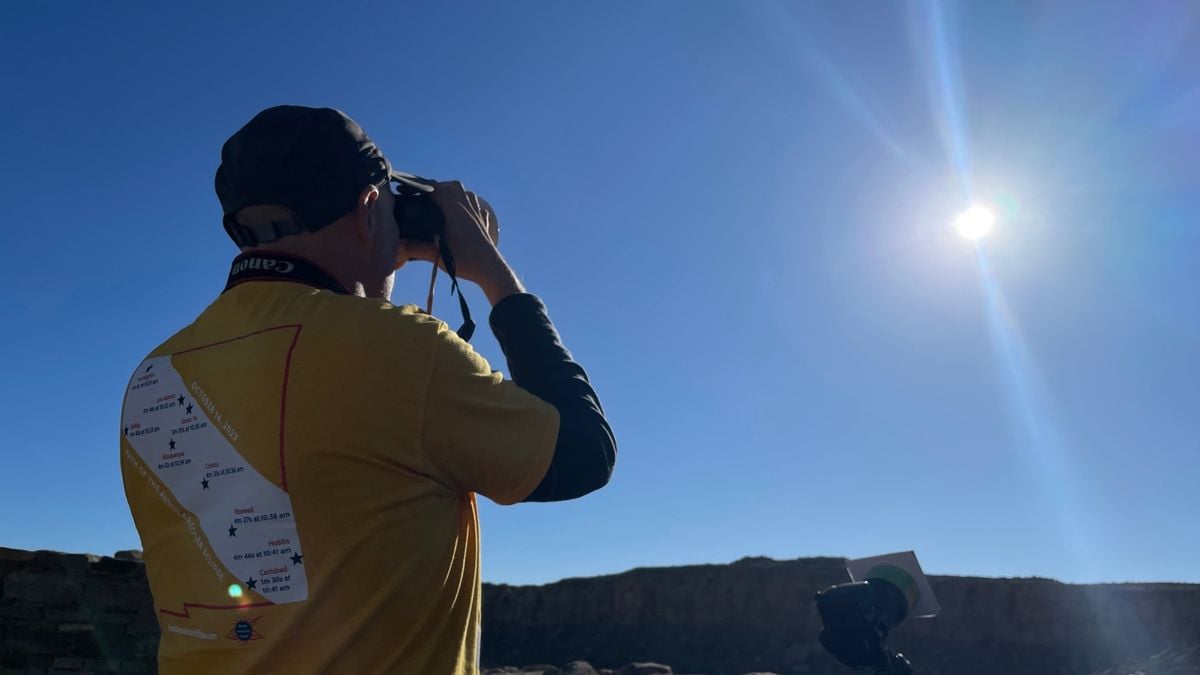
A "ring of fire" solar eclipse was witnessed above Chaco Culture National Park in New Mexico, home to ancient Puebloan people and some of the oldest known sun-watchers. The eclipse occurred near the "Rock of the Sun" petroglyph, which is believed to depict a total solar eclipse from 1097. The event attracted eclipse-chasers and archaeoastronomy enthusiasts who marveled at the spectacle and the alignment of the ancient structures. The next total solar eclipse observed from Chaco is not expected until July 3, 2866.

archaeology2 years ago

Ancient Petroglyphs Unearthed in Sweden Show People, Ships, and Animals.

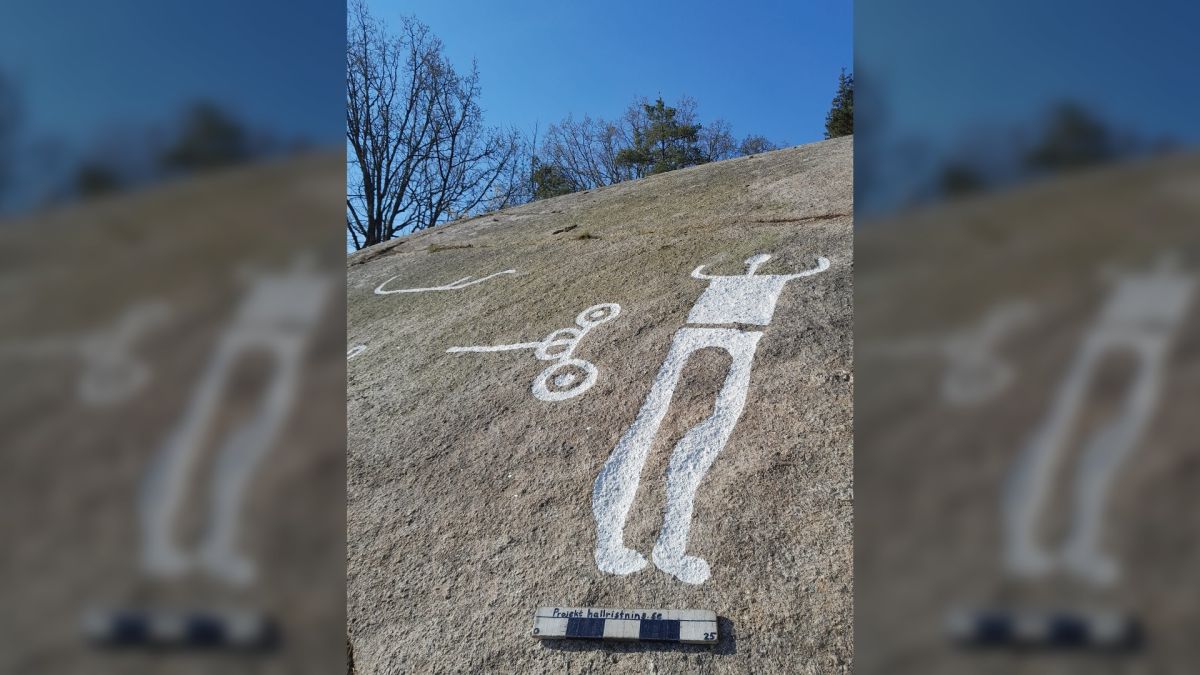
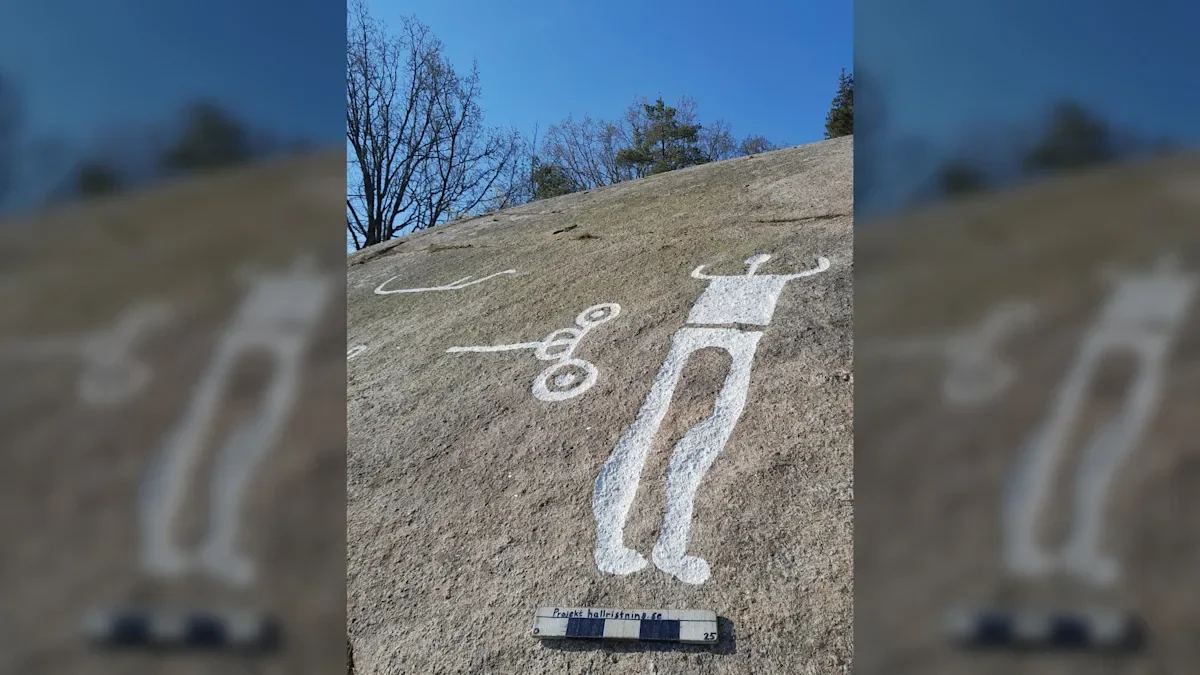
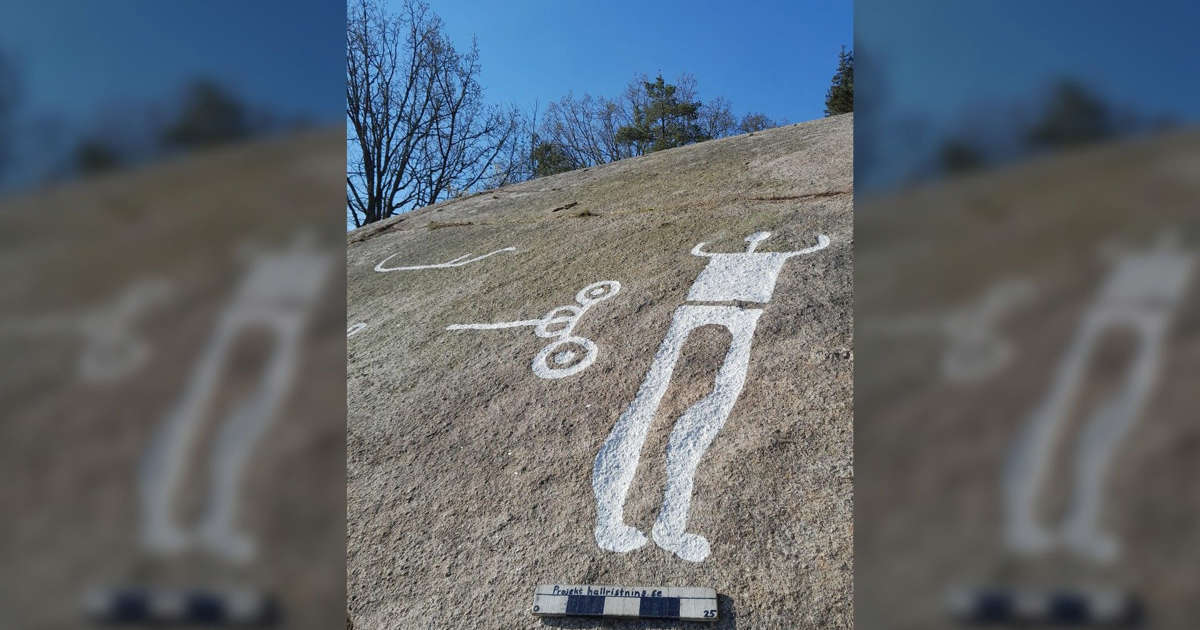
Researchers have discovered around 40 petroglyphs, dating back around 2,700 years, on a steep rock face in western Sweden. The petroglyphs include depictions of ships, people, and animal figures, including four-legged creatures that may be horses. The biggest one shows a ship that is 13 feet (4 meters) long. People would have had to make the carvings while standing on a boat or from a platform constructed on ice. The petroglyphs may have served to mark ownership, but their exact meaning is uncertain.

archaeology2 years ago

Ancient Swedish Petroglyphs Reveal People, Ships, and Animals.

Researchers have discovered around 40 petroglyphs, including depictions of ships, people, and animal figures, dating back around 2,700 years on a granite rock face in western Sweden. The petroglyphs were carved on a granite rock face that was once part of an island, meaning people would have had to make the carvings while standing on a boat or from a platform constructed on ice. The petroglyphs are high up on a granite rock face that cannot be climbed. The meanings of the carvings are unclear, but they may have served to mark ownership.

archaeology2 years ago

Ancient Swedish Petroglyphs Reveal People, Ships, and Animals.

Researchers have discovered around 40 petroglyphs, dating back around 2,700 years, on a granite rock face in western Sweden. The petroglyphs depict ships, people, and animal figures, including four-legged creatures that may be horses. The biggest one shows a ship that is 13 feet long. The petroglyphs were likely created by people standing on a boat or a platform constructed on ice. The exact meaning of the carvings is uncertain, but they may have served to mark ownership or tell a story.