Tag

Dinosaur Footprints

All articles tagged with #dinosaur footprints

Rare 150-Million-Year-Old Dinosaur Tracks Reveal Injured Dinosaur's Circling Path

Originally Published 12 days ago — by The Daily Galaxy

Featured image for Rare 150-Million-Year-Old Dinosaur Tracks Reveal Injured Dinosaur's Circling Path
Source: The Daily Galaxy

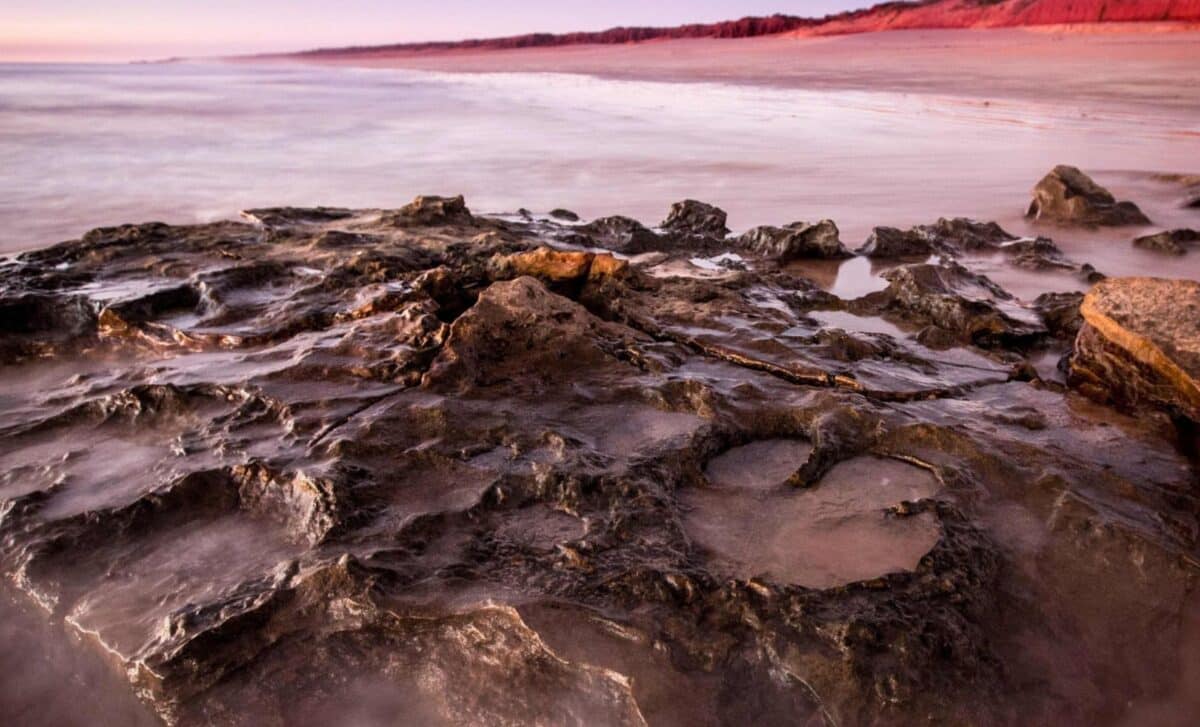
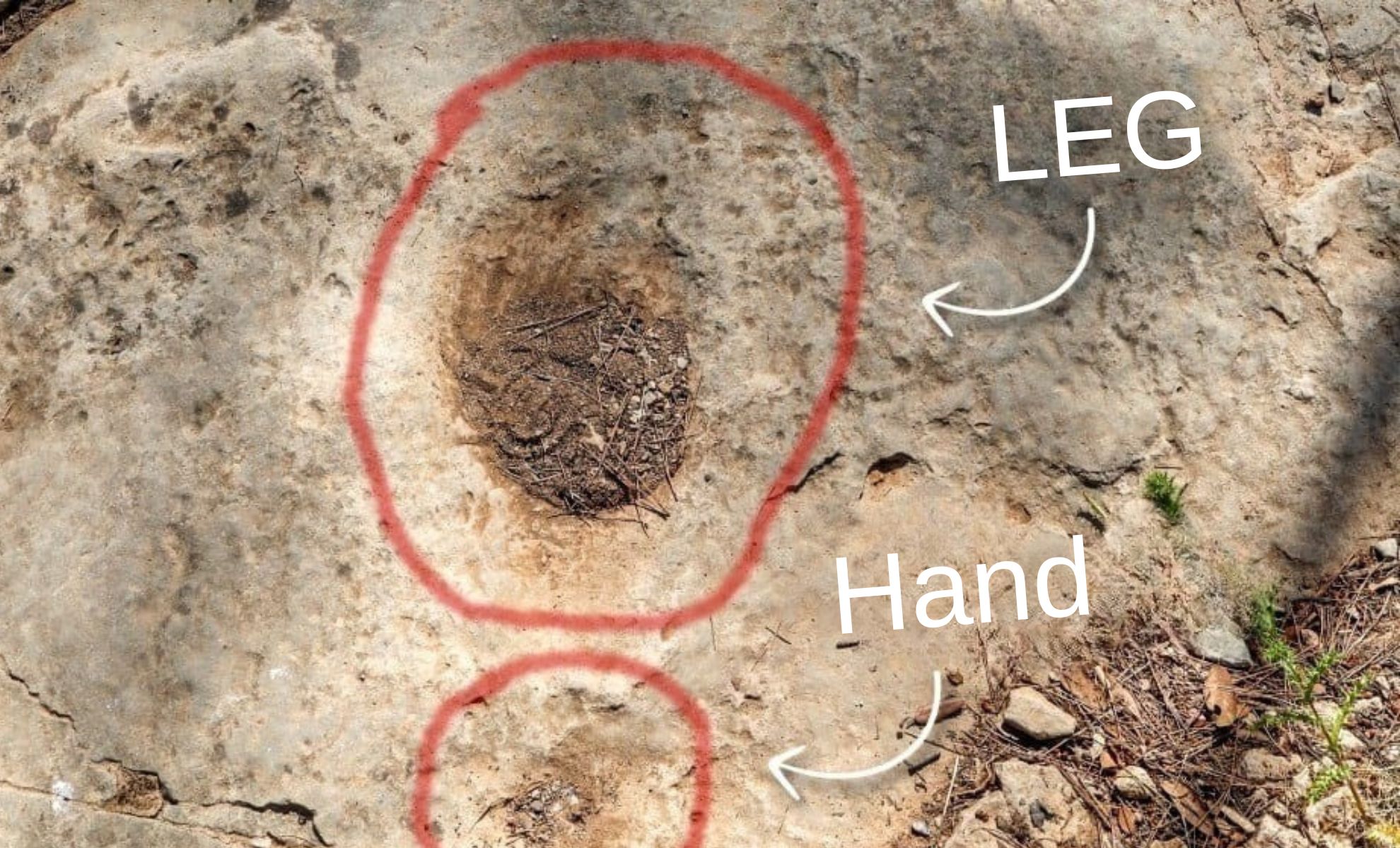
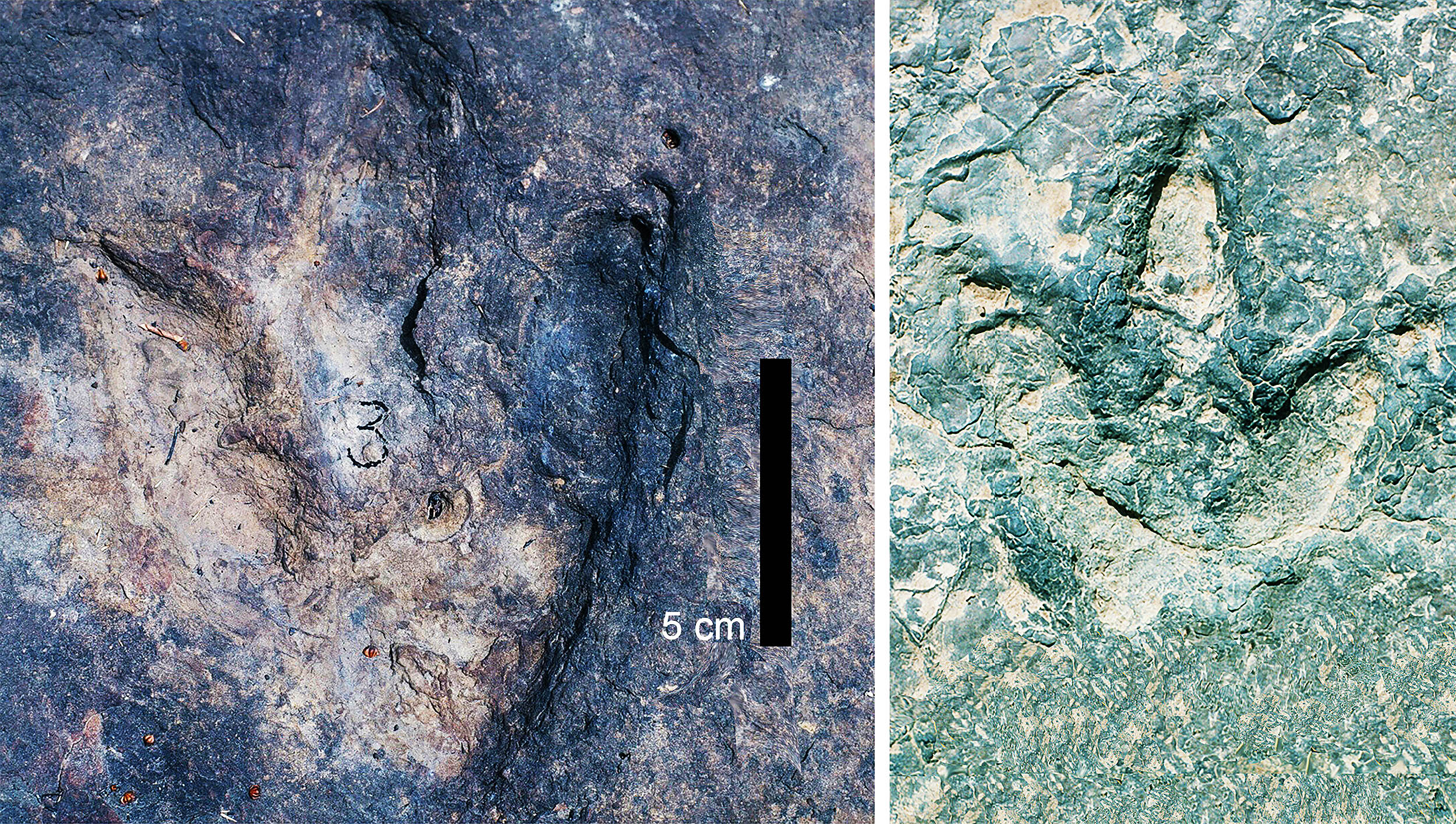
Researchers in Western Australia's Kimberley region discovered the largest dinosaur footprints ever recorded, some over 1.7 meters long, left by sauropods around 130 million years ago. The site contains a diverse range of 21 different dinosaur track types, making it one of the richest fossil tracksites globally. Indigenous elders played a key role in protecting and studying these ancient footprints, which offer significant insights into prehistoric life.

Bolivia Uncovers Over 16,000 Dinosaur Footprints, Including Underwater Tracks

Originally Published 15 days ago — by The Daily Galaxy

Featured image for Bolivia Uncovers Over 16,000 Dinosaur Footprints, Including Underwater Tracks
Source: The Daily Galaxy

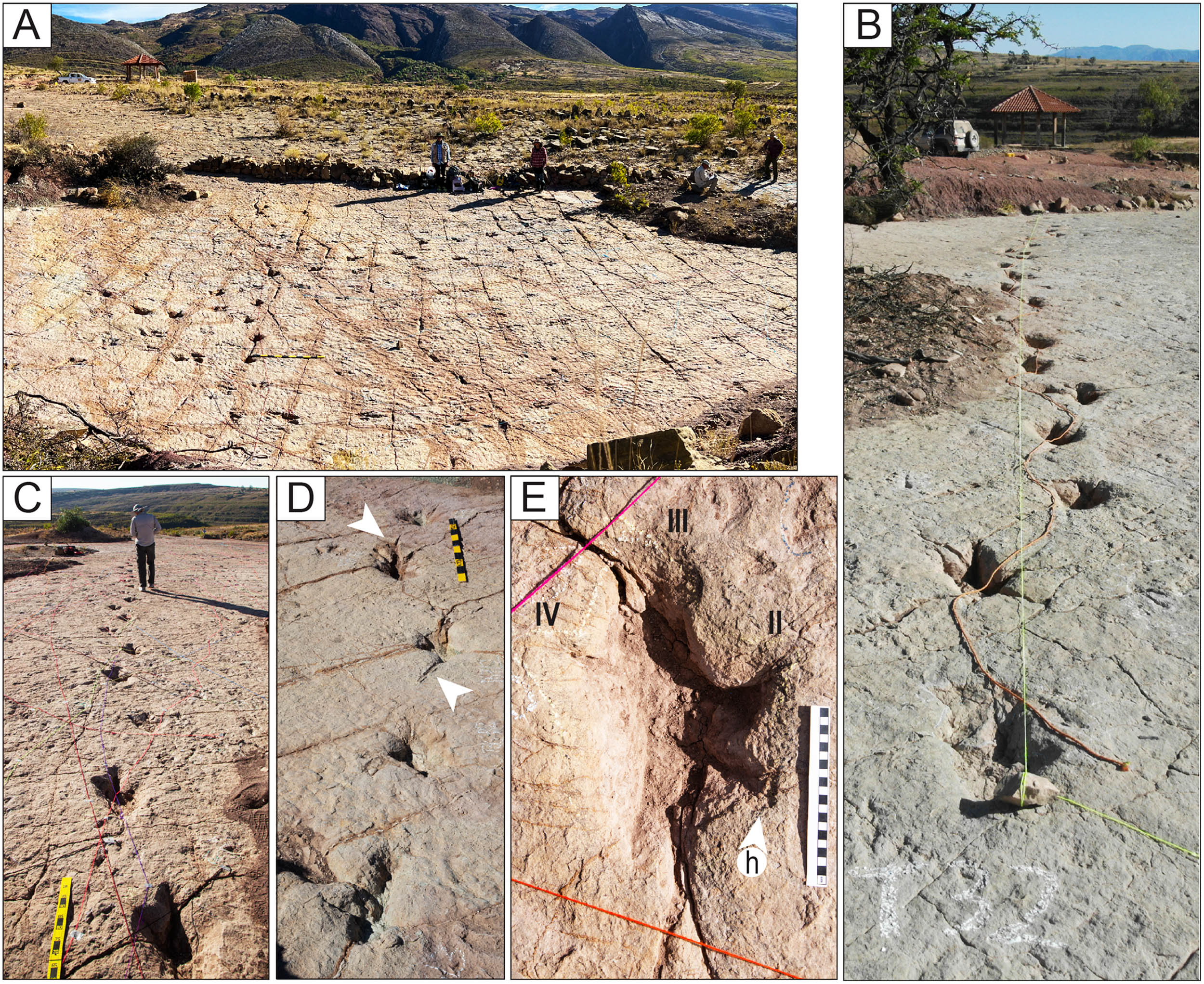
Scientists discovered over 16,000 dinosaur footprints at a large fossil site in Bolivia, many of which suggest dinosaurs moved along the shoreline of an ancient lake, with some footprints indicating swimming behavior, providing valuable insights into dinosaur movement and environment during the late Cretaceous period.

Texas Flood Uncovers Dinosaur Footprints, Revealing Prehistoric Insights

Originally Published 3 months ago — by KEYE

Featured image for Texas Flood Uncovers Dinosaur Footprints, Revealing Prehistoric Insights
Source: KEYE

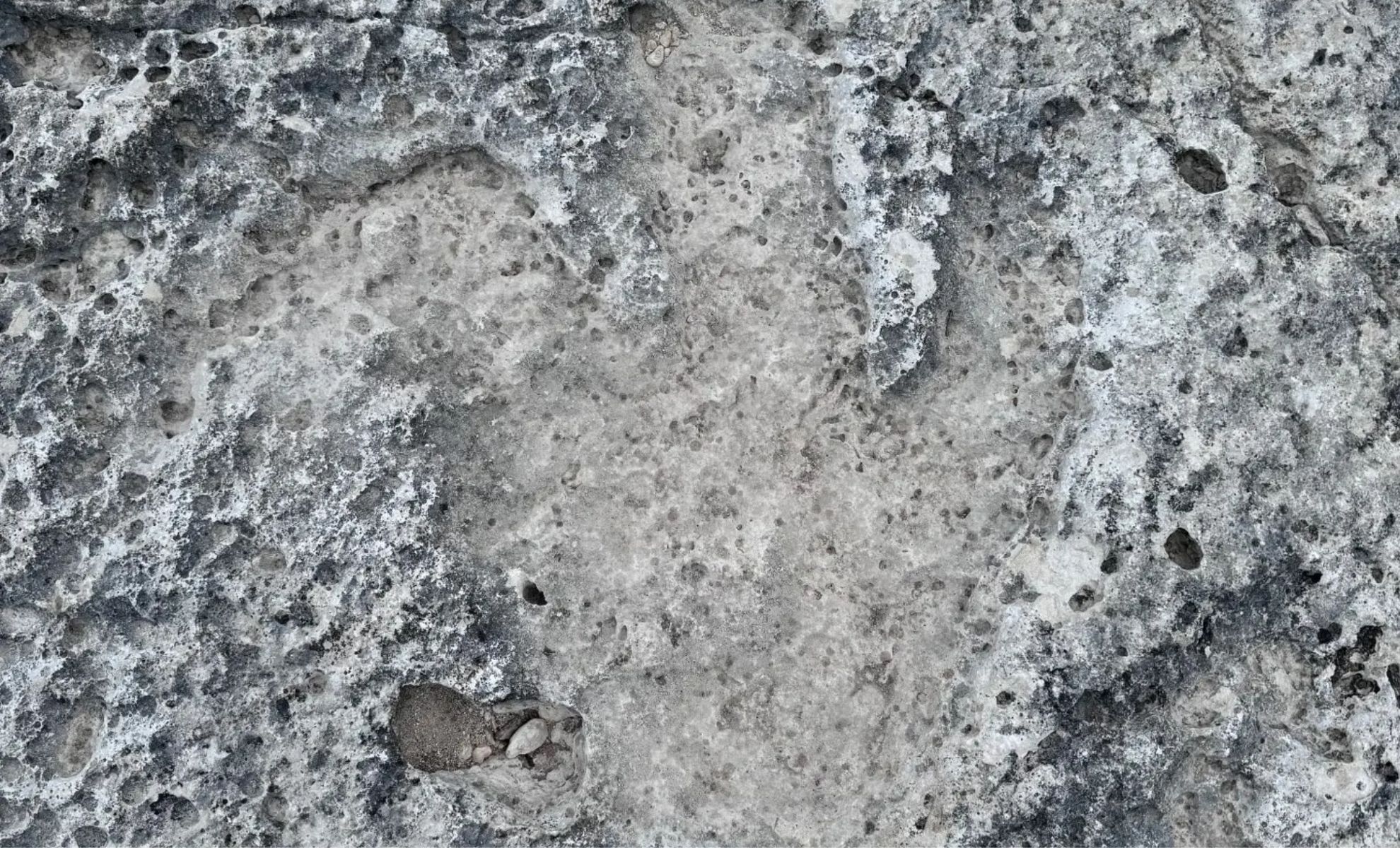
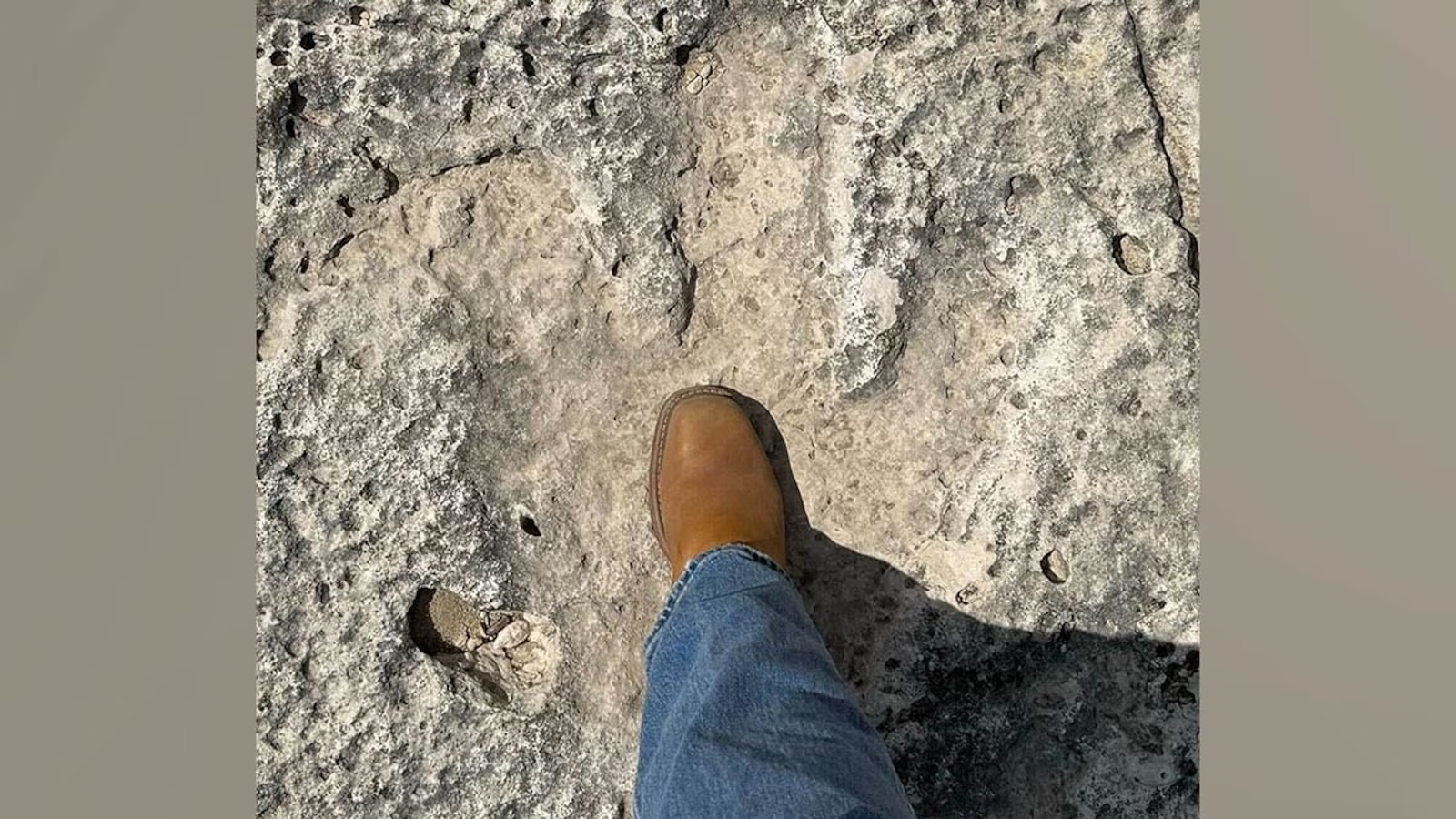
During July's historic floods in Central Texas, volunteers uncovered 115-million-year-old dinosaur footprints along Sandy Creek, belonging to an Acrocanthosaurus, providing valuable insights into prehistoric life and behavior. These fossils, part of a vast collection at UT Austin's J.J. Pickle Research Campus, highlight the region's rich fossil history and the importance of preserving these natural heritage sites.

Flooding in Texas Uncovers 115-Million-Year-Old Dinosaur Footprints

Originally Published 5 months ago — by Indian Defence Review

Featured image for Flooding in Texas Uncovers 115-Million-Year-Old Dinosaur Footprints
Source: Indian Defence Review

Floodwaters in Texas revealed 115-million-year-old dinosaur footprints, providing new insights into prehistoric life and highlighting the role of natural events in uncovering fossils. The tracks, found in Travis County, include both carnivorous and herbivorous dinosaur prints, and are being studied with advanced imaging techniques to better understand the region's ancient ecosystem.

Fossilized Tracks Show Dinosaurs Herded in Mixed-Species Groups

Originally Published 5 months ago — by BBC Wildlife Magazine

Featured image for Fossilized Tracks Show Dinosaurs Herded in Mixed-Species Groups
Source: BBC Wildlife Magazine

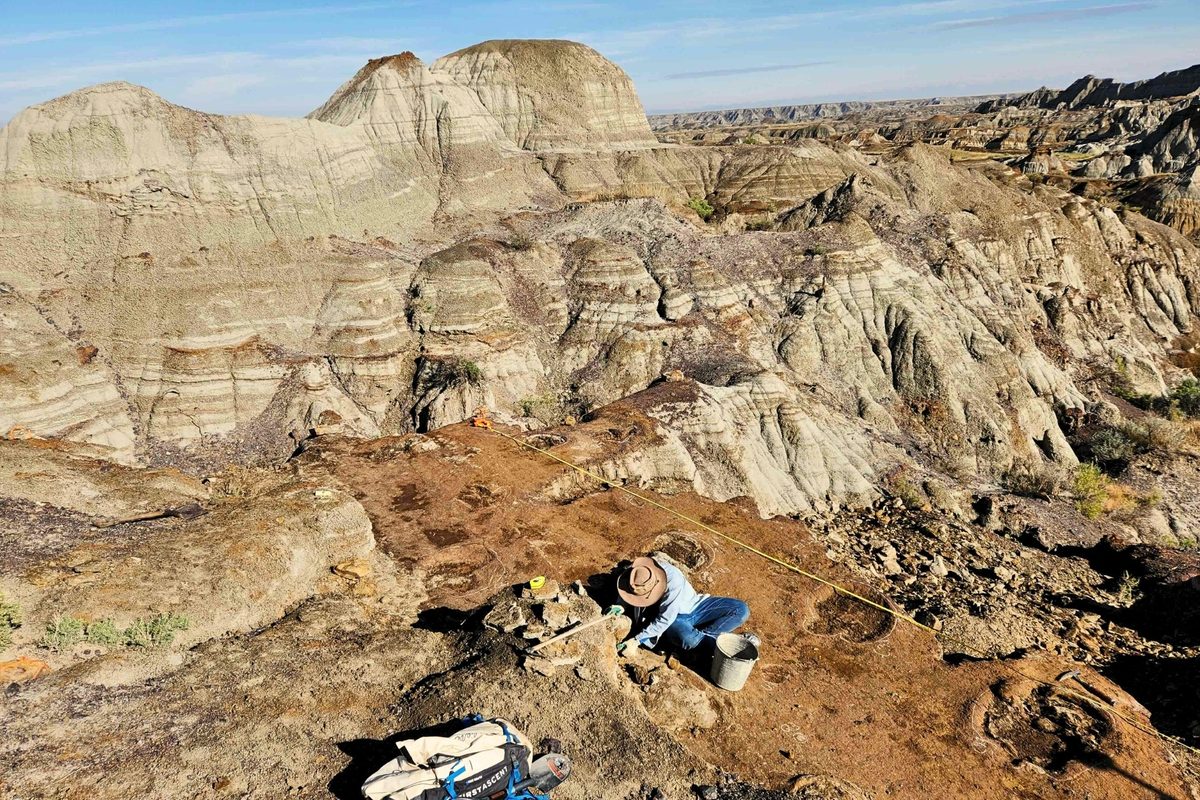
Scientists discovered a rare set of dinosaur footprints at Dinosaur Provincial Park in Alberta, revealing evidence of mixed-species herding behavior around 76 million years ago, including side-by-side tyrannosaur tracks that suggest predators may have stalked herds, providing new insights into dinosaur social behavior.

Ancient Dinosaur Footprints Discovered in France Following Hiker's Tip

Originally Published 6 months ago — by The Daily Galaxy

Featured image for Ancient Dinosaur Footprints Discovered in France Following Hiker's Tip
Source: The Daily Galaxy

Scientists in southern France have discovered 80-million-year-old dinosaur footprints, the first confirmed tracks in the region, belonging to a herbivorous dinosaur of the genus Rhabdodon, after a hiker's tip led to the find, which provides new insights into regional paleontology.

"Brazilian Discovery: Prehistoric Drawings Unearthed Near Dinosaur Footprints"

Originally Published 1 year ago — by CNN

Featured image for "Brazilian Discovery: Prehistoric Drawings Unearthed Near Dinosaur Footprints"
Source: CNN

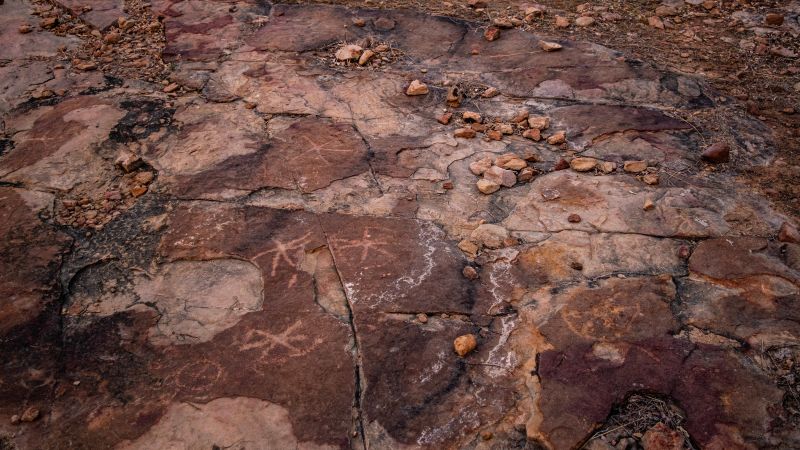
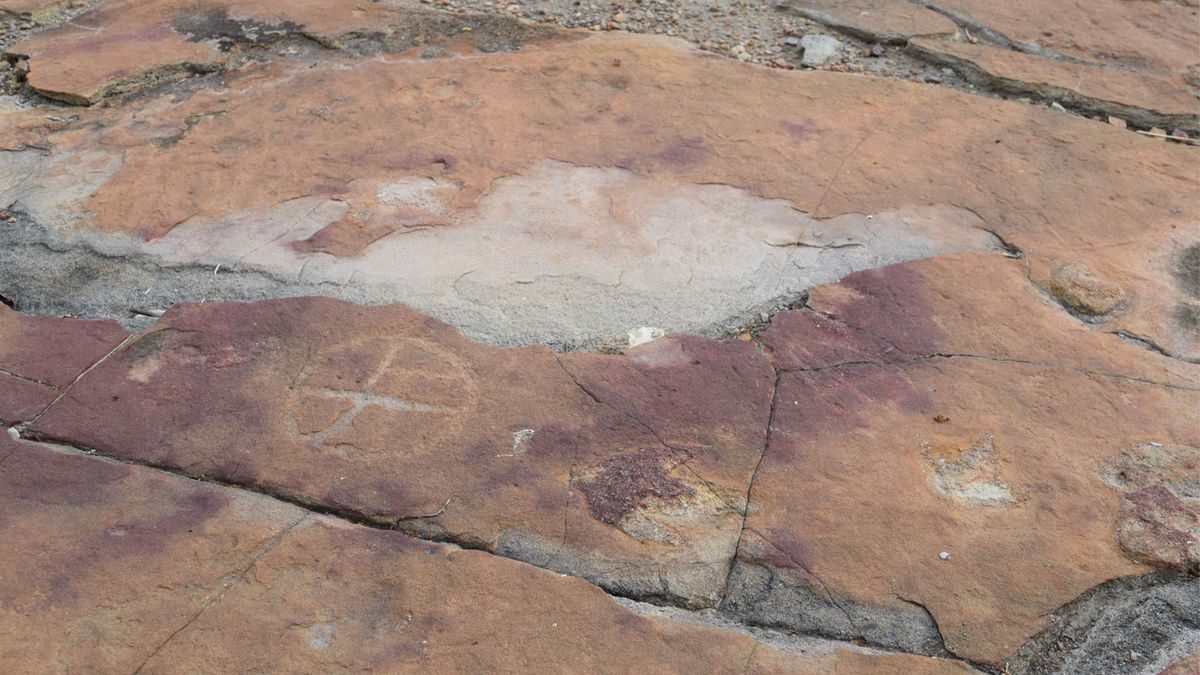
Prehistoric rock carvings, or petroglyphs, have been discovered near dinosaur footprints in Brazil, suggesting that ancient humans found them meaningful or interesting. The unprecedented clarity of the association between the petroglyphs and the footprints at the site called Serrote do Letreiro could have significant implications across paleontology, archaeology, and cultural heritage studies. The drawings, which are varied in style and may have been made during communal gatherings, remain a mystery in terms of their meaning. The direct association of the drawings with dinosaur fossil tracks is unique and may shed more light on the importance, meaning, and significance of rock art.

"Uncovering Ancient Connections: Dinosaur Footprints and 9000-Year-Old Rock Art in Brazil"

Originally Published 1 year ago — by Livescience.com

Featured image for "Uncovering Ancient Connections: Dinosaur Footprints and 9000-Year-Old Rock Art in Brazil"
Source: Livescience.com

Hunter-gatherers in Brazil created rock art next to fossilized dinosaur footprints dating back 9,400 years, as described in a study published in Scientific Reports. The petroglyphs, found at the Serrote do Letreiro site, were purposefully placed near the dinosaur tracks, with some appearing to illustrate the prints. The site, located near the Valley of the Dinosaurs, contains footprints from various dinosaur types, and the rock art is attributed to small seminomadic groups of hunter-gatherers who lived in the region between 9,400 and 2,620 years ago.

"9,000-Year-Old Rock Art and Dinosaur Footprints Unearthed in Brazil"

Originally Published 1 year ago — by Yahoo Life

Featured image for "9,000-Year-Old Rock Art and Dinosaur Footprints Unearthed in Brazil"
Source: Yahoo Life

In Brazil, researchers have discovered 9,000-year-old rock art created by hunter-gatherers near fossilized dinosaur footprints dating back to the Cretaceous period. The petroglyphs, found at the Serrote do Letreiro site, are believed to have been intentionally placed next to the dinosaur tracks, with some appearing to illustrate the prints. The art, attributed to small seminomadic groups of hunter-gatherers, consists of geometric carvings made using perforation and scraping techniques. This discovery sheds light on the ancient humans' awareness of and interaction with the dinosaur footprints in the region.

"Discovery: Ancient Carvings Near Dinosaur Footprints Uncover Lost History"

Originally Published 1 year ago — by The Sun

Featured image for "Discovery: Ancient Carvings Near Dinosaur Footprints Uncover Lost History"
Source: The Sun

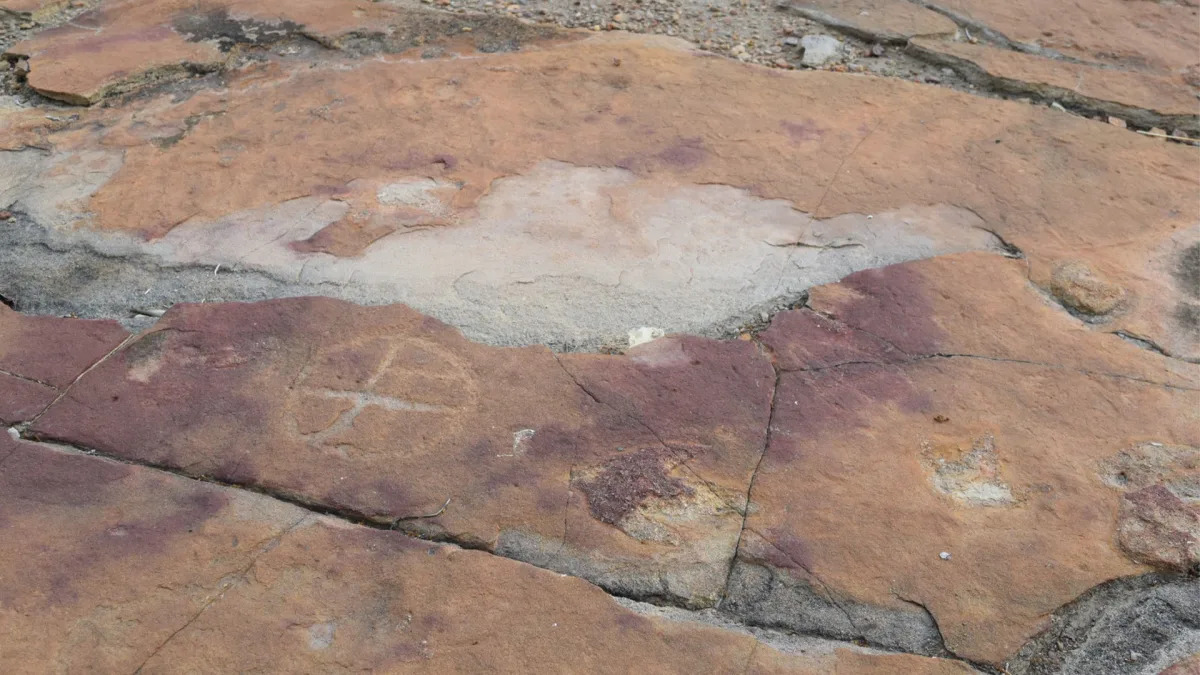
Archaeologists have discovered mysterious carvings, known as petroglyphs, near ancient dinosaur footprints in Brazil's Paraíba State. The footprints date back to the Early Cretaceous Period, between 145 to 100 million years ago, and belong to theropod, sauropod, and iguanodontian dinosaurs. The carvings, featuring circular motifs, were made carefully without touching the footprints, suggesting thoughtfulness by the makers. The researchers believe the carvings were created to mark the footprints as meaningful, but the exact time period of the carvings remains uncertain. Further research is needed to determine their chronology.

"Discovery of Ancient Rock Art Linked to Dinosaur Footprints in Brazil"

Originally Published 1 year ago — by IFLScience

Featured image for "Discovery of Ancient Rock Art Linked to Dinosaur Footprints in Brazil"
Source: IFLScience

In northeast Brazil, a site called Serrote do Letreiro has revealed a rare combination of dinosaur footprints and ancient rock carvings, or petroglyphs, from the Early Cretaceous period. This unique discovery represents the first instance of such close proximity between petroglyphs and dinosaur tracks. The petroglyphs, created by pre-colonial humans, display a symbolic connection with the fossil record, suggesting an intentional incorporation of the dinosaur footprints into their cultural expression. The site's remarkable juxtaposition of paleontology and archaeology highlights the active engagement of pre-colonial Brazilians with the fossil record, emphasizing the need for conservation measures to protect this invaluable cultural heritage.