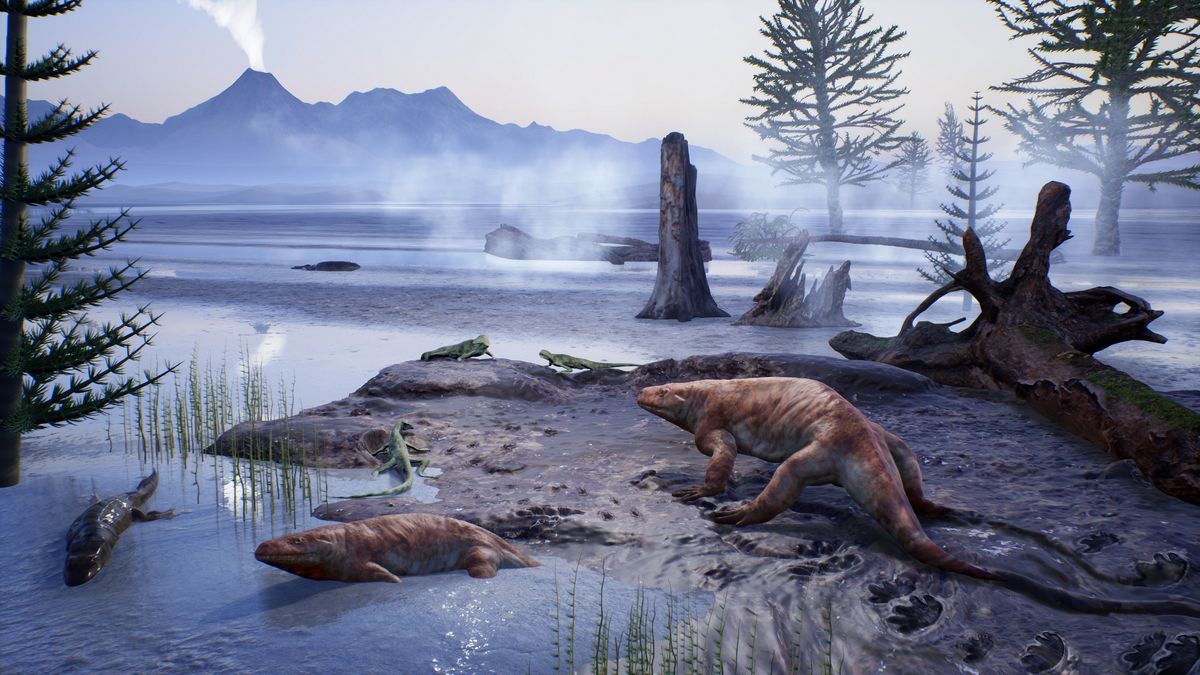
Scientists have uncovered detailed fossils from southern Africa that reveal the rich ecosystems just before Earth's largest mass extinction at the end of the Permian period, providing new insights into which species thrived and which vanished, and offering a broader understanding of global extinction patterns.
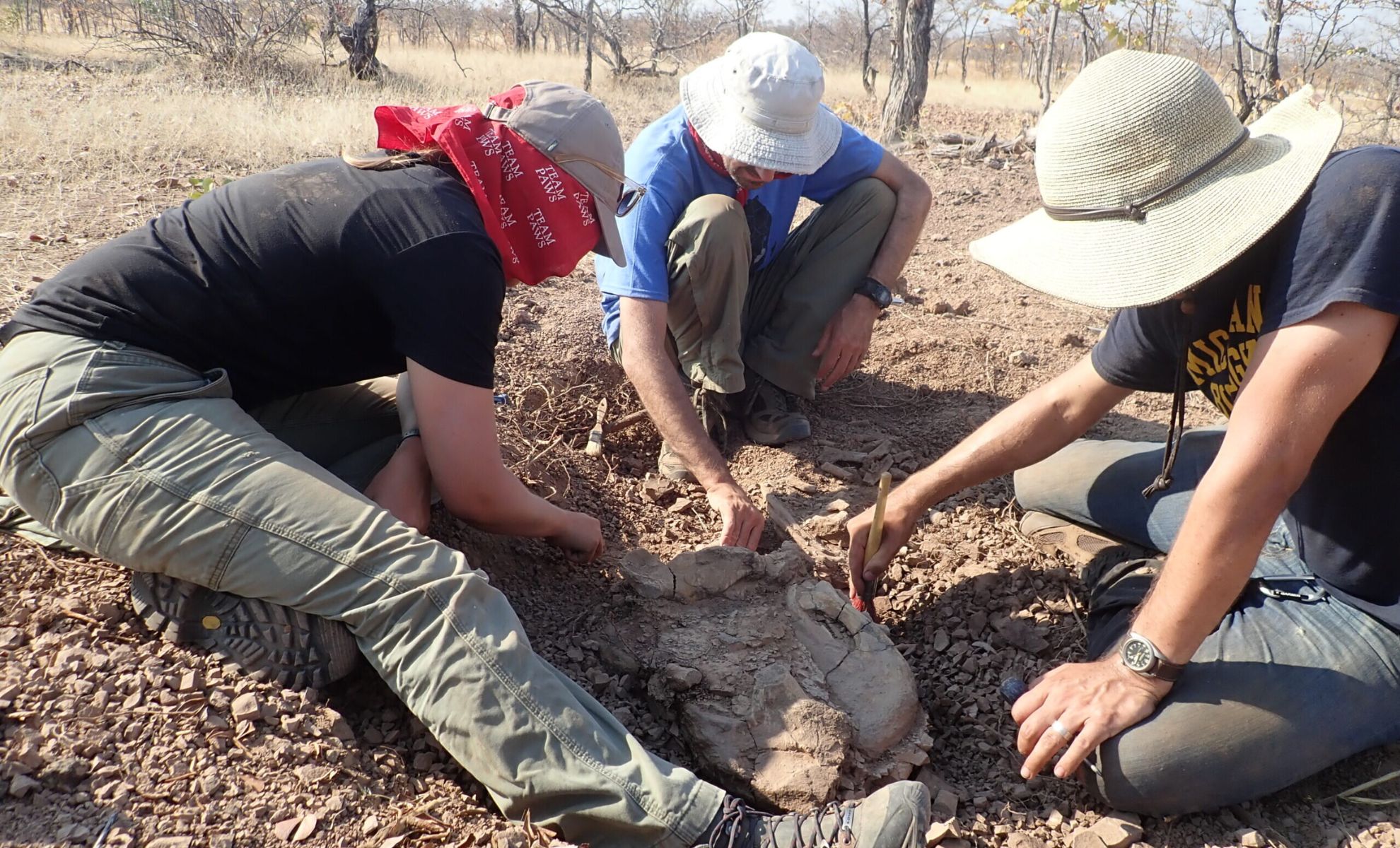
An international team of paleontologists has uncovered a rich collection of Permian fossils in Africa, providing new insights into the species that lived before the Earth's largest mass extinction, the Great Dying, about 252 million years ago, and helping to better understand the evolution and resilience of life on Earth.
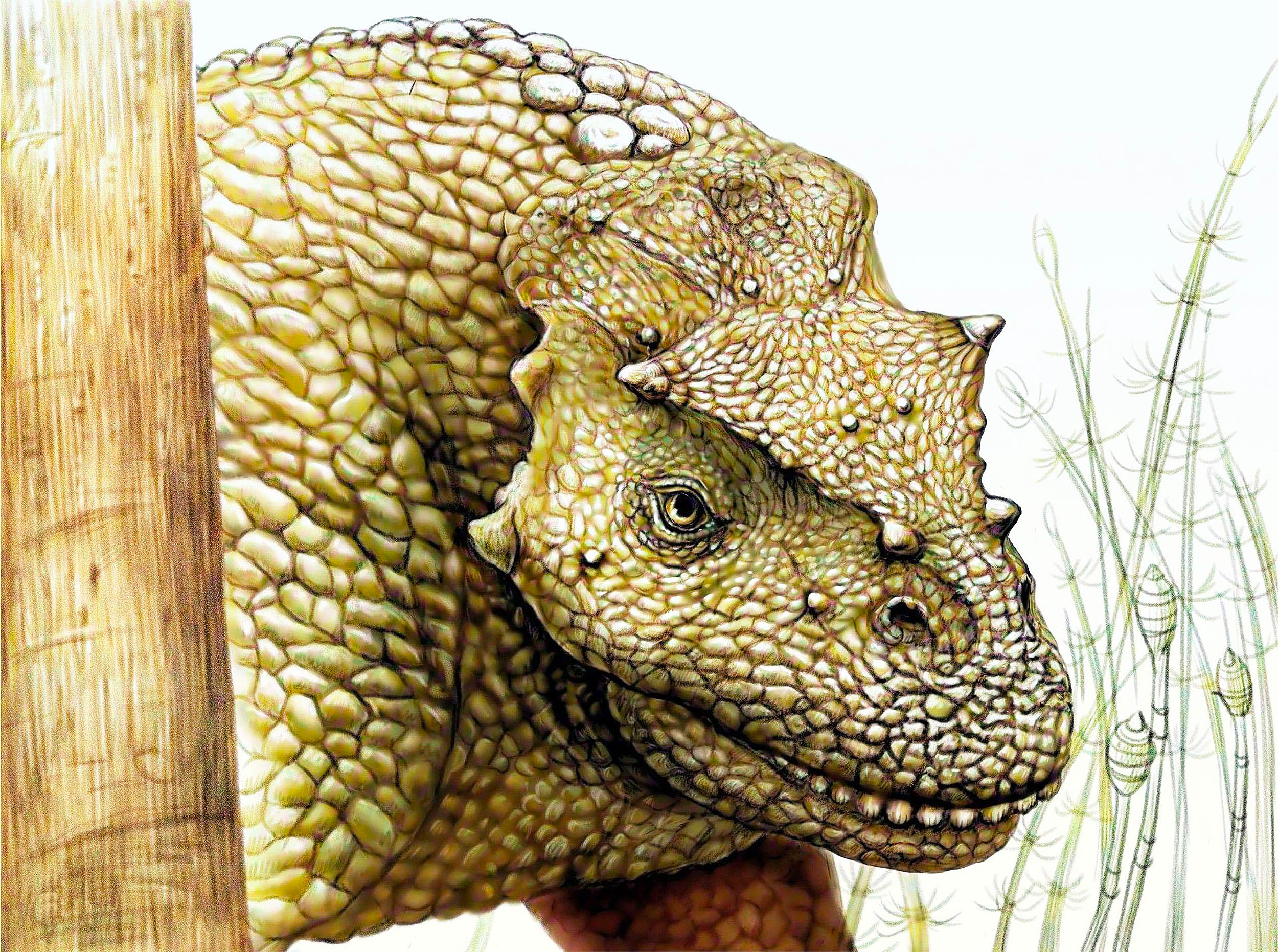
Scientists in China discovered a new fossil skull of Yinshanosaurus angustus, a prehistoric herbivorous reptile from 259 million years ago, providing insights into the diversity and adaptations of animals before the Permian extinction, and helping to fill gaps in the evolutionary history of pareiasaurs.
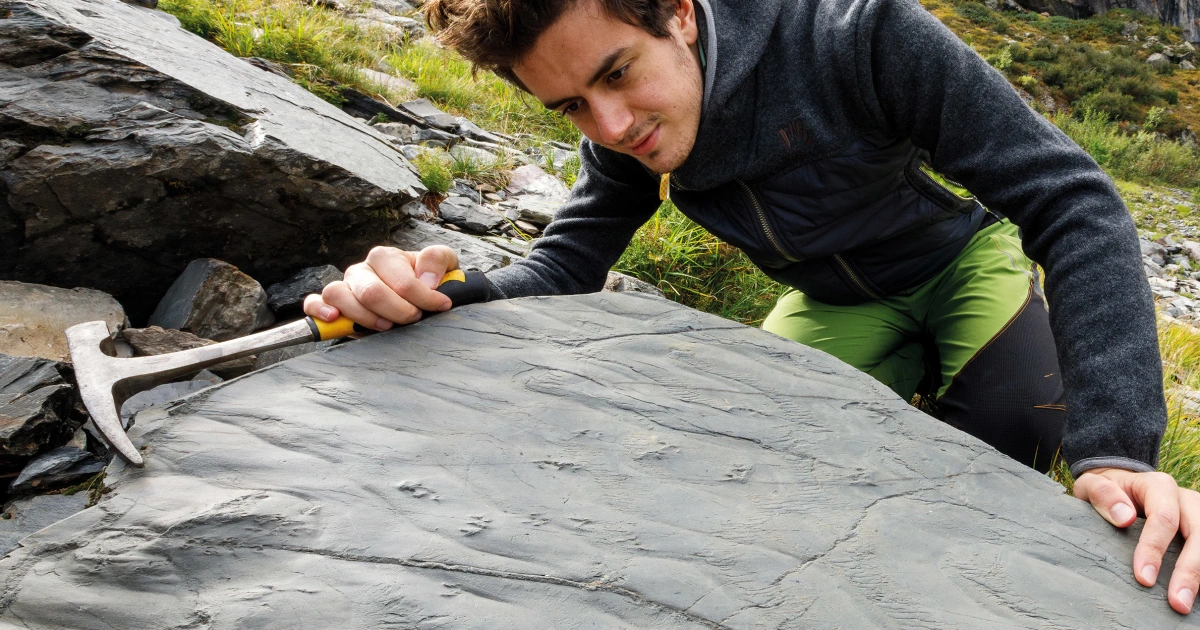
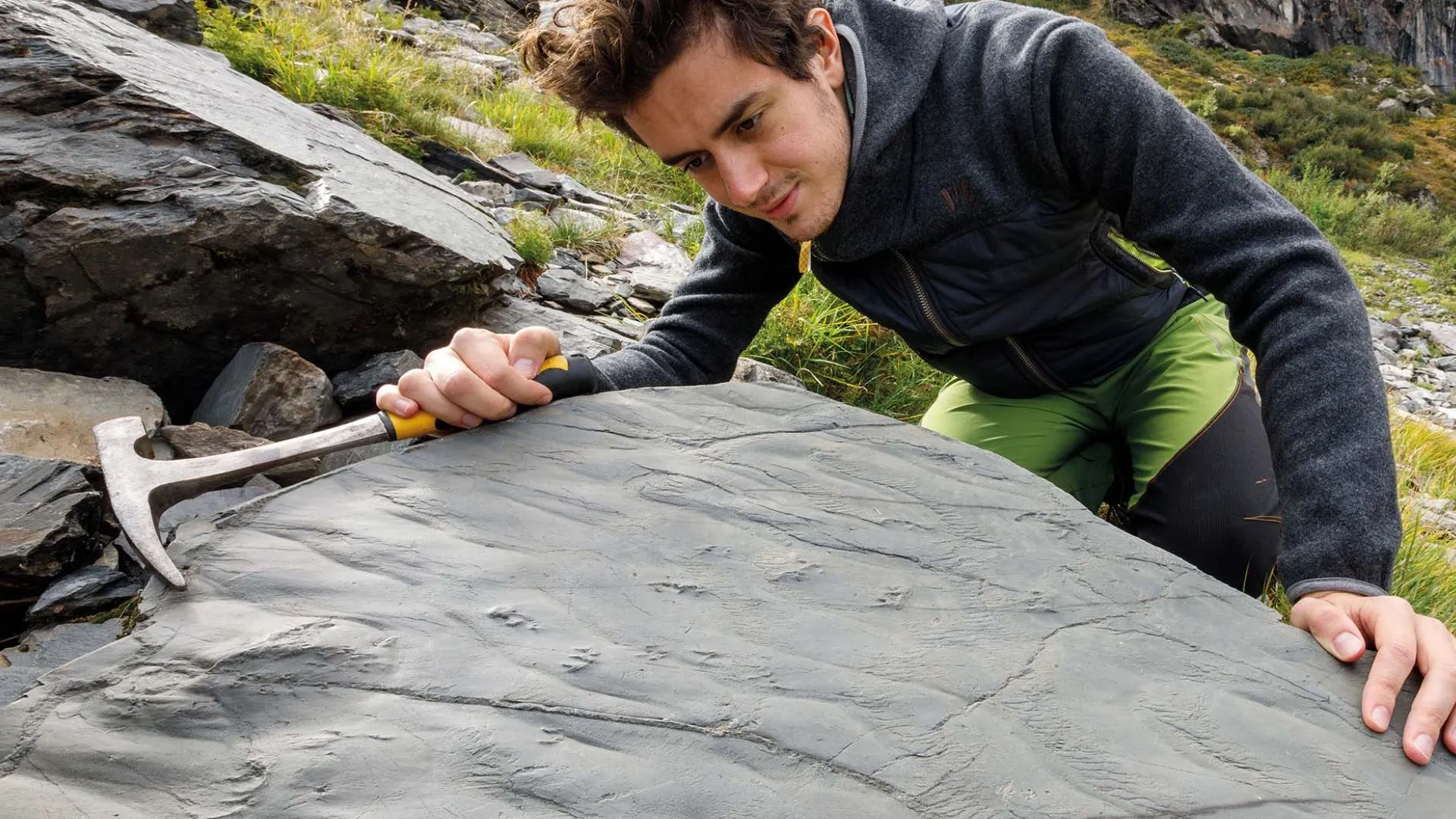
A hiker in the Italian Alps discovered a 280-million-year-old ecosystem preserved in sandstone slabs, revealing fossilized footprints of reptiles and amphibians, plant fragments, and environmental imprints from the Permian period. This find offers insights into ancient climates and ecosystems, highlighting the evolutionary developments before the age of dinosaurs. The fossils, preserved by unique geological processes, provide crucial data for understanding how life adapted to extreme environmental changes, offering lessons for addressing modern climate challenges.
A woman hiking in the Italian Alps discovered a 280 million-year-old ecosystem, including reptile footprints and plant fossils, from the Permian period. This ancient ecosystem, preserved in fine-grained sandstone, was found at high altitudes and offers insights into prehistoric life and climate conditions similar to today's global warming. The discovery highlights the impact of climate change, as melting ice and snow in the Alps reveal hidden fossils.
A hiker in the Italian Alps discovered an ecosystem predating dinosaurs, revealed by melting snow due to climate change. The find includes well-preserved footprints from the Permian period, around 280 million years ago, showcasing a variety of vertebrate and invertebrate tracks. This discovery highlights environmental shifts similar to today's climate crisis, offering insights into past extinctions and current ecological risks.
A hiker in the Italian Alps discovered 280-million-year-old fossils, revealing a prehistoric ecosystem from the Permian period, predating dinosaurs. The melting ice, due to climate change, exposed well-preserved footprints of ancient reptiles, amphibians, and insects. This significant find, made at high altitudes, offers insights into life before the age of dinosaurs and highlights the impact of climate change on uncovering hidden paleontological treasures.
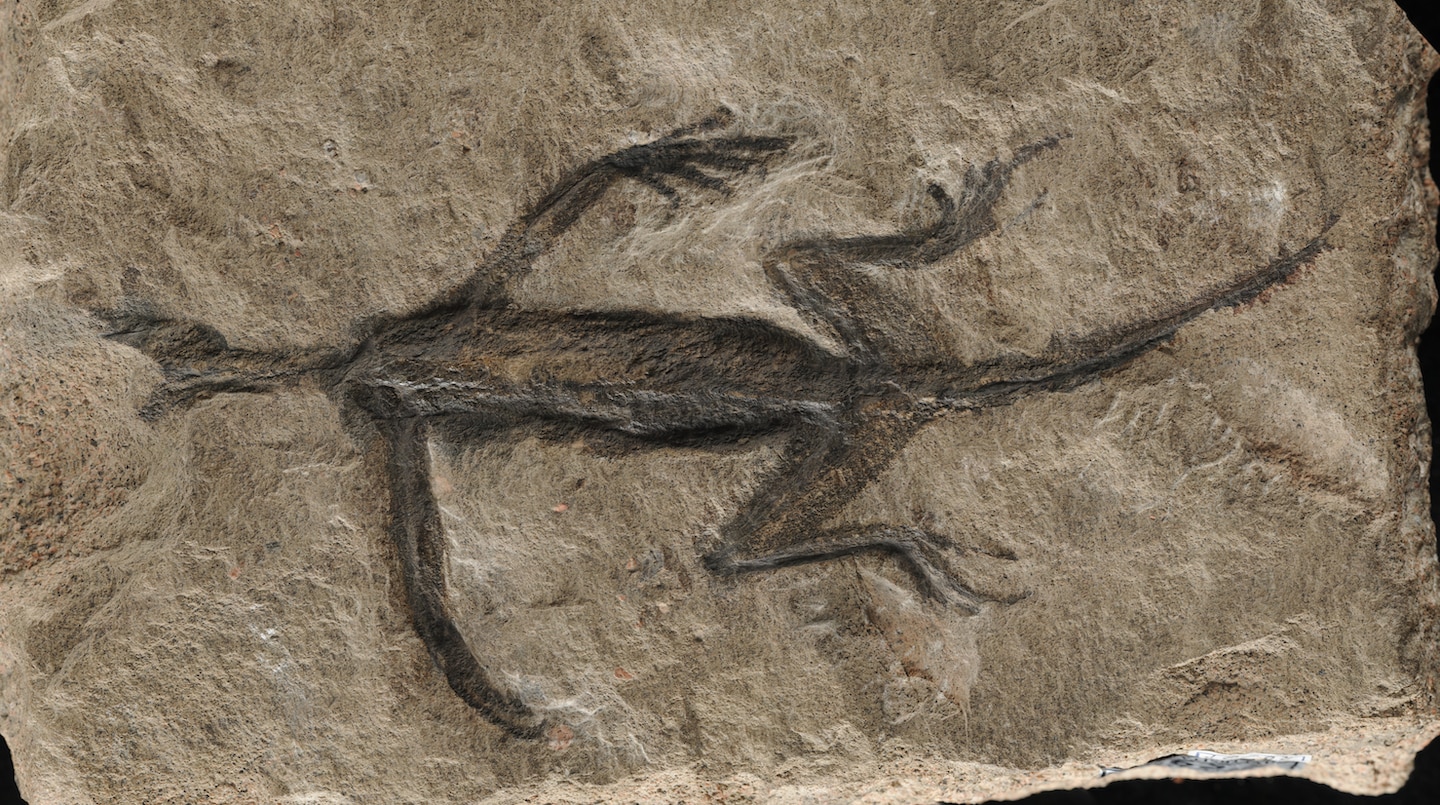
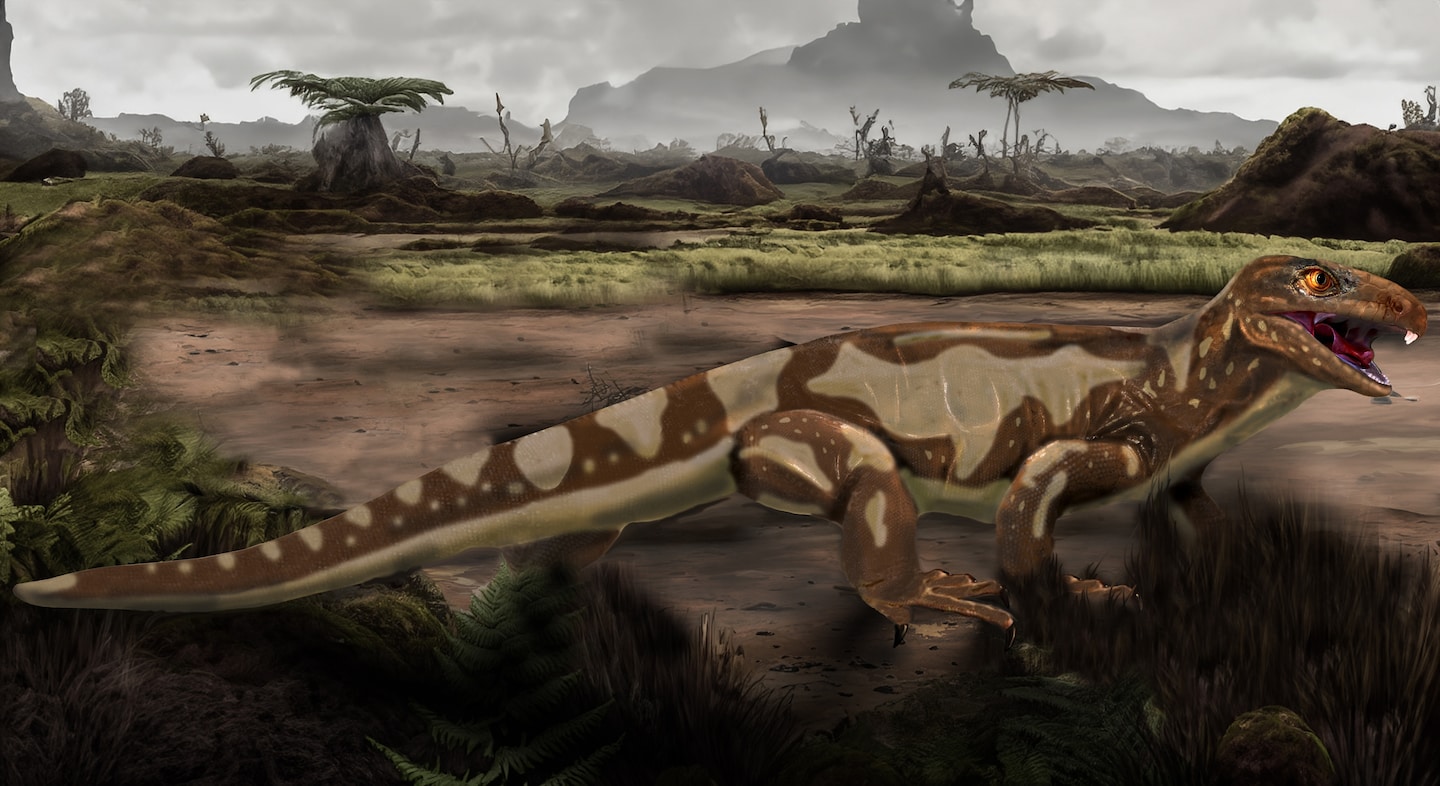
A fossil believed to be a 280 million-year-old reptile species from the Permian period, discovered in the Italian Alps in 1931, has been revealed to be a forgery with most of the reptile's body being black paint applied to preserve a few bones embedded in the rock. The origins of the forgery remain unknown, but researchers hope to uncover the true identity of the animal underneath the paint. This discovery sheds light on the challenges of accurately identifying and preserving ancient fossils, and highlights the need for continued research and technological advancements in the field of paleontology.
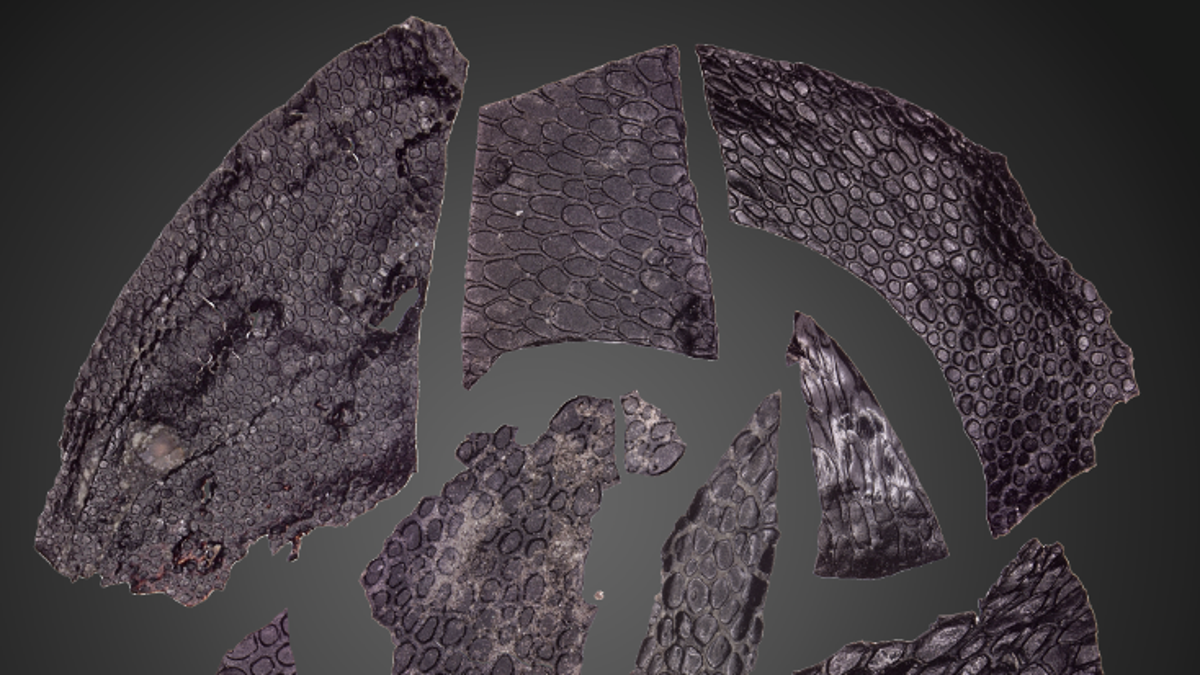
Scientists have discovered the oldest known piece of preserved skin, dating back about 289 million years to the early days of the Permian period, in a cave in Oklahoma. The fossilized skin, resembling that of early reptiles, provides valuable insights into the adaptation of terrestrial animals to life on land and sheds light on the later development of feathers and hair. The rare find offers crucial information about the evolutionary history of life on Earth and the dynamics of ancient ecosystems during a pivotal time in Earth’s history.
Researchers have discovered the oldest known fossilized skin, dating back to the early Permian Period, in a limestone cave system in Oklahoma. Belonging to an ancient reptile, the epidermis sample is smaller than a fingernail and is the first-known skin-cast fossil from the Paleozoic Era. Preserved by interactions between hydrocarbons in petroleum and tar, the skin bears similarities to crocodile skin and provides insight into the initial stages of amniote diversification.
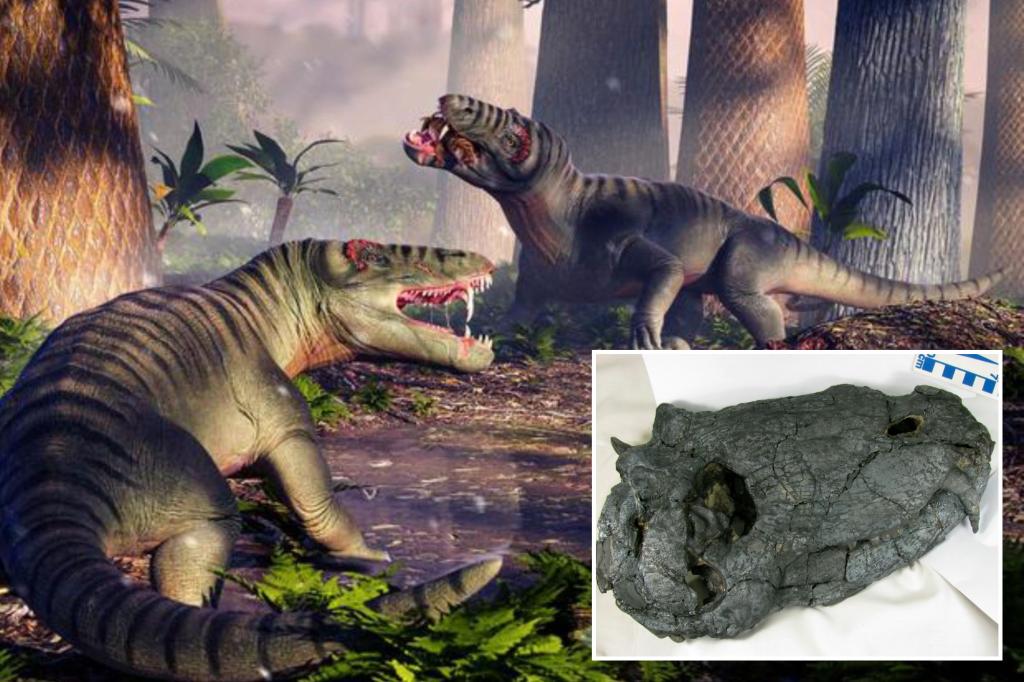
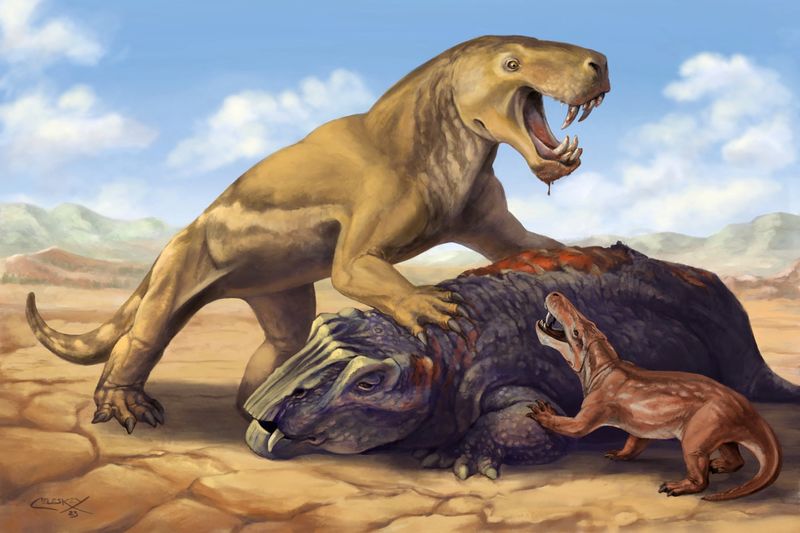
Scientists have discovered the skull of a fearsome prehistoric predator called Pampaphoneus biccai in Brazil, which lived 265 million years ago, 40 million years before dinosaurs. This carnivorous beast, belonging to the dinocephalia clade, had large canine teeth and a strong bite capable of chewing bones. Pampaphoneus was a towering 3 meters tall and weighed an estimated 400 kilograms. The well-preserved fossil provides new insights into the species and its ecological role, shedding light on the terrestrial ecosystems before the largest mass extinction event in history.
A new archaeological study has revealed the existence of Pampaphoneus biccai, apex predators that dominated the Earth 40 million years before the dinosaurs. The discovery of a nearly complete skull in Brazil provides insight into the community structure of terrestrial ecosystems prior to the largest mass extinction event in history. Pampaphoneus biccai, part of the therapsid family, was the largest terrestrial predator known from the Permian period in South America. These prehistoric beasts had thick cranial bones and were comparable to modern-day big cats in their ecological role.
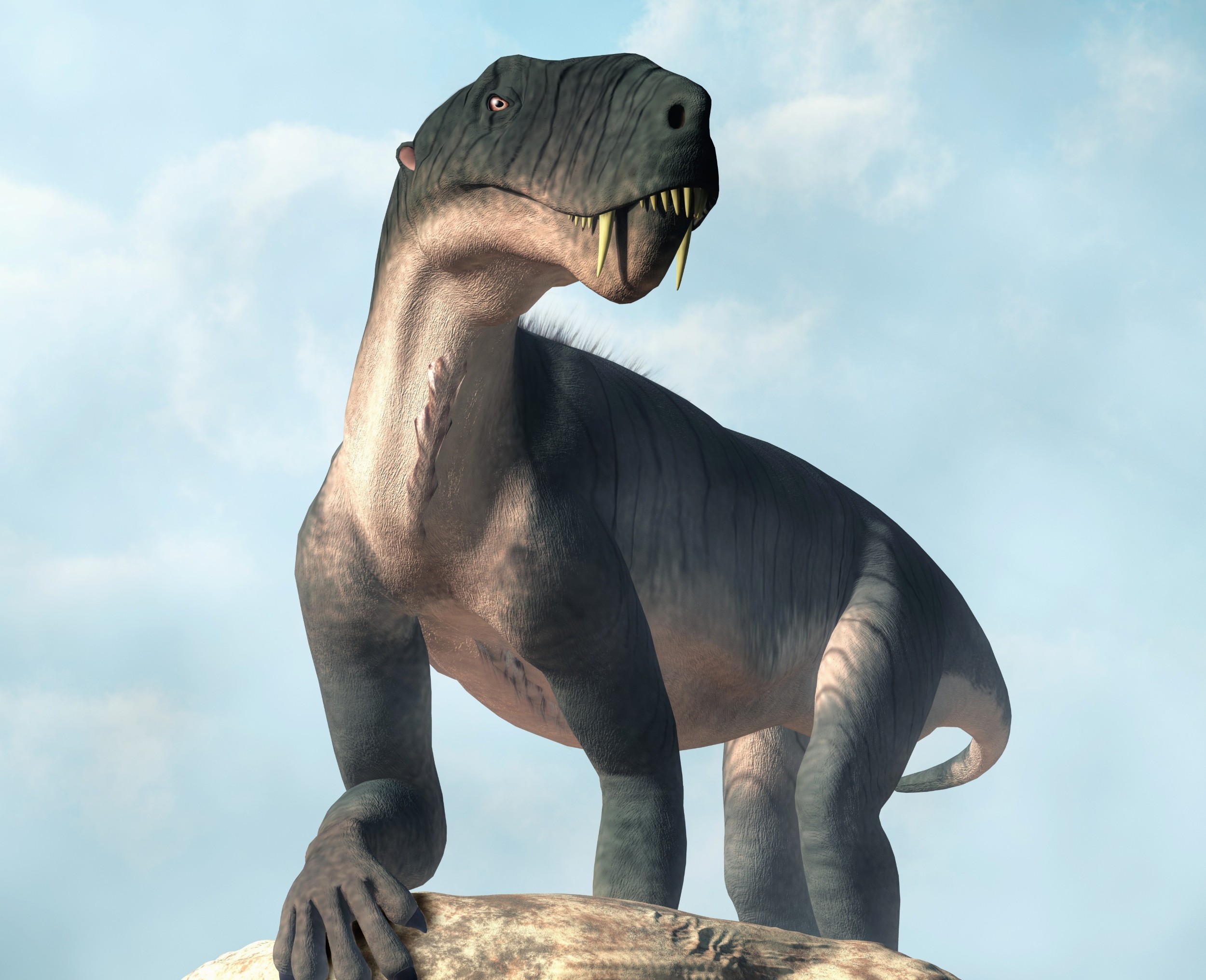
Fossils of Inostrancevia, a saber-toothed mammal forerunner, have been discovered in South Africa, revealing that the apex predator migrated halfway around the world over multiple generations in a desperate bid to survive the mass extinction event at the end of the Permian Period. The fossils suggest that Inostrancevia filled the ecological niche of top predator in South Africa left vacant after four other species had already vanished. However, it ultimately failed to survive and disappeared in the mass extinction called "the Great Dying." The researchers see parallels between the Permian crisis and today's human-induced climate change.
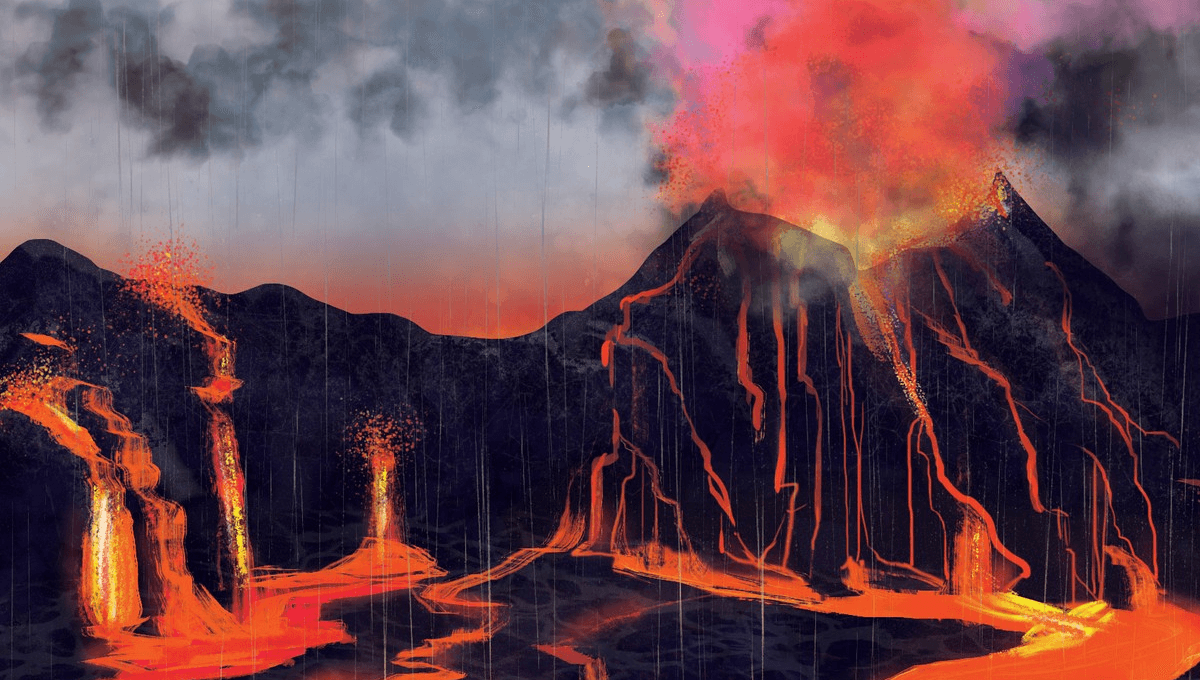
A new study suggests that the Capitanian age mass extinction, which occurred 260 million years ago, was actually two events caused by massive volcanic eruptions. The oceans experienced a catastrophic loss of oxygen twice in 3 million years, leading to widespread global extinctions. The findings could explain a major point of confusion about the Permian period, a time overshadowed by its catastrophic ending in the greatest mass extinction event of all. The authors blame immense volcanic eruptions for the mass marine extinction, which would have been replicated on land.
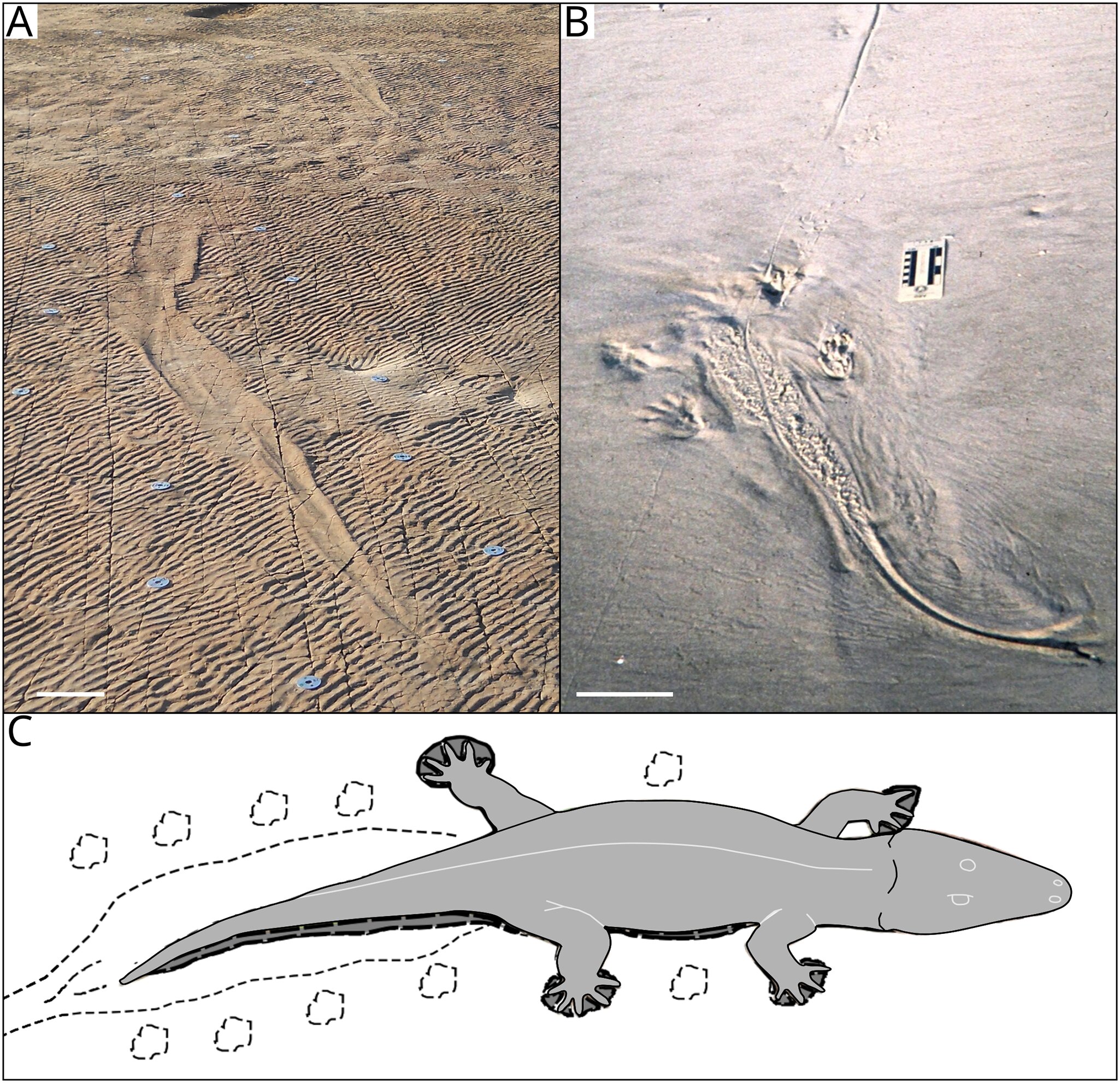
Researchers have discovered trace fossils of rhinesuchid temnospondyls, large predatory amphibians that lived over 250 million years ago in South Africa. The fossils indicate that these 2-meter-long amphibians swam like crocodiles, using continuous side-to-side tail motions and tucking their legs against their bodies while swimming. The fossils provide insight into the locomotion and behavior of these ancient animals and contribute to our understanding of ecosystems during the Permian Period.