Astronomers suggest that the interstellar object 3I/ATLAS may be the oldest comet ever observed, potentially originating from the Milky Way's ancient thick disk and around 7 billion years old, making it significantly older than our solar system's comets.
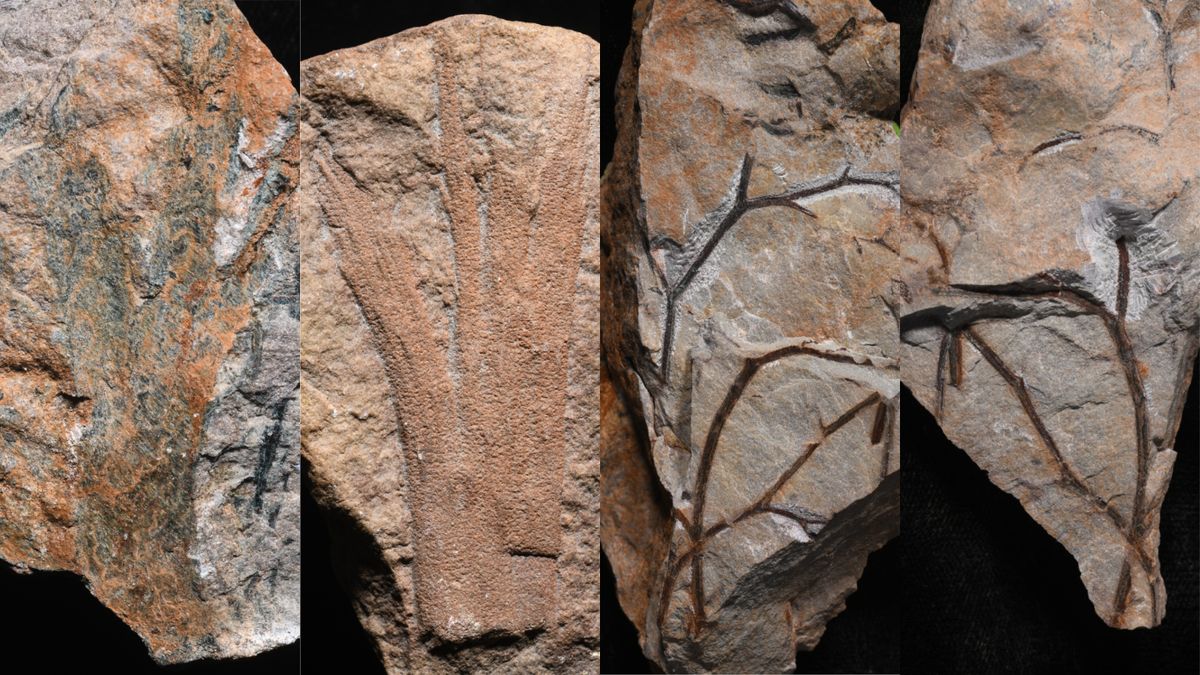
Fossilized trees discovered in southwest England have been identified as belonging to Earth's earliest-known forest, dating back 390 million years, making it the oldest known forest, surpassing the previous record held by the Gilboa fossil forest in New York. The newly discovered forest, which hosted a single type of plant called cladoxylopsids, sheds light on the evolution of forests and plant ecology during the Middle Devonian period. The finding suggests a sudden takeoff in forest-type environments around 390 million years ago and provides insight into the ancient ecosystem and the small critters that inhabited it.
Using the James Webb Space Telescope, researchers have discovered the oldest black hole ever observed, dating back to 400 million years after the big bang. This challenges existing models of black hole formation, as the size of the black hole suggests it would have required more time to form. The sensitivity of the Webb telescope has been credited with these groundbreaking findings, marking a new era in space observation.
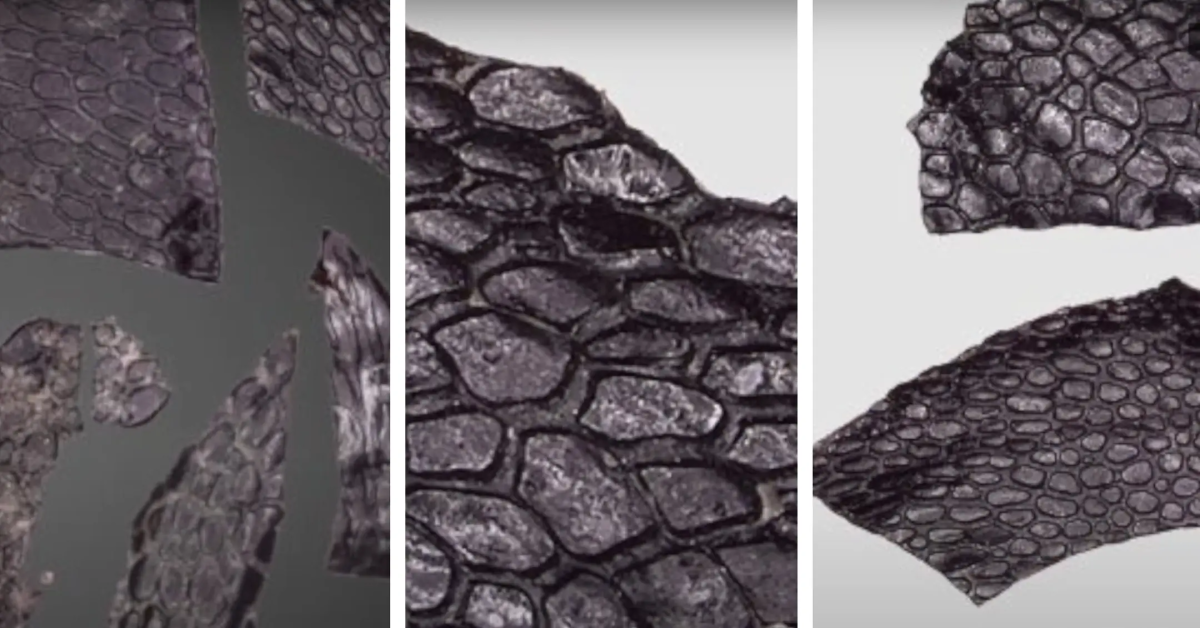
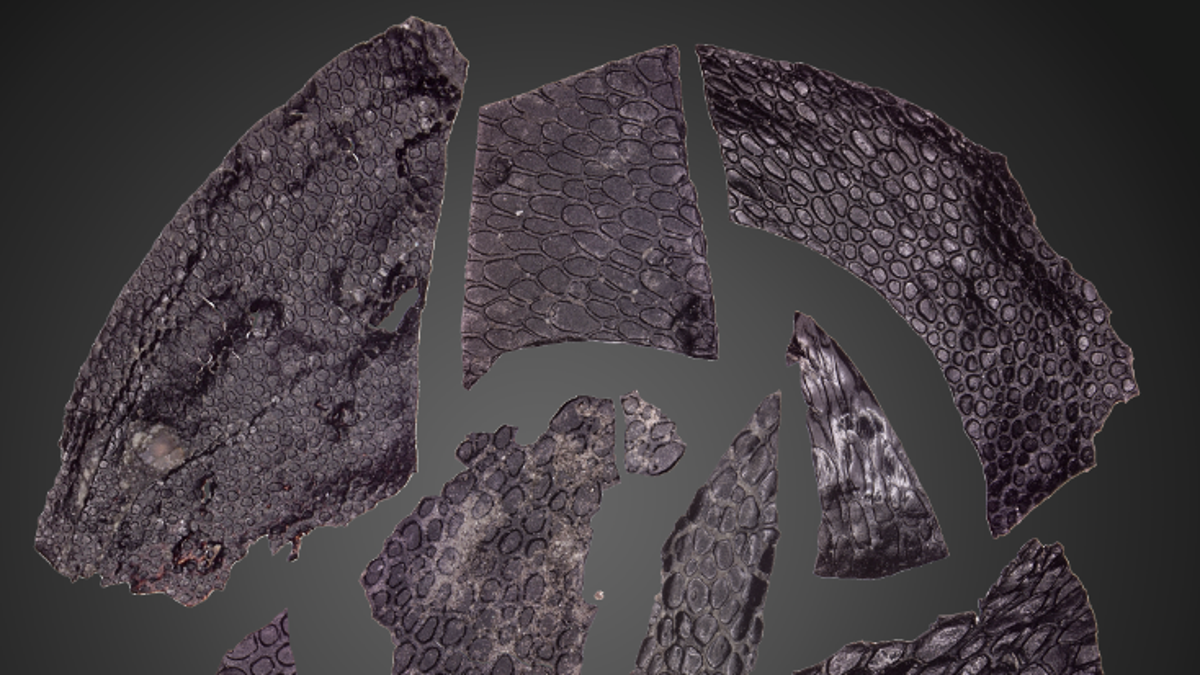
Paleontologists from the University of Toronto Mississauga have discovered the oldest known fossilized reptile skin in a cave in Oklahoma, estimated to be at least 286 million years old. The well-preserved skin fossil, resembling that of modern crocodiles, provides insight into a distant evolutionary past and is the oldest amniote skin ever found, offering valuable information about a key moment in animal biology. The finding was made possible by the unique preservation conditions in the Richards Spur cave system, which contains diverse and well-preserved fossils from the Paleozoic era.
Researchers have discovered the oldest known fossilized skin, dating back to the early Permian Period, in a limestone cave system in Oklahoma. Belonging to an ancient reptile, the epidermis sample is smaller than a fingernail and is the first-known skin-cast fossil from the Paleozoic Era. Preserved by interactions between hydrocarbons in petroleum and tar, the skin bears similarities to crocodile skin and provides insight into the initial stages of amniote diversification.
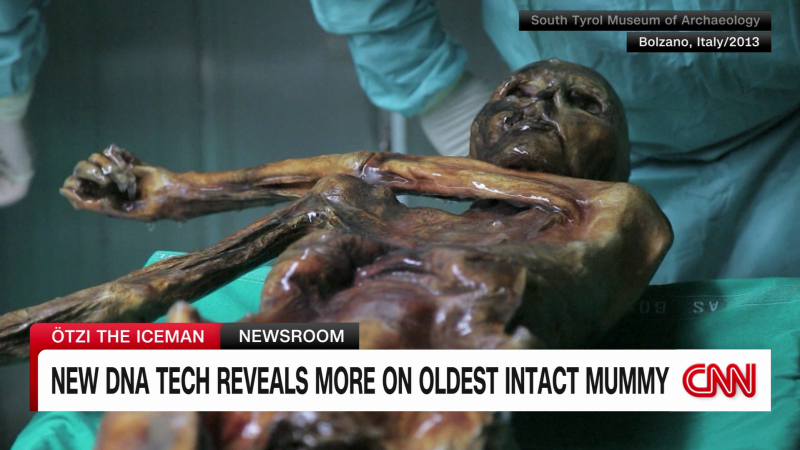
DNA technology has revealed new information about Ötzi the Iceman, the oldest human mummy found intact. Scientists have determined that he had dark skin and was likely balding.