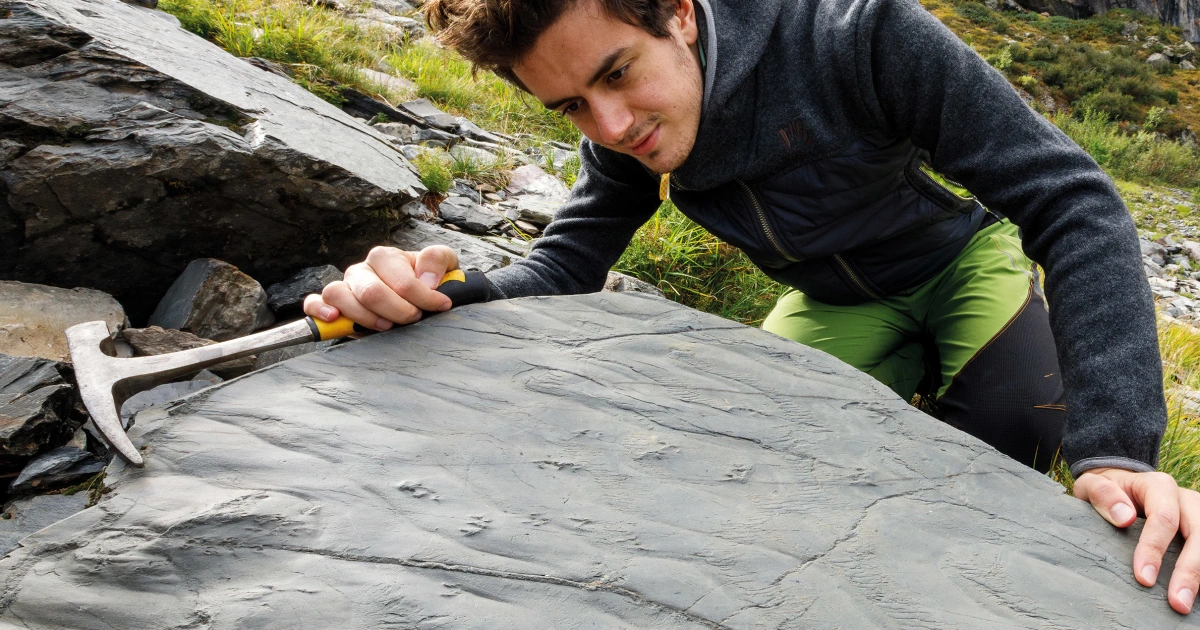
A hiker in the Italian Alps discovered a 280-million-year-old ecosystem, revealing fossilized tracks of prehistoric reptiles, insects, and amphibians from the Permian era. The site, known as "Rock Zero," has provided a wealth of fossils, including plant fragments and raindrop imprints, preserved in fine-grained sediments. This discovery, exposed by melting ice due to rising temperatures, serves as a reminder of the Permian period's rapid global warming and subsequent mass extinction.

A hiker in the Italian Alps discovered a 280-million-year-old ecosystem preserved in sandstone slabs, revealing fossilized footprints of reptiles and amphibians, plant fragments, and environmental imprints from the Permian period. This find offers insights into ancient climates and ecosystems, highlighting the evolutionary developments before the age of dinosaurs. The fossils, preserved by unique geological processes, provide crucial data for understanding how life adapted to extreme environmental changes, offering lessons for addressing modern climate challenges.
A woman hiking in the Italian Alps discovered a 280 million-year-old ecosystem, including reptile footprints and plant fossils, from the Permian period. This ancient ecosystem, preserved in fine-grained sandstone, was found at high altitudes and offers insights into prehistoric life and climate conditions similar to today's global warming. The discovery highlights the impact of climate change, as melting ice and snow in the Alps reveal hidden fossils.
A hiker in the Italian Alps discovered an ecosystem predating dinosaurs, revealed by melting snow due to climate change. The find includes well-preserved footprints from the Permian period, around 280 million years ago, showcasing a variety of vertebrate and invertebrate tracks. This discovery highlights environmental shifts similar to today's climate crisis, offering insights into past extinctions and current ecological risks.
Professional skier Jean Daniel Pession and his girlfriend Elisa Arlian died after falling 2,300 feet while mountaineering in the Pennine Alps. Their bodies were recovered by rescuers using helicopter equipment to detect cellphone signals. The couple was experienced in the trek and were close to the summit of Monte Zerbion when the accident occurred.
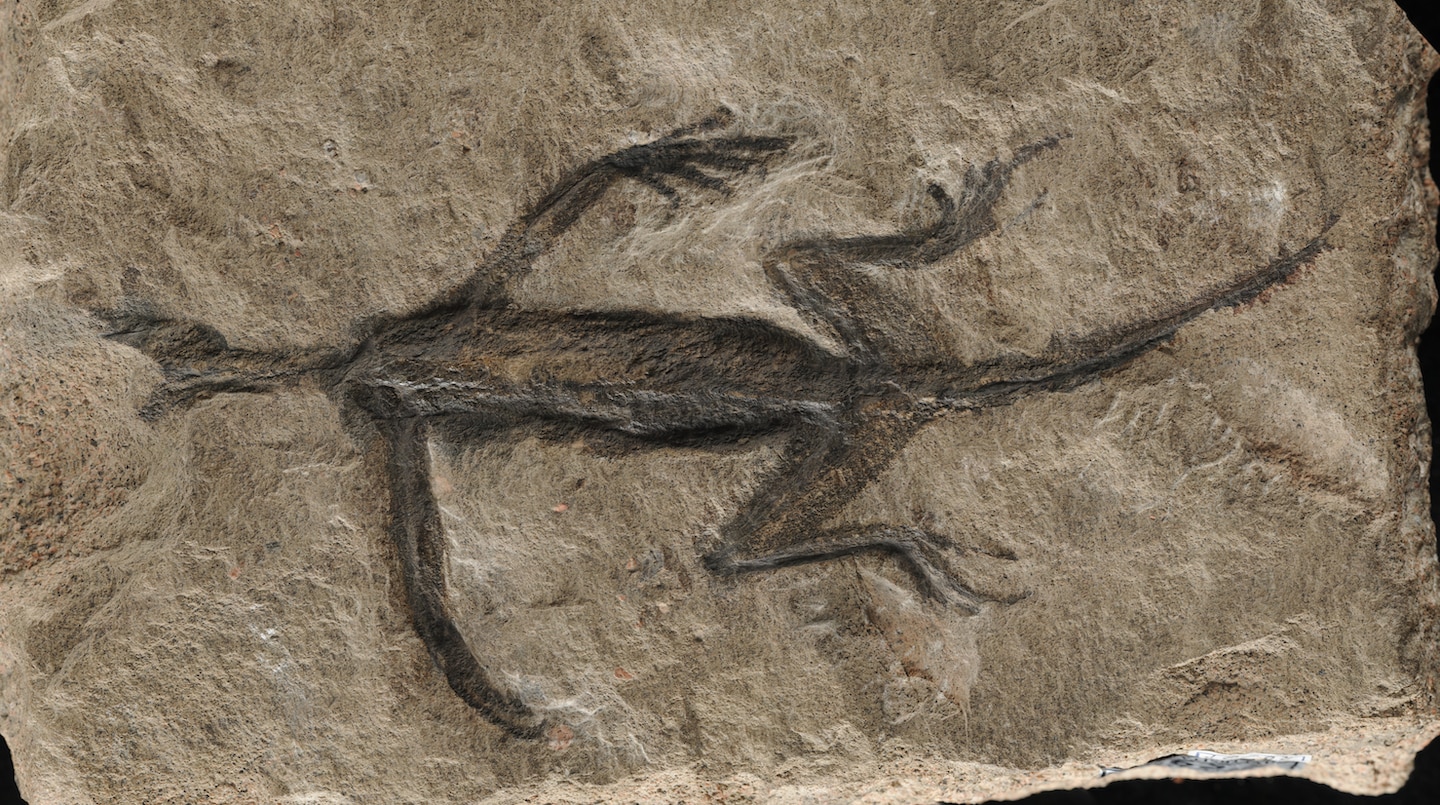
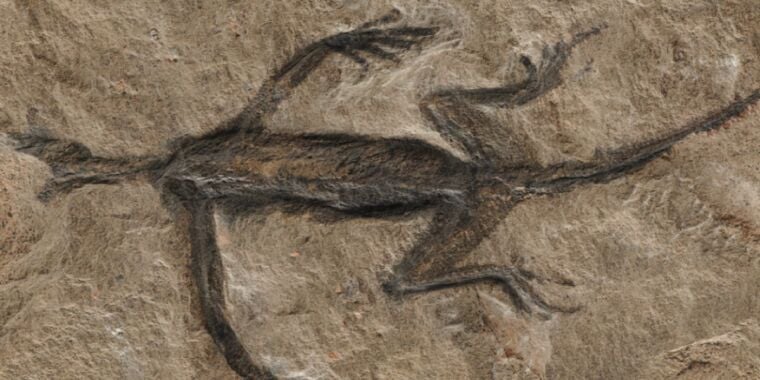
A fossil believed to be a 280 million-year-old reptile species from the Permian period, discovered in the Italian Alps in 1931, has been revealed to be a forgery with most of the reptile's body being black paint applied to preserve a few bones embedded in the rock. The origins of the forgery remain unknown, but researchers hope to uncover the true identity of the animal underneath the paint. This discovery sheds light on the challenges of accurately identifying and preserving ancient fossils, and highlights the need for continued research and technological advancements in the field of paleontology.
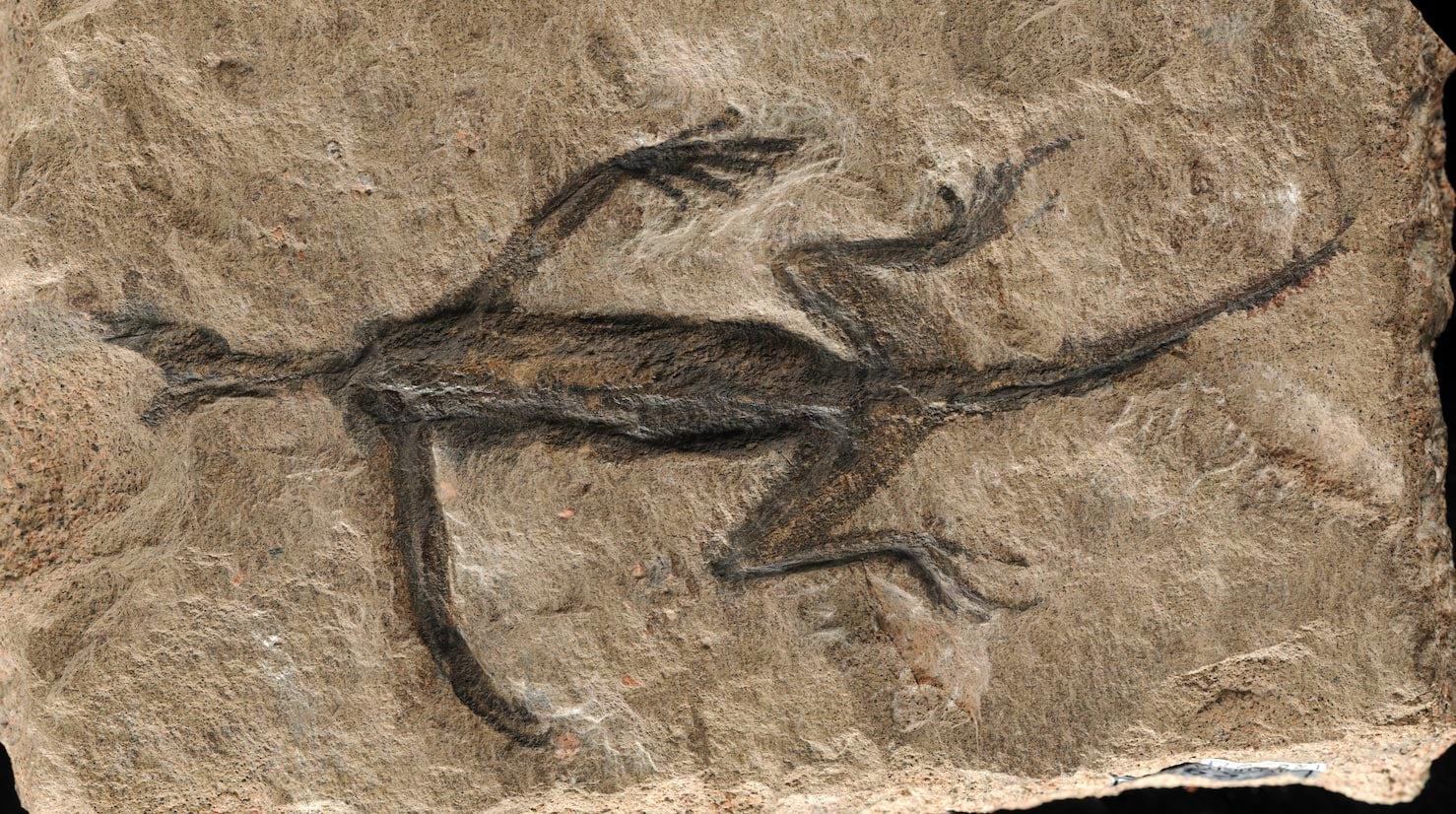
A fossil reptile specimen from the Italian Alps, believed to be 280 million years old and important for understanding early reptile evolution, has been revealed to be partly a forgery after a new examination. The fossil, Tridentinosaurus antiquus, was thought to have preserved soft tissues, but it was found to be mostly black paint on a carved lizard-shaped rock surface. While the bones of the hindlimbs and tiny bony scales are genuine but poorly preserved, caution is now urged in using this specimen for future research.
A 280-million-year-old fossil, Tridentinosaurus antiquus, discovered in the Italian Alps in 1931 and thought to show preserved soft tissues, has been revealed to be partly a forgery with its body outline being painted. New research led by Dr. Valentina Rossi of University College Cork uncovered the deception, cautioning against its use in future studies. While the fossil's body outline is artificial, the bones of the hindlimbs and tiny bony scales called osteoderms are genuine, shedding light on the reptile's anatomy.
A fossil discovered in the Italian Alps in 1931, believed to be an ancient lizard with exceptionally preserved soft tissue, has been revealed to be a fake. A recent analysis led by paleobiologist Valentina Rossi discovered that the soft tissue was actually black paint. While the revelation was unexpected and disappointing, it opens up new opportunities for studying the genuine parts of the fossil and potentially finding new specimens at the excavation site. The research sheds light on the history of paleontology and the advancements in molecular-level fossil analysis.
A 280 million-year-old reptilian fossil discovered in the Italian Alps, known as Tridentinosaurus antiquus, has been revealed to be a forgery due to the presence of bone-black paint creating the illusion of preserved soft tissue. The fossil, discovered in 1931, was believed to be a significant find for understanding early reptile evolution, but a recent analysis using advanced techniques concluded that the dark outline surrounding the skeleton is not genuine. This discovery highlights the importance of careful analysis and reporting of fossil finds to prevent misinformation and irreversible damage to specimens.
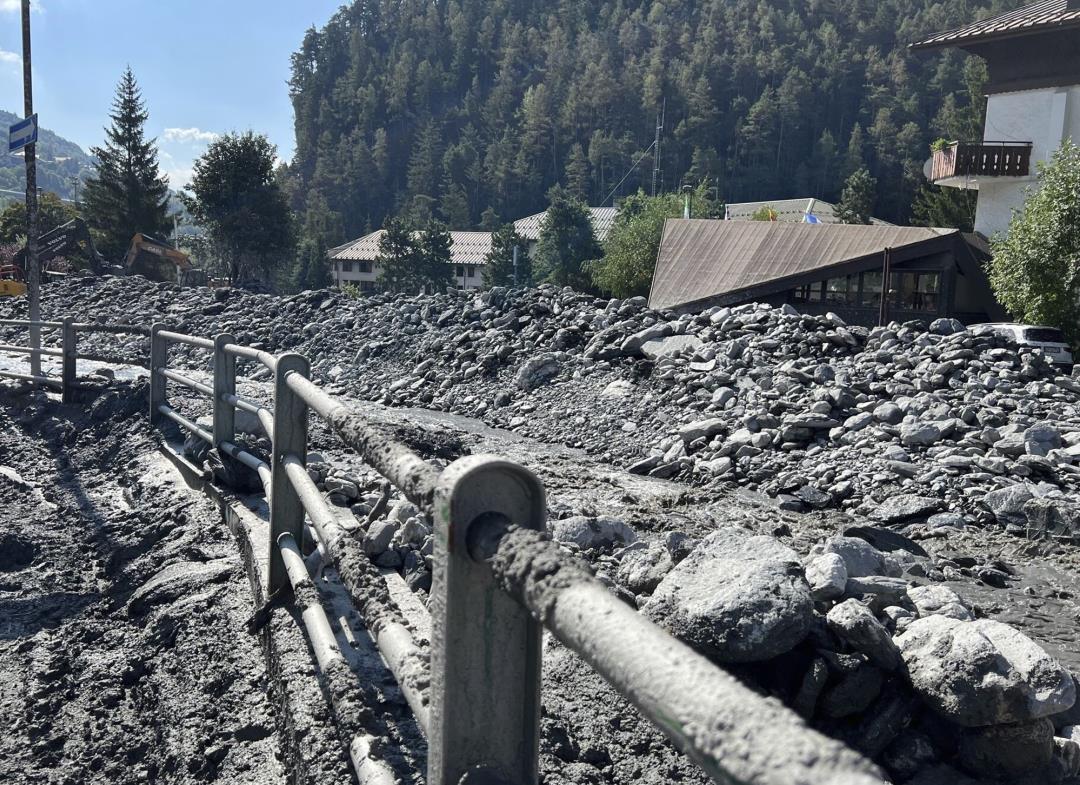
A violent mudslide swept through the vacation town of Bardonecchia in the Italian Alps, causing significant damage to buildings, bridges, and the local police station. One person suffered minor injuries, while five initially reported missing have since been traced. The town's access has been cut off, except for emergency services, and about 120 people have been displaced. Firefighters rescued six people trapped in a camper carried downstream by floodwaters. Cleanup efforts are underway, with civil protection crews and experts assessing the hydrogeological situation of a local river. Gas supply has been turned off to prevent explosions.