
Tag

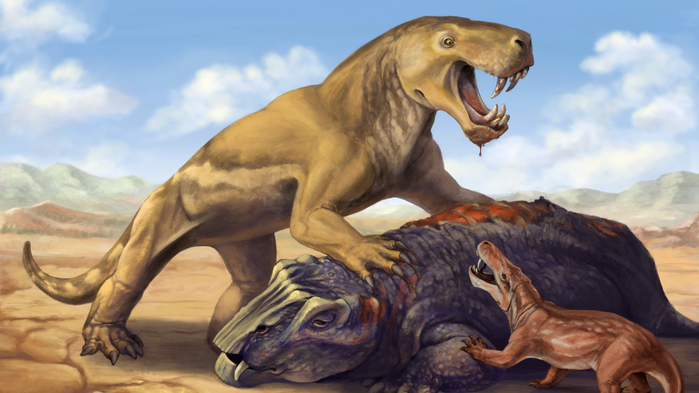
Inostrancevia

All articles tagged with #inostrancevia

paleontology2 years ago

The Rise and Fall of an Ancient Saber-Toothed Predator.

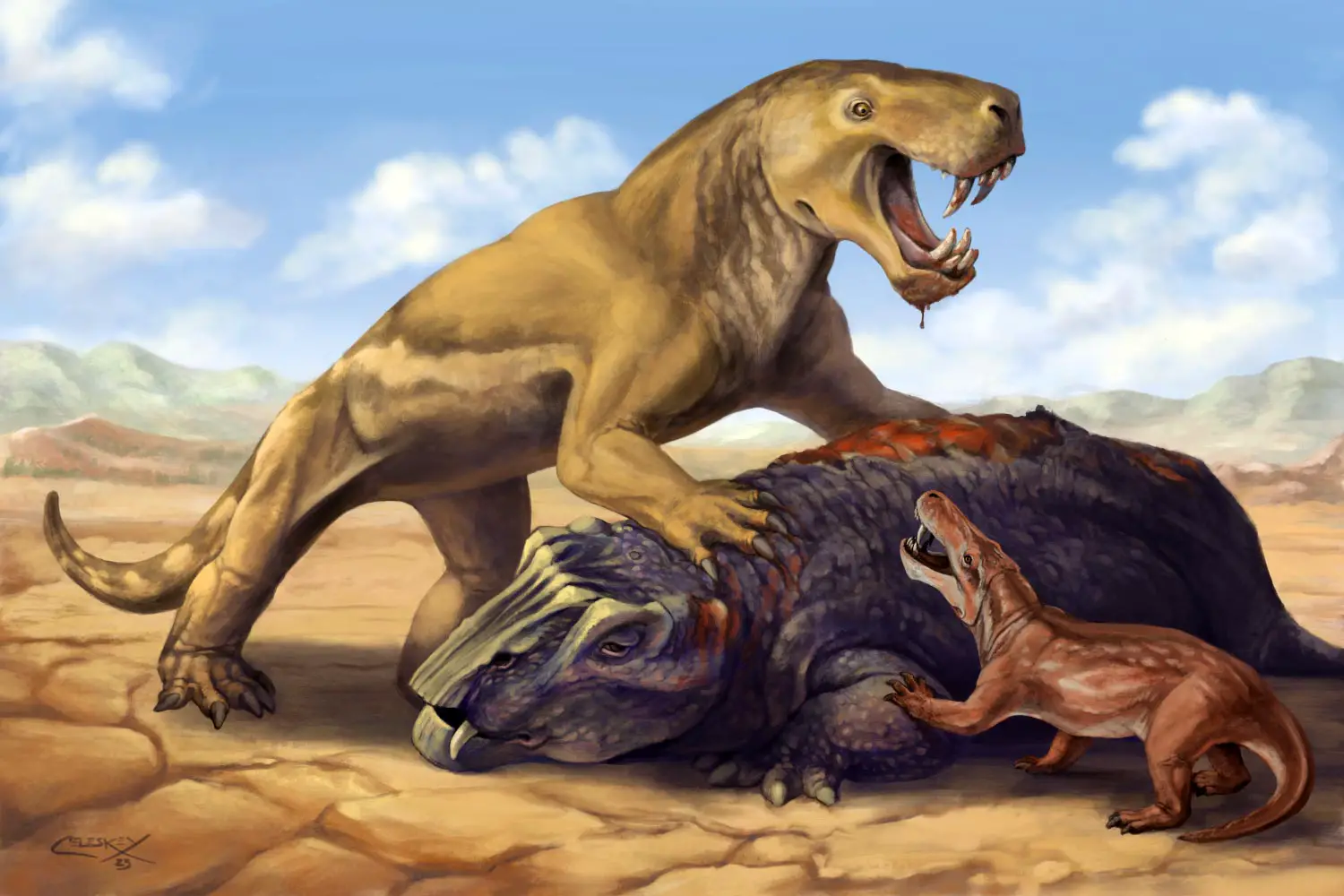
Scientists have discovered that a saber-toothed beast called Inostrancevia briefly dominated southern ecosystems after migrating across the supercontinent Pangaea from what is now Russia to South Africa. Inostrancevia belonged to an ancient group of mammals called the gorgonopsians that went extinct during the “Great Dying,” also known as the Permian-Triassic or late-Permian mass extinction. The discovery suggests that top predators were "canaries in the coal mine" for the mass extinction and sheds light on the great die-out that’s unfolding today.
paleontology2 years ago

Saber-Toothed Predator Unveils Insights into the "Great Dying" Extinction Event.

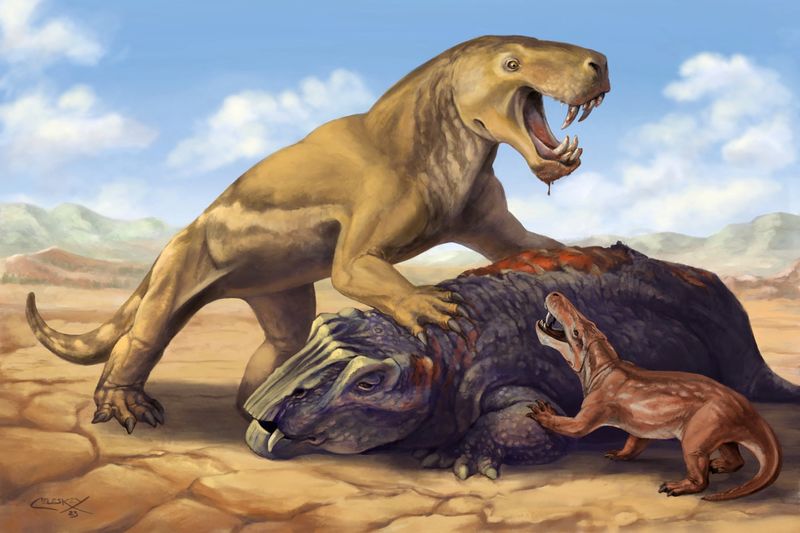
Fossils of Inostrancevia, a saber-toothed predator the size of a tiger, were discovered in South Africa's Karoo Basin, 7,000 miles from its original habitat in Russia. The creature filled a gap left by extinct top predators in a far-flung ecosystem before becoming extinct itself, indicating that apex predators could serve as early indicators of impending mass extinctions. Researchers draw parallels between these prehistoric patterns and current ecological crises, underscoring the importance of understanding ancient extinction events to predict and possibly mitigate today's biodiversity loss.

science2 years ago

The Epic Journey and Dominance of a Saber-Toothed Predator Before the Great Dying.

Fossils of Inostrancevia, a saber-toothed mammal forerunner, have been discovered in South Africa, revealing that the apex predator migrated halfway around the world over multiple generations in a desperate bid to survive the mass extinction event at the end of the Permian Period. The fossils suggest that Inostrancevia filled the ecological niche of top predator in South Africa left vacant after four other species had already vanished. However, it ultimately failed to survive and disappeared in the mass extinction called "the Great Dying." The researchers see parallels between the Permian crisis and today's human-induced climate change.