A new American Heart Association scientific statement highlights the association between gum disease and increased risk of cardiovascular events, emphasizing that prevention and treatment of periodontal disease may help reduce cardiovascular disease risk, although causality has not been definitively established.
The article highlights that two common dental issues, gum disease and periodontal disease, are linked to an 86% higher risk of stroke, emphasizing the importance of maintaining good oral health to reduce stroke risk.
Researchers have reconstructed the face of a Neanderthal man who lived 56,000 years ago using skeletal remains found in France. The reconstruction reveals an old man with a long beard and suffering from severe periodontal disease. The study suggests that this could be one of the earliest documented cases of zoonotic infectious disease spillover. The Neanderthal man's face, reconstructed using computed tomography scans, provides insights into the appearance and health conditions of our ancient relatives.
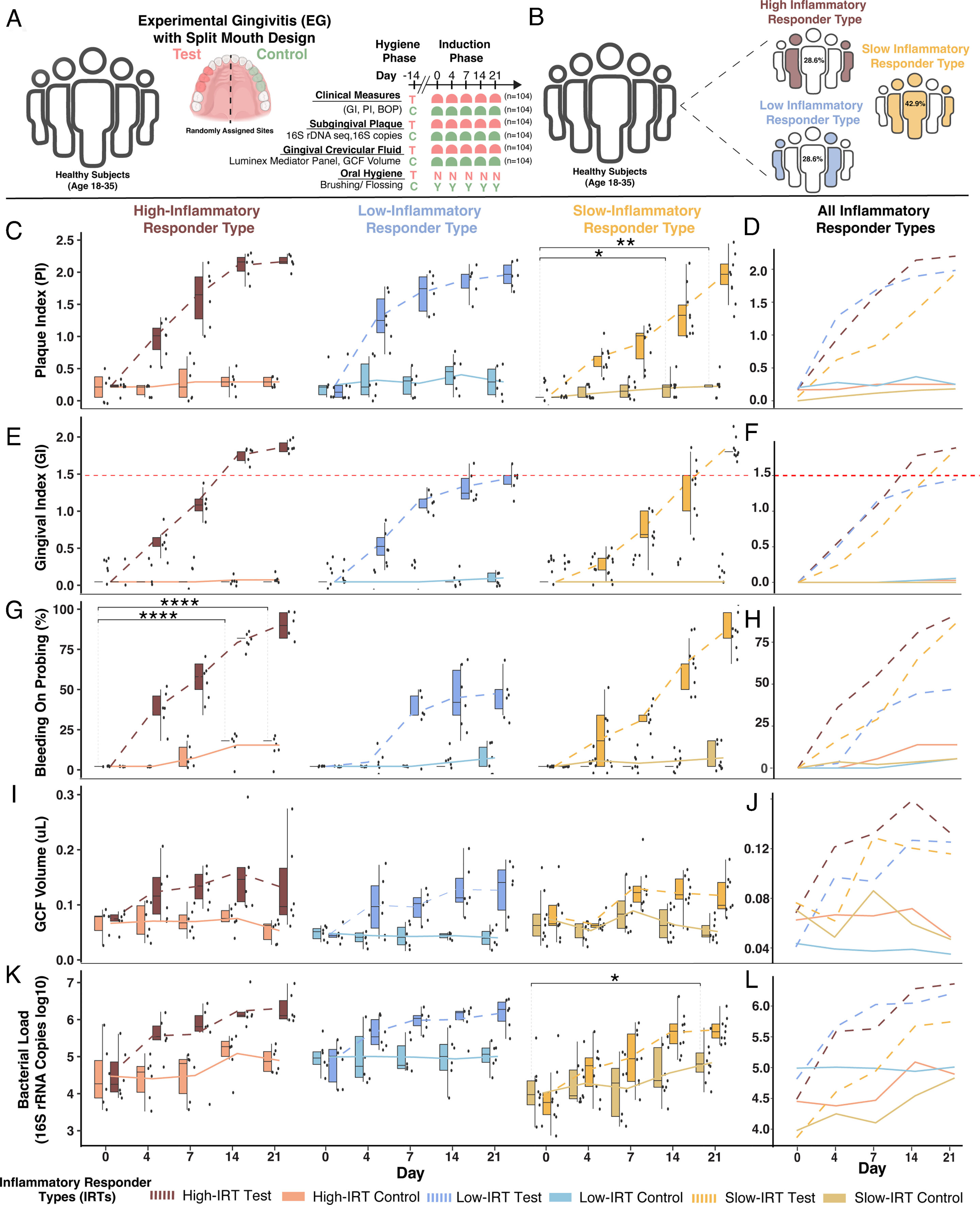
New research reveals that localized gingivitis, the first stage of periodontal disease, can induce changes in the oral microbiome and lead to immune responses in distant healthy parts of the mouth. The timing and intensity of these responses can vary among individuals. The study highlights the importance of regular oral hygiene, but also suggests that maintaining oral health requires more than just brushing and flossing. Regular dental checkups are necessary to detect and address any inflammation in different areas of the mouth.
A new study published in Frontiers in Veterinary Science suggests that a water additive containing pomegranate extract can help reduce plaque and tartar buildup in dogs, promoting healthy gums and potentially limiting the occurrence of periodontal disease. The study found that dogs who received the additive in their drinking water for 30 days after a professional dental cleaning had significantly lower levels of plaque and tartar compared to the control group. The researchers believe that the additive works by limiting the growth of oral bacteria and preventing the formation of bacterial biofilms. Daily oral hygiene, including brushing and the use of water additives, is essential for preventing periodontal diseases in dogs.
Research suggests that there may be a link between poor dental health and an increased risk of dementia, particularly Alzheimer's disease. Studies have found that individuals with periodontal disease for ten years or more have a 1.7 times higher risk of developing Alzheimer's. Poor periodontal health and tooth loss have also been associated with cognitive decline and dementia. Some research has identified a connection between certain mouth bacteria, such as P. gingivalis, which causes gum disease, and the presence of amyloid β and inflammation in the brains of Alzheimer's patients. However, the exact relationship between dental health and dementia is complex and bidirectional, and a causal link has not been firmly established. Further research is needed to fully understand the connection.
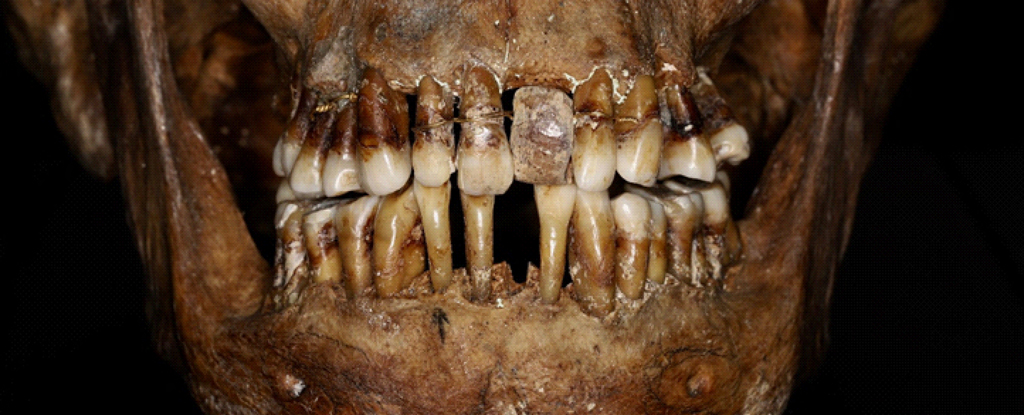
Scientists have discovered that a 17th-century French aristocrat, Anne d'Alegre, used gold wire to hold her teeth together and prevent them from falling out. The discovery was made 400 years after her death during an archaeological excavation. A recent study revealed that d'Alegre suffered from periodontal disease, which loosened her teeth. The gold wire, along with an ivory artificial tooth, worsened her dental condition over time. The findings shed light on the pressures faced by aristocratic women during that era, where appearance was closely tied to social status.
Nearly half of American adults over the age of 30 show signs of gum disease, with 9% having severe gum disease. Gum disease, if left untreated, can lead to tooth loss and has been linked to other health conditions such as dementia, diabetes, and heart disease. Good oral hygiene, including regular brushing and flossing, is crucial in preventing gum disease. Gingivitis, the early stage of gum disease, is characterized by inflammation of the gums and can be diagnosed by dentists. If left untreated, gingivitis can progress to advanced periodontal disease, causing receding gums, tooth sensitivity, and even tooth loss. Regular dental cleanings and professional treatments are necessary to manage and prevent further gum and bone loss.
Gum disease, also known as periodontal disease, affects nearly half of U.S. adults over the age of 30 and can lead to tooth loss if left untreated. Early signs of gum disease include bleeding gums and redness, but it can also be symptomless. Good oral hygiene, including regular brushing and flossing, is crucial in preventing gum disease. Once gingivitis, the early stage of gum disease, sets in, professional cleaning and antibiotics may be necessary for treatment. Advanced periodontal disease can cause receding gums, tooth sensitivity, and tooth loss, but treatments are available to slow down or prevent further damage. Regular dental check-ups are essential for early detection and intervention.
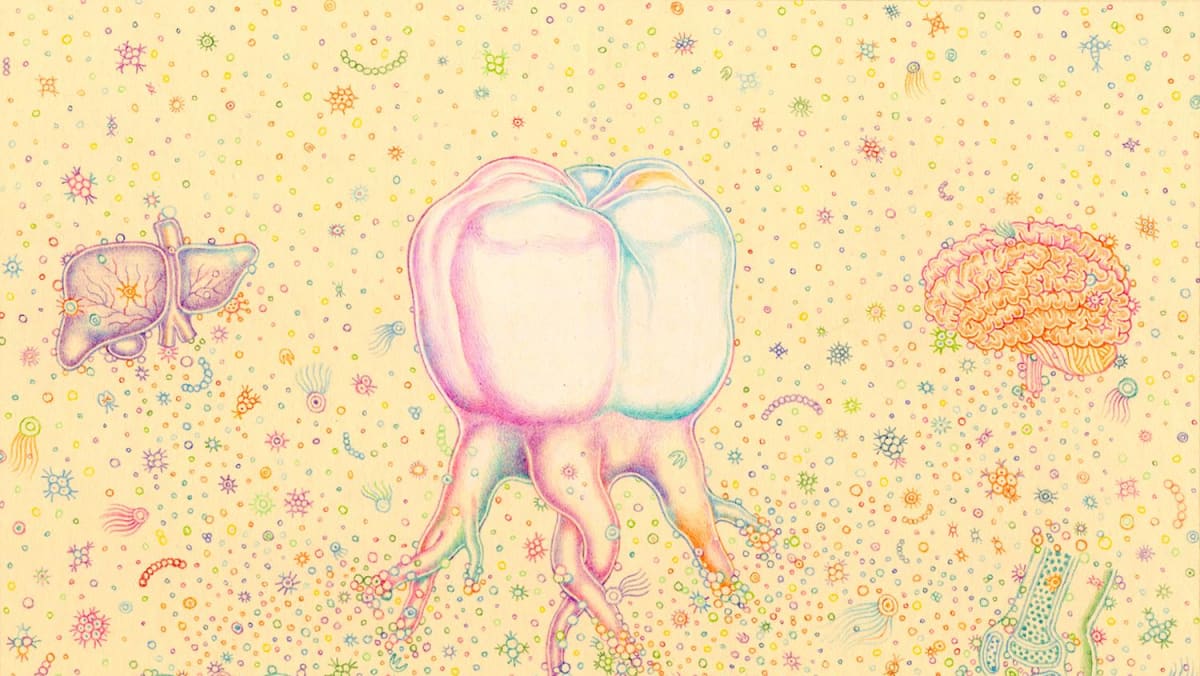
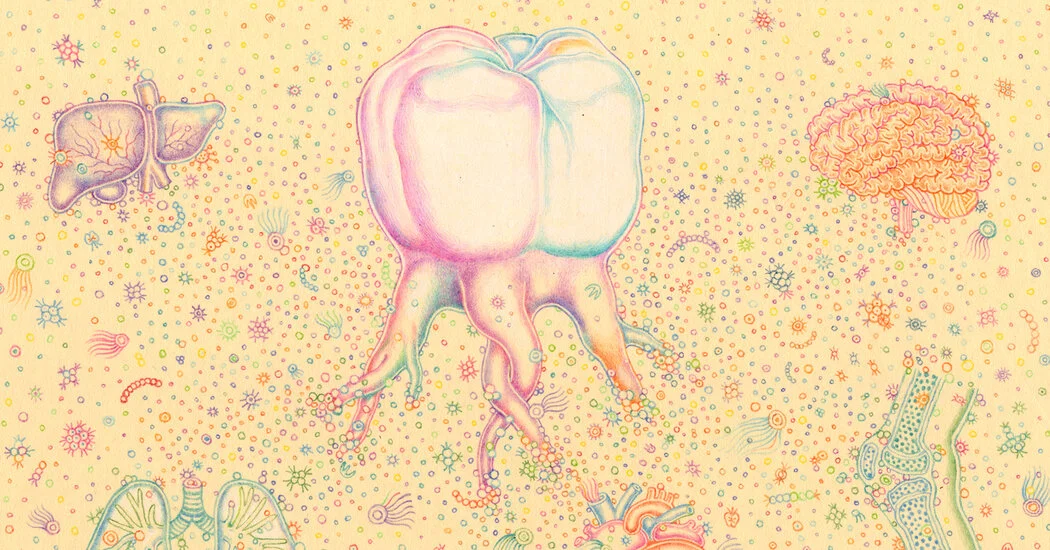
Periodontal disease, or gum disease, is an infection and inflammation in the gums and bone that surround your teeth. Research has found that periodontal disease is associated with a range of health conditions including diabetes, heart disease, respiratory infections, dementia, and pregnancy complications. Oral bacteria have also been linked with rheumatoid arthritis, osteoporosis, kidney and liver disease, as well as colorectal and breast cancers. Maintaining good oral hygiene, including brushing your teeth twice a day and flossing every day, can help prevent these conditions.
Gum disease, or periodontal disease, can lead to a range of health conditions including diabetes, heart disease, respiratory infections, pneumonia, and dementia. While the exact link between oral health and overall health is still not fully understood, research has shown that maintaining good oral hygiene can lower the risk of developing these conditions. Brushing teeth twice a day and flossing daily are key to maintaining good oral health.