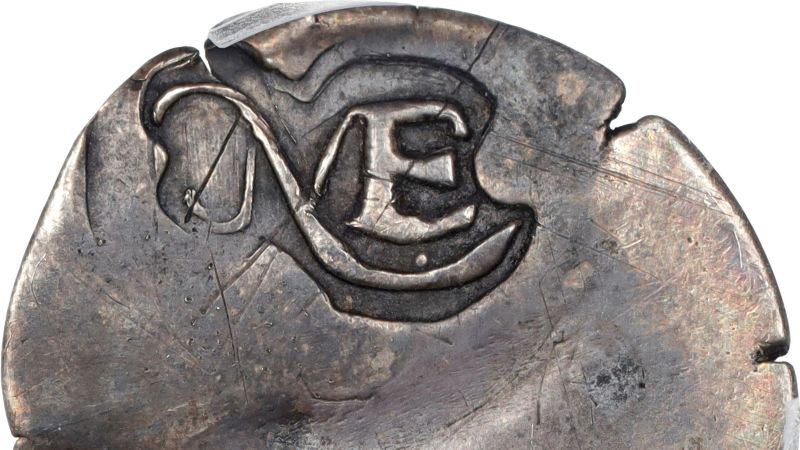
A rare 17th-century American silver threepence coin, struck in 1652 at the Boston Mint, has sold for a record $2.52 million at auction. Discovered in an old cabinet in Amsterdam in 2016, the coin is one of only two known surviving specimens and is notable for its historical significance, representing New England's early defiance of British authority. The coin's sale highlights its rarity and the growing interest in early American numismatics.
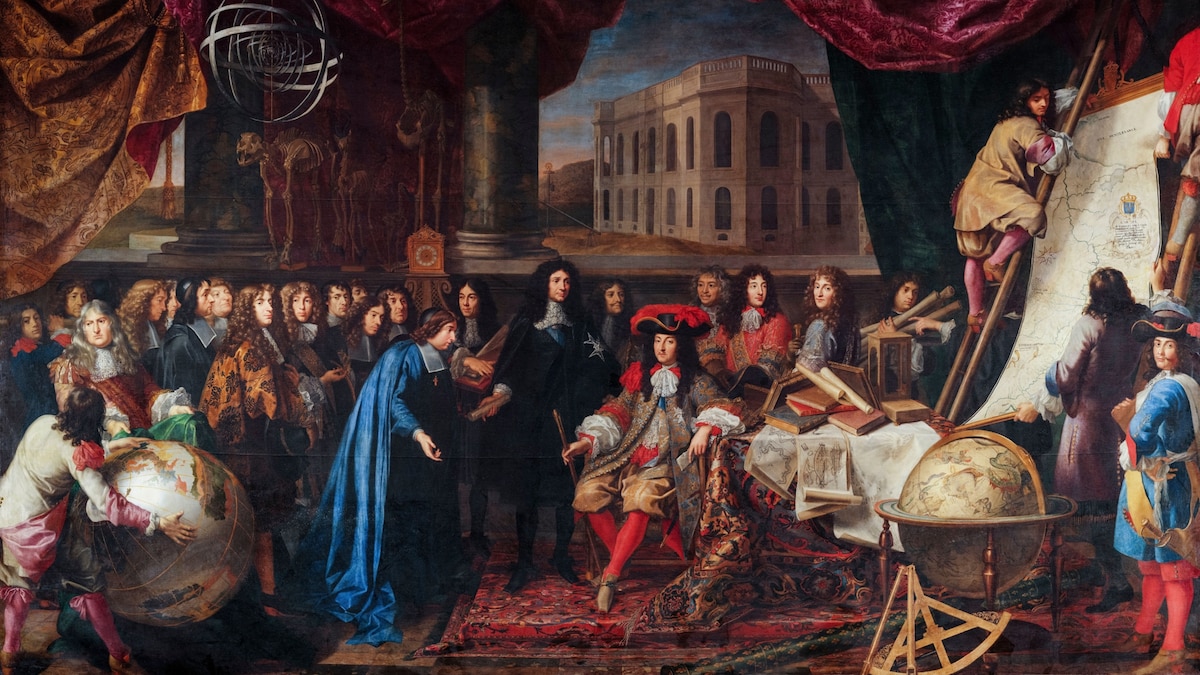
In 1672, French astronomer Jean Richer and his partner embarked on a perilous journey to French Guiana to measure the distance between Earth and the sun. Despite facing illness, harsh weather, and dangerous wildlife, they successfully made key observations that, combined with calculations by astronomer Giovanni Cassini, revealed the sun to be 87 million miles away. This groundbreaking expedition not only determined the solar system's immense scale but also contributed to Isaac Newton's theories of gravity.
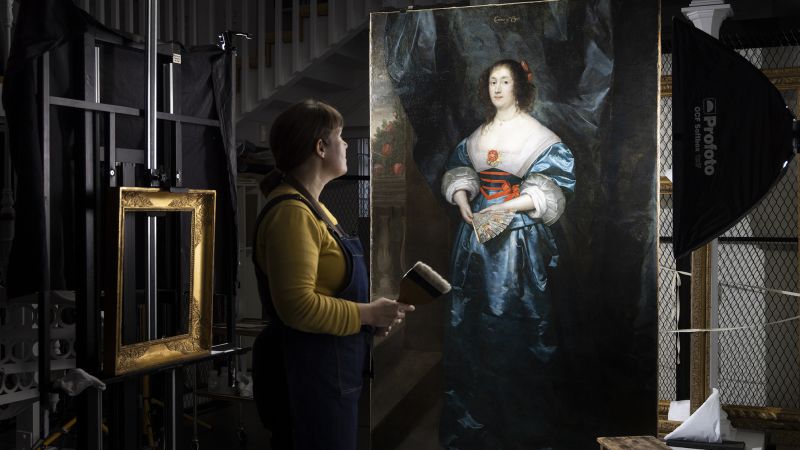
English Heritage has restored a 17th-century portrait of noblewoman Diana Cecil, removing cosmetic touch-ups that were added in the late 19th or early 20th century. The painting, which will be displayed at Kenwood House in London, had undergone alterations to make Cecil's lips fuller and her hairline brought forward. The restoration project also revealed the artist's signature and an earlier date than previously believed. The portrait will be exhibited alongside a portrait of Cecil's husband, the 1st Earl of Elgin.
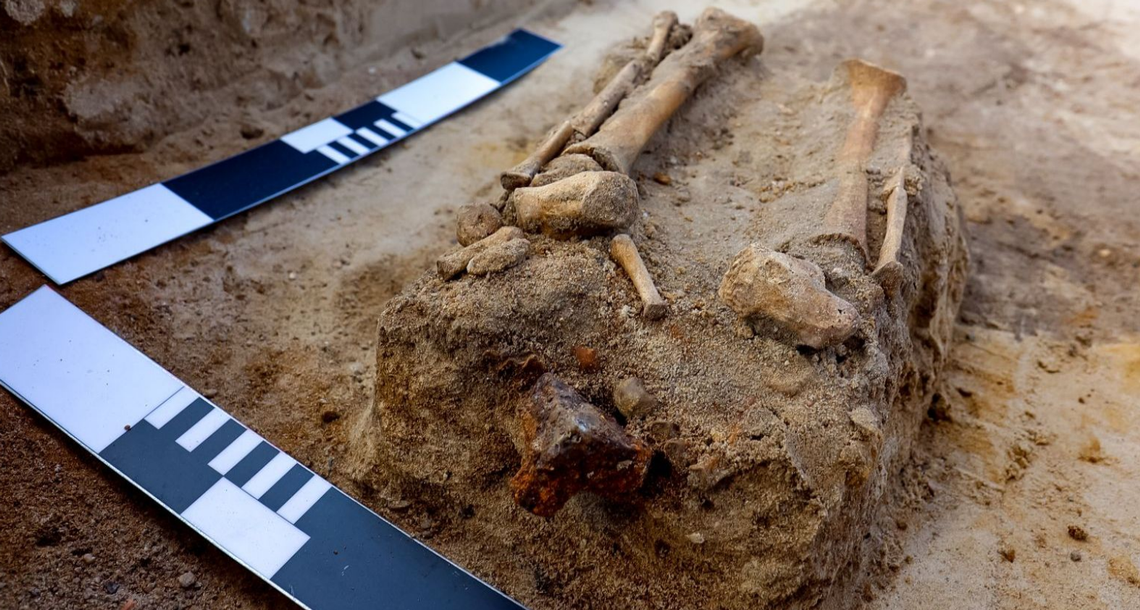
Archaeologists in Poland have discovered the remains of a 17th-century child and a woman buried in a cemetery in the village of Pien, with evidence suggesting they were believed to be vampires. The child's grave had a triangular iron padlock under its foot, possibly to prevent it from rising and feasting on the living. The woman's body had a padlock on her leg and a sickle around her neck. These findings shed light on the beliefs in vampires during that era, where supernatural apparitions were feared and viewed as more than just costumes.
A copper dome discovered near the wreck of the Santa Margarita, a Spanish treasure galleon that sank in 1622 off the coast of Florida, may actually be the remains of a 17th-century diving bell used in salvage operations. The object, previously thought to be a cauldron, matches descriptions of diving bells from that time period and was found near iron ingots that may have been used to anchor it. While there is no record of a diving bell being used on the Santa Margarita, the researchers believe it is a plausible hypothesis based on historical evidence and the size and construction of the object.
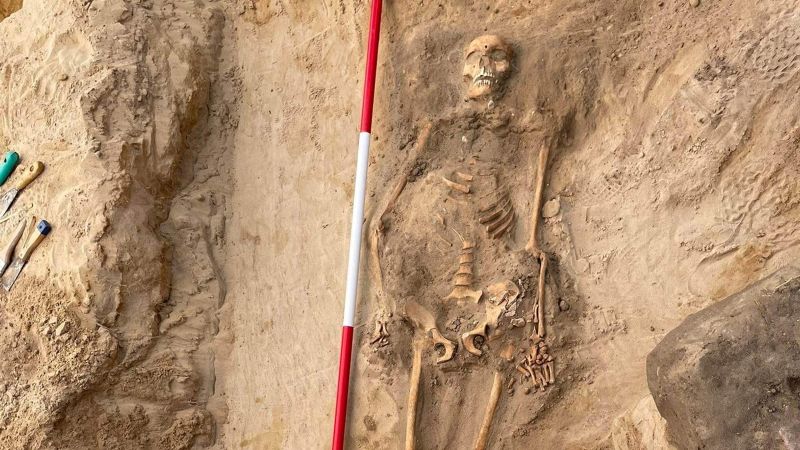
Archaeologists in Poland have discovered the remains of a child buried in the 17th century with an "anti-vampire" device. The child's body was found facedown and restrained, indicating a fear of potential reanimation. The burial aligns with superstitious beliefs surrounding vampires in Slavic folklore, which helped explain unexplained diseases and deaths. The discovery sheds light on the burial practices and superstitions of the time. Further research, including DNA analysis, is being conducted on the remains.
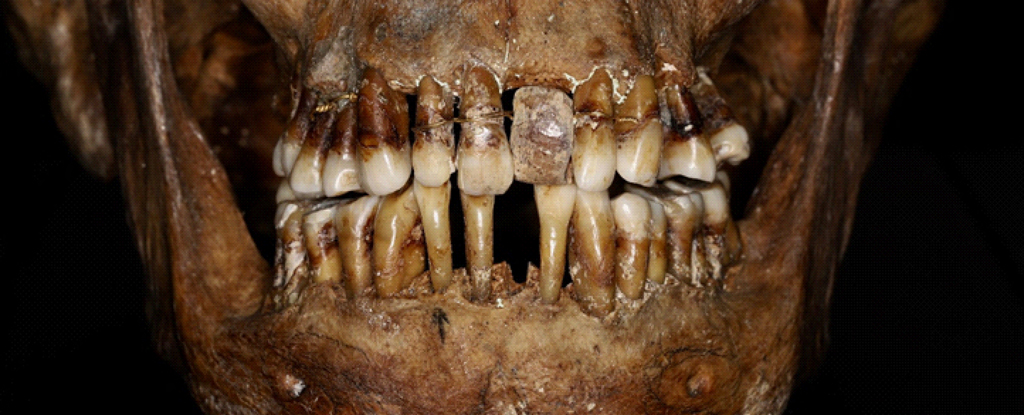
Scientists have discovered that a 17th-century French aristocrat, Anne d'Alegre, used gold wire to hold her teeth together and prevent them from falling out. The discovery was made 400 years after her death during an archaeological excavation. A recent study revealed that d'Alegre suffered from periodontal disease, which loosened her teeth. The gold wire, along with an ivory artificial tooth, worsened her dental condition over time. The findings shed light on the pressures faced by aristocratic women during that era, where appearance was closely tied to social status.
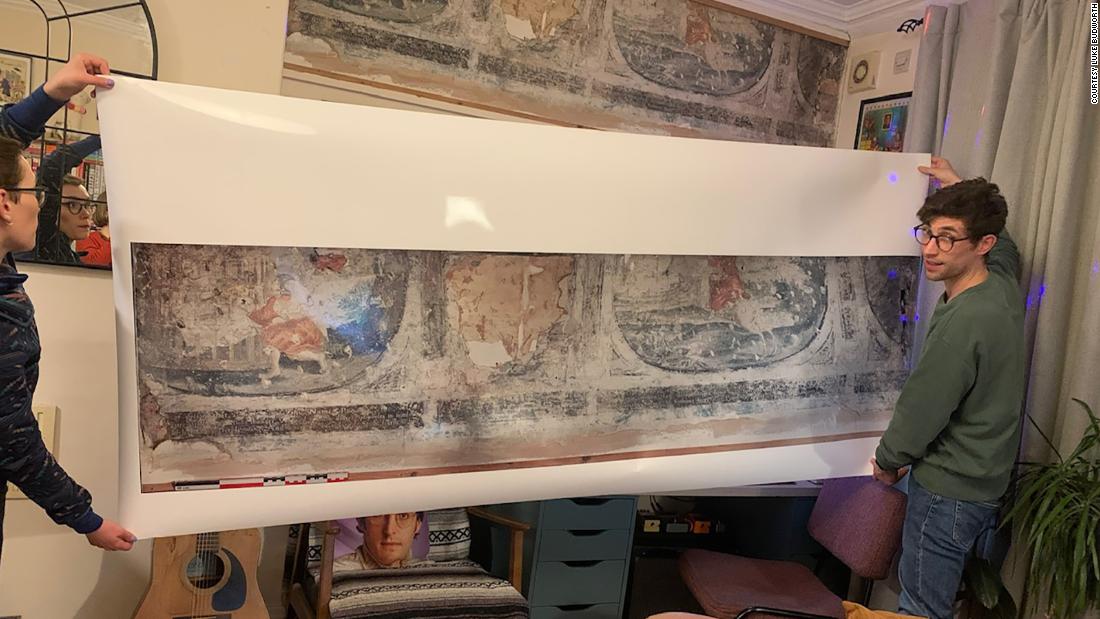
Two murals believed to be nearly 400 years old have been discovered during a kitchen renovation in an apartment in York, England. The paintings, which depict scenes from a 17th century book called "Emblems," were found on a wall that predates the building itself. The couple who own the apartment have been advised to cover up the frieze to preserve it, but they hope to find funding for conservation. Historic England has documented the murals and passed on images to the Conservation of Wall Painting department at the Courtauld Institute of Art in London.