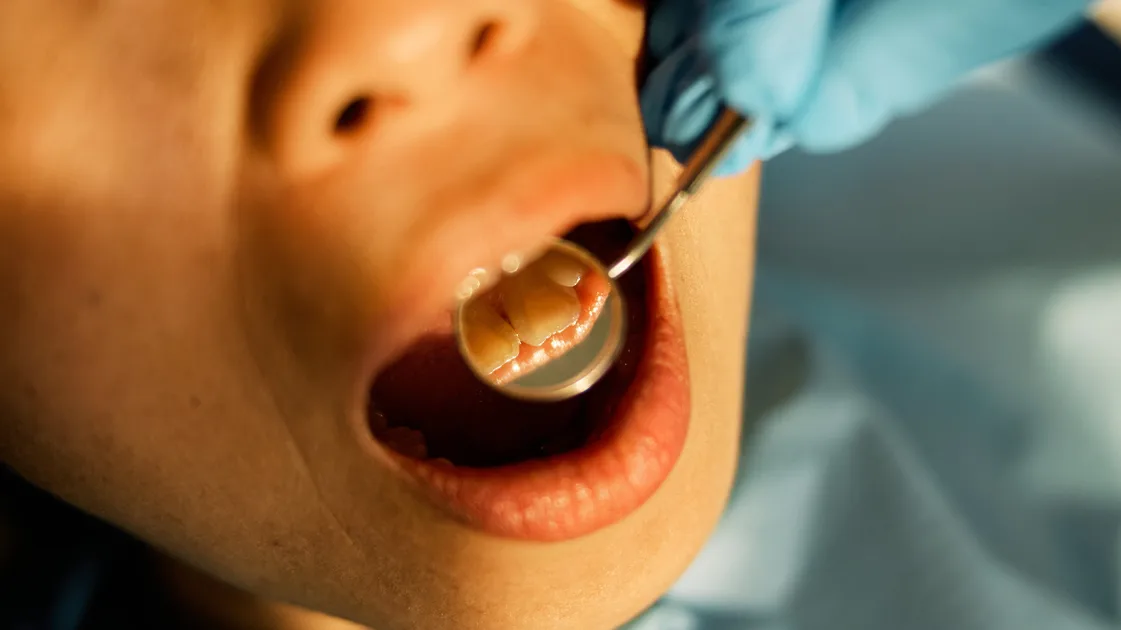
Gum disease, including gingivitis and periodontitis, is common but preventable with proper oral hygiene like brushing and flossing. Signs include bleeding, red or swollen gums, bad breath, and tooth shifting. Early treatment can reverse gingivitis, while advanced cases require professional cleaning and possibly specialist care. Maintaining regular dental visits and good hygiene can prevent serious health issues linked to gum disease.
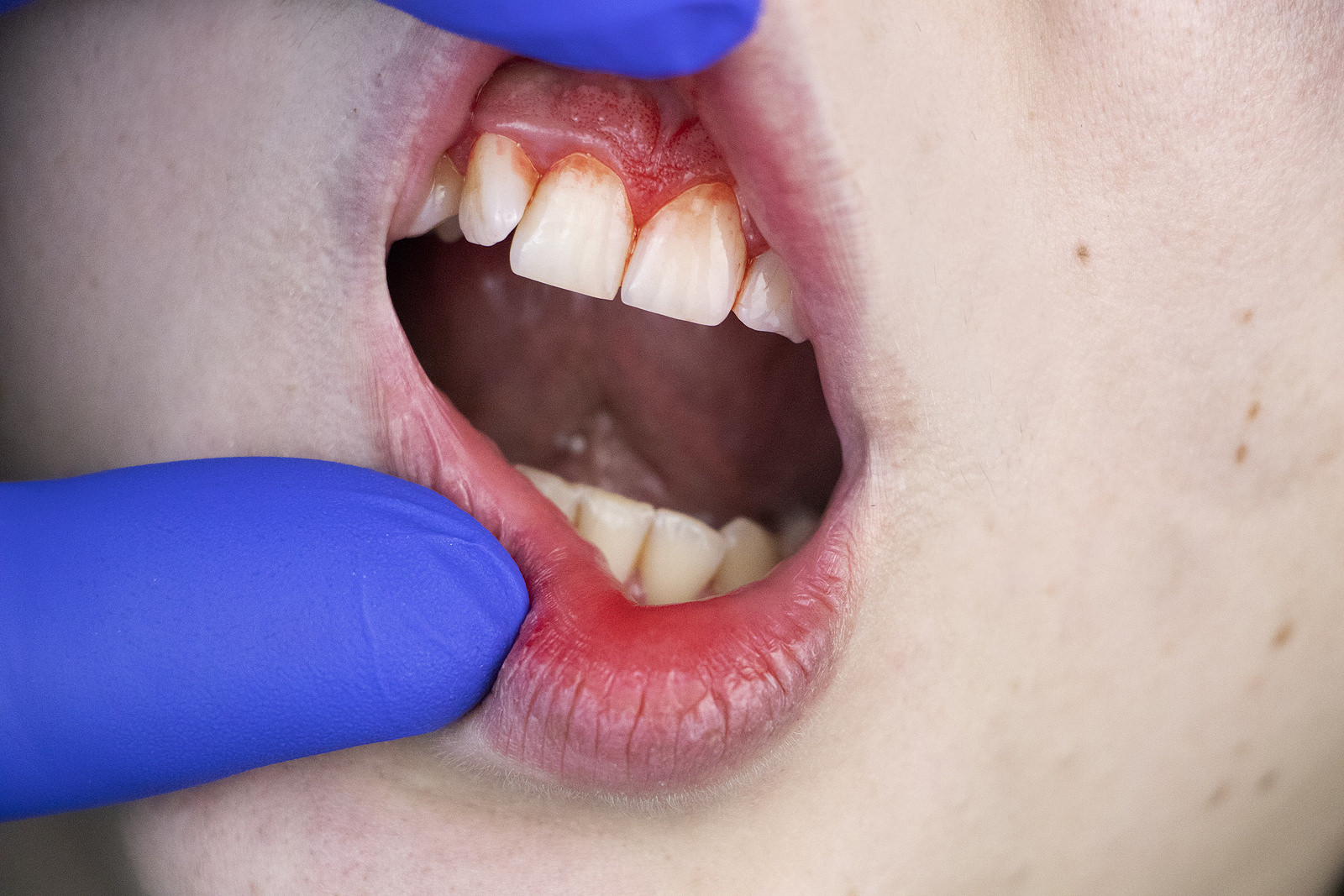
A retired dentist suggests a home remedy for gingivitis using a paste made from baking soda and hydrogen peroxide, which may help prevent periodontal surgery. While scientific studies on this specific remedy are limited, both ingredients have antibacterial properties and are used in oral hygiene. Regular dental check-ups, brushing, flossing, and avoiding smoking are recommended for managing gingivitis.
Gingivitis, characterized by inflamed gums, can be alleviated with natural remedies such as saltwater rinses, oil pulling with coconut oil, lemongrass oil mouthwash, aloe vera mouthwash, tea tree oil mouthwash, turmeric paste, baking soda paste, clove paste, and homemade mouthwash with essential oils like peppermint or eucalyptus, all of which can help reduce bacteria, inflammation, and promote gum health.
New research reveals that localized gingivitis, the first stage of periodontal disease, can induce changes in the oral microbiome and lead to immune responses in distant healthy parts of the mouth. The timing and intensity of these responses can vary among individuals. The study highlights the importance of regular oral hygiene, but also suggests that maintaining oral health requires more than just brushing and flossing. Regular dental checkups are necessary to detect and address any inflammation in different areas of the mouth.
Nearly half of American adults over the age of 30 show signs of gum disease, with 9% having severe gum disease. Gum disease, if left untreated, can lead to tooth loss and has been linked to other health conditions such as dementia, diabetes, and heart disease. Good oral hygiene, including regular brushing and flossing, is crucial in preventing gum disease. Gingivitis, the early stage of gum disease, is characterized by inflammation of the gums and can be diagnosed by dentists. If left untreated, gingivitis can progress to advanced periodontal disease, causing receding gums, tooth sensitivity, and even tooth loss. Regular dental cleanings and professional treatments are necessary to manage and prevent further gum and bone loss.
Gum disease, also known as periodontal disease, affects nearly half of U.S. adults over the age of 30 and can lead to tooth loss if left untreated. Early signs of gum disease include bleeding gums and redness, but it can also be symptomless. Good oral hygiene, including regular brushing and flossing, is crucial in preventing gum disease. Once gingivitis, the early stage of gum disease, sets in, professional cleaning and antibiotics may be necessary for treatment. Advanced periodontal disease can cause receding gums, tooth sensitivity, and tooth loss, but treatments are available to slow down or prevent further damage. Regular dental check-ups are essential for early detection and intervention.