The article highlights five outdated lab tests—total serum vitamin B12, serum iron, creatinine, total testosterone, and total cholesterol—that clinicians should replace with more precise, evidence-based biomarkers like holotranscobalamin, ferritin with CRP, cystatin C, free testosterone, and apolipoprotein B to improve diagnosis and patient care.
A new study has revealed the extent of harms associated with prostate cancer treatments, highlighting significant impacts on patient outcomes. The research underscores the need for careful consideration of treatment options and potential side effects in managing prostate cancer.
Healthgrades' new report "America's 250 Best Hospitals" ranks 14 Illinois hospitals, with three in the top 50 and one in the top 100, based on patient outcomes and risk factors for common procedures. The report aims to help patients identify reputable hospitals and make informed healthcare decisions, emphasizing the importance of hospital quality in choosing a doctor.
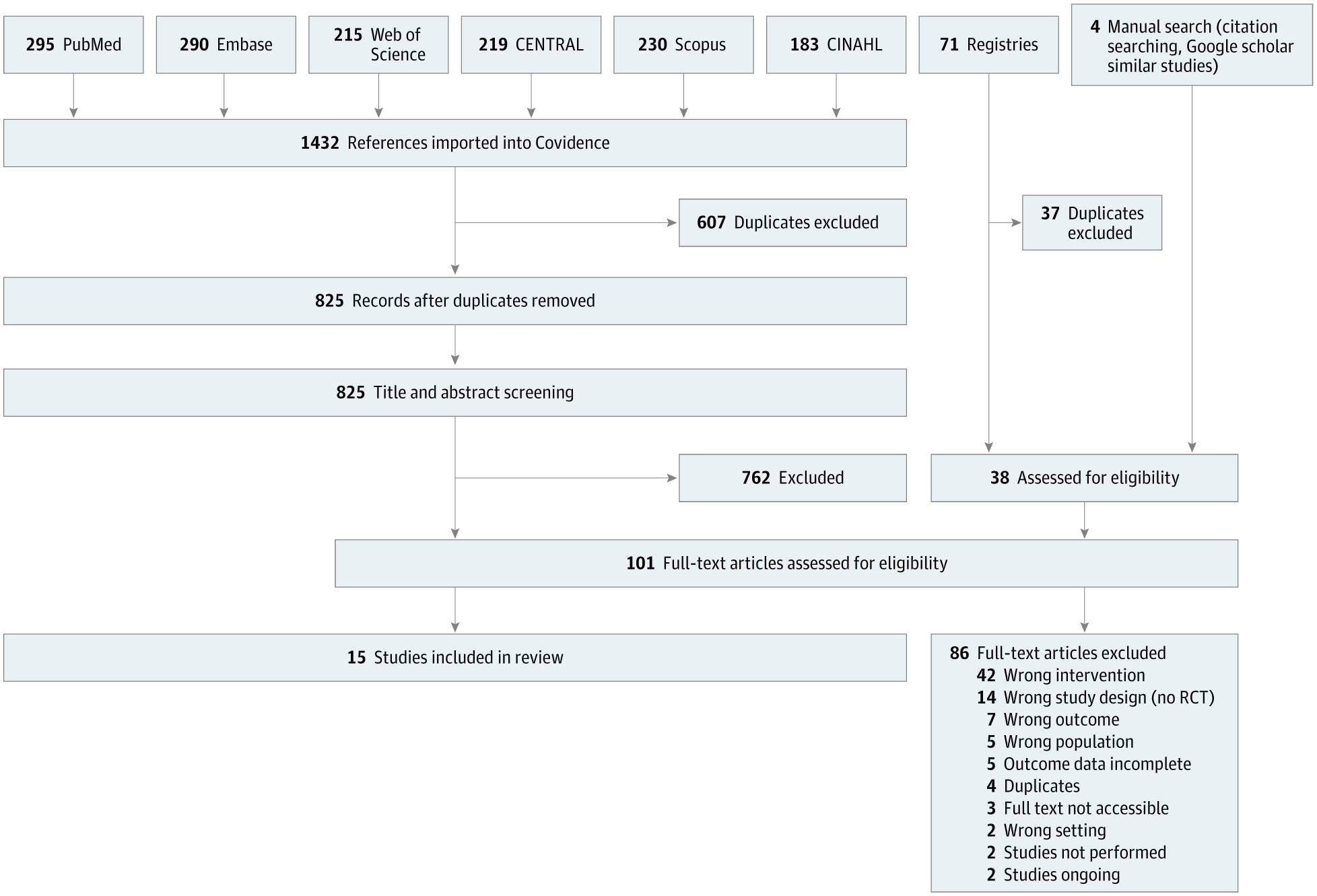
A systematic review and meta-analysis of 15 randomized clinical trials involving 2,786 patients found that daily toothbrushing among hospitalized patients, particularly those receiving invasive mechanical ventilation, was associated with lower rates of hospital-acquired pneumonia (HAP), shorter duration of mechanical ventilation, shorter ICU length of stay, and lower ICU mortality. However, there were no significant differences in hospital length of stay or use of antibiotics. These findings suggest that implementing programs and policies to encourage daily toothbrushing may help prevent HAP and improve patient outcomes.
Skipping adjuvant regional nodal irradiation after neoadjuvant chemotherapy did not increase the risk of disease recurrence or death in breast cancer patients whose lymph nodes converted from positive to negative. The NRG Oncology/NSABP B-51/RTOG 1304 clinical trial found that patients who omitted regional nodal irradiation had similar outcomes to those who received it, suggesting that some patients may be able to avoid the complications associated with the treatment. Further long-term follow-up is planned to strengthen the analysis.
Two major studies conducted in Canada and Sweden have found that patients who are operated on by female surgeons have better outcomes, with fewer complications and the need for follow-up care, compared to those operated on by male surgeons. The studies suggest that female surgeons may achieve better results by operating more slowly and taking their time in the operating theatre. The findings highlight the need for male surgeons to reflect on their approach to surgery and learn from their female colleagues. The results also emphasize the importance of attracting and retaining more women in surgery and promoting them to positions of influence.
A study conducted by researchers at the University of Gothenburg in Sweden reveals that up to two-thirds of cancer drugs approved for reimbursement in Sweden over the past decade have shown no clear benefit in improving the quality of life or extending the lifespans of cancer patients. The study highlights the lack of long-term evidence on the effectiveness of these drugs, as many receive rapid approval based on positive biomarker studies rather than actual patient outcomes. The findings underscore the need for more scrutiny in the approval process and allocation of healthcare resources for cancer treatments.
Johns Hopkins Hospital in Baltimore and Inova Fairfax Hospital in the Washington, D.C. area have been ranked among the best hospitals in the nation by U.S. News and World Report. The rankings consider factors such as patient outcomes, outpatient services, and medical specialties. Other top-ranking hospitals in the D.C. area include MedStar Washington Hospital Center, MedStar Georgetown University Hospital, Virginia Hospital Center, and George Washington University Hospital. Patients are encouraged to consider these rankings along with other factors when making decisions about their healthcare.
Intermountain Health has been selected as one of six core health care systems to lead a national effort to improve treatment for patients with acute respiratory distress syndrome, pneumonia, and sepsis. These conditions, which collectively kill hundreds of thousands of people in the U.S. each year, have been treated similarly despite their differences. The federally funded initiative will gather information from 5,000 patients to better understand the subtypes of these syndromes and develop more targeted treatments. Advanced technologies like artificial intelligence and machine learning will be utilized to identify patterns and improve patient outcomes.
Catheter-directed thrombolysis (CDT) is a safer and more effective treatment option than systemic thrombolysis or anticoagulation therapy for patients with intermediate- or high-risk pulmonary embolism, according to a systematic review and network meta-analysis of over 20,000 patients. CDT was associated with a 57% lower risk for death than systemic thrombolysis and a 64% lower risk than anticoagulation. The researchers suggest that CDT should be considered a first-line therapy for this patient population, and hope their study will influence treatment guidelines.
Cincinnati Children's Hospital Medical Center has been ranked as the top children's hospital in the US by U.S. News and World Report. The hospital was ranked based on key clinical data, including patient outcomes, diversity training, and patient safety. Cincinnati Children's was named in the top 10 of each of the 10 pediatric specialties and ranked No. 1 in cancer care, diabetes and endocrinology, neonatology, and urology. The hospital's researchers have been at the forefront of discovering new treatments that provide better care for patients.
The STRONG-HF trial found that rapid dose titration of guideline-directed heart failure medications in recently hospitalized patients resulted in significant benefits and minimal safety concerns compared to usual care. Patients in the high-intensity group had a higher incidence of optimal doses of common guideline-directed therapies and a lower rate of heart failure readmission or all-cause death at 180 days. The study should be used as a framework for managing heart failure medications and providing close follow-up and monitoring within the first few weeks following hospitalization.
The FDA has released a new draft guidance to support the use of decentralized clinical trials (DCTs) for drugs, biologics, and devices. DCTs allow some or all trial-related activities to take place at trial participants’ homes or other convenient locations, increasing the breadth and diversity of participants in clinical trials and improving accessibility for those with rare diseases or mobility challenges. The guidance covers recommendations on design considerations, remote clinical trial visits, use of digital health technologies, roles and responsibilities of sponsors and investigators, obtaining informed consent, and safety monitoring of trial participants. The FDA expects that DCTs will play an important role in addressing public health needs and improving patient outcomes.
Florida-based medical tech firm ArteraAI has developed the ArteraAI Prostate Test, the first predictive test for patients with localized prostate cancer. The test uses AI to analyze a biopsy of the cancerous tumor and certain clinical data to predict the likely outcomes for the patient and help the physician determine the optimal therapy. The test offers fast turnaround times and complements healthcare providers' work. While AI shows promise in healthcare, there is a need to protect patients' privacy and security and ensure the data represents the entire population it's intended to treat.