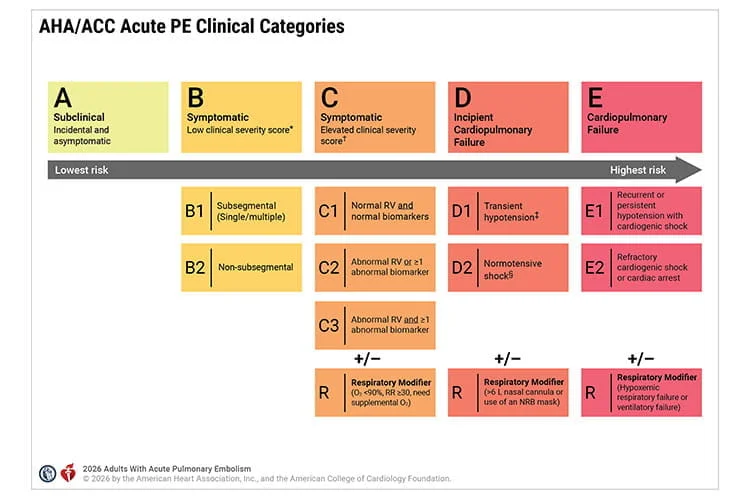
The STORM-PE trial demonstrated that mechanical thrombectomy using CAVT significantly reduces the RV/LV ratio at 48 hours compared to anticoagulation alone in patients with intermediate-high-risk pulmonary embolism, suggesting a potential shift in treatment approach, though long-term outcomes remain to be studied.
A trial investigating the use of the anticoagulant rivaroxaban to prevent cognitive decline in atrial fibrillation (AF) patients was halted due to lack of efficacy. The BRAIN-AF study found no significant difference in cognitive decline between patients taking rivaroxaban and those on placebo, despite a high overall rate of cognitive decline. The study, which involved low-risk AF patients, suggests that other mechanisms beyond microemboli may contribute to AF-related cognitive decline, warranting further research.
Catheter-directed thrombolysis (CDT) is a safer and more effective treatment option than systemic thrombolysis or anticoagulation therapy for patients with intermediate- or high-risk pulmonary embolism, according to a systematic review and network meta-analysis of over 20,000 patients. CDT was associated with a 57% lower risk for death than systemic thrombolysis and a 64% lower risk than anticoagulation. The researchers suggest that CDT should be considered a first-line therapy for this patient population, and hope their study will influence treatment guidelines.